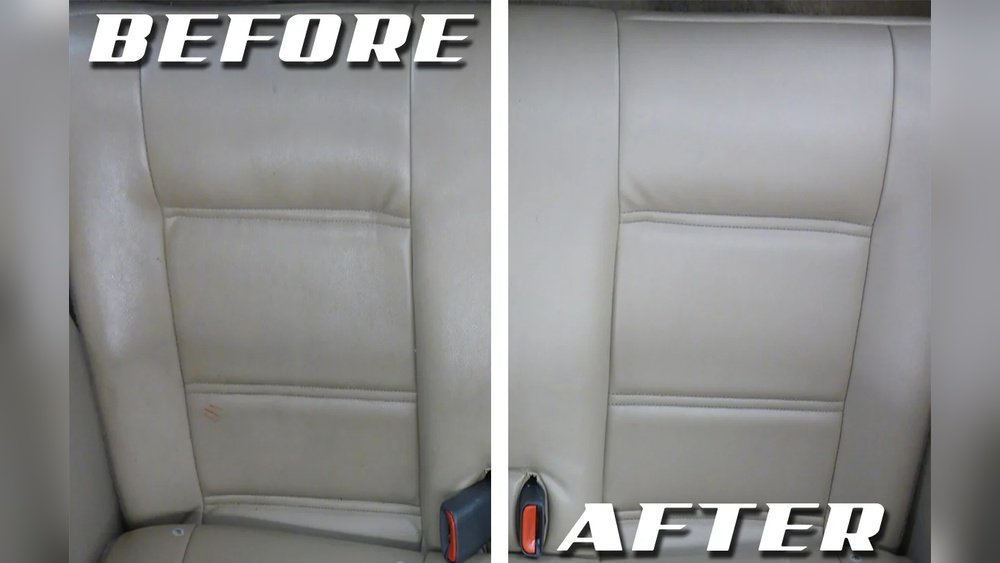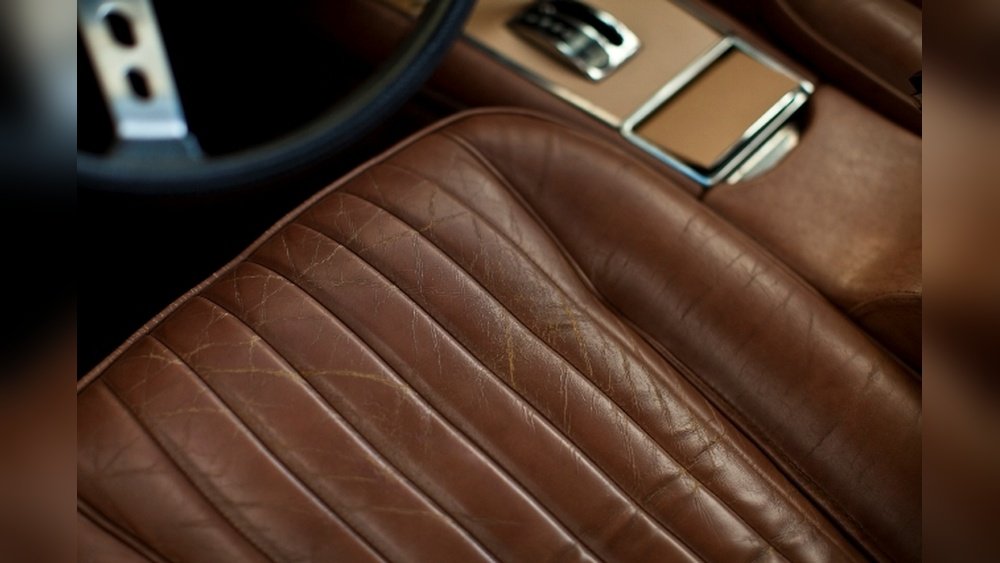
Your leather car seats add a touch of luxury and comfort to your ride, but keeping them clean without causing damage can be tricky. If you’ve ever worried that scrubbing too hard or using the wrong cleaner might ruin your seats, you’re not alone.
The good news is, with the right techniques and products, you can restore your leather seats to their original beauty safely and effectively. You’ll discover simple, proven steps to clean your leather car seats without risking cracks, stains, or discoloration.
Keep reading to learn how to protect your investment and enjoy a spotless, supple interior every time.
Prepare Your Seats
Preparing your leather car seats is the first step to safe cleaning. Proper prep removes loose dirt that can scratch the leather. It also helps you avoid damage by testing cleaners first. Follow simple steps to protect your seats before you clean.
Vacuum Loose Dirt
Use a vacuum with a soft brush attachment. Gently vacuum the seats to remove dust, crumbs, and grit. Focus on seams and crevices where dirt hides. Avoid pressing hard to prevent leather damage. Removing loose dirt stops it from rubbing into the leather during cleaning.
Spot Test Cleaners
Always test cleaners on a hidden area first. Spray a small amount on the side or bottom of the seat. Wait a few minutes to watch for color changes or damage. If the leather looks the same, the cleaner is safe to use. Skip any cleaner that changes color or texture.

Credit: automaniacs.us
Choose Safe Cleaners
Choosing the right cleaner is key to keeping leather car seats in good shape. Safe cleaners clean effectively without causing harm. They protect the leather’s natural oils and finish. Use gentle products made for leather. Avoid harsh substances that can dry or crack the surface. This helps your seats last longer and look better.
Use Leather-specific Products
Leather-specific cleaners are designed to protect and clean leather safely. They contain mild ingredients that remove dirt without stripping oils. These products keep the leather soft and supple. Many come with conditioners to restore moisture. Always pick a cleaner labeled for automotive leather. This ensures it suits your car seats’ needs. Using the right product prevents damage and fading.
Avoid Harsh Chemicals
Harsh chemicals like bleach, ammonia, or alcohol can ruin leather seats. These substances dry out the leather and cause cracks. They may also strip the color and finish. Stay away from household cleaners not made for leather. They can leave stains or make the leather brittle. Choose gentle, pH-balanced products instead. Your car seats will stay clean and healthy without harm.
Cleaning Techniques
Cleaning leather car seats requires careful techniques to protect their surface. Using the right methods keeps the leather soft and looking new. Harsh actions or wrong products can cause damage or discoloration. Follow these simple steps for safe and effective cleaning.
Apply Cleaner To Tools, Not Seats
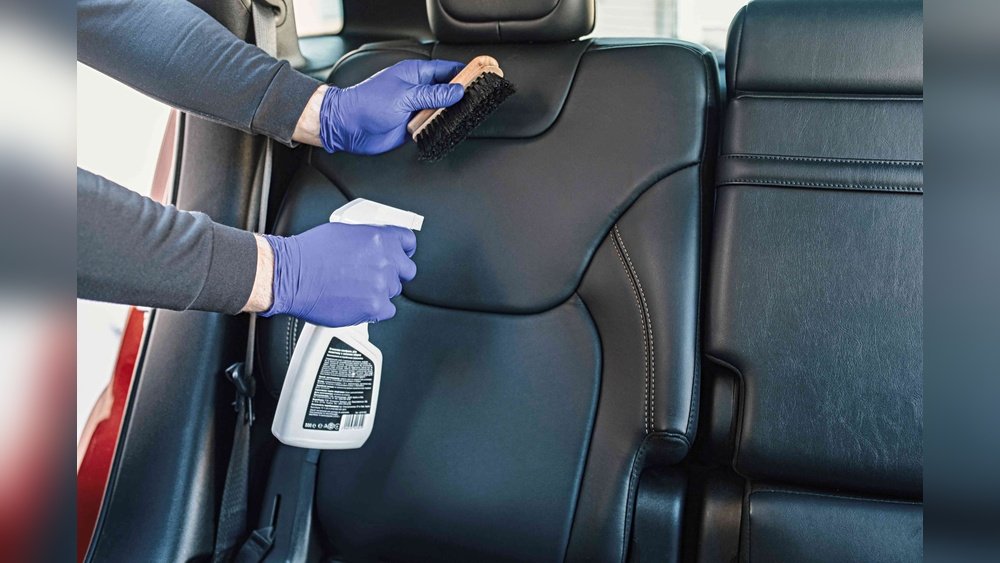
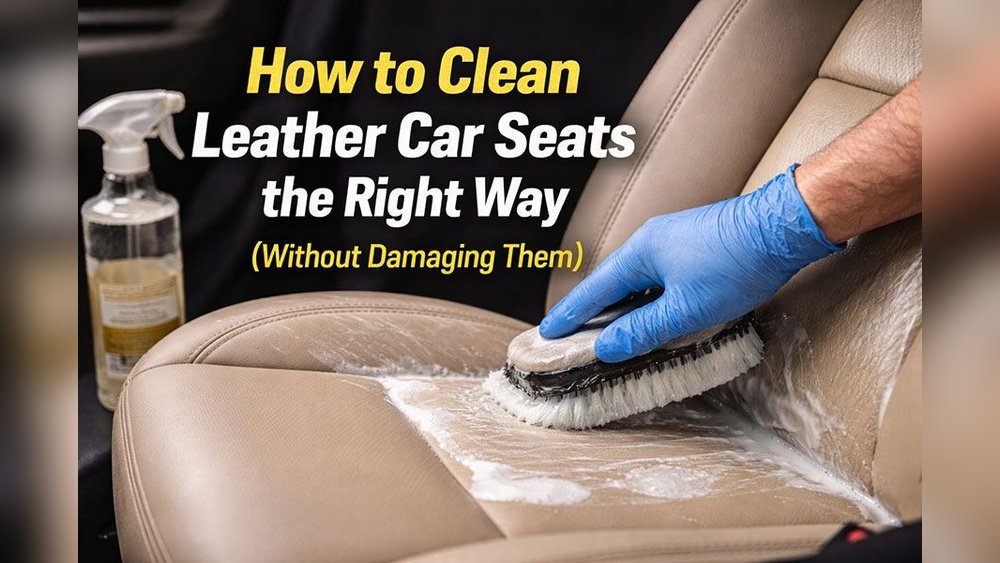
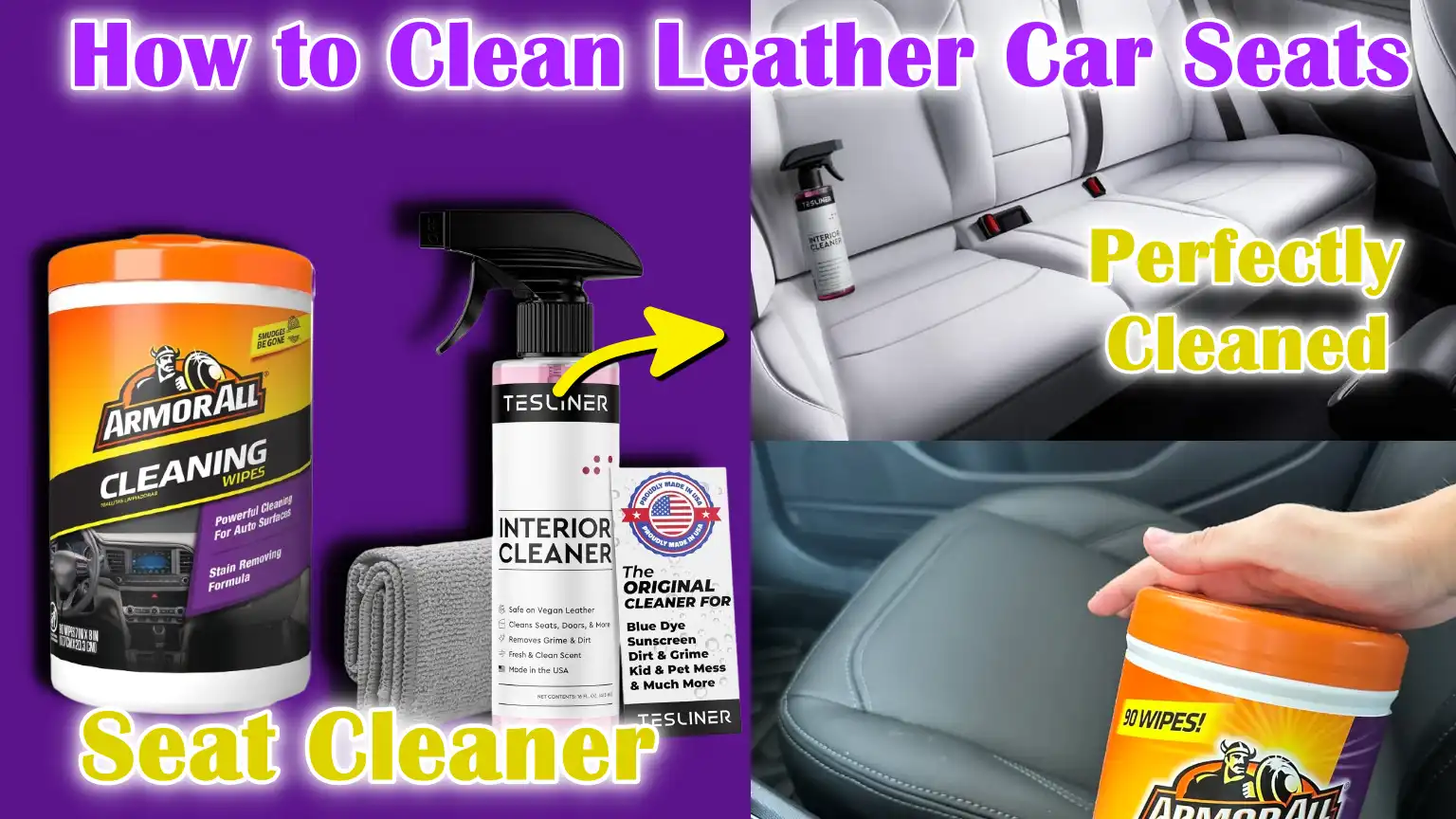
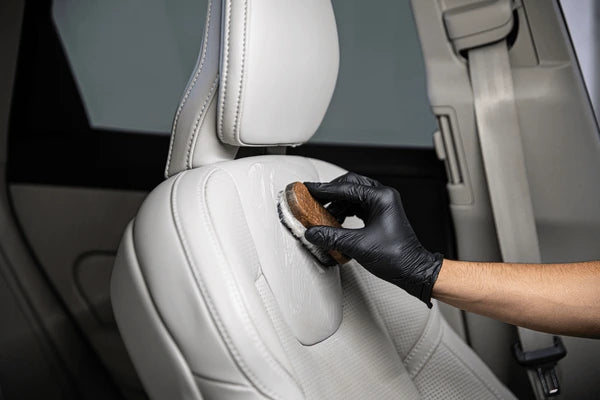
Always put the cleaner on your brush or towel first. Spraying directly on the leather may soak it too much. This can weaken the material or leave stains. Using tools ensures even distribution and better control over the amount applied. It also prevents oversaturation and protects the leather’s finish.
Use Soft Brushes And Microfiber Towels
Choose soft-bristled brushes made for delicate surfaces. Hard brushes can scratch or harm the leather. Microfiber towels gently lift dirt without rough rubbing. These tools clean effectively while maintaining the leather’s texture. Avoid rough cloths or sponges that might cause abrasion.
Work In Small Sections
Clean one small area at a time for best results. This approach stops the cleaner from drying too fast. It allows you to focus on tough spots and avoid missing sections. Working slowly helps monitor the leather’s reaction to the cleaner. Small sections also make rinsing and drying easier.
Credit: dondodicarcustoms.com
Tackling Stains
Stains on leather car seats can be tricky. They need careful handling to avoid damage. Tackling stains early helps keep your seats looking fresh and clean. Using the right methods removes marks without harming the leather surface.
Gentle Stain Removal Methods
Start by vacuuming the seats with a soft brush attachment. This removes loose dirt and dust around the stain. Next, mix a few drops of mild soap with warm water. Dampen a soft cloth with this solution and gently blot the stain. Avoid rubbing hard, as it may damage the leather.
After blotting, use a clean, dry cloth to absorb excess moisture. Let the seat air dry naturally, away from direct sunlight. Test the soap solution on a hidden area first to ensure no discoloration occurs. Repeat the process if the stain remains, but do not over-wet the leather.
Using Toothbrush For Stubborn Spots
For tough stains, a soft-bristled toothbrush works well. Dip the toothbrush lightly in the soap solution. Gently scrub the stained area in small circular motions. This helps lift dirt embedded in the leather grain without scratching.
Wipe away loosened dirt with a damp microfiber cloth. Avoid soaking the leather with water or cleaner. Pat the area dry with a towel and allow it to air dry. Use this method sparingly to protect the seat’s finish and prevent wear.
Special Care For Perforated Leather
Perforated leather seats add luxury and comfort to your car’s interior. These seats have tiny holes that allow air to flow, making them cooler and more breathable. Cleaning perforated leather requires extra care to avoid pushing dirt or liquid into the holes. This section explains simple ways to keep your perforated leather clean without damage.
Use Foaming Cleaners
Foaming cleaners are gentle and effective for perforated leather. The foam lifts dirt without soaking the leather. Apply the foam to a soft cloth, not directly on the seat. Gently wipe the surface, focusing on small areas at a time. Use a soft brush to clean the holes carefully. Avoid scrubbing hard to protect the leather’s finish.
Avoid Liquid Saturation
Perforated leather can trap liquids in its tiny holes. Too much liquid can cause stains or damage the leather underneath. Use only small amounts of cleaner on your cloth or brush. Wipe away excess moisture quickly with a dry microfiber towel. Keep the leather as dry as possible during cleaning. This helps preserve the seat’s look and feel for a long time.
Conditioning Leather Seats
Conditioning leather seats is key to keeping them soft and supple. It stops cracking and fading caused by sun and use. Proper conditioning also protects the leather from drying out over time. This simple step extends the life of your car seats.
Leather naturally loses oils as you use it. Applying conditioner replaces these lost oils. It nourishes the leather and keeps it flexible. Regular conditioning maintains a fresh, new look for your car’s interior.
Apply Quality Conditioner
Choose a conditioner made for automotive leather. Avoid products with harsh chemicals or petroleum. These can damage the leather’s surface or cause discoloration. Use a small amount of conditioner on a clean microfiber cloth.
Gently rub the conditioner into the leather using circular motions. Cover all areas evenly. Let the conditioner absorb for about 10 to 15 minutes. Wipe off any extra product with a dry cloth to prevent buildup.
Restore Softness And Shine
Conditioning brings back the soft feel of leather seats. It smooths out rough patches and minor cracks. The leather regains its natural shine without looking greasy or shiny.
Regular care keeps your leather seats looking new and luxurious. Avoid skipping this step after cleaning. Well-conditioned leather seats improve your driving comfort and car value.
Preventive Tips
Keeping leather car seats in great shape starts with simple preventive steps. These tips help avoid damage and keep leather soft and clean. Regular care extends the life of your seats and saves money on repairs.
Protect From Uv Damage
Sunlight can dry out leather and cause cracks. Park in shaded areas or use a sunshade to block direct rays. Apply a leather conditioner with UV protection every few months. This keeps the leather supple and prevents fading.
Clean Spills Immediately
Spills can stain or damage leather if left too long. Blot liquids with a clean cloth right away. Avoid rubbing, which can spread the stain. Use a gentle leather cleaner soon after to remove any residue. Quick action helps maintain the seat’s appearance and texture.
Credit: www.killerbrands.co.uk
Common Mistakes To Avoid
Cleaning leather car seats requires care and attention. Many people make mistakes that damage the leather. Avoiding these errors helps keep your seats soft and looking new. Here are common mistakes to avoid when cleaning leather car seats.
Avoid Over-saturating Leather
Leather is porous and absorbs liquids easily. Using too much water or cleaner can soak the leather. Over-saturation weakens the material and causes stains or discoloration. Spray the cleaner lightly on a cloth or brush instead of directly on the seat. Wipe gently and allow the leather to dry naturally.
Skip Harsh Chemicals
Strong cleaners can strip oils from leather, making it dry and brittle. Avoid bleach, ammonia, or alcohol-based products. These chemicals cause cracking and fading over time. Choose cleaners made specifically for leather to protect its finish and softness.
Don’t Use Furniture Polish
Furniture polish is not meant for car leather. It leaves a slippery residue and can clog leather pores. This stops the leather from breathing and leads to damage. Use leather conditioners and protectants designed for automotive use instead.
Frequently Asked Questions
What Is The Best Thing To Clean Leather Car Seats With?
Use a pH-neutral leather cleaner or mild soap mixed with warm water. Apply with a soft brush or microfiber towel. Avoid harsh chemicals. Always condition leather after cleaning to keep it soft and prevent cracking. Test cleaners on a hidden spot first for safety.
Is Dawn Dish Soap Ok For Leather?
Dawn dish soap can clean leather gently if diluted properly. Use mild soap and warm water. Avoid harsh scrubbing or soaking to prevent damage. Always spot test first. Condition leather after cleaning to maintain softness and prevent drying.
Does Murphy’s Oil Soap Clean Leather?
Murphy’s Oil Soap can clean leather but may dry it out over time. Use it sparingly and condition leather afterward.
How To Care For Louis Vuitton Leather?
Clean Louis Vuitton leather with a soft cloth and mild soap. Avoid harsh chemicals. Condition regularly to maintain suppleness. Store away from direct sunlight and moisture. Wipe spills immediately to prevent stains. Use a gentle leather cleaner and a soft brush for stubborn spots.
Conclusion
Cleaning leather car seats takes care and the right steps. Use gentle cleaners and soft brushes only. Always test cleaners on a hidden spot first. Clean in small sections to avoid damage. After cleaning, apply conditioner to keep leather soft.
Avoid harsh chemicals that can ruin the leather. Regular cleaning helps your seats look fresh longer. Taking these simple steps protects your investment and keeps your car comfortable. Keep your leather seats clean, safe, and looking great every time.