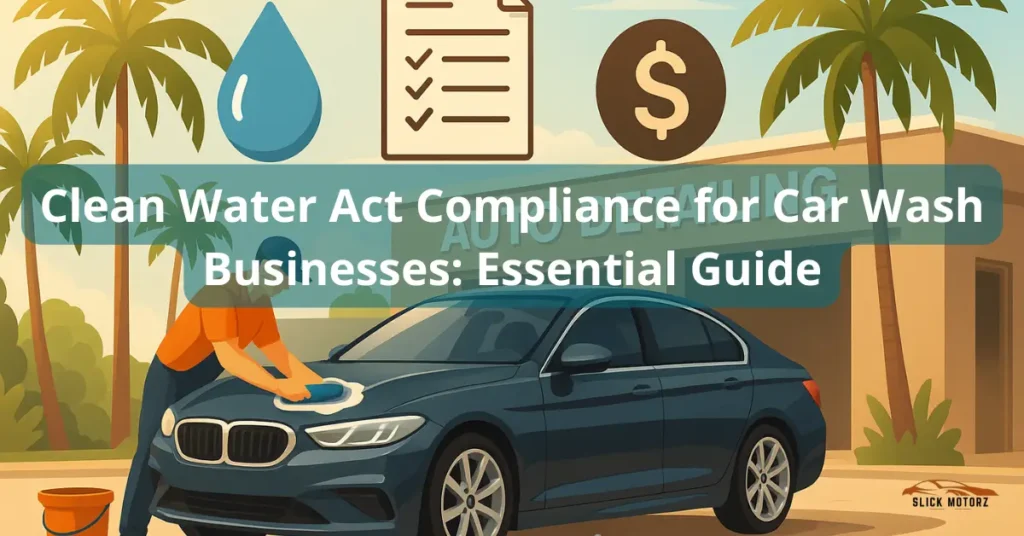
If you own or operate a car wash business, understanding Clean Water Act compliance is not just important—it’s essential for your success and reputation. You might think managing water use and wastewater disposal is complicated, but knowing the right steps can save you from hefty fines and protect the environment at the same time.
This guide will walk you through what you need to do to keep your car wash running smoothly while meeting all legal requirements. Keep reading to find out how you can turn compliance into a competitive advantage for your business.
Clean Water Act Basics
The Clean Water Act (CWA) is a key law protecting U.S. water bodies. It aims to reduce pollution and maintain water quality. Car wash businesses must follow CWA rules to avoid harming local waterways.
These rules help control wastewater and prevent harmful substances from entering rivers, lakes, and streams. Understanding the basics of the CWA is important for every car wash owner.
Key Provisions For Car Washes
The CWA sets limits on pollutants that car washes can release. It requires proper treatment of wastewater before disposal. This prevents chemicals, oils, and dirt from contaminating water sources.
Car washes must manage runoff to reduce harmful impacts. The law promotes best practices like recycling water and using eco-friendly soaps. These actions help protect the environment and public health.
Permitting Requirements
Car washes must often obtain permits under the National Pollutant Discharge Elimination System (NPDES). This permit controls the discharge of pollutants into water bodies. It ensures compliance with water quality standards.
Applying for a permit involves submitting detailed plans on wastewater handling. Permits may require regular monitoring and reporting. Failure to get a permit can lead to fines and legal issues.
Types Of Discharges Covered
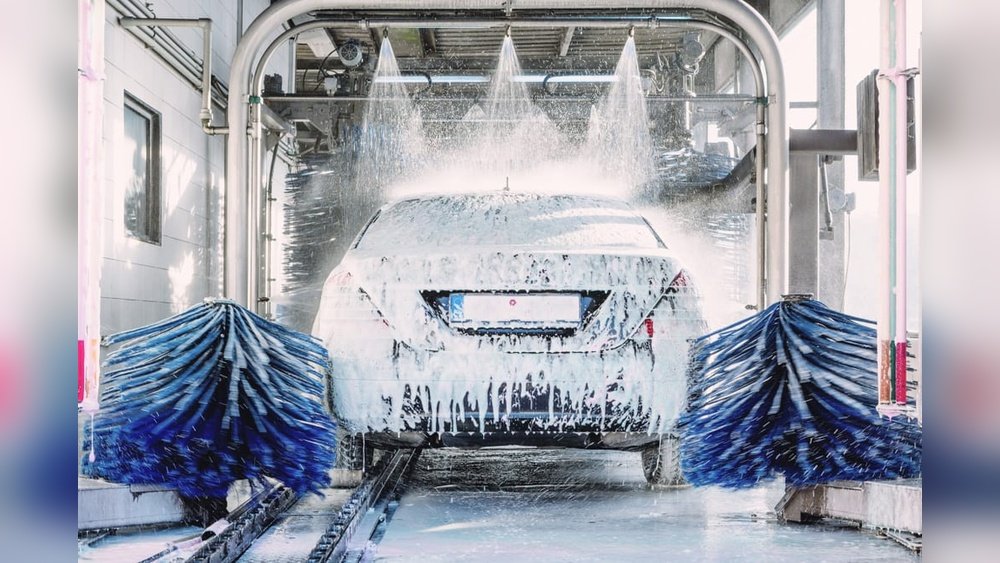
The CWA covers various discharges from car washes. These include wastewater from washing, rinsing, and equipment cleaning. Stormwater runoff that picks up pollutants is also regulated.
Both direct discharges to water and indirect discharges via sewers are controlled. The goal is to prevent pollution at every stage of car wash operations. Compliance protects water quality and local ecosystems.
Credit: www.exppresscarwash.com
Car Wash Wastewater Challenges
Car wash businesses face significant challenges in managing wastewater. This wastewater often contains harmful substances. Proper handling is essential to meet Clean Water Act standards. Failure to control wastewater can lead to environmental damage and legal penalties. Understanding these challenges helps businesses stay compliant and protect local water quality.
Common Pollutants In Runoff
Runoff from car washes carries several pollutants. These include oils, detergents, and dirt. Heavy metals like lead and zinc also appear in the water. These substances can harm aquatic life and disrupt ecosystems. Removing pollutants before discharge is vital for environmental safety.
Impact On Local Waterways
Contaminated runoff can enter rivers, lakes, and streams. This pollution reduces water quality and threatens wildlife. It can cause algae blooms and oxygen loss in water. Such effects harm fish and other aquatic organisms. Protecting waterways preserves community health and biodiversity.
Sources Of Contamination
Wastewater contamination comes from several sources in car washes. Soap and cleaning chemicals mix with water used on vehicles. Oil and grease drip from engines and tires. Dirt and debris wash off car surfaces. Each source adds to the total pollution load in runoff.
Permit Options For Car Washes
Car wash businesses must follow specific permit rules to meet Clean Water Act standards. These permits control wastewater discharge and protect water quality. Choosing the right permit depends on your car wash type and location. Understanding available permit options helps ensure your business stays compliant and avoids fines.
National Pollutant Discharge Elimination System (NPDES)
The NPDES permit is a federal program controlling water pollution. It limits pollutants discharged from point sources into U.S. waters. Car washes that discharge wastewater directly to surface water need this permit. The permit sets limits on pollutants and requires regular monitoring and reporting.
Applying for an NPDES permit involves submitting a detailed plan of wastewater treatment. The EPA or authorized state agency reviews the application. This permit helps reduce harmful chemicals entering rivers and lakes.
State-specific Permits
Some states have their own permits under Clean Water Act rules. These state permits may differ from the federal NPDES permit. They often include local water quality standards and discharge limits.
State agencies issue these permits and enforce compliance. Car wash owners must check their state’s requirements before operating. The following state permits protect local water bodies and ensure legal operation.
Mobile Vs. Fixed Facility Permits
Permits also vary based on car wash type. Fixed facilities have permanent locations and usually require full NPDES or state permits. These permits cover ongoing wastewater discharge and treatment systems.
Mobile car wash businesses operate at different sites. They may need special permits or follow different rules. Some states allow mobile washes to discharge wastewater to sanitary sewers instead of surface waters.
Understanding permit differences helps car wash owners choose the correct option. Proper permits ensure compliance and protect the environment.
Best Practices For Compliance
Car wash businesses must follow strict rules to meet the Clean Water Act standards. Proper practices help protect water sources from pollution. These steps also keep your business safe from fines and legal trouble. Focus on managing wastewater, choosing safe soaps, and maintaining equipment regularly. These efforts show your commitment to the environment and compliance.
Wastewater Collection And Treatment
Collecting wastewater is essential to prevent harmful discharge. Use systems that capture dirty water before it leaves your site. Treat the water to remove oils, dirt, and chemicals. This process reduces pollution and protects local water bodies. Regularly inspect your treatment system for leaks or damage. Proper treatment keeps your business aligned with Clean Water Act rules.
Use Of Biodegradable Soaps
Choose soaps that break down naturally in the environment. Biodegradable soaps reduce toxic buildup in water systems. Avoid harsh chemicals that harm aquatic life and ecosystems. Test soaps to confirm they meet environmental safety standards. Using eco-friendly products supports water health and legal compliance. This choice also appeals to customers who value green practices.
Regular Equipment Maintenance
Maintain all car wash equipment to ensure proper function. Clean and check pumps, filters, and drains frequently. Fix leaks or malfunctions quickly to avoid water contamination. Well-kept equipment reduces the risk of illegal discharges. Scheduled maintenance lowers long-term repair costs and downtime. Consistent care helps your business stay compliant with water regulations.
Water Conservation Strategies
Water conservation is vital for car wash businesses aiming to comply with the Clean Water Act. Efficient water use helps protect local water sources and reduces operational costs. Implementing smart water strategies supports environmental care and business sustainability.
Recycling And Reusing Water
Recycling water reduces the total amount used during each wash. Many car washes install systems that collect and treat water for reuse. This approach lowers water waste and minimizes the discharge of pollutants. Cleaned water often meets standards for reuse in washing cars. This method saves thousands of gallons of water monthly.
Low-water Washing Techniques
Using low-water techniques cuts water use significantly. Methods such as high-pressure, low-volume nozzles use less water but clean well. Waterless or steam cleaning options also reduce water consumption. These techniques maintain quality while conserving water. Training staff on these methods ensures consistent water savings.
Monitoring Water Usage
Tracking water use helps identify leaks and inefficiencies early. Installing water meters allows precise measurement of water flow. Regular monitoring supports quick adjustments to reduce waste. Data from meters helps businesses meet regulatory requirements. Continuous oversight keeps water use within compliance limits.
Recordkeeping And Reporting
Recordkeeping and reporting are key parts of Clean Water Act compliance for car wash businesses. Proper records show that your business follows all rules. Reporting helps regulators track water quality and pollution control efforts. Keeping clear, accurate records and submitting timely reports reduces the risk of fines and legal issues.
Every car wash must track water discharge, chemical use, and maintenance activities. These records prove your commitment to protecting water resources. The process may seem complex, but it is essential for environmental safety and business reputation.
Maintaining Compliance Logs
Car wash operators must keep detailed compliance logs daily. These logs include water usage, wastewater discharge, and any spills or leaks. Record chemical types and amounts used for cleaning. Note any equipment maintenance or repairs related to water treatment systems.
Logs must be clear and easy to understand. Store them safely for at least five years. Digital records help organize data and simplify audits. Well-kept logs demonstrate your care for water protection.
Submitting Discharge Reports
Discharge reports document the volume and quality of wastewater released. Most car washes need to submit these reports to local or state agencies. Follow the schedule set by your permit. Reports often include test results for pollutants like oils, detergents, and solids.
Accurate and timely reports prevent penalties. Use lab-certified data to ensure reliability. Keep copies of all submitted reports for your records. This transparency supports water safety efforts.
Responding To Inspections
Regulatory inspections verify compliance with the Clean Water Act. Inspectors review records, equipment, and discharge points. Be prepared to show compliance logs and discharge reports on request. Cooperation during inspections builds trust with regulators.
Address any violations quickly. Fix issues and update records to reflect changes. Prompt responses avoid costly fines or shutdowns. Regular internal checks help maintain readiness for inspections.
Local Regulations In Austin, Texas
Operating a car wash in Austin, Texas requires following local rules about water use and pollution. The Clean Water Act ensures businesses keep water clean. Austin has specific laws to help car wash businesses meet these rules. Understanding these local regulations helps owners avoid fines and protect the environment.
City And State Requirements
Austin car wash businesses must follow city and state water rules. The Texas Commission on Environmental Quality (TCEQ) sets standards for wastewater discharge. Businesses must get permits before releasing water. These permits limit pollution and control the chemicals used. Austin also enforces rules to protect local rivers and lakes.
Zoning And Permitting
Car washes need proper zoning to operate in Austin. Most are allowed in commercial or industrial zones. Some locations require a special use or conditional permit. These permits control where and how businesses run. Zoning rules ensure car washes do not harm nearby homes or businesses. Getting the right permits avoids legal problems.
Resources For Austin Businesses
Austin provides many resources to help car wash owners comply with water laws. The TCEQ website offers guides and forms for permits. Local agencies also provide workshops and advice. Car wash operators can learn about best practices and water-saving techniques. Using these resources makes compliance easier and supports business success.
Consequences Of Non-compliance
Failing to comply with the Clean Water Act can lead to serious troubles for car wash businesses. The law protects water sources from pollution, so breaking its rules has real costs. These consequences affect finances, legal standing, and the environment around the business.
Fines And Penalties
Violating water discharge rules often results in heavy fines. These fines can reach thousands of dollars per violation. Repeat offenses increase penalties and may include daily fines. Such costs can strain a small business’s budget quickly. Paying fines does not fix the damage done to water quality.
Legal Liabilities
Non-compliance opens businesses to legal actions by government agencies. Lawsuits may demand costly cleanup or compensation for harm caused. Car wash owners could face court orders to stop operations. Legal battles drain time and resources that could be used to grow the business. A bad legal record can also hurt reputation and customer trust.
Environmental Impact
Discharging untreated wastewater pollutes rivers, lakes, and soil. Chemicals and dirt from car washing harm fish and plants. Pollution can disrupt local ecosystems and reduce biodiversity. Contaminated water threatens public health and drinking water supplies. Protecting the environment is a key reason for following Clean Water Act rules.
Emerging Technologies
Emerging technologies help car wash businesses meet Clean Water Act rules. They reduce water use and limit pollution. These innovations improve efficiency and protect local water sources.
Advanced Filtration Systems
Advanced filtration systems clean used water for reuse. They remove oils, dirt, and chemicals effectively. This lowers water consumption and reduces harmful discharge. Such systems support compliance with environmental regulations. Many car washes install these filters to cut costs and protect water quality.
Waterless Car Wash Options
Waterless car wash options use special sprays and cloths. They clean vehicles without water or wastewater. This method saves thousands of gallons of water yearly. Waterless washing also prevents polluted runoff. It is ideal in areas with strict water use limits or drought conditions.
Automation And Monitoring Tools
Automation tools control water flow and soap use precisely. Monitoring tools track water quality and usage in real time. These technologies alert operators to leaks or system faults quickly. They help maintain Clean Water Act compliance by avoiding excess discharge. Automated systems also save money by reducing waste.

Credit: flowstobay.org
Frequently Asked Questions
What Is The Protocol For Car Washing?
Start by rinsing the car to remove loose dirt. Use soap and a clean mitt to wash from top to bottom. Rinse frequently to avoid scratches. Collect and properly dispose of wastewater to comply with environmental regulations.
What Is The Average Water Bill For A Carwash?
The average water bill for a carwash ranges from $100 to $500 monthly. Usage depends on location and water efficiency.
What Zoning Is Needed For A Car Wash?
Car washes usually need commercial or industrial zoning. Some areas require automotive-specific districts or special permits. Check local regulations.
What Are The 4ps For a Car Wash?
The 4Ps for a car wash are Product, Price, Place, and Promotion. They help market and sell services effectively.
Conclusion
Following Clean Water Act rules helps protect local water and the environment. Car wash businesses must manage wastewater carefully to avoid pollution fines. Keeping clear records and using proper treatment systems makes compliance easier. Staying informed about local permits and regulations saves time and money.
Regular checks and staff training improve your facility’s water practices. Clean water supports community health and business reputation alike. Compliance is a smart step toward a sustainable future.