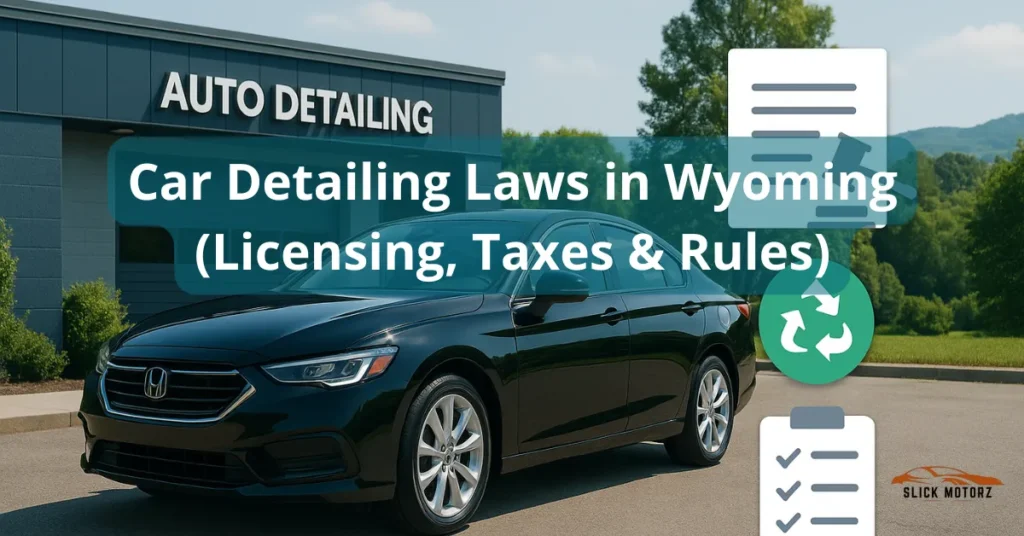
If you’re planning to start or run a car detailing business in Wyoming, knowing the laws that affect your work is crucial. You might wonder what rules you need to follow when washing, waxing, or polishing vehicles.
Are there special permits or taxes involved? What about environmental regulations and where you can operate your business? Understanding these details can save you from costly fines and help your business run smoothly. You’ll discover everything you need to know about car detailing laws in Wyoming—so you can focus on making every car shine without worrying about legal troubles.
Keep reading to make sure your business stays compliant and successful.
Credit: kepler-dealer.com
Wyoming Business Structure
Starting a car detailing business in Wyoming requires choosing the right business structure. The structure affects taxes, liability, and how you run your business.
Wyoming offers several options, but the most common are Limited Liability Company (LLC) and Sole Proprietorship. Each has benefits and challenges. Understanding them helps you make the best choice for your detailing business.
LLC vs. Sole Proprietorship
An LLC separates your personal assets from business debts. It protects your personal property if the business faces legal issues.
A sole proprietorship is easier to set up. It means you and the business are one legal entity. You have full control but also full responsibility.
LLCs have more paperwork and fees than sole proprietorships. However, LLCs can offer better protection and tax options.
Registering Your Business
Wyoming requires all LLCs to register with the Secretary of State. You must choose a unique business name and file Articles of Organization.
Sole proprietors may need to register a trade name, also called a DBA, if they do not use their personal name.
Both structures must get a state business license. You also need to register for state taxes and obtain any local permits.
Licensing Requirements
Starting a car detailing business in Wyoming requires understanding the state’s licensing rules. These rules ensure your business operates legally and meets local standards. Licensing is a key step before offering services to customers.
Business License
Every car detailing business in Wyoming must obtain a business license. This license allows you to legally offer services in your city or county. Requirements vary by location, so check with local government offices. The license shows your business is registered and follows state laws.
Applying for a business license often involves filling out forms and paying fees. Keep the license visible at your place of business. Renew it as required to avoid penalties or closure.
Special Permits For Detailing
Some detailing services need special permits in Wyoming. These permits cover activities like water use, waste disposal, and chemical handling. Detailing can involve chemicals that require safe management to protect the environment.
Check if your business location needs permits for water runoff or chemical storage. Contact state environmental agencies for guidance. Obtaining these permits helps you avoid fines and keeps your business compliant.
Tax Obligations
Understanding tax obligations is crucial for car detailing businesses in Wyoming. These laws affect how you charge customers and report your earnings. Proper compliance avoids penalties and keeps your business running smoothly.
Sales Tax On Detailing Services
Wyoming requires sales tax on all vehicle detailing services. This includes washing, waxing, vacuuming, and polishing. The state tax rate applies to the total service price. Local taxes may also add to the total rate. It is important to collect the correct sales tax from customers at the point of sale.
Reporting And Payment
Detailing businesses must report collected sales tax to the Wyoming Department of Revenue. Reports usually occur monthly or quarterly. Payments must be submitted on time to avoid fines. Keep detailed records of all transactions and taxes collected. Using accounting software can simplify tracking and reporting. Staying organized helps maintain compliance with state laws.
Environmental Regulations
Car detailing in Wyoming must follow strict environmental rules. These rules protect the land and water from pollution. Businesses must manage water use and waste carefully. Complying with these laws avoids penalties and helps keep the environment safe.
Water Usage Restrictions
Wyoming limits the amount of water used in car detailing. Businesses must use water-saving tools and methods. Using too much water can harm local water supplies. Many detailers use low-flow hoses or waterless products. These practices reduce water waste and save money.
Waste Disposal Rules
Proper disposal of waste is critical in Wyoming. Chemicals and dirty water cannot enter storm drains or soil. Detailers must collect and dispose of waste according to state laws. This includes used solvents, oils, and wash water. Following these rules prevents pollution and protects public health.
Epa Compliance
Detailing businesses must meet EPA regulations for air and water quality. The EPA sets standards to control hazardous waste and emissions. Wyoming detailers need to register and report certain activities. Staying compliant avoids fines and legal trouble. It also shows commitment to environmental care.
Operating From Home
Operating a car detailing business from home in Wyoming requires careful attention to local regulations. You must understand the rules to avoid legal trouble and run smoothly. Home-based businesses have unique challenges, especially for car detailing. Space, noise, and waste disposal need proper management. Following the law protects you and your neighbors.
Zoning Laws
Zoning laws control what activities happen in residential areas. Most Wyoming towns limit commercial work at home. Check with your city or county zoning office before starting. Some zones allow home businesses but restrict customer visits or vehicle numbers. Violating zoning laws can lead to fines or shutdowns. Apply for any required permits to stay compliant.
Garage And Canopy Use
Using a garage or canopy helps protect vehicles during detailing. Many Wyoming counties allow detailing inside a garage or under a canopy. This reduces noise and protects cars from weather damage. Outdoor work without cover may face restrictions. Make sure your garage or canopy meets local building codes. Proper use of space keeps your business legal and professional.
Credit: jerry.ai
Mobile Detailing Laws
Mobile detailing in Wyoming offers convenience to customers by bringing services directly to their vehicles. This business model requires adherence to specific state laws. Understanding these laws helps operators run their mobile detailing businesses legally and smoothly.
Wyoming regulates mobile detailing to protect the environment and ensure public safety. Operators must meet equipment standards and follow location rules. These rules prevent water pollution and avoid public nuisance.
Equipment Requirements
Mobile detailers in Wyoming must use equipment that controls water runoff. Water reclamation systems are often required to capture wastewater. These systems prevent soap and chemicals from entering storm drains or soil.
Pressure washers and vacuum cleaners should meet safety standards. Detailing chemicals must be environmentally friendly and approved for use. Carrying a portable water tank is common when water access is limited.
Location Restrictions
Wyoming law limits where mobile detailers can operate. Detailing on public roads or sidewalks is usually prohibited. Operators should avoid blocking traffic or pedestrian pathways during service.
Some cities require permits or licenses for mobile detailing in certain zones. Residential neighborhoods may have noise or time restrictions. Checking local rules before servicing an area prevents fines or complaints.
Safety And Liability
Safety and liability are crucial concerns for car detailing businesses in Wyoming. Protecting customers’ vehicles and limiting your own risks ensures smooth operations. Knowing your responsibilities helps you avoid legal troubles and build trust.
Customer Vehicle Risks
Car detailing involves close contact with vehicles. Damage can happen from scratches, stains, or equipment misuse. Handling vehicles carefully lowers the chance of accidents. Always inspect cars before starting work. Note any existing damage and inform the customer. This practice prevents disputes later. Use proper tools and follow safety guidelines. Train staff to avoid mistakes. Clear communication about risks builds customer confidence.
Insurance Needs
Insurance protects your business from costly claims. Wyoming law does not require specific insurance for detailing. Still, general liability insurance is highly recommended. It covers damages caused by your work or accidents on site. Consider adding garage keeper’s insurance for customer vehicles stored at your location. This coverage pays for damage or theft. Review policies carefully to match your business size and services. Proper insurance reduces financial risks and supports long-term growth.
Essential Equipment
Starting a car detailing business in Wyoming requires the right equipment. Essential tools ensure quality service and legal compliance. Choosing proper supplies and machinery helps protect vehicles and the environment. Understanding which items are necessary is key for every detailer.
Cleaning Supplies
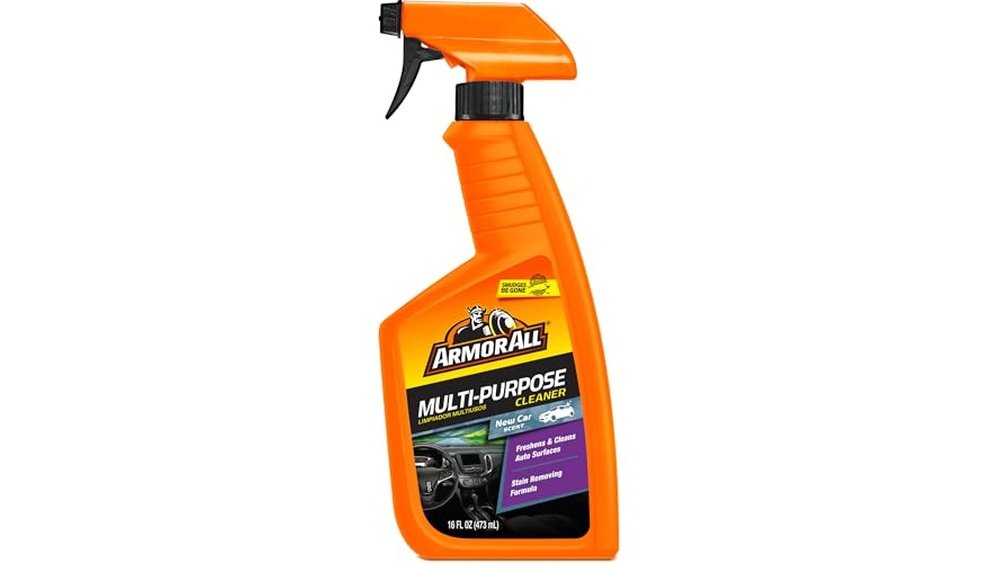
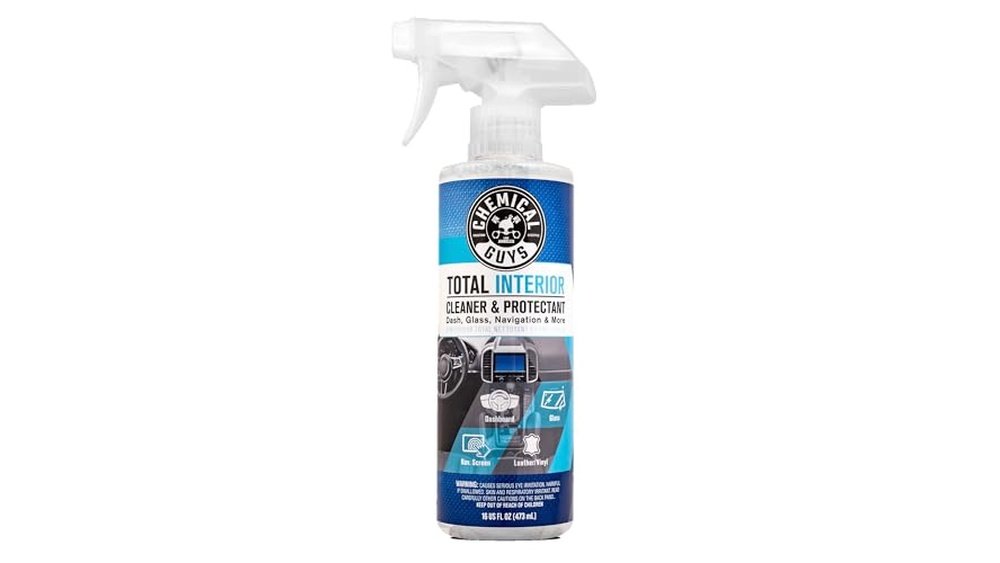
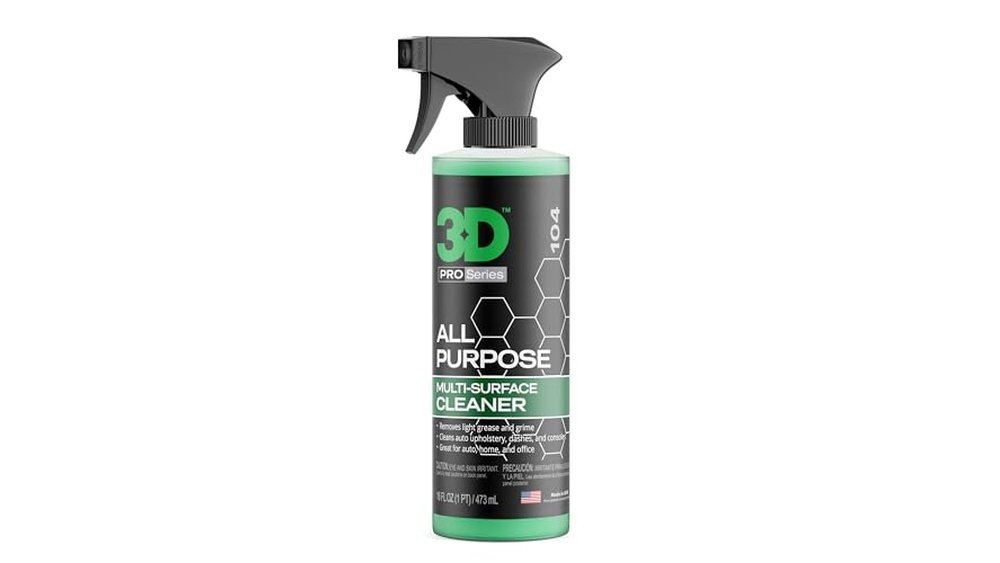
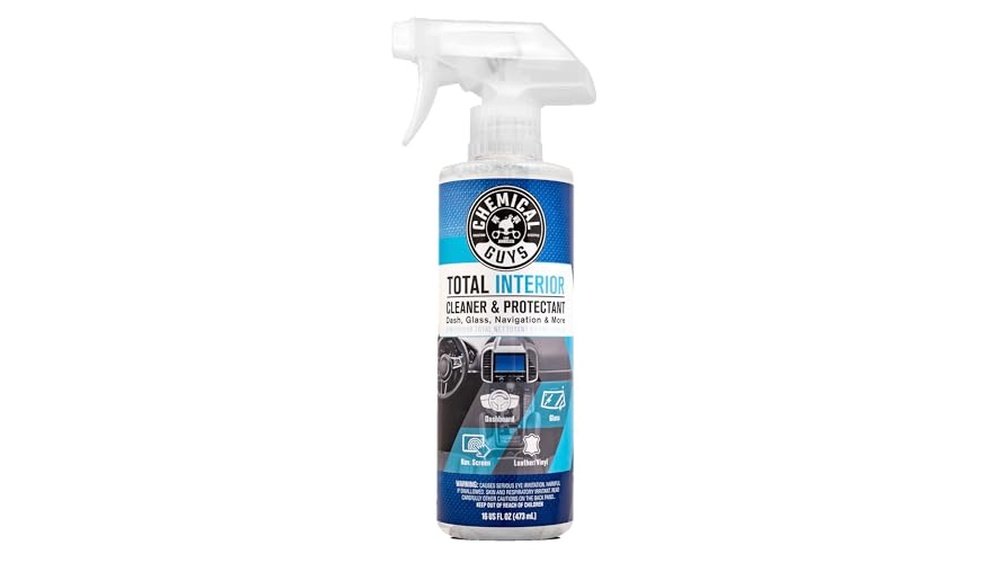
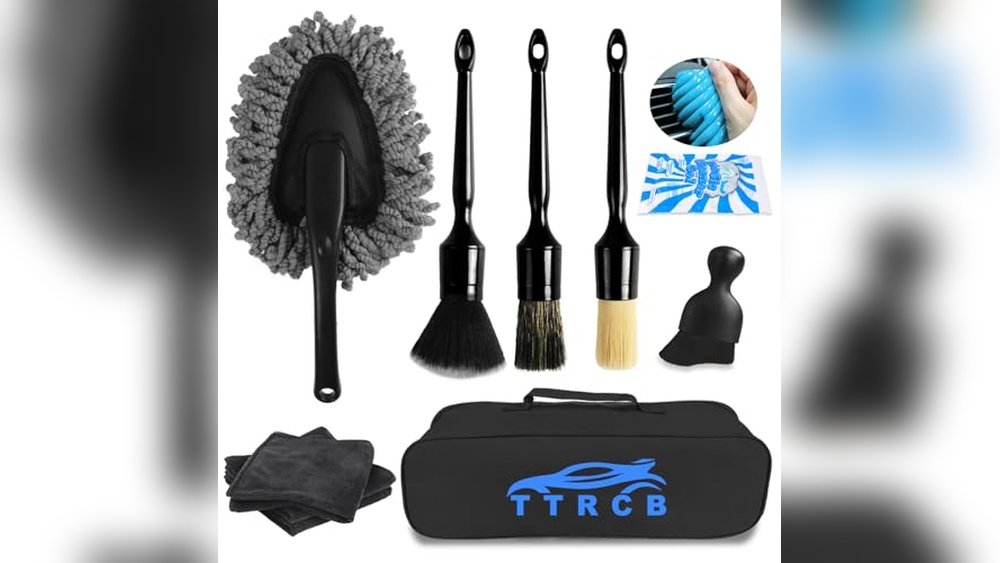
Cleaning supplies are the foundation of car detailing. Use biodegradable soaps to meet Wyoming’s environmental rules. Microfiber towels prevent scratches on car surfaces. Interior cleaners must be safe for different materials. Tire cleaners remove dirt without damaging rubber. Always select products with clear labels and safe ingredients.
Tools And Machinery
Tools and machinery improve efficiency and service quality. A high-pressure washer helps clean vehicles thoroughly. Vacuum cleaners remove dust from seats and carpets. Polishers restore shine to car paint. Steam cleaners sanitize without harsh chemicals. Mobile detailers need water tanks and portable power sources. Choose equipment that follows Wyoming’s regulations on water use and waste disposal.
Daily Operations
Daily operations in Wyoming’s car detailing businesses require careful planning. Running a smooth operation helps comply with local laws and keeps customers satisfied. Understanding limits and managing time are key to success.
Car Capacity Limits
Wyoming law does not set strict car capacity limits for detailing businesses. Still, most shops limit the number of cars they handle daily. This helps maintain quality and meet safety standards. Overloading your workspace can lead to accidents and poor results. Check local zoning rules that may restrict how many vehicles you can store or detail at one time.
Scheduling And Time Management
Effective scheduling is vital for daily detailing operations. Allocate enough time for each car to ensure thorough cleaning and polishing. Avoid rushing jobs to meet demand. Use booking systems to organize appointments and reduce wait times. Proper time management improves customer trust and helps meet Wyoming’s business regulations.

Credit: mcdonaldfarmsinc.com
Frequently Asked Questions
Do I Need An Llc To Detail Cars?
You do not need an LLC to detail cars. You can operate as a sole proprietor, LLC, or corporation. An LLC offers liability protection, but it is not required. Choose the structure that suits your business goals and legal needs.
Can I Run A Car Detailing Business From Home?
Yes, you can run a car detailing business from home if you have a suitable garage or carport. Ensure local regulations allow it. Use a temporary canopy if needed. Prepare your workspace to protect vehicles and comply with zoning and environmental laws.
What Do You Need For A Car Detail Business?
You need cleaning supplies, equipment like pressure washers and vacuums, a workspace, a business license, and a marketing plan to start a car detail business.
How Many Cars Can You Detail A Day?
A professional car detailer can detail 4 to 6 cars per day, depending on service complexity and time spent per vehicle.
Conclusion
Understanding Wyoming’s car detailing laws protects your business and customers. Follow state rules on licensing, taxes, and environmental guidelines. Keep your workspace safe and legal to avoid fines. Stay updated on any law changes to run smoothly. Proper knowledge helps you build trust and grow your detailing service.
Respect local regulations and serve your clients with care. Success comes from combining skill with compliance.