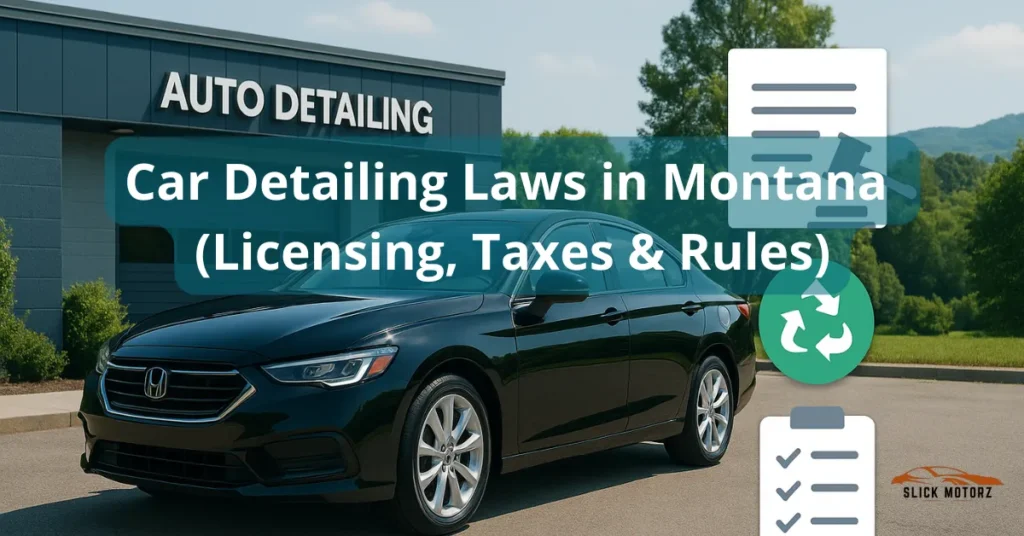
If you’re thinking about starting a car detailing business or just want to keep your vehicle looking its best in Montana, understanding the local laws is crucial. You might wonder—do you need special licenses?
Are there environmental rules you must follow? What about registering your business or handling chemicals safely? Ignoring these details can lead to fines or even shut down your operation. This guide breaks down everything you need to know about car detailing laws in Montana, so you can protect your investment and stay fully compliant.
Keep reading to discover the key rules and tips that will keep your car—and your business—running smoothly.
Credit: www.walmart.com
Business Licensing
Starting a car detailing business in Montana requires proper business licensing. Licensing ensures your business follows state and local laws. It protects you and your customers. Understanding the licensing process helps you avoid fines and legal issues.
State And Local Requirements
Montana does not require a federal license for car detailing. You must check state and local rules. Some cities or counties may need a business license. Contact your local city hall or county office for details. You may also need a sales tax permit if you sell products.
Choosing A Business Structure
Pick a business structure that fits your needs. Common types include sole proprietorship, partnership, or limited liability company (LLC). An LLC offers personal liability protection. Sole proprietorships are simpler but risk personal assets. Choose based on your risk and tax preferences.
Registering Your Detailing Business
Register your business name with the Montana Secretary of State. This step is required for LLCs and partnerships. Sole proprietors may use their legal name or file a trade name. You will also need to register for state taxes. Completing these steps keeps your business legal and compliant.
Credit: dragracingwheels.com
Montana Llc Loophole
The Montana LLC loophole is a popular strategy among car owners and detailers. It allows registering vehicles in Montana through a Limited Liability Company (LLC) to avoid paying sales tax. Many use this to save money on high-end or luxury vehicles. This method has legal and financial impacts for car detailers operating in Montana.
Understanding this loophole is important for detailers to navigate state laws and taxes properly. It also helps them manage risks related to vehicle registrations and business compliance.
How The Loophole Works
Car owners create an LLC in Montana, even if they live elsewhere. The vehicle is registered under the LLC’s name. Montana does not charge sales tax on vehicle registration. This saves money compared to other states with higher taxes. The process is fast and low-cost. This loophole attracts many looking to reduce tax expenses legally.
Tax Implications For Detailers
Detailers working with Montana LLC-registered vehicles face unique tax rules. Sales tax might not apply to some services. However, income earned by the LLC still requires proper reporting. Detailers must track transactions carefully. Failure to do so can cause tax problems. Understanding tax laws helps detailers avoid surprises during audits.
Legal Risks And Considerations
Using the Montana LLC loophole carries legal risks. Some states challenge out-of-state vehicle registrations. Authorities may impose fines or penalties. Detailers should check local laws before servicing these vehicles. Proper documentation is essential to prove compliance. Ignoring rules can lead to costly legal issues.
Vehicle Modification Rules
Vehicle modification rules in Montana regulate changes made to cars. These rules ensure safety and compliance with state laws. Modifications can affect how a vehicle performs and looks. Understanding what is allowed helps car owners avoid legal trouble. It also guides professionals in the car detailing industry.
Allowed Modifications
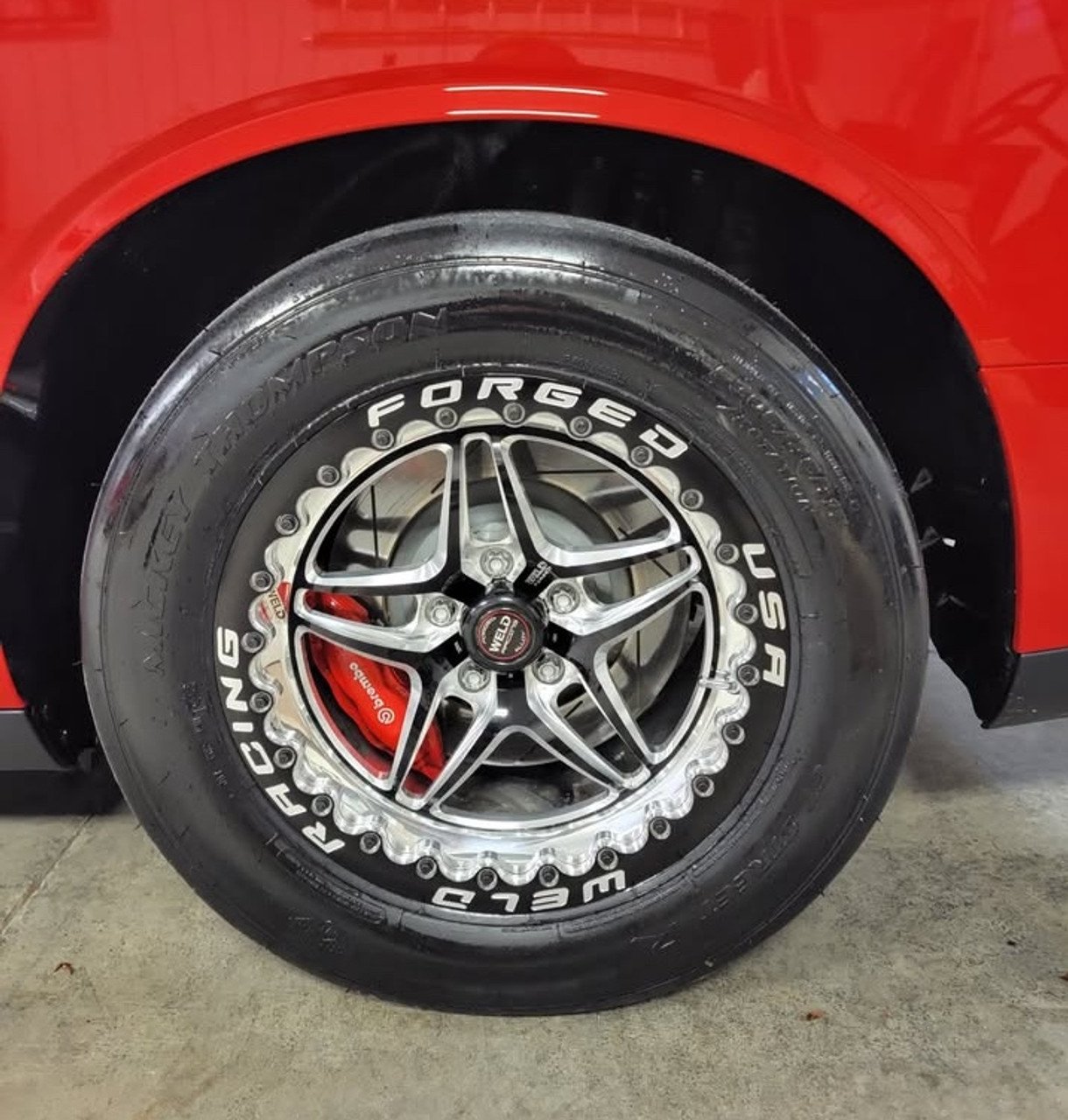
Montana permits many common vehicle modifications. Owners can change tires, wheels, and exhaust systems. Installing aftermarket lights and tinting windows within limits is allowed. Suspension lifts or drops must meet safety standards. Engine upgrades are legal if they do not increase emissions illegally. Modifications must keep the vehicle roadworthy and safe.
Restrictions And Penalties
Certain modifications are banned in Montana. Illegal window tints, loud exhausts, and overly bright lights are restricted. Removing or disabling safety features like airbags is prohibited. Violating these rules can lead to fines or citations. Law enforcement may require reversing illegal changes. Serious offenses might result in vehicle impoundment or other penalties.
Impact On Detailing Services
Detailers must know vehicle modification laws to work properly. Some modifications require special cleaning methods or products. Detailing a lifted truck differs from detailing a standard car. Illegal modifications can cause liability issues for detailers. Knowledge of laws helps detailers advise clients correctly. Staying updated on rules protects the business and customers.
Credit: dragracingwheels.com
Windshield And Glass Laws
Montana has clear laws about windshield and glass conditions in vehicles. These rules protect drivers and passengers by ensuring good visibility and safe glass maintenance. Car detailers must know these laws to keep vehicles compliant and safe on the road.
Visibility Requirements
Windshields must be free of cracks or chips that block the driver’s view. Any damage in the direct line of sight is illegal. Glass must allow clear vision to avoid accidents. Montana law requires drivers to maintain unobstructed windshields at all times.
Repair And Replacement Regulations
Damaged windshields must be repaired or replaced promptly. Small chips away from the driver’s sight may be fixed without full replacement. Large cracks or breaks require new glass installation. Only certified glass should be used to meet safety standards.
Safety Standards For Detailers
Detailers must handle glass carefully to avoid damage during cleaning or repair. They must follow safety guidelines to protect themselves and vehicle owners. Using proper tools and materials ensures glass remains intact and clear. Compliance with Montana regulations keeps customers safe and satisfied.
Environmental Regulations
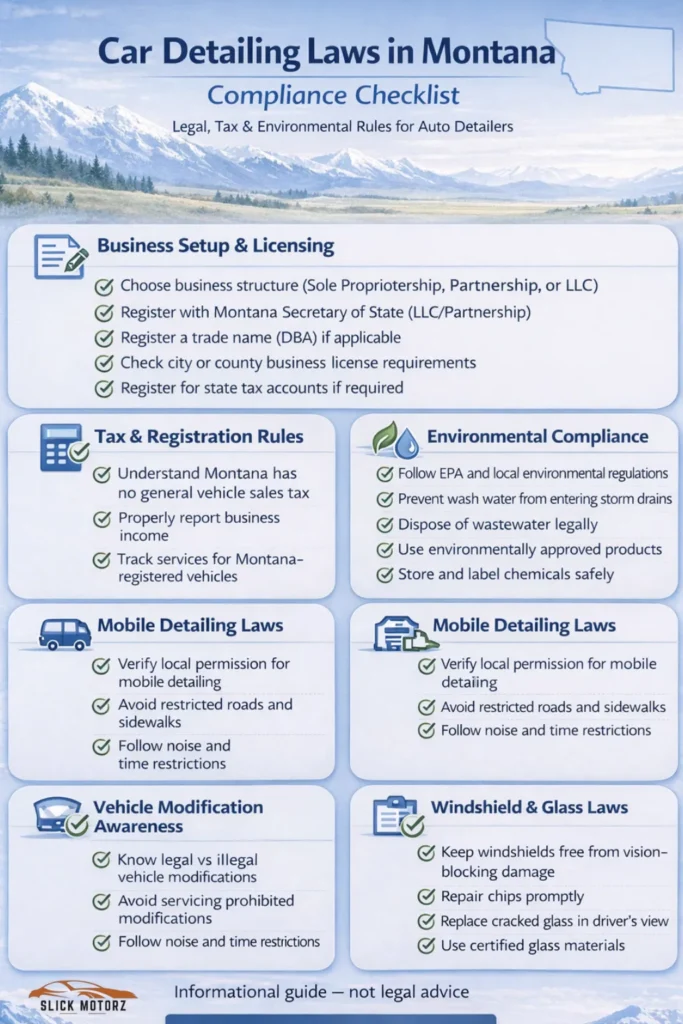
Car detailing businesses in Montana must follow strict environmental rules. These laws protect nature and public health. Understanding these regulations helps detailers avoid fines and work safely.
Environmental laws focus on controlling pollution, managing water use, and handling chemicals properly. Every detailer must know and respect these rules. This section explains key regulations in Montana.
Local Epa Restrictions
The Environmental Protection Agency (EPA) sets limits on pollution in Montana. Local offices enforce these rules on car detailing businesses. Detailers cannot release harmful substances into the air, soil, or water.
EPA rules also regulate the use of certain cleaning products. Some chemicals are banned or limited. Following EPA restrictions keeps the environment clean and workers safe.
Water Usage And Waste Disposal
Water use is carefully controlled in Montana. Car detailers must avoid wasting water during washing. Some areas require special permits for water use.
Wastewater from car washes contains dirt, oils, and chemicals. This water cannot go directly into storm drains or natural waters. Proper disposal methods must be used to treat or recycle this water safely.
Handling Chemicals Safely
Car detailers use many chemicals, such as solvents and detergents. Montana law demands safe storage and use of these products. This prevents spills and accidents.
Employees should wear protective gear and follow safety instructions. Proper labeling and disposal of chemical containers are required by law. Handling chemicals safely protects workers and the environment.
Tax And Registration Rules
Understanding tax and registration rules is essential for anyone involved in car detailing in Montana. These rules affect how vehicles are taxed and registered, which can impact your business operations or personal ownership. Staying informed helps you avoid penalties and ensures smooth vehicle transactions.
Vehicle Sales Tax
Montana does not charge a general vehicle sales tax. This is unique compared to many states. Buyers pay no sales tax when purchasing a vehicle in Montana.
Many use this advantage to register luxury or expensive cars here. This practice is often called the “Montana LLC loophole.” It allows owners to save on sales tax by creating an LLC in Montana.
Be aware that some states may challenge this setup. It can lead to legal issues if you register a car in Montana but live elsewhere.
Registration Procedures
Vehicle registration in Montana requires proof of ownership. This includes a title or bill of sale. You must also provide identification and pay a registration fee.
Registration is done at local county treasurer offices. The fees vary depending on vehicle type and weight. Montana issues license plates after registration is complete.
Registration must be renewed every year. Keep your registration current to avoid fines or vehicle impoundment.
Compliance For Mobile Detailers
Mobile detailers must follow Montana’s business and vehicle regulations. A business license may be needed depending on your location. Check local county rules for specific requirements.
Mobile detailers using company vehicles must register those vehicles properly. Insurance and safety inspections may also be required. Maintaining compliance avoids fines and keeps your business running smoothly.
Legal Documentation
Legal documentation plays a key role in running a car detailing business in Montana. It protects both the business owner and the customer. Clear documents help avoid misunderstandings and legal troubles. Proper paperwork supports trust and professionalism. Each document serves a specific purpose in your business operations.
Contracts And Agreements
Contracts set clear terms between you and your customers. They explain the services, prices, and timelines. Written agreements reduce disputes over what was promised. Montana law favors businesses with signed contracts. A simple, clear contract is better than none.
Include all important details in your contract. State the scope of work and payment terms. Mention any cancellation or refund policies. This helps protect your business from unexpected claims.
Liability Waivers
Liability waivers limit your responsibility for damages or losses. They inform customers about risks linked to car detailing. Montana courts often uphold well-drafted waivers. Make sure customers sign them before starting work.
Use easy language in the waiver form. Avoid legal jargon that confuses customers. Explain what risks you do not cover. This protects your business from costly lawsuits.
Record Keeping Tips
Keep detailed records of all contracts and waivers. Store copies digitally and physically for safety. Montana law may require retaining records for several years. Good record-keeping supports your case in disputes.
Track each job’s details, payments, and customer info. Use simple filing systems for quick access. Regularly back up digital files to prevent loss. Organized records improve your business management and legal safety.
Frequently Asked Questions
Do You Need An Llc For Auto Detailing?
You don’t need an LLC to start an auto detailing business. Choose a business structure and register locally. An LLC offers liability protection and tax benefits.
What Is The Vehicle Tax Loophole In Montana?
The Montana vehicle tax loophole allows registering luxury cars through a Montana LLC. This avoids paying sales tax. The process is quick and inexpensive.
What Are The Car Modification Laws In Montana?
Montana allows vehicle modifications if they meet safety and emissions standards. Headlights, exhaust, and window tinting must comply with state laws. Illegal alterations include excessively loud exhausts or obstructed windshields. Always check local regulations before modifying your car to avoid fines or registration issues.
What Is The Law For Windshield Replacement In Montana?
Montana law requires windshields to remain clear and free from chips or cracks in the driver’s line of sight. Windshield damage obstructing vision must be repaired or replaced for safety compliance.
Conclusion
Understanding Montana’s car detailing laws helps you stay safe and legal. Follow state and local rules carefully to avoid fines. Proper licensing and environmental compliance protect your business and customers. Keep your vehicles clean while respecting Montana’s regulations. Staying informed ensures smooth and lawful detailing operations.