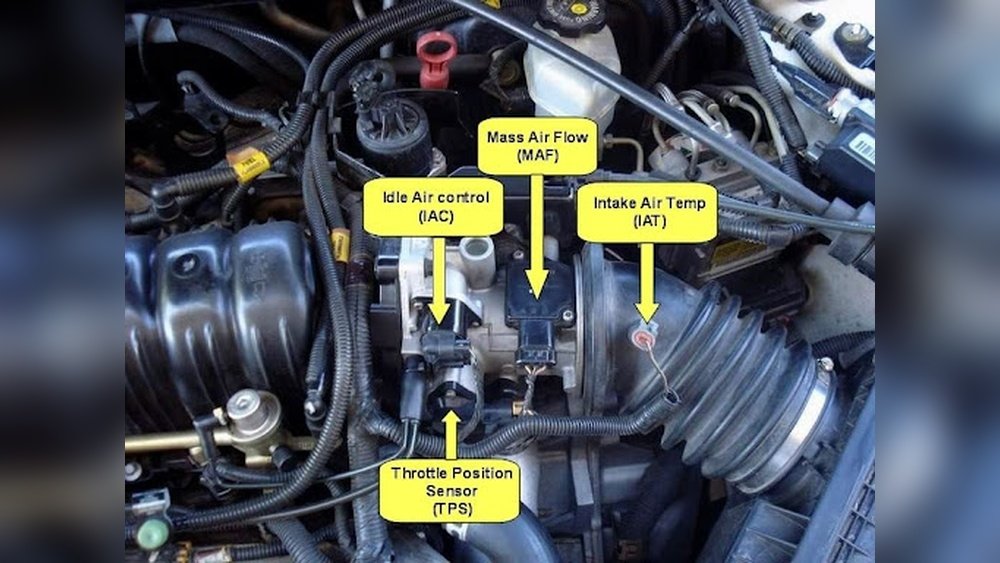
Can you really drive with a bad mass air flow (MAF) sensor? If you’ve noticed your car stalling, struggling to accelerate, or your fuel gauge dipping faster than usual, the MAF sensor might be the culprit.
This small but crucial part measures the air entering your engine and helps balance the fuel mix for smooth performance. Ignoring a faulty MAF sensor isn’t just about rough rides—it can cause serious damage to your engine and expensive repairs down the line.
You’ll discover what happens when your MAF sensor fails, how risky it is to keep driving, and what steps you should take to protect your car and your wallet. Keep reading to find out why fixing this sensor sooner rather than later is smarter than risking a breakdown on the road.
Credit: www.carparts.com
Role Of Mass Air Flow Sensor
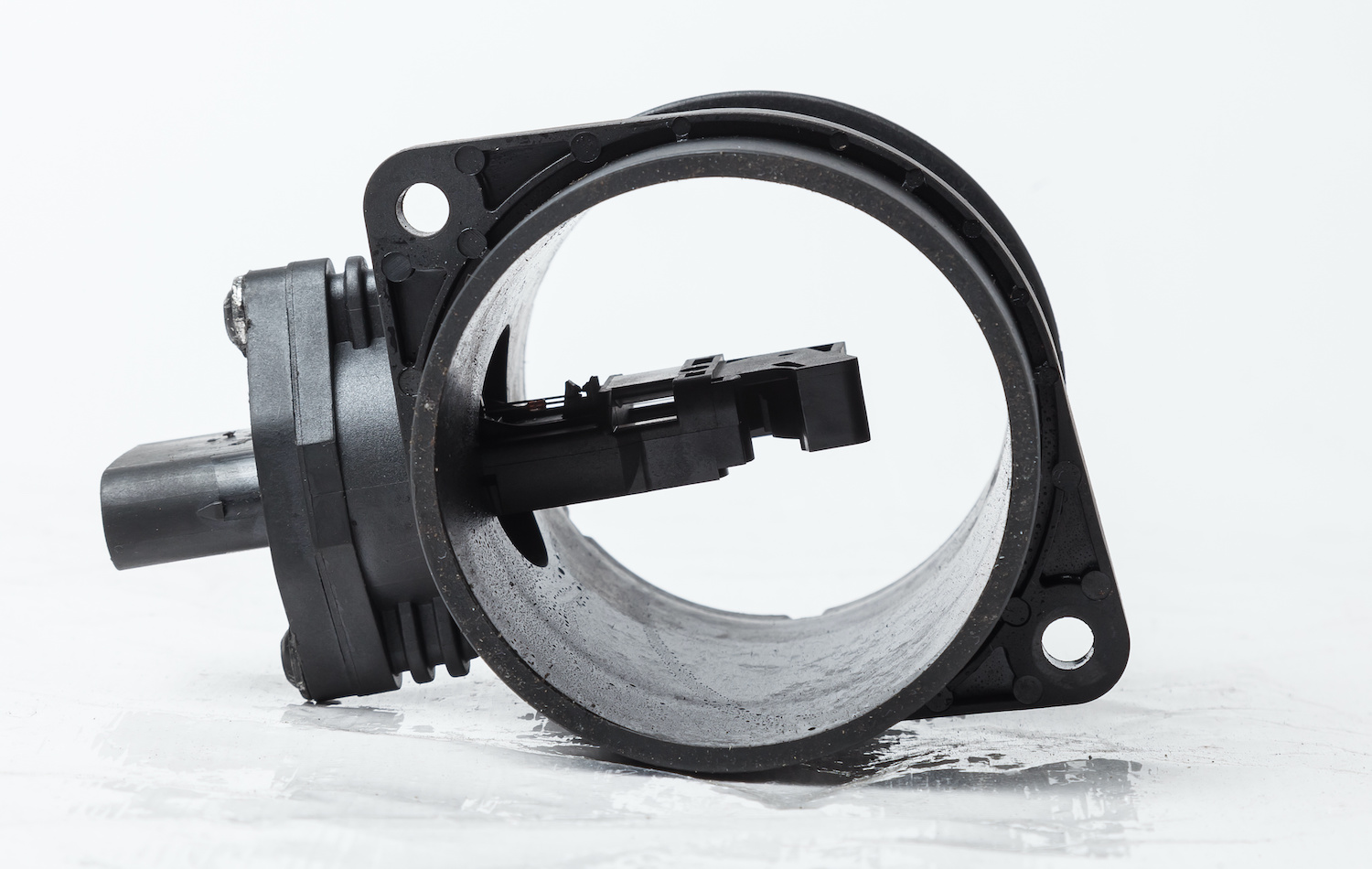
The Mass Air Flow (MAF) sensor plays a key role in your car’s engine system. It measures the amount of air entering the engine. This data helps the engine control unit (ECU) balance air and fuel.
A properly working MAF sensor keeps the engine running smoothly. It improves fuel efficiency and lowers emissions. When the sensor fails, the engine may run poorly or stall.
How It Measures Air Intake
The MAF sensor uses a small wire or film heated by electric current. As air flows past, it cools the wire. The sensor measures this cooling effect. This data shows how much air enters the engine.
The sensor sends this information to the ECU. The ECU adjusts fuel delivery based on the air volume. Accurate air measurement is crucial for engine performance.
Impact On Fuel Injection
The MAF sensor directly affects fuel injection timing and amount. The ECU uses air data to calculate the right fuel amount. Too much or too little fuel causes engine problems.
A bad MAF sensor sends wrong air readings. The ECU may add too much fuel, causing poor fuel economy. Or it may add too little, leading to rough idling or stalling.
Fuel injection depends on the MAF sensor for balance. A failing sensor disrupts this balance and affects engine health.
Signs Of A Bad Sensor
A bad Mass Air Flow (MAF) sensor affects your car’s engine performance. Recognizing the signs early can prevent further damage. These signs indicate that the sensor may not be working properly.
Engine Stalling And Rough Idle
The engine may stall unexpectedly while driving. You might notice the engine idles roughly or vibrates more than usual. This happens because the sensor sends incorrect air flow data. The engine struggles to maintain smooth operation.
Poor Acceleration And Power Loss
Your car may feel slow to accelerate. It might lose power when you press the gas pedal. This happens because the engine is not getting the right fuel mix. A bad MAF sensor causes the engine to run inefficiently.
Check Engine Light Activation
The check engine light on your dashboard may turn on. This light often signals sensor problems. The car’s computer detects unusual air flow readings. It triggers the warning to alert you to a possible issue.
Reduced Fuel Efficiency
A bad MAF sensor can make your car use more fuel. You will notice you need to fill the tank more often. Wrong air-fuel ratios cause the engine to burn fuel inefficiently. This leads to higher fuel costs and more emissions.
Risks Of Driving With A Faulty Sensor
Driving with a faulty mass air flow (MAF) sensor carries several risks. This sensor measures the air entering the engine. A bad sensor causes incorrect data to reach the car’s computer. This leads to poor engine performance and potential damage. Understanding these risks helps you make safer choices on the road.
Fuel And Air Imbalance Effects
A faulty MAF sensor disrupts the fuel and air balance in the engine. The engine may run too rich or too lean. This causes rough idling, stalling, and poor acceleration. Fuel efficiency drops, wasting money at the pump. The engine struggles to run smoothly, affecting drivability and safety.
Damage To Catalytic Converter
Incorrect air-fuel mixtures can harm the catalytic converter. Too much fuel creates excess emissions that overheat the converter. Over time, this causes cracks or blockages. Replacing a catalytic converter is costly and time-consuming. Protecting this part helps maintain your vehicle’s emission controls and overall health.
Increased Emissions And Engine Wear
A bad MAF sensor increases harmful exhaust emissions. This can cause your vehicle to fail emissions tests. Pollutants harm the environment and may lead to fines. Poor combustion also causes engine wear. Dirt and unburnt fuel damage engine components, reducing engine life and reliability.
Potential For Limp Mode Activation
The car’s computer may enter limp mode due to sensor errors. Limp mode limits engine power to prevent damage. Driving becomes slow and difficult, especially on highways. This mode protects the engine but can leave you stranded. Repairing the MAF sensor prevents limp mode and restores normal driving.
Credit: www.youtube.com
Urgency Levels For Repair
Understanding the urgency levels for repairing a bad Mass Air Flow (MAF) sensor helps you decide when to seek service. The MAF sensor controls the air-fuel mix, which is vital for engine performance. Ignoring problems can lead to bigger issues and higher repair costs. Some symptoms require immediate attention, while others allow for a short delay. Knowing the signs keeps your vehicle safe and running smoothly.
High Urgency Situations
Frequent stalling or the engine not starting shows a high urgency problem. Your car might enter “limp mode,” reducing power to protect itself. Driving in limp mode is risky and can leave you stranded. Immediate repair is necessary to avoid engine damage and safety risks. These symptoms mean the MAF sensor is failing badly and must be fixed now.
Moderate Urgency Signs
Poor acceleration and rough idling are moderate urgency signs. These issues affect your driving comfort and fuel economy. You can still drive, but performance will suffer. Delaying repair may cause more damage to the engine or catalytic converter. Schedule a service soon to prevent further problems and restore proper function.
When Immediate Attention Is Needed
If your check engine light flashes or the car stalls while driving, seek immediate help. These are clear warnings of serious engine trouble. A bad MAF sensor can cause unsafe driving conditions. Ignoring these signs can lead to costly repairs and dangerous situations. Stop driving and get your vehicle inspected right away to protect yourself and others on the road.
Temporary Fixes And Maintenance
Temporary fixes and regular maintenance can help manage a bad mass air flow (MAF) sensor. These steps might improve engine performance and allow driving until a full repair is possible. Taking care of the sensor can prevent further damage and costly repairs.
Cleaning The Sensor
Cleaning the MAF sensor is often the first step to fix issues. Dirt and debris can block the sensor, causing incorrect readings. A clean sensor helps the engine get accurate air flow data. This can improve fuel efficiency and reduce rough idling.
Common Cleaning Methods
Use a special MAF sensor cleaner spray for best results. First, disconnect the sensor from the wiring harness. Remove the sensor carefully from the air intake system. Spray the cleaner on the sensor’s wire or plate without touching it. Let it dry completely before reinstalling. Avoid using harsh chemicals or physical scrubbing to prevent damage.
When Cleaning Is Not Enough
If cleaning does not fix the problem, the sensor might be faulty or damaged. Driving with a bad MAF sensor can cause poor engine performance and higher fuel consumption. It may also trigger the check engine light. In this case, replacing the sensor is the best solution. A new sensor restores proper air flow measurement and engine function.
Sensor Replacement
Replacing a faulty Mass Air Flow (MAF) sensor is essential for your vehicle’s health. The sensor measures air entering the engine and helps control fuel delivery. A bad sensor causes poor engine performance and lower fuel efficiency. Timely replacement restores proper engine function and prevents further damage.
Choosing The Right Replacement Part
Select a MAF sensor that fits your car model exactly. OEM (Original Equipment Manufacturer) parts ensure quality and compatibility. Aftermarket options may cost less but vary in reliability. Check reviews and warranty before buying any sensor. Using the correct sensor avoids installation problems and ensures accurate readings.
Cost And Labor Considerations
The price of a MAF sensor varies by brand and vehicle type. Labor costs depend on the mechanic and repair shop location. Replacing the sensor usually takes less than an hour. Some vehicles have easy access, reducing labor time and cost. Always ask for a detailed estimate before starting work.
Benefits Of Timely Replacement
Replacing the MAF sensor quickly improves engine performance and fuel economy. It prevents stalling, rough idling, and poor acceleration. A good sensor helps avoid damage to the catalytic converter. Timely replacement saves money on expensive repairs later. Your car runs smoother and more efficiently after the fix.
Preventive Tips
Keeping your mass air flow (MAF) sensor in good shape helps your car run smoothly. Preventive care stops problems before they start. This section shares simple tips to protect your MAF sensor.
Following these tips lowers the risk of sensor failure. It also saves you money on repairs and fuel.
Regular Sensor Inspections
Check the MAF sensor regularly for dirt and damage. Use a soft brush or cloth to clean it gently. Avoid harsh chemicals that can harm the sensor. Regular checks catch issues early, keeping your car’s engine healthy.
Avoiding Contamination
Keep the sensor away from oil, dust, and water. Do not touch the sensor’s wires or mesh with bare hands. Contaminants can cause wrong air readings, leading to engine problems. Drive carefully on dusty roads to reduce contamination risks.
Using Quality Air Filters
Install good air filters to protect the MAF sensor. Cheap filters let dirt pass through and clog the sensor. Change air filters as recommended by your car’s maker. Clean filters improve air flow and help the sensor work correctly.

Credit: www.autozone.com
Conclusion
Driving with a bad mass air flow sensor is possible but risky. Your car may stall or lose power unexpectedly. Fuel efficiency will drop, wasting money on gas. Engine damage and costly repairs can follow if ignored. Fixing the sensor quickly keeps your car running smoothly.
Don’t wait until problems get worse or unsafe. A healthy sensor means better performance and fewer headaches. Take care of your vehicle to avoid bigger troubles down the road.