
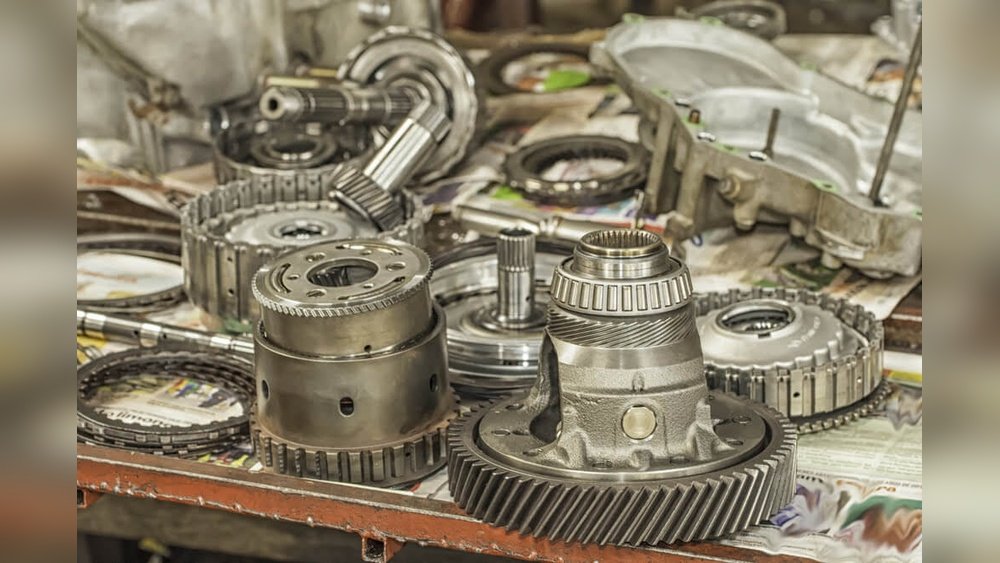
If you’ve just had your transmission rebuilt, you’re probably wondering what comes next. How will your car feel?
What should you watch out for? And how can you make sure your transmission lasts as long as possible? Knowing what to expect after a transmission rebuild can save you time, money, and stress. You’ll discover the key signs of a successful rebuild, the best driving habits to protect your transmission, and simple maintenance tips that keep your vehicle running smoothly.
Keep reading to take control of your car’s health and enjoy a smoother, more reliable ride.

Credit: www.mistertransmission.com
Transmission Break-in Period
The transmission break-in period is crucial after a rebuild. This phase allows new parts to settle and work together smoothly. Proper care during this time helps extend the life of your transmission. It also ensures better performance and fewer problems later.
During the break-in, the transmission components experience slight wear that helps them fit perfectly. Driving habits can affect how well this process goes. Taking it slow and steady is the best way to protect your investment.
Gentle Driving Tips
Drive gently for at least the first 500 miles after a rebuild. Avoid sudden starts and hard stops. Keep speeds moderate and steady. Do not tow heavy loads or push the engine too hard. This reduces stress on the new parts. Use smooth acceleration and braking to let the transmission adjust.
Signs Of Proper Break-in
Listen for smooth shifting without delays or slipping. No strange noises should come from the transmission. The fluid should stay clean and at the right level. Shifts feel firm but not harsh. These signs show the parts are settling correctly. If problems appear, get a mechanic to check it soon.
Computer Adjustment In Automatics
Modern automatic transmissions have computers that learn driving habits. After a rebuild, the computer resets and relearns shift points. Drive normally but gently to help this process. The transmission may shift differently at first. As the computer adapts, shifting will improve. Avoid aggressive driving that confuses the system.
Common Post-rebuild Symptoms
After a transmission rebuild, your vehicle will show some new behaviors. Knowing what symptoms are common helps you avoid unnecessary worry. Some signs are normal and expected. Others may point to issues that need attention.
Normal Vs Concerning Noises
Hearing sounds from the transmission after a rebuild is normal at first. You might notice slight humming or clicking as parts settle. These noises usually fade after a few hundred miles.
Loud clunks, grinding, or banging sounds are concerning. They may mean parts are loose or damaged. Such noises call for a professional inspection right away.
Shift Quality Changes
Shift feel may change after a rebuild. Some stiffness or slight delays in shifting can happen early on. This occurs while fluid circulates and parts bed in.
Harsh, slipping, or erratic shifts are warning signs. These problems could mean improper assembly or faulty parts. Address these issues quickly to avoid further damage.
Fluid Smell And Color
Transmission fluid color and smell tell a lot. After a rebuild, fluid should be clear or light red. It may look slightly darker at first due to new seals and parts.
A burnt smell or very dark fluid signals overheating or contamination. Check fluid levels often and change fluid if needed. Clean fluid keeps your transmission running smoothly.
Maintenance After Rebuild
After a transmission rebuild, proper maintenance is key to keep it running smoothly. This stage ensures your transmission lasts longer and performs at its best. Simple care steps help avoid costly repairs later.
Transmission Fluid Checks
Check your transmission fluid regularly. Low or dirty fluid can cause damage fast. Look for fluid color and level every few weeks. Clear red fluid is healthy. Dark or burnt fluid means change it soon. Proper fluid keeps parts moving without friction.
Filter Replacement Schedule
Replace the transmission filter as the rebuild shop recommends. Filters catch dirt and metal bits that can harm the transmission. A clogged filter reduces fluid flow and causes overheating. Follow the replacement schedule to keep fluid clean and parts safe.
Importance Of Regular Servicing
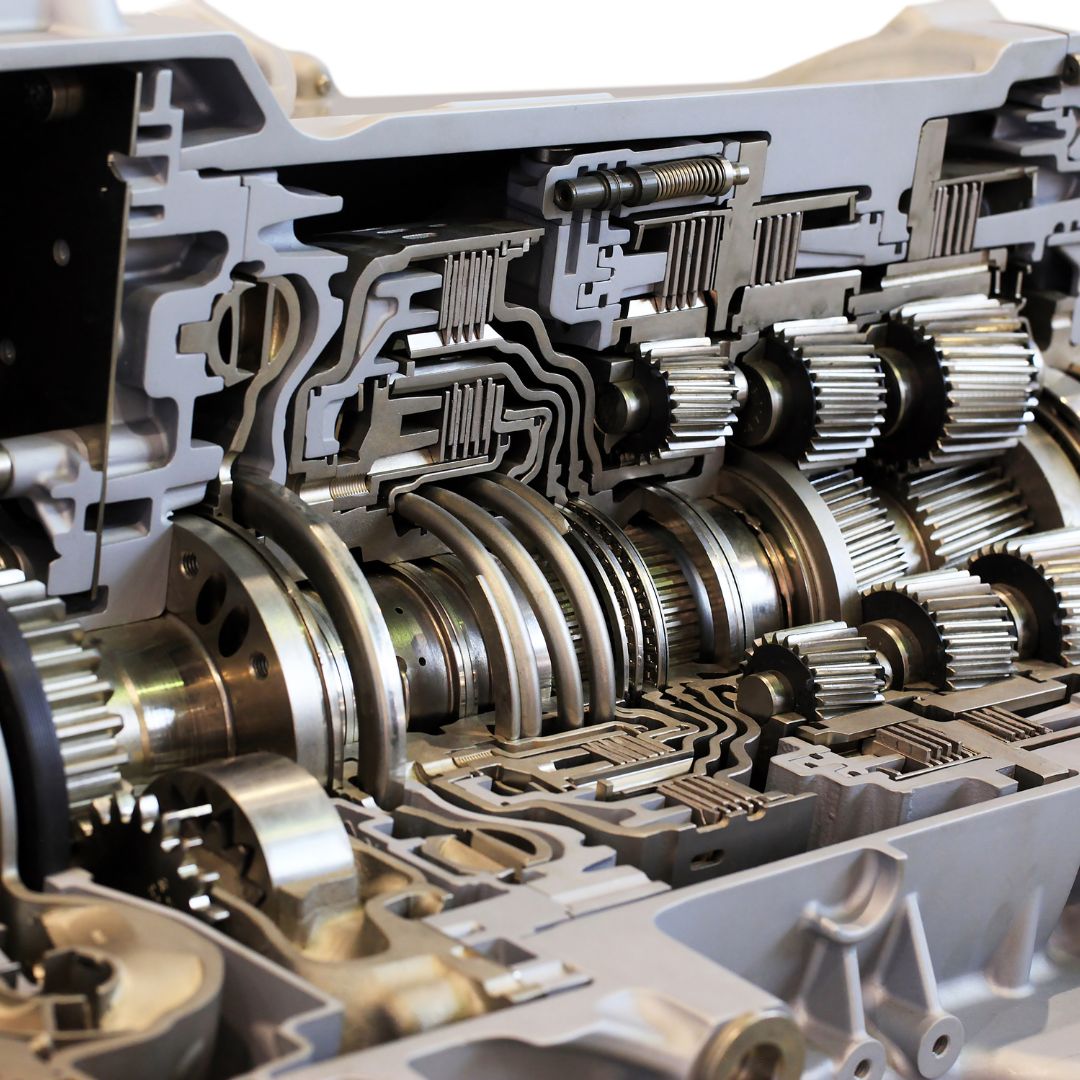
Regular servicing after a rebuild keeps the transmission in top shape. This includes fluid changes, inspections, and adjustments. Service your vehicle on time to prevent small issues from growing. A well-serviced transmission runs cooler and shifts smoothly.
Credit: www.ralphstransmission.com
Driving Habits To Extend Lifespan
Good driving habits play a key role in extending the lifespan of a rebuilt transmission. Gentle and mindful driving helps reduce wear and tear on new parts. This section covers simple ways to protect your transmission through everyday driving practices.
Avoiding Harsh Acceleration
Harsh acceleration puts stress on transmission parts. Sudden speed changes cause extra heat and friction inside the system. Pressing the gas pedal gently helps the transmission shift smoothly. Smooth starts prevent damage to gears and clutches. Take time to accelerate, especially right after a rebuild.
Managing Load And Towing
Heavy loads and towing increase pressure on the transmission. Carrying weight beyond your vehicle’s limit can cause overheating and premature wear. Use towing equipment designed for your vehicle. Drive slower and avoid stop-and-go traffic when towing. Reducing load helps keep transmission parts cool and functioning well.
Handling Hills And Extreme Conditions
Driving on hills or in extreme weather can challenge the transmission. Use lower gears on steep inclines to reduce strain. Avoid riding the brakes downhill to prevent overheating. In hot weather, keep an eye on transmission temperature. Cold weather requires gentle starts to protect fluid flow. Adjust driving to match road and weather conditions.
Troubleshooting Early Issues
After a transmission rebuild, some early issues might appear. Knowing how to spot and handle them helps protect your investment. Acting fast can prevent bigger problems down the road. This section covers common signs and when to seek help.
Identifying Leaks And Fluid Loss
Check under your vehicle for any fluid puddles. Transmission fluid is usually red or pink. Dark or burnt-smelling fluid signals trouble. Low fluid levels cause slipping and overheating. Inspect the seals and gaskets for damage. Catch leaks early to avoid costly repairs.
Detecting Slipping Or Delayed Shifts
Slipping happens when the transmission shifts late or not at all. You may notice a sudden change in engine sound or speed. Delayed shifts feel like hesitation between gears. These symptoms often mean fluid issues or internal problems. Monitor how your transmission responds during driving.
When To Visit A Mechanic
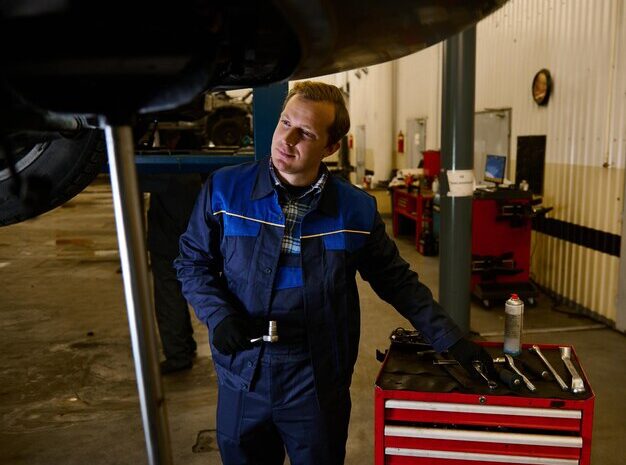
Persistent leaks or slipping need professional attention. Strange noises or burning smells also require a mechanic’s check. Early diagnosis can save money and extend transmission life. Choose a trusted shop with transmission rebuild experience. Don’t wait for the issue to worsen.
Choosing Quality Rebuild Services
Choosing quality rebuild services is key to a reliable transmission. The right service can extend your transmission’s life and improve performance. Pay close attention to parts, technician skill, and warranty. These factors influence your rebuild’s success and your vehicle’s future.
Oem Parts Vs Aftermarket
OEM parts come directly from the vehicle manufacturer. They match the original parts perfectly. Aftermarket parts may be less expensive but vary in quality. Using OEM parts ensures better fit and durability. Aftermarket parts might save money upfront but risk quicker wear. Choose parts that meet or exceed original standards.
Technician Experience
Skilled technicians rebuild transmissions with care and precision. Experience matters more than speed. A knowledgeable mechanic can spot hidden issues early. They follow strict procedures to avoid errors. Poor workmanship leads to early failures and extra costs. Trust a technician with proven transmission rebuild experience.
Warranty And Guarantees
A solid warranty protects your investment after the rebuild. Look for clear terms covering parts and labor. Longer warranties show confidence in the rebuild quality. Guarantees give peace of mind if problems arise. Avoid services without warranty or with vague coverage. A good warranty saves money on future repairs.
Credit: uncleds.com
Frequently Asked Questions
How Long Does It Take For A Rebuilt Transmission To Break-in?
A rebuilt transmission typically takes 500 to 1,000 miles to break in. Drive gently during this period to ensure proper seating of components. Avoid sudden acceleration, heavy loads, and hard stops. Follow maintenance schedules to prolong transmission life and performance after break-in.
What To Do After Rebuilding Transmission?
After rebuilding a transmission, drive gently for the first 500 miles to allow proper break-in. Regularly check and change transmission fluid. Avoid hard acceleration and heavy loads. Monitor for leaks or unusual noises. Follow a strict maintenance schedule to extend transmission life and ensure optimal performance.
Does Rebuilding A Transmission Make It Like New?
Rebuilding a transmission replaces worn parts to restore function, but it may not match a brand-new unit’s full lifespan or performance. Proper maintenance and gentle driving help it perform like new for many miles.
How Long Does A Transmission Last After Being Rebuilt?
A rebuilt transmission typically lasts 100,000 to 150,000 miles with proper maintenance and gentle driving. Regular fluid changes and careful use extend its lifespan.
Conclusion
A transmission rebuild can restore your vehicle’s performance and reliability. Expect smoother shifts and improved driving after the break-in period. Drive gently at first to help parts settle properly. Keep up with regular fluid checks and maintenance to extend its life.
Avoid sudden stops and heavy loads to prevent damage. Early attention to any issues keeps your transmission running well. A well-maintained rebuilt transmission offers good value and lasting service. Stay patient and care for your vehicle to enjoy the best results.














