
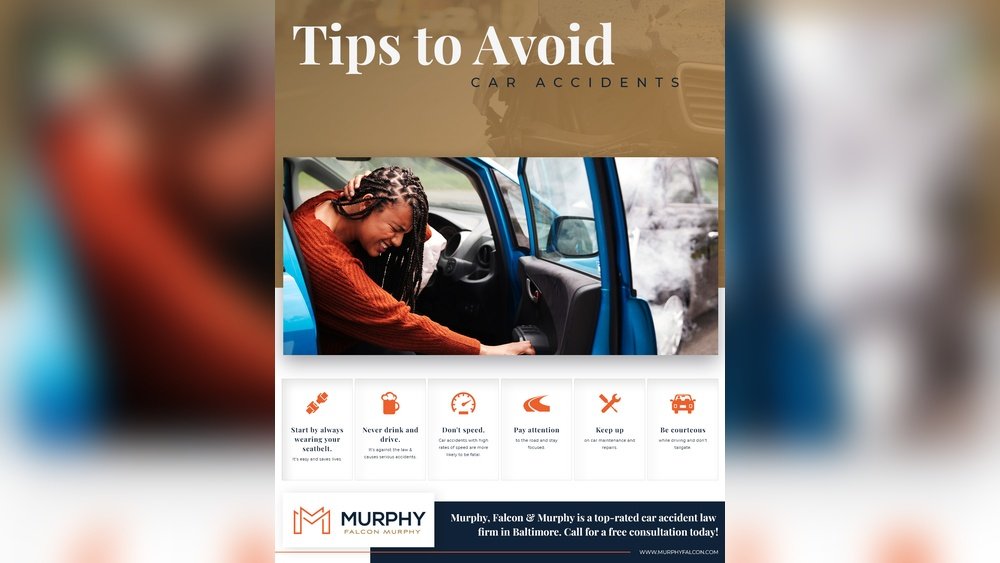
Every time you get behind the wheel, your safety depends on the choices you make. But how often do you think about the simple habits that can keep you and your loved ones safe on the road?
Avoiding car accidents isn’t just about luck—it’s about knowing the right tips and putting them into practice every time you drive. You’ll discover easy-to-follow advice that can help you stay alert, avoid common dangers, and drive with confidence. Stick with us, and you’ll learn how small changes in your driving can make a big difference in preventing accidents.
Your safety starts now—let’s dive in!

Credit: www.fullerlaw.com
Common Causes Of Car Accidents
Car accidents happen for many reasons. Knowing the common causes helps drivers stay alert and avoid danger. Understanding these causes can save lives and reduce injuries on the road.
Most car crashes result from human errors or poor conditions. These often include distractions, speeding, and ignoring rules. Weather and impaired driving also play major roles. Each cause has clear signs and ways to prevent it.
Distracted Driving
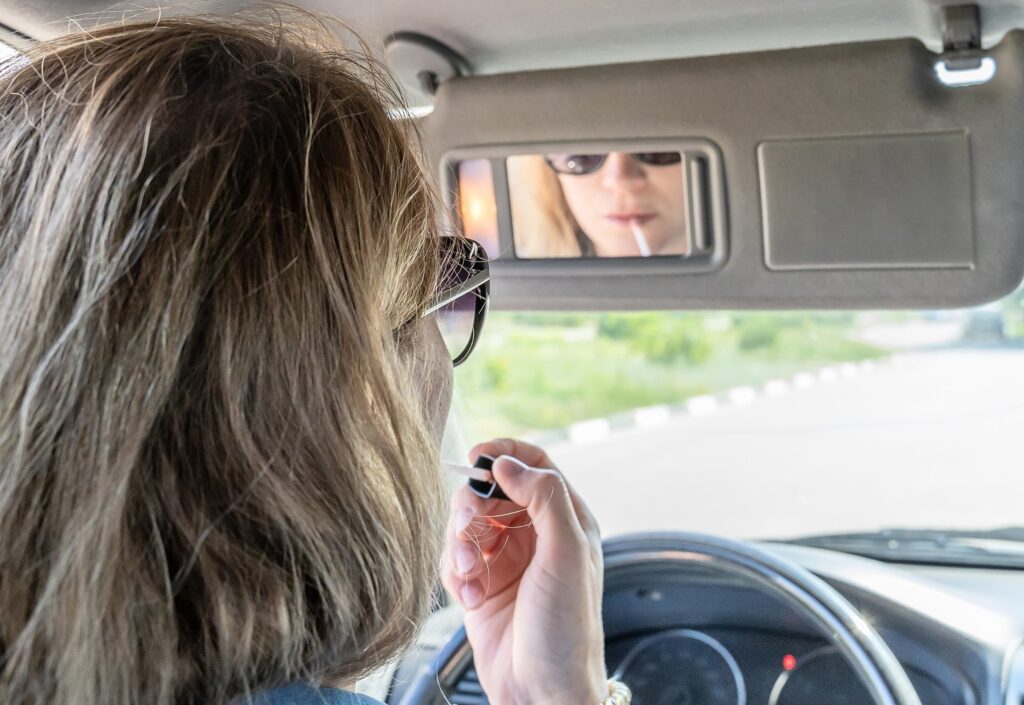
Distracted driving is one of the leading causes of accidents. Drivers lose focus by texting, eating, or adjusting controls. Even a few seconds of distraction can cause a crash. Keeping attention on the road is critical.
Speeding And Reckless Driving
Speeding reduces reaction time and increases crash severity. Reckless driving includes tailgating, sudden lane changes, and ignoring signs. These behaviors put everyone at risk. Driving within speed limits improves safety.
Driving Under Influence
Alcohol or drugs impair judgment and coordination. Driving under influence slows reaction and weakens decision-making. This cause leads to many fatal crashes every year. Staying sober while driving saves lives.
Poor Weather Conditions
Rain, snow, fog, and ice make roads slippery and reduce visibility. Drivers must slow down and increase following distance. Poor weather requires extra caution to avoid accidents. Preparing for weather changes prevents many crashes.
Failure To Obey Traffic Signals
Ignoring traffic lights and stop signs causes dangerous collisions. Many accidents happen at intersections due to this. Following signals keeps traffic flowing safely and prevents crashes. Always stop and look before crossing intersections.
Essential Driving Habits
Developing essential driving habits greatly reduces the risk of car accidents. These habits help drivers stay alert and respond safely to changing road conditions. Practicing them consistently creates a safer environment for everyone on the road.
Maintaining Safe Following Distance
Keeping enough space between your car and the vehicle ahead prevents collisions. This distance gives you time to react if the car in front suddenly stops. A good rule is to stay at least three seconds behind under normal conditions. Increase this gap in bad weather or heavy traffic.
Using Turn Signals Properly
Signaling your intentions clearly warns other drivers about your next move. Always use your turn signals before changing lanes or making turns. This habit helps avoid misunderstandings and sudden stops. Make sure to signal early enough to give others time to react.
Regular Mirror Checks
Checking your mirrors often keeps you aware of nearby vehicles and potential hazards. Scan your rearview and side mirrors every few seconds. This practice helps you spot fast-approaching cars and keeps you prepared for lane changes or stops.
Adjusting Speed To Conditions
Driving at a safe speed is crucial for control and safety. Slow down during rain, fog, or heavy traffic to reduce accident risk. Adjust your speed according to road type, visibility, and traffic flow. Staying within speed limits improves reaction time and reduces crashes.
The Three C’s Of Defensive Driving
The Three C’s of Defensive Driving offer simple rules to keep drivers safe. These principles help reduce accidents and improve road safety. Concentration, control, and courtesy guide every driver to make better decisions. Following these rules protects you and others on the road.
Concentration On The Road
Focus fully on driving. Avoid using your phone or any distractions. Check mirrors often and watch for sudden changes. Keep your eyes on the road ahead and scan your surroundings. Being alert helps you react quickly to dangers.
Control Of Your Vehicle
Keep your hands steady on the wheel. Adjust your speed to road conditions and traffic flow. Use brakes and signals smoothly to avoid surprises. Know your vehicle’s limits, especially in bad weather. Good control gives you time to act safely.
Courtesy To Other Drivers
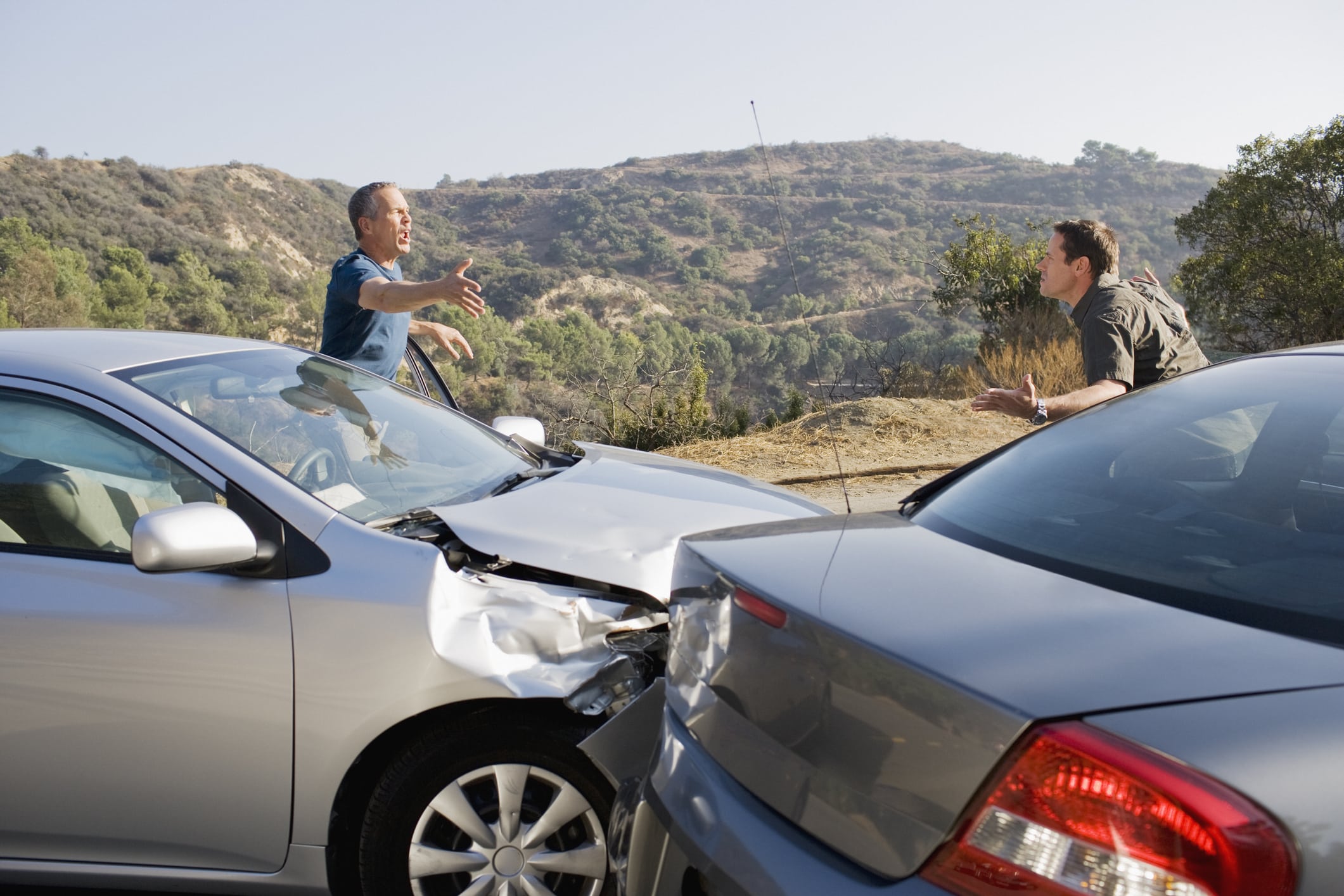
Show respect to everyone on the road. Use turn signals before changing lanes or turning. Let others merge safely and avoid cutting off drivers. Stay calm, even if others drive aggressively. Courtesy creates a safer and friendlier driving environment.
Credit: www.tpslawfirm.com
Advanced Safety Techniques
Advanced safety techniques improve your ability to avoid car accidents. These methods help drivers stay alert and ready for unexpected events. They focus on sharp observation, smart planning, and quick reactions. Using these skills often prevents crashes before they happen. Here are key techniques to practice every time you drive.
Scanning Ahead And Around
Look far ahead to spot potential dangers early. Check mirrors regularly to monitor cars behind and beside you. Watch for brake lights, pedestrians, and road signs. Keep your eyes moving to avoid tunnel vision. This scanning helps you react faster to sudden changes.
Planning Escape Routes
Always know where you could move if trouble appears. Identify open spaces on the road or shoulder for safe exits. Avoid staying boxed in by other vehicles. Have a clear plan for avoiding collisions if a driver acts unpredictably. This preparation can save seconds that matter.
Proactive Hazard Anticipation
Predict possible risks based on road and traffic conditions. Slow down near busy intersections or in bad weather. Watch for drivers who seem distracted or aggressive. Expect the unexpected, such as animals crossing or sudden stops. Being proactive helps you stay one step ahead of danger.
Handling Challenging Situations
Handling challenging driving situations demands focus and smart choices. These moments test your skills and patience. Staying calm helps you react better and stay safe. Below are key tips for difficult conditions on the road.
Driving In Bad Weather
Rain, snow, or fog reduce visibility and road grip. Slow your speed to match conditions. Turn on headlights to increase your visibility. Keep a bigger distance from the car ahead. Avoid sudden moves; brake gently to prevent skidding. Use windshield wipers and defrosters to keep clear views. Check tires for good tread and proper pressure before driving.
Navigating Heavy Traffic
Heavy traffic requires patience and alertness. Keep a safe distance to avoid rear-end collisions. Signal your intentions clearly and early. Watch for sudden stops and lane changes by others. Avoid distractions like phones or eating. Stay calm; aggressive driving increases accident risks. Plan your route to avoid peak traffic times if possible.
Managing Nighttime Driving
Night driving limits your vision and reaction time. Use high beams on open roads but dim them near other vehicles. Clean your windshield and mirrors to reduce glare. Reduce speed to give yourself more time to react. Watch for pedestrians, animals, and slow-moving vehicles. Rest well before driving to avoid fatigue. Keep interior lights low to preserve night vision.
Credit: pattersonlegalgroup.com
Technology And Safety
Technology has changed how we stay safe on the road. Modern vehicles include many features to help avoid accidents. These tools support drivers by improving awareness and control. Using technology wisely can make driving safer and reduce risks.
Using Driver Assistance Systems
Driver assistance systems help prevent crashes by alerting drivers. Features like lane departure warnings warn if you drift out of your lane. Automatic emergency braking can stop the car if a collision is near. Adaptive cruise control keeps a safe distance from the car ahead. These systems act as extra eyes and brakes for drivers.
Benefits Of Vehicle Maintenance
Well-maintained vehicles work better and safer. Regular checks on brakes, tires, and lights keep the car ready for the road. Proper tire pressure improves grip and handling. Faulty brakes increase stopping distance and risk. Clean, working headlights help you see and be seen at night.
Avoiding Distractions From Devices
Phones and gadgets often distract drivers and cause accidents. Texting or calling takes attention away from driving. Use hands-free devices or set your phone to silent before driving. Focus fully on the road to react quickly to hazards. Avoid adjusting devices while driving to keep your eyes forward.
Tips For New And Teen Drivers
New and teen drivers face many challenges on the road. Learning safe driving habits early helps reduce accident risks. Simple tips can build skills and confidence for safer driving. Understanding rules and practicing defensive driving are key steps.
These tips focus on keeping young drivers alert and prepared. They encourage safe choices and good habits that last a lifetime.
Graduated Driver Licensing Rules
Graduated Driver Licensing (GDL) breaks driving into stages. Each stage has limits on driving times and passengers. This helps teens gain experience slowly. It lowers chances of dangerous situations. Always follow GDL rules closely. They protect new drivers and others on the road.
Building Confidence Safely
Confidence grows with practice in safe settings. Start driving in quiet areas or parking lots. Practice basic skills like parking and turns. Gradually try busier roads and different weather. Avoid distractions like phones or loud music. Confidence must come from skill, not speed or risk.
Learning Defensive Driving Skills
Defensive driving means expecting the unexpected. Watch other drivers and keep a safe distance. Always check mirrors and blind spots before moves. Slow down at intersections and in bad weather. Stay calm and avoid aggressive driving. These habits help prevent accidents and keep control.
Creating A Safe Driving Environment
Creating a safe driving environment is key to avoiding car accidents. It builds trust and respect among drivers. It helps everyone stay alert and cautious on the road. A calm and courteous atmosphere reduces risky behaviors and surprises. This approach protects lives and makes travel smoother and more pleasant.
Being Respectful On The Road
Respect means understanding others share the road. Yield when needed and avoid cutting off others. Use signals clearly before turns and lane changes. Keep a safe distance to prevent sudden stops. Avoid aggressive actions like tailgating or honking without cause. Respect lowers tension and prevents conflicts that lead to crashes.
Encouraging Safe Driving Habits
Promote habits like checking mirrors frequently and obeying speed limits. Encourage stopping fully at stop signs and red lights. Remind drivers to avoid distractions such as phones or eating. Suggest taking breaks during long trips to stay focused. Safe habits help drivers react well to sudden changes. They also reduce fatigue and improve decision-making on the road.
Setting A Positive Example
Lead by driving carefully and patiently. Show respect to pedestrians and cyclists. Follow all traffic rules strictly and consistently. Avoid rushing, even when in a hurry. Others notice your behavior and often copy it. Setting a good example raises overall safety and respect on the road.
Conclusion
Staying safe on the road takes focus and care every time you drive. Always watch your mirrors and avoid distractions like phones. Drive at a speed that fits the weather and traffic conditions. Use turn signals and respect other drivers’ space.
Keeping a safe distance helps you stop in time. Remember, being patient and courteous lowers risks for everyone. Practice these simple tips daily to reduce accidents. Your safety depends on your choices behind the wheel. Drive smart, stay alert, and help keep roads safer for all.














