
Are you thinking about starting a car detailing business or simply want to keep your vehicle looking its best in South Dakota? Before you grab the soap and polish, it’s important to understand the local laws that affect car detailing in the state.
From licensing rules to environmental regulations, knowing what’s allowed—and what’s not—can save you time, money, and hassle. You’ll discover the key laws you need to follow to detail cars legally and responsibly in South Dakota. Keep reading to make sure your car care routine or business stays fully compliant and stress-free!
Business Licensing Rules
Starting a car detailing business in South Dakota requires understanding the business licensing rules. Licensing ensures your business operates legally and meets state and local standards. These rules differ between state and local levels. Knowing these differences helps you comply easily and avoid fines.
State-level Licensing
South Dakota does not require a general business license at the state level. This means you do not need to get a state-issued license to start a car detailing business. However, you must register your business with the South Dakota Secretary of State. This step makes your business official and legal in the state.
Even without a state license, you must follow state tax laws. Collect and pay sales tax on car detailing services. Keeping accurate tax records is important for state compliance. Also, you may need specific permits if you use chemicals or water resources.
Local Licensing Requirements
Local governments in South Dakota often require business licenses. These licenses vary by city or county. Contact your local city hall or county office to learn the exact rules. Some areas require a business license to operate any service business, including car detailing.
Local licenses may include health or environmental permits. These rules protect the community from pollution and waste. You may need to follow special rules for water disposal and chemical use. Check local zoning laws to ensure your business location is allowed.
Sales Tax On Detailing
Sales tax applies to car detailing services in South Dakota. Business owners must collect this tax from customers and remit it to the state. Understanding which services are taxable helps avoid penalties and ensures proper compliance with tax laws.
South Dakota treats car detailing similar to other vehicle services for tax purposes. The rules focus on the nature of the service provided and the use of materials. Knowing exceptions is equally important to apply the tax correctly.
Taxable Services
Most car detailing services in South Dakota are subject to sales tax. This includes washing, waxing, polishing, and interior cleaning. Services that involve applying chemicals or materials to the vehicle also fall under taxable services.
Detailing businesses must charge sales tax on the full price of these services. This covers labor and any parts or supplies used. The tax rate depends on the local jurisdiction, which may add to the state rate.
Exceptions And Exemptions
Some car detailing services may be exempt from sales tax. For example, if the service is for resale by a licensed dealer, the tax may not apply. This means the dealer must have a resale certificate and not use the service personally.
Services provided to government agencies or non-profit organizations could qualify for exemptions. Proper documentation must be kept to prove eligibility for these exceptions. Without valid proof, sales tax must be charged as usual.
Vehicle Safety Standards
Vehicle safety standards in South Dakota ensure all cars meet basic requirements. These rules protect drivers, passengers, and others on the road. Proper vehicle maintenance and equipment are key to passing inspections and avoiding fines. Car detailing must not cover or block safety features.
Two important areas of these standards are windshield requirements and mirror placement rules. Both focus on clear visibility for the driver. Keeping these parts clean and intact is essential for safety and legal compliance.
Windshield Requirements
South Dakota law requires all vehicles to have an approved laminated safety glass windshield. The windshield must give continuous horizontal frontal protection to the driver and front passengers. It must be at least six inches high without any obstructions.
Any cracks or damage that block the driver’s view can cause a violation. During car detailing, avoid using harsh chemicals that can damage the windshield. Keep it clean but free from scratches or films that reduce clarity.
Mirror Placement Rules
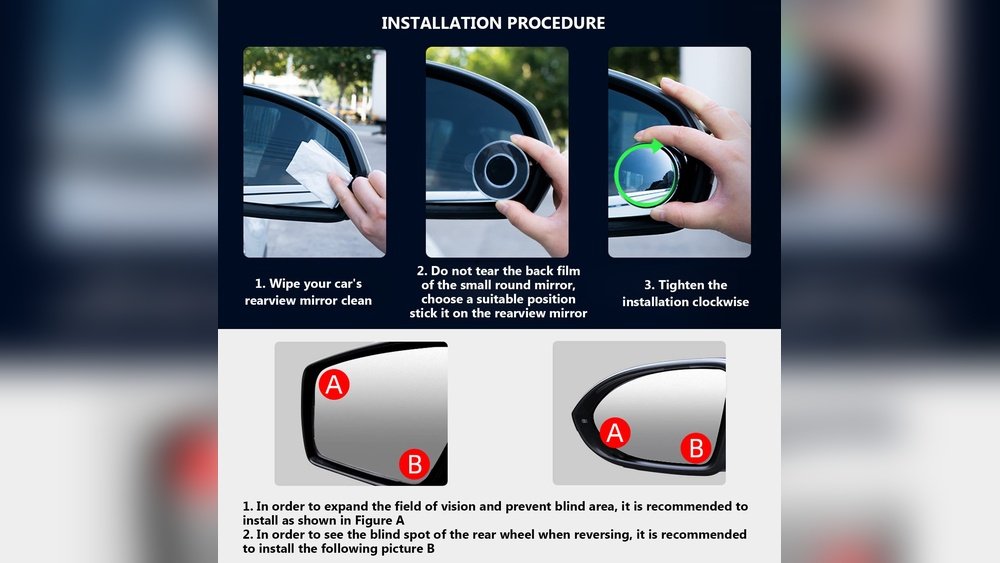
Vehicles must have mirrors placed to show the driver a clear view of the road behind. South Dakota requires at least one mirror on the driver’s side. Many cars also have a rearview mirror inside for better visibility.
Detailing should not cover or alter these mirrors. Dirty or foggy mirrors reduce safety and can lead to fines. Make sure all mirrors are clean and properly adjusted before driving.

Credit: getundrdog.com
Window Tinting Limits
Window tinting is a popular car customization in South Dakota. It adds style, reduces glare, and blocks heat. Yet, the state has clear rules about how dark the tint can be. These rules protect drivers and law enforcement officers by ensuring visibility. Understanding these limits helps you stay legal and safe on the road.
Maximum Tint Darkness
South Dakota allows a minimum of 50% visible light transmission on front side windows. This means the tint must let in at least half of the light. Rear side windows and the back window have no strict limits. But the tint cannot be so dark that it blocks clear vision. Reflective or mirrored tints are also restricted. These rules ensure drivers can see clearly and others can see inside the vehicle.
Legal Enforcement
Police officers check window tint during traffic stops or inspections. They use special meters to measure light passing through the glass. If tint is too dark, officers may issue a ticket or require removal. Fines vary by the severity of the violation. Repeated offenses can lead to higher penalties. Following tint laws avoids fines and keeps your vehicle road-legal.
Environmental Restrictions
Car detailing businesses in South Dakota must follow strict environmental restrictions. These rules protect local water sources and keep communities safe. Understanding and following these laws is essential for every detailer operating in the state.
Water Usage Rules In Sioux Falls
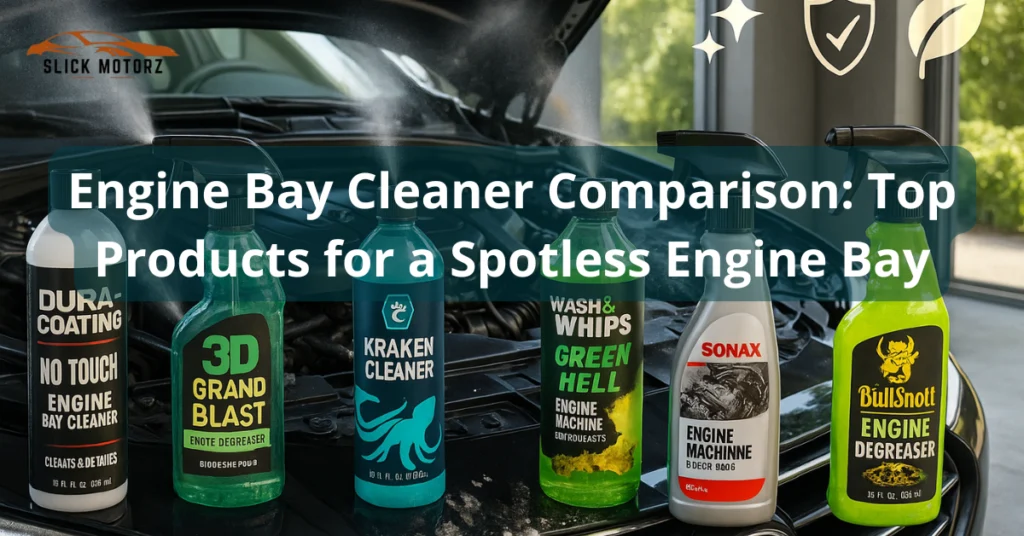
Sioux Falls limits the amount of water used during car detailing. Businesses must use water-efficient equipment. Water runoff must not enter storm drains directly. This prevents pollution of lakes and rivers. Many detailers use water reclamation systems to recycle water. Following these rules helps conserve local water supplies.
Waste Disposal Guidelines
Proper disposal of waste is critical for car detailers. Chemicals, oils, and detergents must not be poured down drains. Businesses must collect and dispose of hazardous waste following state regulations. Many use licensed waste disposal services to handle this safely. Keeping waste out of the environment protects soil and water quality.

Credit: www.mitchellhabitat.org
Lemon Law Impact
South Dakota’s Lemon Law offers protection for car buyers facing defects. It covers vehicles that do not meet quality and safety standards. This law helps consumers get repairs, replacements, or refunds.
Car detailing issues can sometimes relate to Lemon Law claims. Understanding the law helps buyers know their rights about vehicle conditions. The law applies differently depending on whether the car is new or used.
Coverage For Used Cars
South Dakota’s Lemon Law covers some used cars, but with limits. The law mainly protects cars bought from dealers, not private sales. Used cars with serious defects may qualify if bought with a warranty. Detailing problems are usually minor but could affect warranty claims. Buyers must report defects quickly to keep protection under the law.
Claims Related To Detailing
Detailing issues rarely lead to Lemon Law claims alone. Problems like paint damage or poor cleaning do not meet Lemon Law standards. Claims must focus on defects affecting the car’s safety or use. If detailing hides a bigger defect, it could support a claim. Documenting all problems and repairs helps when filing Lemon Law claims.
Starting A Detailing Business
Starting a car detailing business in South Dakota requires understanding local laws. Knowing the legal steps helps avoid fines and delays. This guide covers essential permits and compliance tips. Follow these rules to run a smooth and legal business.
Required Permits
South Dakota does not require a state business license for car detailing. Local cities or counties may ask for permits. Check with your city hall or county office. A sales tax permit is needed if you sell products or services. Register your business name with the state. You may need a water discharge permit if you use water outdoors. It helps prevent pollution and follows environmental rules.
Compliance Tips
Keep all permits up to date and visible. Collect and pay sales tax on all services. Use biodegradable and eco-friendly cleaning products. Dispose of waste water properly to avoid fines. Follow safety rules to protect workers and customers. Train staff on legal and safety standards. Keep clear records of all business transactions. Regularly review local laws to stay compliant. This reduces risks and builds trust with clients.
Credit: www.autogeek.net
Frequently Asked Questions
Does South Dakota Require A Business License?
South Dakota does not require a state-level business license. Local licenses or permits may be necessary depending on the city or county.
What Is The Windshield Law In South Dakota?
South Dakota law requires all motor vehicles to have an approved laminated safety glass windshield. The windshield must provide continuous horizontal frontal protection and have a minimum unobstructed vertical height of six inches.
Does South Dakota Have A Lemon Law On Used Cars?
South Dakota does not have a lemon law covering used cars. Buyers have limited protection for used vehicle defects.
What Is The Darkest Legal Tint In South Dakota?
South Dakota allows front side windows to have no less than 35% visible light transmission. Rear and back windows can be tinted darker. Windshield tinting is limited to a strip at the top. Always check local laws for updates.
Conclusion
Understanding South Dakota’s car detailing laws helps you stay legal and safe. Follow local rules about business licenses and vehicle equipment. Keep your windshield clear and tint within limits. Pay attention to sales tax rules for detailing services. Knowing these laws protects your business and customers.
Stay informed to avoid fines or legal trouble. Simple steps keep your car detailing smooth and compliant.