When it comes to keeping your car’s paint spotless and swirl-free, you’ve probably heard about grit guards and dirt traps. But what exactly sets these two apart?
If you’ve ever wondered which one is right for your washing routine, you’re in the right place. Understanding the difference between grit guards and dirt traps can save you time, effort, and most importantly, protect your vehicle’s finish from unwanted scratches.
Stick with me, and by the end of this article, you’ll know exactly how each works and which one fits your needs best. Ready to keep your car looking its absolute best? Let’s dive in!
Grit Guard Basics
The Grit Guard is a simple yet effective tool for car washing. It helps keep dirt and grit at the bottom of the bucket. This keeps your wash water clean and protects your car’s paint. Understanding the basics of a Grit Guard helps you use it well. Here is what you need to know about its design, function, and compatibility.
Design And Purpose
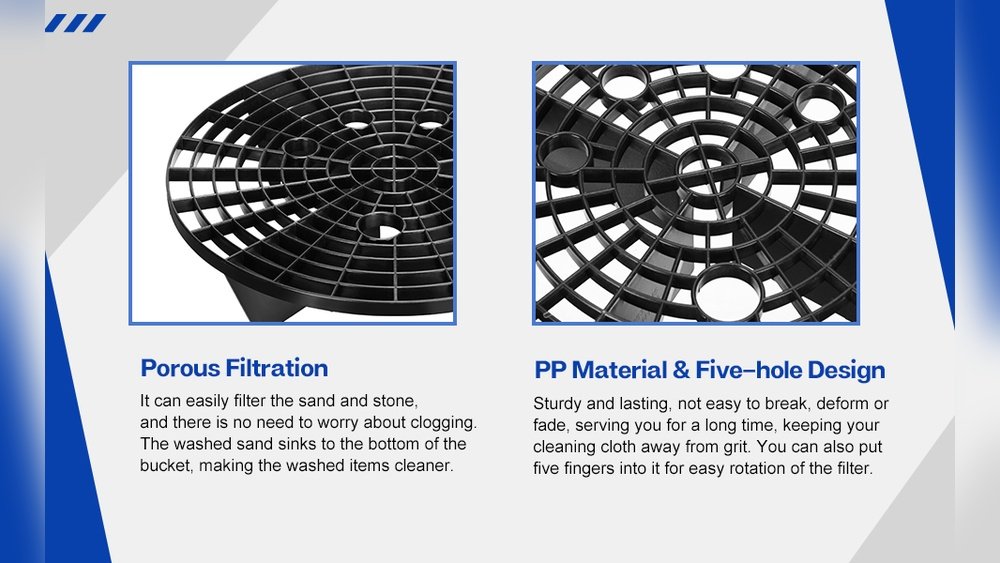
The Grit Guard is a plastic insert with a grid-like design. It sits at the bottom of your wash bucket. Its main purpose is to trap dirt and grit. This prevents these particles from mixing with your clean water. The guard stops dirt from sticking to your wash mitt. This helps avoid scratches and swirl marks on your car.
How It Works
When you rinse your wash mitt in the bucket, dirt falls through the grid. The dirt stays below the guard, away from your mitt. The clean water stays on top for washing. This simple barrier keeps grime from rubbing on your car’s surface. It makes car washing safer and more effective.
Common Bucket Compatibility
Most Grit Guards fit standard 5-gallon wash buckets. These buckets are common in car detailing kits. The guard’s size fits snugly at the bucket’s bottom. Some guards also work with larger buckets. Always check the size before buying to ensure a good fit. Proper fit keeps the guard stable and effective.

Credit: judithb.net
Dirt Trap Essentials
Dirt traps are essential tools in car washing. They keep dirt and grit away from your wash mitt. This helps avoid scratches on your vehicle’s paint. Understanding dirt traps helps you choose the right tool for a clean wash.
These tools work by capturing debris at the bottom of the wash bucket. This stops dirt from mixing with the soap water. Let’s explore what makes dirt traps effective and how they fit into your cleaning routine.
Structure And Features
Dirt traps usually have a grid-like design. This allows water and soap to flow through easily. The grid holds dirt particles below the surface. Some models have raised edges to prevent debris from escaping. Made from durable plastic, they resist wear and tear. The design keeps grime trapped while letting clean water pass.
Functionality In Use
Using a dirt trap means less risk of scratching your paint. When you dunk your wash mitt, the dirt stays under the grid. This prevents particles from rubbing against your car’s surface. Dirt traps also help keep your soap water cleaner for longer. They reduce the need to change water frequently during washing.
Bucket Fit Variations
Dirt traps come in different sizes to fit various buckets. Some fit standard five-gallon buckets perfectly. Others are designed for deeper or wider buckets. A good fit ensures the trap stays in place during washing. Some models feature flexible edges to adjust to bucket shapes. Choosing the right size improves dirt trapping efficiency.
Key Differences
Understanding the key differences between grit guards and dirt traps helps you choose the right tool. Both aim to keep dirt away from your wash tools. Their designs, materials, and cleaning methods differ significantly. These differences affect how well they perform and how easy they are to maintain.
Material And Design Differences
Grit guards usually feature a rigid plastic grid with small holes. This grid fits at the bottom of wash buckets. Dirt traps often use softer materials and include a mesh or foam layer. The design of dirt traps focuses on trapping dirt inside the mesh. Grit guards create a barrier that lets dirt settle at the bottom. Each design suits different washing styles and bucket types.
Effectiveness In Dirt Separation
Grit guards work by forcing dirt to drop below the grid. This keeps dirt away from the wash mitt or sponge. Dirt traps catch dirt particles inside their mesh or foam. This prevents dirt from floating back into the water. Grit guards are better for heavy dirt loads. Dirt traps excel at catching fine particles and debris. Both reduce swirl marks but use different methods.
Ease Of Cleaning And Maintenance
Cleaning grit guards is simple. Remove the grid and rinse it under water. Dirt usually washes off easily. Dirt traps need more care. The mesh or foam can trap dirt deep inside. This requires gentle scrubbing or soaking to clean properly. Grit guards dry faster due to their open design. Dirt traps may take longer to dry and need more attention.
Impact On Car Wash Quality
The impact of grit guards and dirt traps on car wash quality is significant. Both tools aim to reduce contaminants in the wash water. This reduces the chance of dirt particles scratching the vehicle’s surface. Their design and function affect the overall washing experience and final finish.
Prevention Of Swirl Marks
Grit guards keep dirt and grit at the bucket’s bottom. This stops debris from mixing with the wash mitt. Dirt traps collect particles away from the mitt too, but their design varies. Both tools reduce swirl marks by limiting dirt contact with the paint. Swirl marks happen when dirt scratches the paint during washing.
Protection Of Vehicle Paint
Paint protection is crucial during every wash. Grit guards create a barrier between dirt and the paint. This lowers the risk of paint damage caused by grit and grime. Dirt traps also help by isolating debris within the bucket. Using either tool helps maintain the vehicle’s paint condition longer. Clean paint means a smoother, shinier finish after washing.
User Experience During Washing
The user’s washing process changes with these tools. Grit guards require scrubbing the wash mitt on the guard to release dirt. This step helps clean the mitt effectively. Dirt traps may offer easier access to clean water pockets. Both tools make the washing process more efficient and safer for the paint. A better user experience leads to a better car wash result.
Compatibility And Fit
Choosing between grit guards and dirt traps depends largely on their compatibility with your wash setup. Proper fit ensures these tools work effectively to keep dirt at the bottom of your bucket. Both options have unique designs that suit different bucket sizes and washing methods. Understanding how they fit will help you pick the right one for your needs.
Bucket Size Considerations
Grit guards usually fit standard 5-gallon buckets. They sit flat at the bottom and have a raised grid to trap dirt. Some grit guards flex to fit slightly smaller or larger buckets. Dirt traps come in various sizes and shapes, often with adjustable edges or rubber grips. This makes them more adaptable to different bucket sizes. Measure your bucket before choosing either tool. A poor fit can let dirt flow freely, defeating the purpose of these inserts.
Adaptability To Different Wash Setups
Grit guards are simple and work best in traditional bucket washing setups. They are lightweight and easy to remove for rinsing. Dirt traps often include features like sidewalls or built-in reservoirs. These features help trap dirt more effectively in multi-bucket or foam gun setups. Some dirt traps attach to the bucket sides, keeping the bottom free. Consider your wash style. Choose a grit guard for simplicity or a dirt trap for more complex setups.
Alternative Options
Choosing the right tool to keep your wash water clean is key. Besides grit guards and dirt traps, other options exist. These alternatives aim to capture dirt and grit to prevent scratches on your car’s surface. They vary in design and effectiveness. Exploring these helps you find the best fit for your needs.
Other Dirt Trapping Solutions
Foam inserts are popular alternatives. They fit inside the bucket and trap dirt in their porous material. Mesh screens also work well by catching larger particles. Some users prefer magnetic grit guards that hold debris at the bottom. There are also bucket liners designed to settle dirt away from your mitt. Each solution offers a different approach to dirt separation.
Pros And Cons Compared To Grit Guards And Dirt Traps
Foam inserts are lightweight and easy to clean. They may wear out faster than grit guards. Mesh screens provide good filtration but can clog quickly. Magnetic guards hold grit firmly but add weight. Bucket liners prevent mess but need frequent replacement. Grit guards and dirt traps are durable and simple to use. They fit most buckets and require minimal maintenance. The choice depends on your washing style and budget.
User Reviews And Preferences
User reviews reveal clear preferences between grit guards and dirt traps. These tools aim to keep dirt at the bottom of wash buckets and protect paint. Feedback from actual users helps understand which product works better in real situations. Below, we explore popular opinions, common complaints, and top recommendations based on user experience.
Popular Opinions
Many users praise grit guards for their simple design and effectiveness. They say grit guards keep grit settled and reduce swirl marks. Dirt traps get credit for fitting tightly in buckets and catching more dirt particles. Some find dirt traps easier to clean after use. Overall, users appreciate both but lean toward grit guards for basic needs.
Common Complaints
Some users report grit guards can move around inside buckets during washing. This causes frustration and less effective dirt trapping. A few mention grit guards do not fit all bucket sizes well. Dirt traps receive criticism for being bulky and harder to store. Others feel dirt traps sometimes trap too much debris, needing frequent cleaning.
Recommended Choices
Users recommend grit guards for those who want a simple, reliable tool. It suits casual detailers and beginners well. Dirt traps are favored by detailers who want tighter bucket fits and extra dirt capture. Some suggest trying both to see which fits personal needs best. Choosing the right product depends on bucket size and washing style.

Credit: judithb.net
Buying Guide

Credit: linearcollider.org
Frequently Asked Questions
What’s The Point Of A Grit Guard?
A grit guard traps dirt and grit at the bucket’s bottom. It prevents debris from recontaminating your wash mitt, reducing swirl marks and paint scratches during car washing.
Do Grit Guards Fit All Buckets?
Grit guards fit most standard buckets but may not fit all sizes or shapes perfectly. Check bucket dimensions before purchase.
What To Use Instead Of Grit Guard?
Use alternative dirt traps like Detail Guardz Dirt Lock or Chemical Guys Dirt Trap. They effectively keep debris at the bucket bottom. These options fit various bucket sizes and prevent swirl marks during washing. Choose based on bucket compatibility and personal preference for better paint protection.
Do Grit Guards Prevent Swirls?
Grit guards help prevent swirls by trapping dirt at the bucket’s bottom. This stops debris from rubbing on paint during washing.
Conclusion
Choosing between grit guards and dirt traps depends on your washing needs. Both keep dirt away from your wash mitt, protecting your car’s paint. Grit guards sit flat at the bottom, while dirt traps often raise the mitt off the bucket floor.
This small difference affects ease of use and bucket fit. Either option reduces swirl marks and scratches during washing. Pick the one that fits your bucket and washing style best. Clean water means a cleaner, safer wash every time.