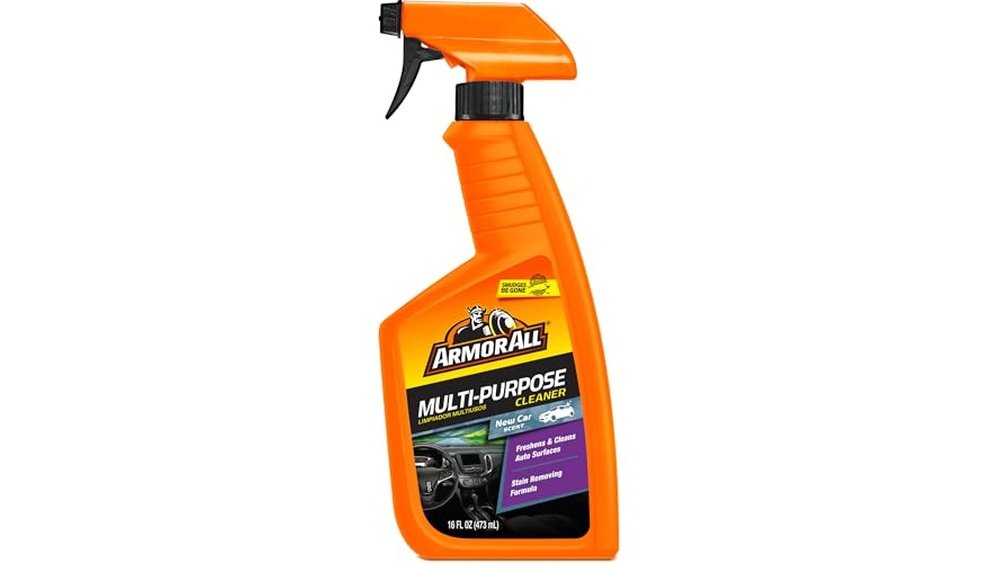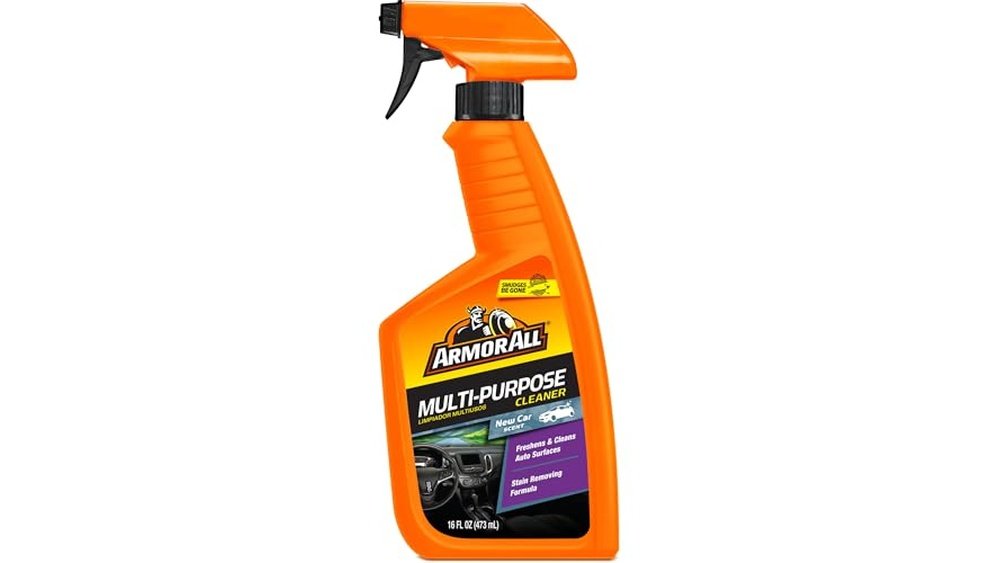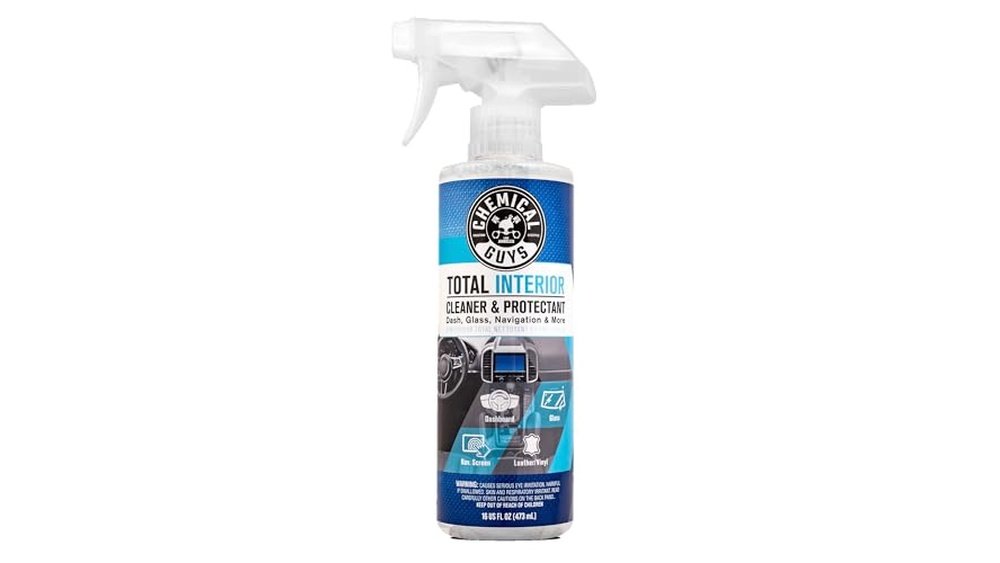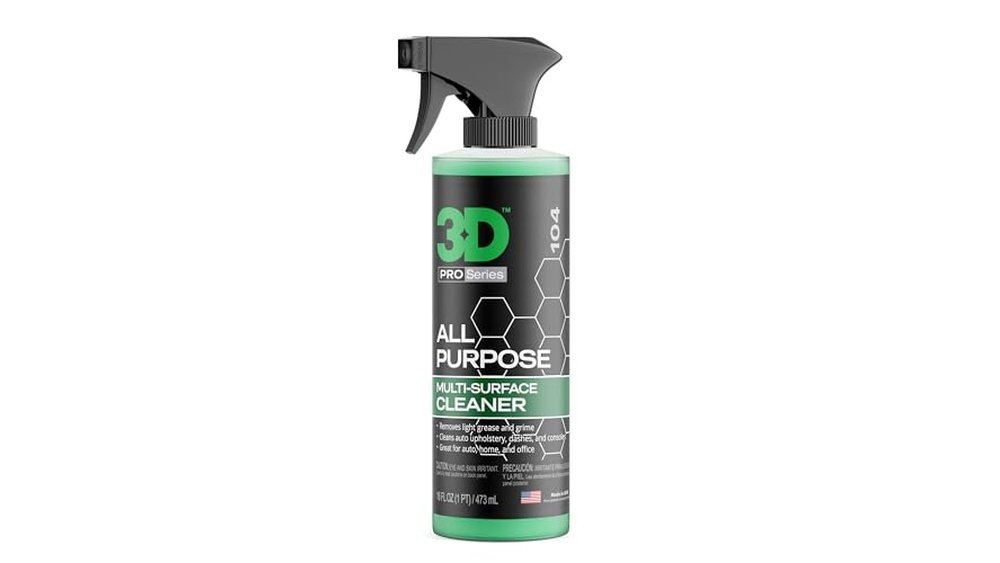
When it comes to car detailing, using an All-Purpose Cleaner (APC) the right way can make all the difference in achieving that spotless, showroom shine. But here’s the catch: if you don’t get the dilution ratio right, you might end up with streaks, residue, or worse—damaging your car’s surfaces.
You want powerful cleaning without harsh effects, and that balance starts with knowing the best APC dilution ratio. In this guide, you’ll discover exactly how to mix your APC for every part of your car, from delicate interiors to tough tires.
Stick with me, and you’ll learn how to protect your investment while making your detailing routine more effective and stress-free. Ready to master the perfect mix? Let’s dive in!
Apc Basics
Dilution ratios are key to using All-Purpose Cleaner (APC) effectively in car detailing. They tell you how much water to mix with the cleaner. The right ratio balances cleaning power and safety for different surfaces. Understanding dilution helps protect paint, plastics, and fabrics while removing dirt well. This guide breaks down common ratios, measuring tips, and their impact on cleaning.
Common Dilution Ratios
Typical APC dilution ratios range from 1:1 to 1:20. A 1:1 ratio means equal parts cleaner and water. This is strong and best for heavy grease or tough stains. Ratios like 1:10 or 1:15 are lighter, good for general cleaning inside the car. For delicate surfaces, use weaker mixes such as 1:20 to avoid damage. Always check the product label for specific recommendations.
Measuring And Mixing
Use a measuring cup or spray bottle with marks to mix APC accurately. Pour the cleaner first, then add water. Stir or shake the mix well for even distribution. Measuring tools help avoid too strong or too weak solutions. Mixing in small batches keeps the cleaner fresh and effective. Label your bottles with the ratio for easy reuse.
Impact On Cleaning Power
Stronger mixes clean better but may harm paint or fabrics. Lighter dilutions are safer but might need more effort. Choose a ratio based on how dirty the surface is. Test a small area first to see the effect. Proper dilution saves time and protects your car’s finish. Adjust ratios as needed for best results.
Dilution Ratios Explained
Choosing the best APC dilution ratio is key for effective car detailing. Different parts of the car need different strengths. Using the right ratio saves product and protects surfaces. It also ensures deep cleaning without damage. Below are the ideal ratios for various car detailing tasks.
Exterior Surfaces
For painted surfaces, use a mild APC mix. Dilute 1 part APC to 20 parts water. This ratio cleans dirt and grime gently. It avoids stripping wax or sealant. Spray on, agitate lightly, then rinse well. Stronger mixes may harm paint.
Interior Surfaces
Interior materials need a softer touch. Dilute 1 part APC to 10 parts water. This works well on plastics, vinyl, and fabric. It removes stains and dirt without fading. Use a microfiber cloth to apply and wipe clean. Avoid soaking surfaces.
Tires And Wheels
Tires and wheels require a stronger solution. Mix 1 part APC to 5 parts water. This breaks tough brake dust and grime. Apply with a brush, scrub, then rinse thoroughly. Test on one area first to prevent discoloration.
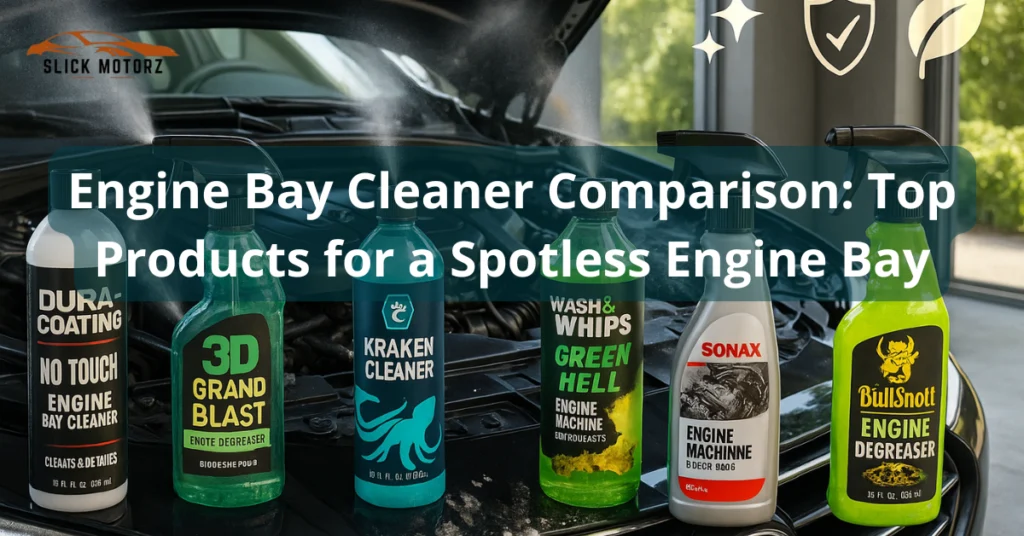
Engine Bay Cleaning
Engine bays need careful cleaning. Use a 1 to 10 dilution ratio. Spray lightly on surfaces, avoiding electrical parts. Let it sit briefly to loosen grease. Rinse gently with low pressure water. This ratio cleans well without damage.
Best Ratios For Car Detailing
Choosing the right dilution ratio for your All-Purpose Cleaner (APC) depends on several factors. Understanding these factors helps you clean efficiently without damaging surfaces. Dilution affects cleaning power and safety for your car’s finish. Adjusting the ratio based on conditions ensures better results.
Surface Type And Condition
Different surfaces need different cleaning strengths. Delicate surfaces like paint or glass require a weaker mix to avoid damage. Tougher surfaces such as wheels or engine bays can handle stronger solutions. Always test a small area first to check for any adverse effects.
Soil Level
Heavily soiled areas need a stronger dilution. Light dirt or dust can be cleaned with a milder solution. Adjust your ratio depending on the amount and type of grime. Stronger mixes remove grease and stubborn stains better but may need rinsing.
Apc Concentration Variations
Different APC brands have varying strengths. Some are highly concentrated and need more water. Others come ready to use or with lower concentration. Always read the product label and follow recommended dilution guides for best results.
Factors Affecting Dilution
Using the best APC dilution ratio is only part of effective car detailing. Proper use of the cleaner ensures great results and protects your vehicle. Follow simple tips to get the most out of your APC. This section covers safety, application methods, and tools to help you work smarter.
Safety Precautions
Always wear gloves to protect your skin from chemicals. Keep the area well-ventilated to avoid inhaling fumes. Avoid mixing APC with other cleaners to prevent dangerous reactions. Store APC away from children and pets. Test the diluted solution on a small hidden spot first to check for damage.
Application Techniques
Spray APC evenly over the surface for consistent cleaning. Let it sit for a few minutes but never let it dry out. Use a soft brush or microfiber cloth to gently scrub stubborn dirt. Rinse thoroughly with clean water to remove all residue. Work in sections to avoid the cleaner drying too fast.
Tools For Dilution
Use a measuring cup or syringe for accurate dilution. Spray bottles with clear markings help maintain correct ratios. Consider a chemical mixing bottle to mix and store APC safely. Avoid guessing the amount to prevent too strong or weak solutions. Keeping tools clean avoids contamination and ensures reliable results.
Tips For Effective Use
Troubleshooting common issues with APC dilution ratios helps improve car detailing results. Problems often arise from incorrect mixing. Understanding these issues saves time and protects your vehicle’s surfaces. Below are frequent problems and how to fix them.
Over-dilution Effects
Over-dilution weakens the cleaner’s strength. It causes poor dirt removal and leaves grime behind. Surfaces may look dull or oily. The cleaner wastes effort and time without good results. Use the correct ratio to keep cleaning power strong.
Under-dilution Effects
Under-dilution makes the cleaner too strong and harsh. It can damage paint, plastics, and rubber. Strong solutions may cause fading or discoloration. Also, they leave sticky residues that attract dirt quickly. Always measure the cleaner and water carefully.
Streaking And Residue
Streaks and residue appear from uneven application or wrong dilution. Too much cleaner or not rinsing well causes this. It leaves marks and a film on surfaces. Use a microfiber cloth to wipe gently and rinse thoroughly. Adjust dilution to reduce streaks.
Troubleshooting Common Issues
Choosing the right All-Purpose Cleaner (APC) is key for effective car detailing. Different brands offer varied dilution ratios to match cleaning needs. Understanding popular APC brands and their recommended ratios helps achieve the best results. Below are some well-known APC brands and their typical dilution guidelines.
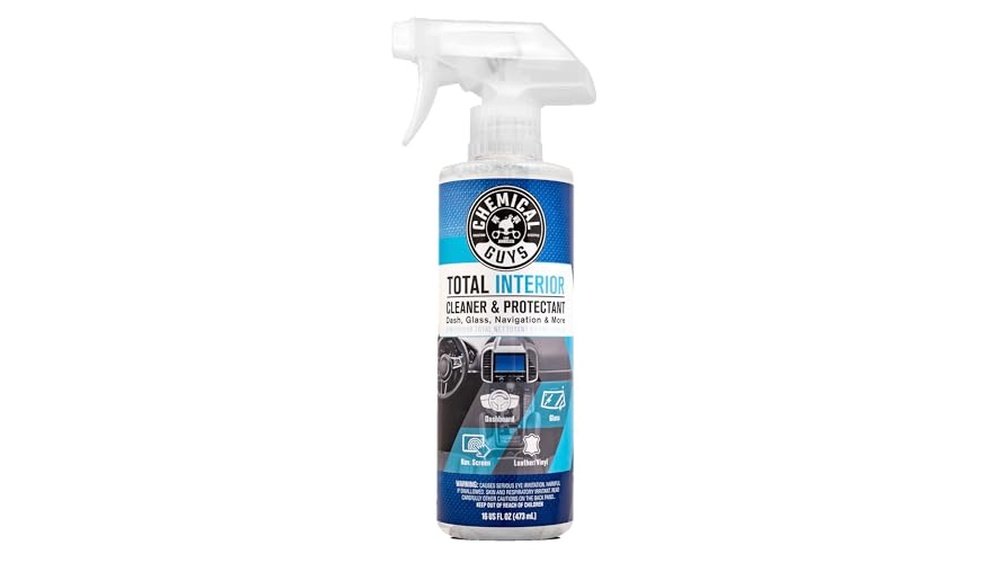
Chemical Guys
Chemical Guys APC is versatile and popular among detailers. The usual dilution ratio is 1:10 for general cleaning. For tougher grime, a stronger mix of 1:4 works well. Always test on a small area first to avoid damage.
Meguiar’s
Meguiar’s APC offers strong cleaning power with easy use. Dilute at 1:10 for interior surfaces like plastics and fabrics. For exterior dirt, a 1:5 ratio provides deeper cleaning. Adjust dilution based on surface sensitivity.
Optimum Power Clean
Optimum Power Clean is a concentrated cleaner favored for flexibility. Dilute at 1:10 for light cleaning tasks. For heavy soils, reduce water to reach 1:4 dilution. This brand works well on multiple surfaces.
P&s Xpress
P&S Xpress is known for fast and effective cleaning. Use a 1:10 ratio for most surfaces including interiors. For stubborn spots, a 1:5 dilution is ideal. It cleans without harsh chemicals, making it safe for many materials.
Popular Apc Brands And Ratios
Understanding the right dilution ratio for APC (All Purpose Cleaner) is key in car detailing. The DIY Dilution Ratio Calculator helps you find the perfect mix. It ensures you use the right amount of cleaner with water. This prevents waste and protects your car’s surfaces. Using this tool saves money and time on every wash.
How To Calculate Ratios
Start with the ratio recommended on your APC bottle. Ratios like 1:10 mean one part cleaner to ten parts water. To calculate, decide how much total solution you need. Divide the total by the sum of the ratio parts. For 1:10, add 1 + 10 = 11 parts. Then, divide your total volume by 11. Multiply the result by the cleaner parts for the cleaner amount. Multiply by water parts for the water amount.
Using Measuring Tools
Use clear measuring cups or marked spray bottles. These tools help you pour exact amounts. Measuring prevents using too strong or too weak solution. Accurate mixing improves cleaning power and protects surfaces. Tools with volume marks make the job faster and easier.
Saving Time And Product
A DIY Dilution Ratio Calculator cuts down guesswork. Mix only what you need for each job. This avoids leftover solution that can lose strength over time. Precise dilution saves cleaner and water. It reduces the chance of damage from too strong mixtures. Using the right ratio means better cleaning with less effort.
Frequently Asked Questions
What Is The Ratio For Apc Dilution?
The common APC dilution ratio is 1:10, mixing one part cleaner with ten parts water. Adjust ratio based on cleaning strength needed.
Is 50/50 A Good Dilution For Interior Detailer P&s?
A 50/50 dilution for P&S interior detailer is generally too strong. Use a ratio closer to 10:1 for safe, effective cleaning.
What Is The 10 1 Ratio For Detailing?
The 10:1 ratio for detailing means mixing one part cleaner with ten parts water. It ensures effective cleaning without damage. This dilution suits general all-purpose cleaners (APC) for safe, efficient vehicle interior and exterior cleaning. Always follow product instructions for best results.
How Do You Dilute Apc For Tires?
Dilute APC for tires at a 1:5 ratio—one part APC to five parts water. This strength removes brake dust and grime effectively.
Conclusion
Choosing the right APC dilution ratio ensures safe and effective cleaning. Use stronger mixes for tough grime and lighter ones for delicate surfaces. Always test on a small area first to avoid damage. Proper dilution saves your car’s finish and your cleaning product.
Keep your car looking fresh without risking harm. Simple steps lead to great results in car detailing.