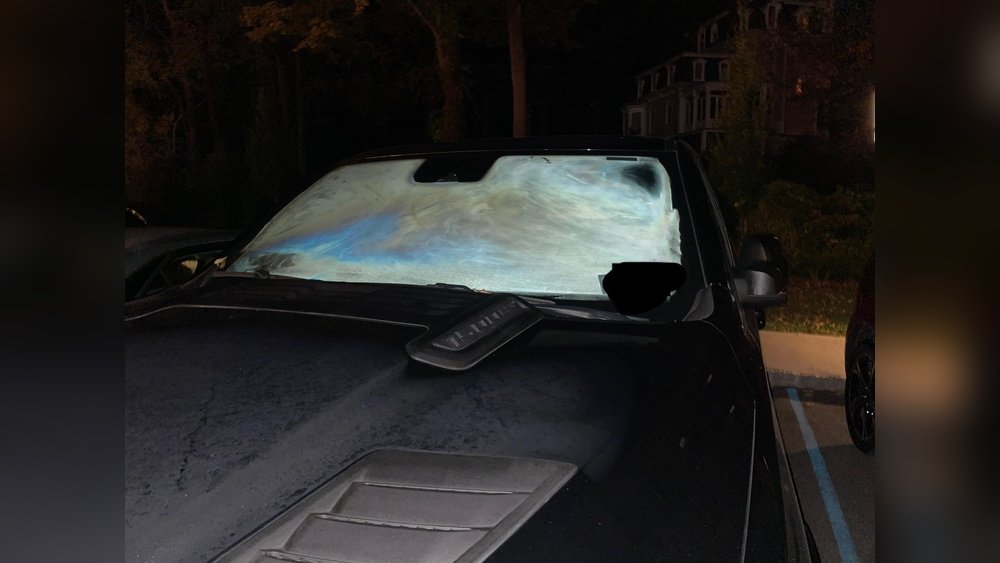
Have you ever been driving and suddenly your car windows fog up from the inside, blocking your view and making it hard to drive safely? It’s frustrating, distracting, and sometimes even dangerous.
But why does this happen in the first place? Understanding the simple science behind foggy car windows can help you fix the problem quickly and prevent it from happening again. You’ll discover exactly why your car windows fog up inside, what causes the moisture buildup, and the easy steps you can take right now to keep your windows clear—no matter the weather outside.
Keep reading to never struggle with foggy windows again!
Causes Of Interior Fogging
Car windows fog up inside due to several common causes. Understanding these causes helps prevent fogging and keeps your view clear. The main reasons involve moisture, temperature, ventilation, and car condition. Each factor plays a role in creating fog on the interior glass.
Moisture Buildup Inside
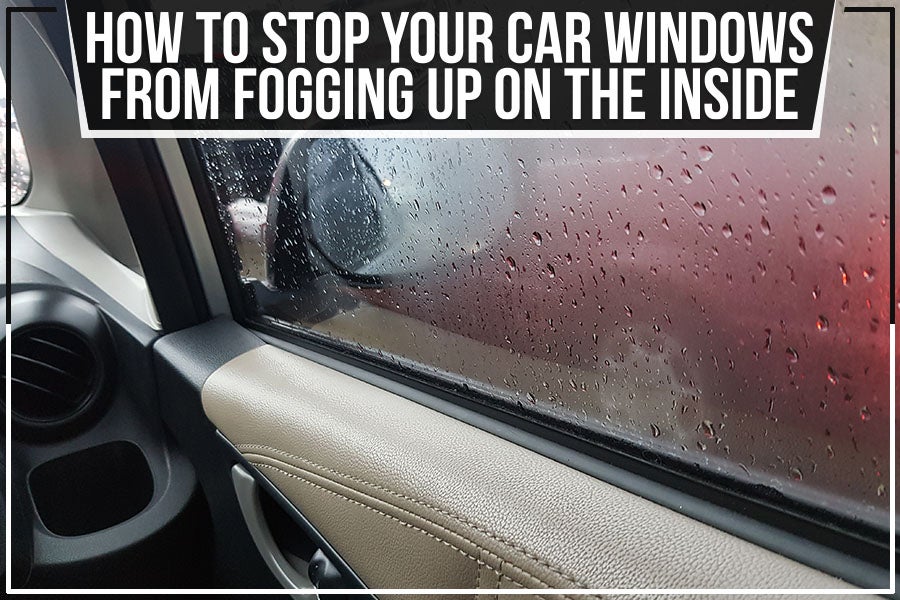
Moisture inside the car is the primary cause of fogging. Breathing, wet clothes, and spills add water vapor to the air. This moisture sticks to cold windows and forms fog. High humidity inside the car increases the chance of foggy windows.
Temperature Differences
Fog forms when warm, moist air meets cold glass. The temperature difference causes water vapor to condense. This condensation appears as fog on the inside of car windows. Large temperature gaps during cold weather make fogging worse.
Poor Ventilation
Bad airflow inside the car traps moist air near the windows. Without fresh air, humidity rises and causes fog. Keeping vents blocked or closed reduces ventilation. This lack of air circulation allows fog to develop quickly.
Leaky Seals And Doors
Leaks in door seals or windows let rain or snow enter the car. Water from these leaks increases moisture inside. This extra water vapor leads to foggy windows. Damaged seals also let cold air in, raising condensation risks.
Effects Of Foggy Windows
Foggy car windows cause more than just annoyance. They affect your driving experience and safety seriously. Moisture on the inside of windows creates a blurry surface. This fog reduces your ability to see clearly through the glass. The effects can be dangerous and uncomfortable for drivers and passengers alike.
Reduced Visibility
Fog on windows blocks your clear view of the road. It makes it hard to spot other vehicles, pedestrians, and traffic signals. This problem worsens at night or during bad weather. Driving with foggy windows can lead to mistakes or slow reactions. It increases the chance of accidents and close calls. Clear windows are essential for safe driving.
Safety Risks While Driving
Driving with foggy windows is risky. Reduced visibility limits your ability to judge distances and speed. You may not see obstacles or hazards in time to react. This situation causes stress and distraction for drivers. Sudden stops or swerves to avoid unseen dangers become more likely. Foggy windows also affect passenger safety in emergencies. Keeping windows clear helps maintain full control of the vehicle and reduces accident risks.
Quick Fixes To Clear Fog
Foggy car windows reduce visibility and can be dangerous. Clearing the fog quickly keeps you safe and confident while driving. Several easy tricks help clear fog fast, using items you already have in your car. These quick fixes stop moisture from sticking and keep your windows clear.
Use A/c And Heat Together
Turn on your air conditioner and the heater at the same time. The A/C removes moisture from the air inside the car. Warm air helps dry the window surface faster. Direct the airflow toward the windshield and side windows. This combo clears fog quickly and keeps windows dry.
Crack Windows For Ventilation
Open your windows slightly to let fresh air in. This balances the temperature inside and outside the car. Moist, warm air escapes, reducing fog buildup. Even a small crack in the window helps stop fog from forming.
Wipe With Microfiber Cloth
Use a clean microfiber cloth to wipe away fog. Microfiber absorbs moisture without scratching glass. Wiping clears fog instantly and improves visibility. Keep a cloth in your glove box for quick access.
Diy Anti-fog Solutions
Create a simple anti-fog spray at home. Mix equal parts water and vinegar or a drop of dish soap in water. Apply a thin layer on the inside of windows. Buff it gently to avoid streaks. This creates a barrier that stops fog from sticking for a short time.
Credit: www.johnleemazda.com
Long-term Prevention Tips
Preventing car windows from fogging up inside requires ongoing care. Moisture builds up over time. Long-term steps help reduce this moisture. These tips keep your windows clear and safe to drive.
Remove Interior Moisture Sources
Check for wet items inside the car. Wet clothes, mats, or spills add moisture. Dry these items quickly. Avoid leaving damp things in the car overnight. This lowers humidity and fogging risks.
Use Dehumidifiers Like Silica Gel
Place silica gel packs inside your car. These absorb moisture from the air. You can also use other dehumidifiers made for cars. Replace or recharge them regularly. This keeps the cabin air dry and windows clear.
Check And Repair Seals
Inspect door and window seals for cracks or damage. Broken seals let rain or moisture inside. Fix or replace damaged seals fast. Good seals stop water from entering and reduce fog inside your car.
Replace Cabin Air Filters
Dirty cabin air filters reduce airflow and increase moisture. Change filters based on your car’s schedule. Clean filters improve air circulation. Better airflow means less fog on the windows.
Keep Windows Clean
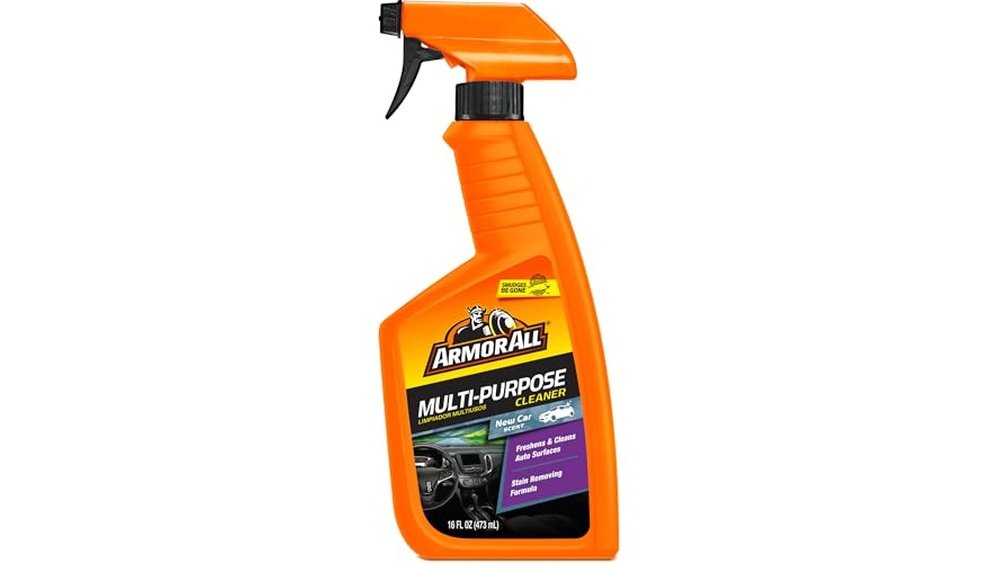
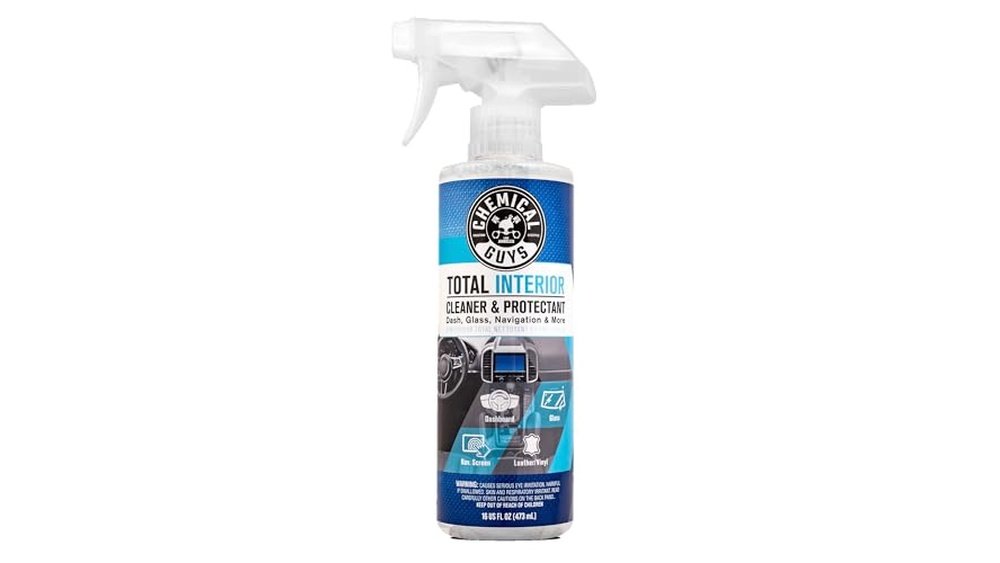
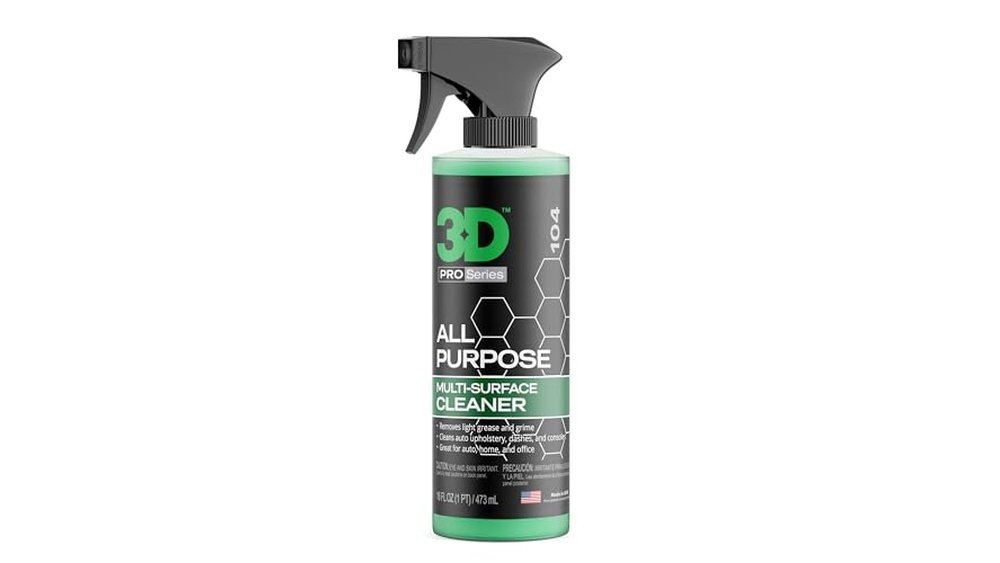
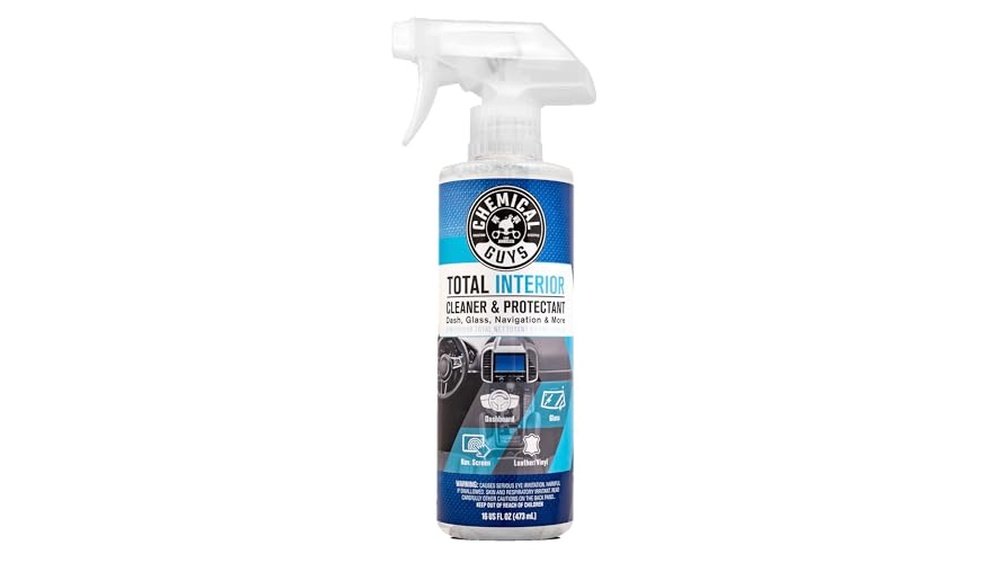
Clean inside windows regularly. Dirt and grease attract moisture and fog. Use a good glass cleaner or a vinegar-water solution. Clean windows help keep fog from forming quickly.
Seasonal Considerations
Car windows fog up due to moisture inside the vehicle. Seasonal changes affect how and why this happens. Temperature and humidity levels shift with the seasons. These shifts create different challenges for keeping windows clear. Understanding these seasonal factors helps manage fogging better.
Each season brings unique conditions inside a car. Cold winters and hot summers cause fog in different ways. Drivers must adjust their methods based on the season. Let’s explore how winter and summer impact car window fogging.
Winter Fogging Challenges
Cold air outside meets warmer air inside. Warm breath and wet clothes add moisture to the cabin. This moisture condenses on cold windows, causing fog. Defrost systems work harder in winter to clear fog. Using the heater and air conditioner together helps remove moisture. Keeping windows clean also reduces fog buildup. Cracking a window slightly lets humid air escape.
Handling Humidity In Summer
Summer heat increases humidity inside the car. Air conditioners cool the air but also remove moisture. Running the A/C on recirculate can trap humid air inside. Opening windows briefly helps exchange humid air for dry air. Sweaty passengers add moisture to the cabin air. Removing wet items like towels or clothes reduces humidity. Clean windows prevent moisture from sticking and fogging up.
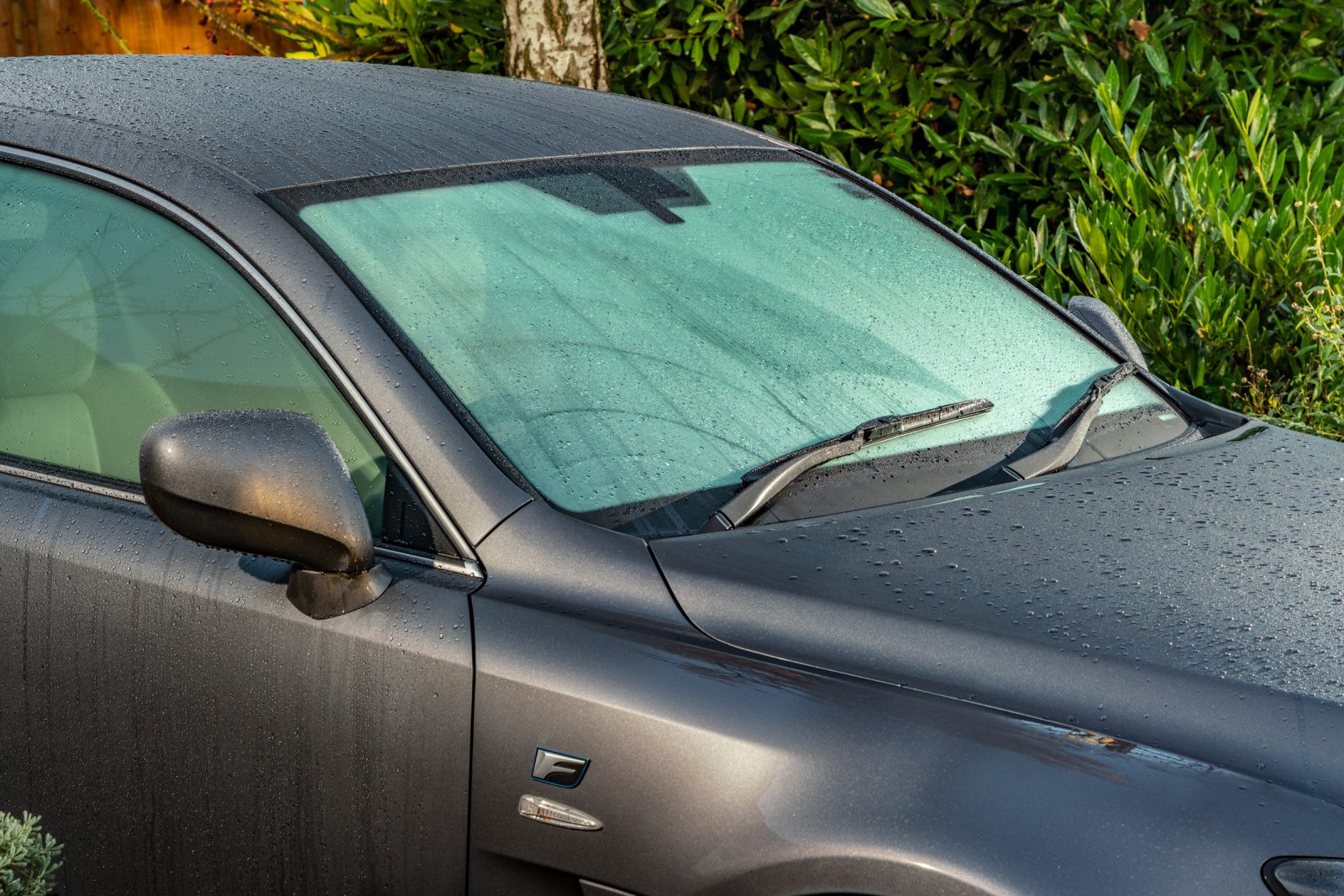
Credit: mag.lexus.co.uk

Credit: www.greasepro.com
Frequently Asked Questions
How To Stop Car Windows From Fogging Up On The Inside?
Use the A/C and heater to remove moisture, keep windows clean, slightly crack them for ventilation, and reduce interior dampness. Place moisture absorbers like silica gel or cat litter inside. Wipe windows with a vinegar or dish soap solution for a temporary anti-fog barrier.
Why Do My Car Windows Get Foggy Inside?
Car windows fog inside due to moisture in warm air contacting cold glass, causing condensation. High humidity, wet items, and poor ventilation increase fogging.
How Do You Get Rid Of Haze On The Inside Of A Windshield?
Use your A/C and heater to remove humidity and warm the glass. Slightly crack windows for ventilation. Clean the inside glass regularly. Apply a thin layer of diluted dish soap or vinegar for a temporary anti-fog barrier. Place silica gel or cat litter inside to absorb moisture.
How To Fix Fogging Inside A Car?
Use the A/C and heat to dehumidify and warm the air. Slightly open windows for ventilation. Clean interior glass regularly. Remove moisture sources like wet mats. Place silica gel or cat litter bags inside to absorb humidity. Wipe fog with a microfiber cloth if needed.
Conclusion
Car windows fog up because warm, moist air meets cold glass. This moisture condenses and creates fog inside the car. Keeping windows clean and ventilated helps reduce fogging. Using air conditioning removes humidity from the air quickly. Small steps like cracking a window or removing wet items can make a big difference.
Checking for leaks and changing cabin filters also help keep moisture out. Understanding these causes makes it easier to prevent foggy windows. Stay safe and enjoy clearer views on every drive.