
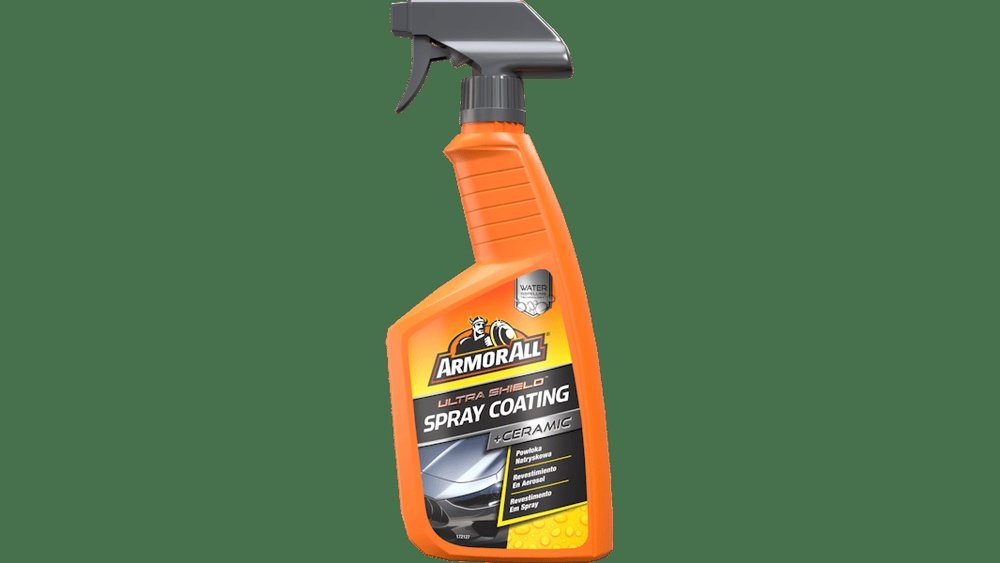
If you want your car to look fresh and protected for years, ceramic coating might be exactly what you need. This powerful liquid polymer bonds directly to your vehicle’s paint, creating a strong shield against dirt, scratches, UV rays, and harsh chemicals.
Imagine water and grime simply sliding off your car, making cleaning easier and less frequent. Whether you’re tired of waxing every few months or worried about damage from the Texas sun, understanding ceramic coating can save you time, effort, and money.
Keep reading to discover how ceramic coating works, why it’s becoming the top choice for car lovers, and how it can transform your vehicle’s appearance and protection.
How Ceramic Coating Works
Ceramic coating provides a durable layer of protection for your vehicle’s paint. It creates a shield that bonds tightly to the surface. This bond improves paint strength and keeps the car looking fresh. The science behind ceramic coating involves several key factors that work together to protect and enhance your car.
Chemical Bonding
The ceramic coating liquid fills tiny pores in the paint’s clear coat. It forms a strong chemical bond called a covalent bond. This bond creates a smooth, unified surface that resists damage. This connection is much stronger than traditional wax or sealants.
Nanoparticle Structure
The coating contains tiny nanoparticles that build a dense, hard layer. These particles link together to form a protective network. This structure helps resist small scratches and swirl marks. The layer acts like a tough shield over the paint.
Hydrophobic Effects
The ceramic coating makes the surface very water-repellent. Water beads up into small drops and rolls off easily. As water moves, it carries dirt and grime away. This effect keeps the surface cleaner and makes washing easier.
Uv And Chemical Shield
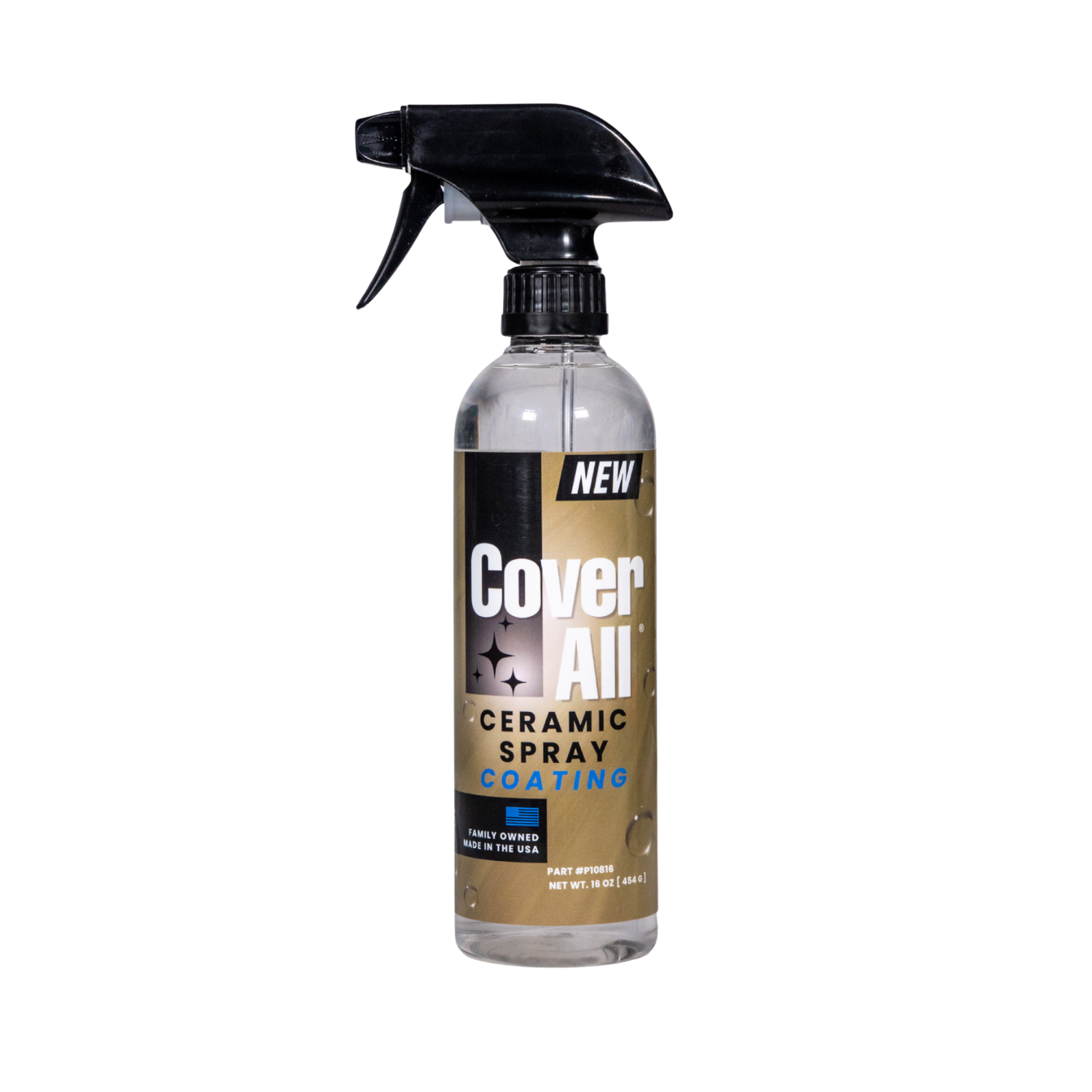
The coating blocks harmful ultraviolet (UV) rays from the sun. UV rays can fade and damage paint over time. The coating also protects against chemicals, bird droppings, and road salt. This shield helps maintain the paint’s color and finish longer.
Credit: superiorproducts.com
Application Steps
Applying ceramic coating is a precise process. Each step ensures the coating bonds well and lasts long. Skipping steps can reduce protection and shine. Follow these application steps carefully for the best results.
Wash And Decontaminate
Start by washing the vehicle thoroughly. Use a quality car shampoo to remove dirt and grime. Next, decontaminate the surface with an iron remover or tar remover. This removes embedded particles that washing alone cannot clear. A clean surface is essential for the coating to stick properly.
Clay Bar And Polish
Use a clay bar to remove bonded contaminants from the paint. This step smooths the surface and prepares it for polishing. After claying, polish the paint to eliminate minor scratches and swirl marks. Polishing creates a flawless finish for the coating to bond evenly.
Surface Prep
Clean the surface with an isopropyl alcohol (IPA) solution. This removes polishing oils and residues left on the paint. Surface prep ensures the coating adheres directly to the paint without any barriers. Use a lint-free cloth for this step to avoid new contaminants.
Coating Application
Apply the ceramic coating using an applicator pad. Work in small sections to ensure even coverage. Use smooth, overlapping motions to spread the coating thinly. Avoid applying too much product as it can cause streaks or uneven curing.
Curing Process
Allow the coating to cure according to the product’s instructions. Usually, it takes a few hours to set initially. Avoid water or dust contact during this time. Full curing can take up to 48 hours for maximum hardness and durability.
Key Benefits
Ceramic coating offers many advantages for vehicle owners. It protects and enhances your car’s appearance. This protective layer creates a barrier that keeps your paint safe. The benefits go beyond just looks. Ceramic coating also makes maintenance easier and lasts a long time. Here are the key benefits explained.
Superior Paint Protection
Ceramic coating shields paint from scratches and minor damage. It forms a hard layer that resists swirl marks. The coating blocks harmful UV rays that cause fading. It also protects against chemicals like bird droppings and road salt. This keeps your paint looking fresh and new.
Enhanced Gloss And Shine
The coating adds a deep, glossy finish to your car. It makes the paint look smooth and wet. This shine lasts longer than traditional wax or sealants. It highlights your vehicle’s color and enhances its overall look. Your car will stand out with a brilliant shine.
Ease Of Cleaning
Ceramic coating creates a hydrophobic surface. Water beads up and rolls off easily, taking dirt with it. This reduces the effort needed to wash your car. It also prevents grime from sticking firmly. Cleaning becomes faster and less frequent, saving time and effort.
Long-lasting Durability
Unlike wax, ceramic coatings last for years. The strong bond with the paint resists wear and tear. It does not wash away easily during rain or car washes. This durability means you get long-term protection and beauty. Your car stays protected without frequent reapplication.
Maintenance Tips
Maintaining ceramic coating keeps your vehicle looking fresh and protected. Proper care extends the coating’s life and preserves its shine. Follow simple tips to avoid damage and keep the surface smooth and clean.
Washing Techniques
Use a gentle, pH-neutral car shampoo to wash your vehicle. Avoid automatic car washes with brushes that can scratch the coating. Wash with a soft microfiber mitt to protect the surface. Rinse thoroughly to remove all soap residues. Dry the car with a clean, soft microfiber towel to prevent water spots.
Avoiding Harsh Chemicals
Steer clear of strong detergents, acidic cleaners, and abrasive polishes. These products can break down the ceramic coating. Use products specifically designed for coated surfaces. Avoid solvents and degreasers that may harm the protective layer. Gentle cleaning agents keep the coating intact and effective.
Periodic Inspection
Check your vehicle’s surface regularly for any damage or wear. Look for water spots, dirt buildup, or dull areas. Early detection helps prevent long-term damage. Inspect edges and corners where coating may wear faster. Schedule professional reapplication if needed to maintain full protection.
Common Myths
Ceramic coating is popular, but many misunderstandings exist. These myths can confuse car owners. Knowing the facts helps make better choices. Let’s clear up some common myths about ceramic coating.
Ceramic Coating Vs Wax
Many think ceramic coating and wax do the same job. Wax creates a thin, soft layer on paint. It lasts weeks and offers some shine.
Ceramic coating forms a hard, durable bond with the paint. It lasts years and protects better from dirt and chemicals. Wax needs frequent reapplication. Ceramic coating is more permanent and robust.
Scratch Resistance Limits
Ceramic coating is often called scratch-proof. This is not true. It protects against minor scratches and swirl marks. Deep scratches or chips still can happen.
The coating adds a tough layer but does not make paint invincible. Gentle care and proper washing remain essential. Think of ceramic coating as extra protection, not a shield against all damage.
Diy Vs Professional Application
Applying ceramic coating yourself is possible but tricky. Preparation is key. The surface must be perfectly clean and smooth. Any dirt or scratches stay trapped under the coating.
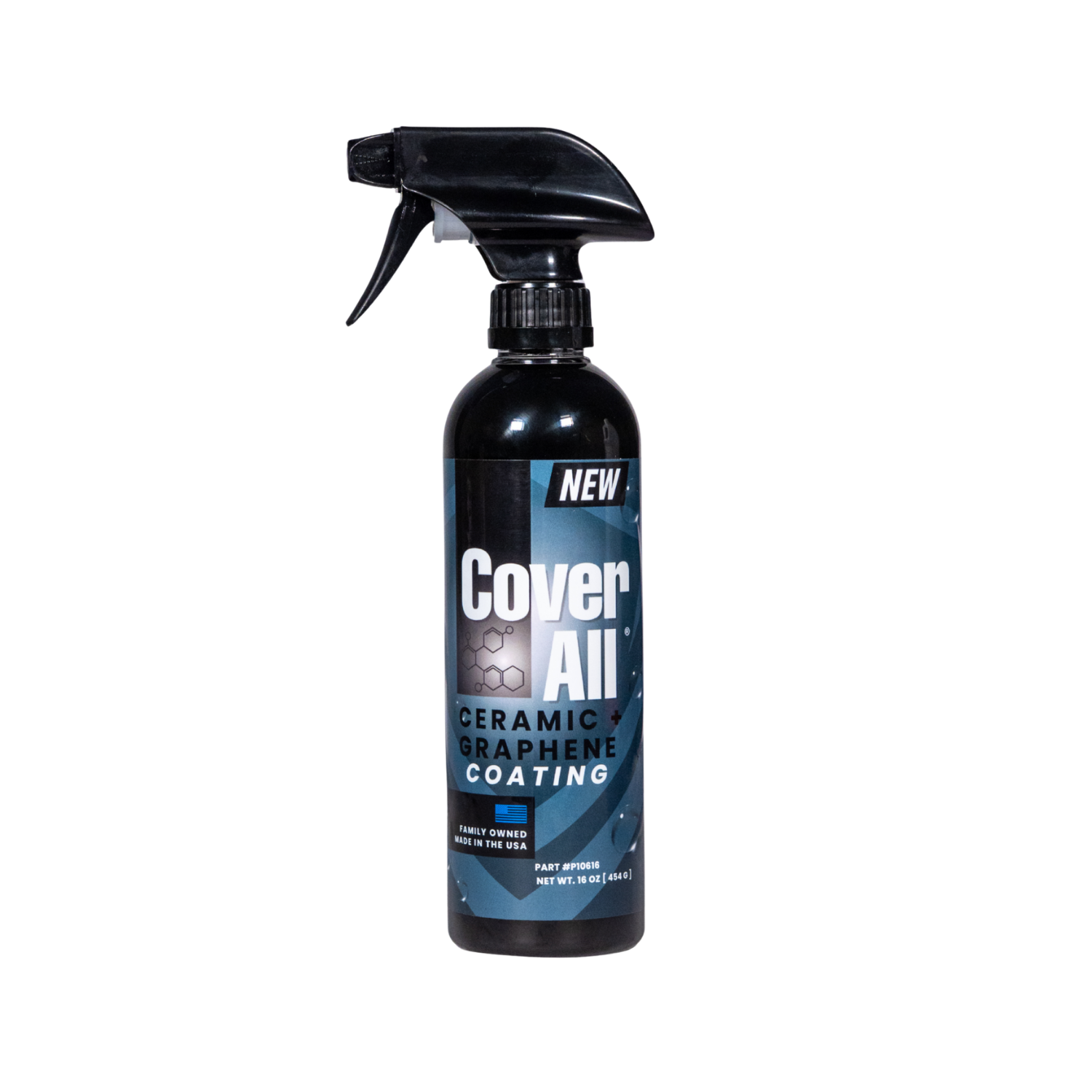
Professionals have tools and experience for perfect prep and application. They often offer warranties and better results. DIY kits save money but require time and patience. Poor application reduces coating lifespan and effectiveness.
Credit: superiorproducts.com
Cost And Value
Ceramic coating offers strong protection and a shiny finish for vehicles. Understanding its cost and value helps car owners make smart choices. The investment might seem high at first. Yet, the benefits often outweigh the initial price. Long-term savings and easier maintenance add to its appeal.
Price Range
The price for ceramic coating varies widely. Basic coatings start around $300. High-end professional services can cost over $2,000. Factors such as vehicle size and coating type affect pricing. DIY kits are cheaper but require skill and time. Professional application ensures best results but costs more.
Cost Vs Longevity
Ceramic coatings last much longer than waxes or sealants. A quality coating can protect paint for 2 to 5 years. This durability reduces the need for frequent reapplication. Spending more upfront saves money on regular maintenance. The coating’s strong bond resists damage and keeps the paint fresh.
Saving On Detailing
The hydrophobic nature of ceramic coatings repels dirt and water. This reduces the frequency of car washes and detailing sessions. Less time and money are spent on cleaning products and labor. Minor scratches and swirl marks also become less common. Overall, the coating lowers upkeep costs over time.
Choosing The Right Product
Choosing the right ceramic coating product is key to protecting your vehicle. The market offers many options, each with different features. Understanding these can help you pick a product that fits your needs and budget. This guide breaks down the types of coatings, quality signs, and trusted brands.
Types Of Coatings
Ceramic coatings vary by their chemical makeup and durability. Some contain a high amount of SiO2, providing stronger protection. Others mix SiO2 with quartz or titanium for added hardness. There are also coatings designed for beginners, which are easier to apply but may last less time. Pick a type based on how long you want the protection to last and how much effort you want to spend on application.
Quality Indicators
Look for coatings with a high percentage of SiO2; this means better durability. Check product reviews for real user experiences. A good coating should resist scratches, chemicals, and UV rays. It should also create a hydrophobic surface that repels water and dirt. Packaging with clear instructions and safety data shows the manufacturer cares about quality.
Brand Recommendations
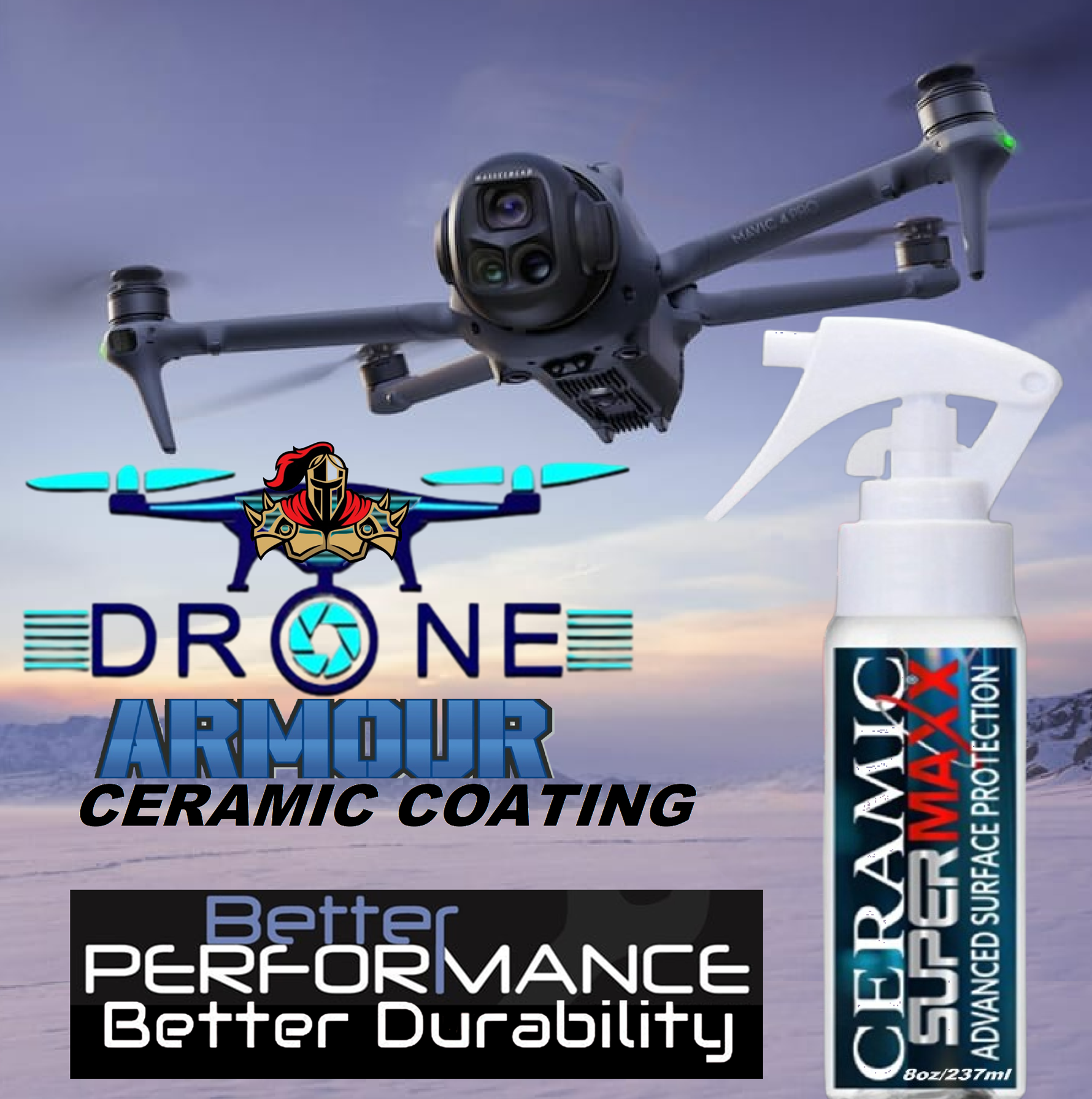
Trusted brands often offer reliable ceramic coatings with proven results. Brands like CarPro, Gtechniq, and Adam’s Polishes have strong reputations. These companies provide detailed instructions and customer support. Choosing a well-known brand reduces the risk of poor performance. Always buy from official sources to avoid fake products.
Credit: buysupermaxx.com
Frequently Asked Questions
What Is The Downside To Ceramic Coating?
Ceramic coating can be costly and requires professional application. It doesn’t prevent all scratches and needs proper maintenance.
Can I Go Through A Regular Car Wash With Ceramic Coating?
Yes, you can use a regular car wash with ceramic coating. Choose touchless or gentle washes to protect the coating’s durability and shine. Avoid harsh brushes to prevent scratches and maintain its hydrophobic properties longer. Regular cleaning helps preserve the coating’s effectiveness and appearance.
Is It Worth Getting A Ceramic Coating On A Car?
Ceramic coating protects car paint with a durable, hydrophobic layer. It enhances shine, repels dirt, and resists UV damage, lasting years and simplifying cleaning.
Can I Wax Over Ceramic Coating?
You can wax over ceramic coating to enhance shine and add a sacrificial layer. Use a non-abrasive wax and apply sparingly. Waxing won’t damage the ceramic coating but isn’t necessary for protection, as the coating already offers durable defense against contaminants and UV rays.
Conclusion
Ceramic coating offers strong, long-lasting protection for vehicles. It creates a smooth, glossy surface that resists dirt and scratches. The coating helps keep cars cleaner and easier to wash. It also shields paint from harmful UV rays and chemicals. Proper application is key for the best results.
This simple layer can save time and effort in car care. Ceramic coating is a smart choice for those wanting lasting shine and protection.














