
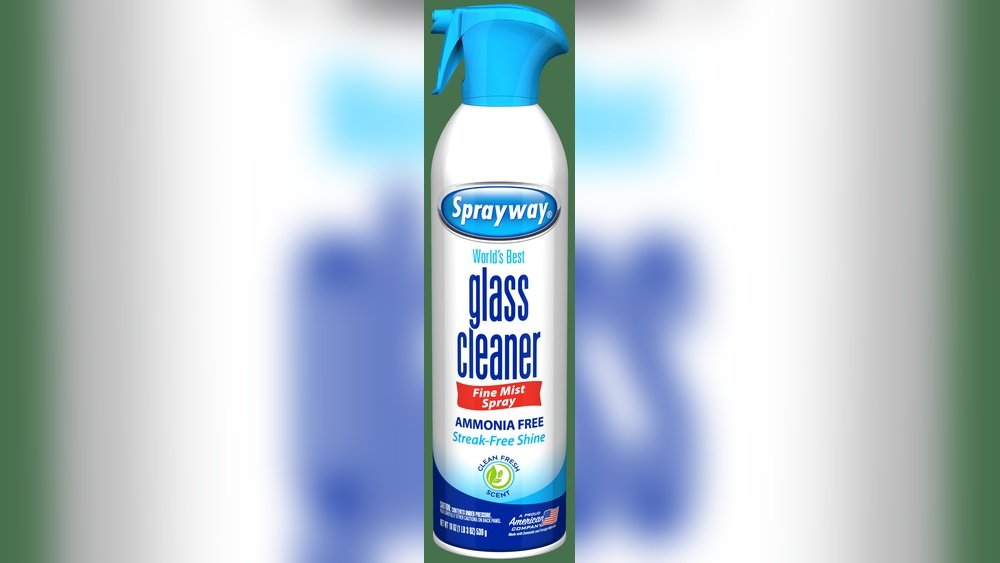
When it comes to keeping your car’s glass spotless, choosing the right cleaner makes all the difference. You might be wondering: should you go for ammonia-based glass cleaners or switch to ammonia-free options?
Each has its own benefits and risks, especially when it comes to your car’s windows and tinted surfaces. You’ll discover how ammonia-free and ammonia glass cleaners stack up against each other. By the end, you’ll know exactly which type protects your car while giving you that crystal-clear, streak-free shine you want.
Keep reading to find out which glass cleaner is truly best for your vehicle.

Credit: windex.com
Ammonia Glass Cleaners
Ammonia glass cleaners have been popular for many years. They contain ammonia, a chemical known for its strong cleaning ability. Many car owners trust these cleaners to give their windows a clear, streak-free shine. The powerful formula can break down tough dirt and grime fast.
These cleaners work well on glass surfaces but need careful use around cars. Ammonia can affect some materials on vehicles. Understanding how ammonia glass cleaners perform helps choose the right product.
Cleaning Power
Ammonia glass cleaners remove dirt, grease, and smudges quickly. The chemical breaks down stubborn stains better than many other cleaners. It evaporates fast, leaving glass bright and clear without streaks. This makes them effective for car windows and mirrors.
Effects On Car Surfaces
Ammonia can damage some car parts, especially tinted windows. It may cause discoloration or weaken tint films over time. Paint and rubber seals might also suffer if exposed often. Using ammonia cleaners only on glass is best to avoid harm.
Health And Safety Concerns
Ammonia fumes can irritate eyes, nose, and throat. Breathing in the gas may cause coughing or shortness of breath. Always use these cleaners in well-ventilated areas. Wearing gloves protects skin from irritation. Keeping ammonia cleaners away from children is important.
Ammonia-free Glass Cleaners
Ammonia-free glass cleaners offer a gentle yet effective option for car owners. They clean your windows without harsh chemicals. These cleaners work well on all types of glass surfaces. Many people prefer them to protect their car’s finish and health.
Cleaning Effectiveness
Ammonia-free cleaners remove dirt and grime without streaks. They dissolve oils and fingerprints with ease. These products dry quickly and leave a clear shine. They perform well even on tough spots like bug splatter. Many users find the results just as good as ammonia-based cleaners.
Benefits For Tinted Windows
Tinted windows need special care to avoid damage. Ammonia can cause tint film to bubble or peel. Ammonia-free cleaners are safe for all tint types. They clean glass gently without harming the tint layer. Using ammonia-free products helps keep your windows clear and protected longer.
Environmental And Health Impact
Ammonia-free cleaners reduce harmful fumes in the air. They are less irritating to eyes and skin. These products are safer to use indoors and in tight spaces. They often contain biodegradable ingredients that break down naturally. Choosing ammonia-free options supports a healthier environment and personal well-being.
Performance Comparison
Choosing between ammonia-free and ammonia glass cleaners depends on how well they perform on car windows. Performance affects how clean and clear your glass looks after use. This section compares key aspects of both types to help you understand their strengths and weaknesses.
Streak-free Shine
Ammonia-based cleaners often deliver a bright, streak-free shine quickly. They dissolve grease and dirt efficiently, leaving glass clear. Ammonia-free cleaners can also produce a streak-free finish, but may require a bit more effort. Using a clean microfiber cloth improves results for both types. Sunlight and heat can cause streaks, so cleaning in shade is better.
Residue And Glare Issues
Ammonia cleaners sometimes leave a slight residue that causes glare under sunlight. This can reduce visibility while driving. Ammonia-free options tend to leave less residue, lowering glare risk. They are gentler on window tints and coatings. Both types need proper wiping to avoid streaks and haze.
Long-term Surface Effects
Ammonia can damage rubber seals and window tints over time. It may cause fading or cracking with frequent use. Ammonia-free cleaners are safer for these surfaces and car paint. They help maintain the glass and surrounding materials longer. Regular cleaning with gentle products protects your car’s appearance.
Application Tips
Proper application of ammonia-free and ammonia-based glass cleaners enhances results. Understanding correct techniques protects your car’s surfaces. Follow these tips for safer, cleaner car windows and mirrors.
Best Practices For Use
Apply the cleaner on a cool surface away from direct sunlight. Spray a small amount to avoid excess moisture. Use gentle circular motions to lift dirt. Wipe softly to prevent streaks. Work section by section for even cleaning. Always read product instructions before use.
Avoiding Damage On Paint And Seals
Keep the cleaner off painted areas and rubber seals. Ammonia can cause fading or cracking over time. Use ammonia-free products near sensitive parts. If ammonia cleaner touches paint, rinse immediately with water. Test in a hidden spot on tinted windows first. Protect seals by wiping with a damp cloth after cleaning glass.
Two-towel Cleaning Method
Use two clean microfiber towels for best results. First towel removes dirt and cleaner residue. Second towel buffs glass to a clear shine. This method reduces streaks and lint buildup. Change towels if they get too dirty. Always use soft, lint-free cloths to avoid scratches.
Choosing The Right Cleaner
Choosing the right glass cleaner for your car matters. It affects visibility and safety. Ammonia-based cleaners are strong and cut through grime fast. Ammonia-free options are gentler and safer for tinted windows. Understanding the pros and cons helps you pick the best product.
Think about your car’s window type and any special coatings. Some cleaners can damage tints or paint. The climate in Austin, Texas, also plays a role. Dust and heat can change how cleaners work. Here is a guide to help car owners make smart choices.
Considerations For Car Owners
Check if your windows have tint or special coatings. Ammonia can cause fading or bubbles on tints. Ammonia-free cleaners are safer for delicate surfaces. Consider allergies or sensitivity to strong smells. Ammonia fumes can irritate eyes and throat. Use cleaners outdoors or in well-ventilated areas. Test any new cleaner on a small spot first.
Recommendations For Different Window Types
For tinted windows, pick ammonia-free glass cleaners. They clean well without harming the tint film. Clear glass windows handle ammonia-based cleaners better. They offer a streak-free shine quickly. Plastic or acrylic windows need gentle cleaners. Avoid harsh chemicals that cause cloudiness or cracks. Use microfiber cloths to prevent scratches on all surfaces.
Popular Products In Austin, Texas
Many Austin car owners prefer these top glass cleaners:
- Windex® Ammonia-Free Glass Cleaner – safe for tints, easy to find.
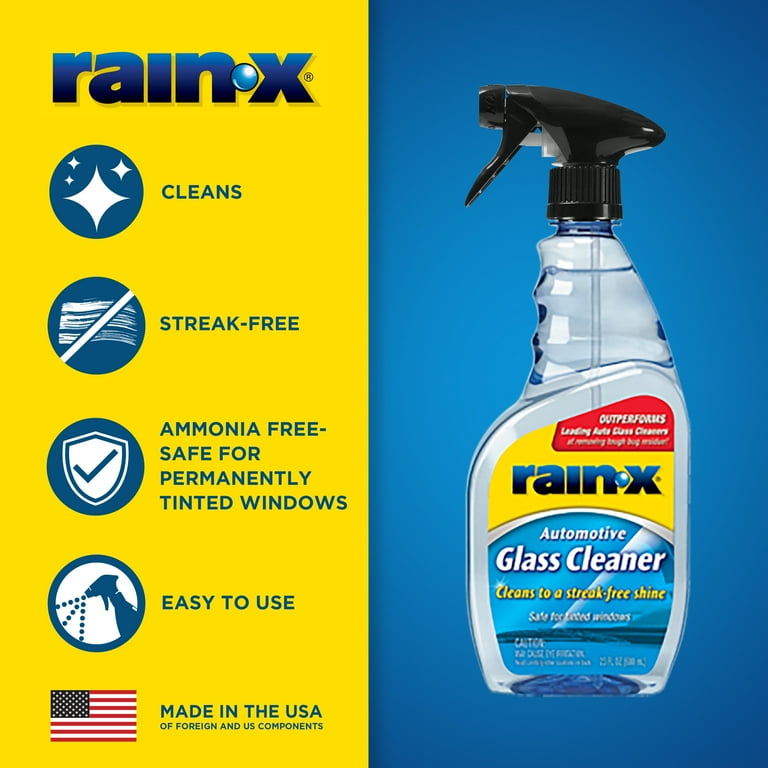
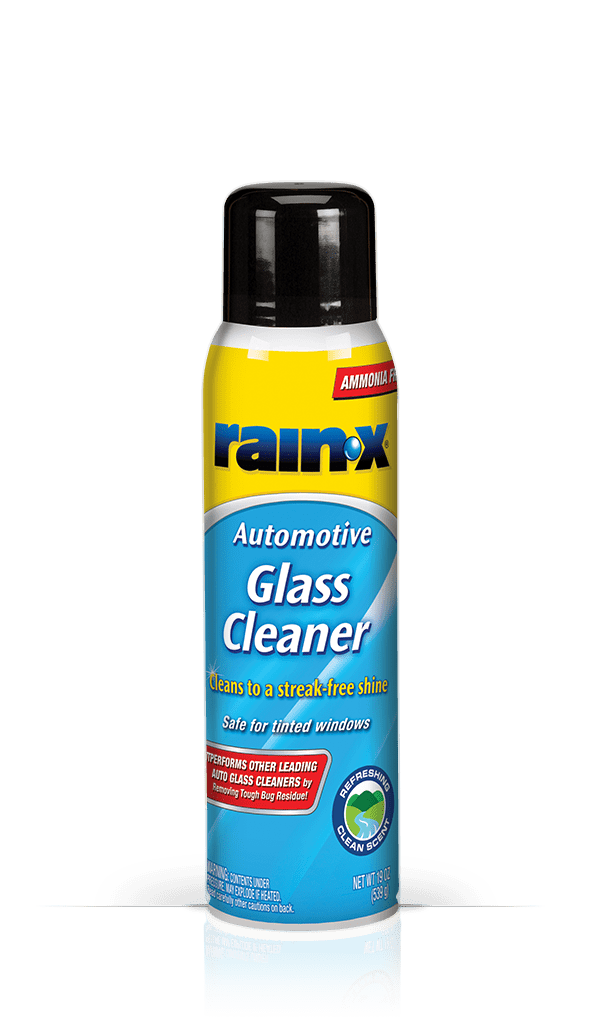
- Rain-X Glass Cleaner – repels water and cleans well without ammonia.
- Armor All Glass Cleaner – removes tough grime and is tint-friendly.
- Invisible Glass Premium Glass Cleaner – streak-free and ammonia-free.
These products fit Austin’s climate and vehicle needs. Most local stores stock them. Choose one based on your car’s glass type and personal preference.
Credit: www.walmart.com
Credit: www.rainx.com
Frequently Asked Questions
Is Glass Cleaner Better With Or Without Ammonia?
Glass cleaner with ammonia cleans tough grime and leaves streak-free shine but can irritate skin and damage tinted windows. Ammonia-free is safer for delicate surfaces and tinted glass, offering effective cleaning without harsh fumes. Choose based on surface sensitivity and ventilation availability.
Can I Use Ammonia-free Glass Cleaner On My Car?
Yes, ammonia-free glass cleaner is safe for car windows and tint. Avoid using it on painted surfaces to prevent damage.
What Is The Best Glass Cleaner For Cars?
The best glass cleaner for cars is ammonia-free, like Windex Ammonia-Free or Rain-X Glass Cleaner. They prevent damage to tint and paint while providing a streak-free shine. Use on cool surfaces and avoid direct sunlight for optimal results.
Is Ammonia In Glass Cleaner Bad For You?
Ammonia in glass cleaner can irritate skin, eyes, and lungs. Use in well-ventilated areas and avoid prolonged exposure.
Conclusion
Choosing between ammonia-free and ammonia glass cleaners depends on your needs. Ammonia cleaners work fast and leave windows shiny. Yet, they can irritate skin and damage tinted glass. Ammonia-free cleaners are gentler and safer for all surfaces. They clean well but may need more effort.
Always test cleaners on a small area first. Use a soft cloth to avoid scratches. Both types can keep your car windows clear and streak-free. Your choice should balance cleaning power and safety. Clean smart, drive safe, and enjoy clear views every time.














