
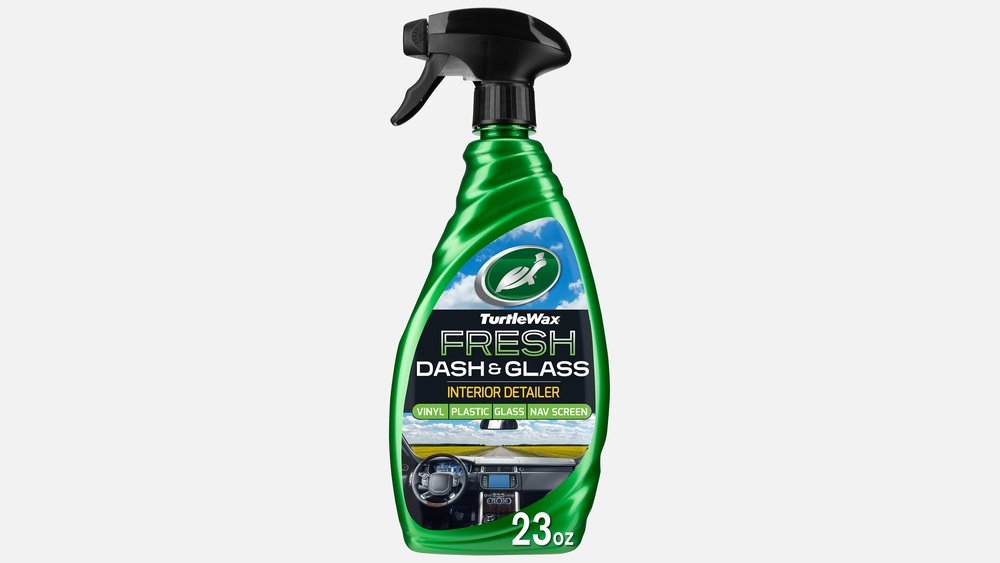
You probably rely on automotive glass cleaners to keep your car windows spotless and clear. But have you ever stopped to wonder if these cleaners are truly safe for your car’s plastic surfaces and delicate display screens?
Using the wrong product could leave ugly streaks, damage coatings, or even cause permanent cloudiness. If you want to protect your vehicle’s interior and keep everything looking sharp, it’s important to know which cleaners work without harm. You’ll discover the truth about automotive glass cleaners and their safety on plastics and displays—so you can clean smarter, not harder.
Keep reading to avoid costly mistakes and keep your car’s surfaces shining like new.
Types Of Automotive Glass Cleaners
Automotive glass cleaners come in different types, each with unique ingredients and uses. Choosing the right cleaner matters, especially for plastic surfaces and vehicle displays. Understanding these types helps protect your car’s interior and exterior surfaces while keeping them spotless.
Ammonia-based Cleaners
Ammonia-based cleaners are common for glass cleaning. They remove dirt and grease effectively and dry quickly. Yet, ammonia can damage plastic and tinted windows. It may cause cloudiness or cracks on sensitive surfaces. Avoid using these cleaners on displays and plastic parts inside your car.
Ammonia-free Alternatives
Ammonia-free cleaners offer a safer option for plastic and displays. They use gentler ingredients that clean without harsh chemicals. These cleaners reduce the risk of damage and streaks. Ammonia-free products work well on touchscreens, dashboards, and plastic trims.
Foaming Vs. Liquid Cleaners
Foaming cleaners create a thick foam that clings to surfaces. This foam lifts dirt gently and prevents dripping. Liquid cleaners spread quickly and are easy to wipe off. Foaming types reduce streaks and often suit delicate surfaces better. Liquid cleaners may clean faster but require careful use on plastics.

Credit: www.amazon.com
Plastic And Display Materials
Plastic and display materials are common inside modern vehicles. These surfaces require gentle care. Using the wrong cleaner may cause damage, cloudiness, or scratches. Understanding the types of plastics and coatings helps choose safe cleaning products.
Common Plastic Types In Vehicles
Vehicles use many plastic types like polycarbonate, ABS, and polypropylene. These plastics appear on dashboards, trims, and panels. They are durable but can react badly to harsh chemicals. Ammonia-based cleaners often cause fading or cracking. Choose cleaners designed specifically for plastic surfaces to avoid damage.
Touchscreen And Display Coatings
Touchscreens and displays have special coatings to reduce glare and fingerprints. These coatings are delicate and can wear off easily. Using abrasive or chemical cleaners can strip these layers. Always use a soft microfiber cloth with a gentle cleaner made for electronics. Avoid sprays that drip or pool on the screen.
Acrylic And Plexiglass Sensitivity
Acrylic and plexiglass are common in instrument covers and windows. These materials are very sensitive to chemicals. Many glass cleaners cause clouding and micro-scratches on acrylic surfaces. Use cleaners labeled safe for acrylic or just mild soap and water. Avoid ammonia or alcohol-based products to keep surfaces clear and smooth.
Risks Of Using Glass Cleaners On Plastics
Automotive glass cleaners often contain strong chemicals designed for glass surfaces. Using these cleaners on plastics and displays can cause damage. Plastics react differently to chemicals than glass. This can lead to visible and permanent harm. Understanding the risks helps protect your car’s interior and electronics.
Chemical Damage And Clouding
Many glass cleaners have ammonia and alcohol. These chemicals break down plastic fibers. This causes the surface to become cloudy or hazy. Clouding reduces visibility and ruins the look of plastic parts. Clear plastics like acrylic are especially vulnerable. The damage may appear after just one use.
Micro-scratches And Surface Wear
Some glass cleaners contain abrasives or rough particles. These can create tiny scratches on plastic surfaces. Over time, these micro-scratches build up. They make the plastic look dull and worn. This is common on display screens and plastic trims. Scratches also trap dirt, making cleaning harder.
Coating Stripping On Displays
Many vehicle displays have special coatings to reduce glare and fingerprints. Harsh glass cleaners can strip away these coatings. Once removed, the screen may reflect light poorly. Touch sensitivity may also decrease. This reduces screen clarity and usability. Use only cleaners made for electronics to avoid this risk.
Safe Cleaning Practices For Plastic And Displays
Cleaning plastic surfaces and displays in your vehicle requires special care. These materials are delicate and can easily get damaged by harsh chemicals. Using the wrong cleaner may cause cloudiness, scratches, or even damage the display’s protective layer. Safe cleaning practices help maintain clarity and extend the life of these surfaces. Follow simple steps and choose the right products to keep your car’s interior looking new and clear.
Choosing The Right Cleaner
Select cleaners labeled safe for plastic and screens. Avoid products containing ammonia or alcohol. These chemicals can cause clouding or damage. Look for gentle, non-abrasive formulas. Many plastic-safe cleaners are designed for automotive use. Using the correct cleaner protects surfaces and keeps them clear.
Proper Cleaning Tools
Use soft microfiber cloths for cleaning plastic and displays. Avoid paper towels or rough fabrics that can scratch. Use a clean cloth to prevent dirt from causing damage. Gentle tools help remove dirt without harming delicate surfaces. Keeping tools clean ensures effective and safe cleaning.
Step-by-step Cleaning Method
Start by turning off the display or screen. Spray a small amount of cleaner on the cloth, not directly on the surface. Wipe the surface gently in a circular motion. Avoid pressing hard to prevent damage. Use a dry cloth to remove any leftover cleaner. Repeat if needed but do not over-wet the surface.
Recommended Products For Plastic And Displays
Choosing the right cleaner for plastic and display surfaces in your vehicle is vital. Many automotive glass cleaners contain harsh chemicals. These can damage sensitive plastics and screen coatings. Using safe, ammonia-free products helps protect these surfaces. Below are some trusted options that clean well without harm.
Clearview Plastic And Glass Cleaner
ClearView is designed for both plastic and glass surfaces. It contains no ammonia or harsh chemicals. This cleaner foams gently, lifting dirt without scratching. ClearView leaves a clear, streak-free shine. It works well on dashboards, instrument panels, and displays. Many drivers trust it to keep their interiors looking fresh.
Chemical Guys Total Interior Cleaner
Chemical Guys Total Interior Cleaner is a versatile product. It cleans plastic, vinyl, and rubber surfaces safely. This cleaner is also ammonia-free and gentle on screens. It removes grime and fingerprints without leaving residue. Users appreciate its fresh scent and easy spray application. It helps maintain the original look of interior plastics.
Other Ammonia-free Cleaners
Many brands offer ammonia-free cleaners suitable for plastics and displays. Look for products labeled safe for acrylic, plexiglass, or LCD screens. These cleaners avoid harsh solvents that cause cloudiness and damage. Use a soft microfiber cloth to apply and dry. This method reduces streaks and protects delicate surfaces. Always test any cleaner on a small area first.
Common Mistakes To Avoid
Many people make simple errors that can damage plastic and display surfaces. Avoiding these common mistakes keeps screens and plastics clear and scratch-free. Understanding the right cleaning methods is essential for long-lasting results.
Wrong cleaning habits often cause more harm than good. Below are key mistakes to watch out for when cleaning automotive plastics and displays.
Using Household Glass Cleaners
Household glass cleaners often contain ammonia. Ammonia can damage plastic and screen coatings. It may cause cloudiness or permanent marks. Avoid using these cleaners on plastic or display surfaces. Instead, choose products designed for automotive plastics.
Applying Cleaners Directly To Screens
Spraying cleaners directly on screens risks liquid seeping inside. This can harm internal electronics. Always apply cleaner to a microfiber cloth first. Then gently wipe the screen. This method protects sensitive components and prevents streaks.
Ignoring Manufacturer Guidelines
Each car and device may have specific cleaning instructions. Ignoring these guidelines can void warranties or cause damage. Always check the manual or manufacturer website before cleaning. Follow their advice for safe and effective care.
Maintaining Visibility And Screen Integrity
Maintaining visibility and screen integrity is essential for safe driving. Clean windows and clear displays help drivers see the road and access vehicle controls without distraction. Using the right cleaning methods protects both plastic surfaces and delicate screens from damage. This section covers how to clean effectively while preserving your car’s glass and display quality.
Regular Cleaning Frequency
Cleaning your automotive glass and displays often keeps dirt and grime from building up. Frequent cleaning reduces the chance of scratches from particles. Avoid waiting for heavy buildup; light daily cleaning works best. Use gentle, suitable cleaners made for plastic and screens. This habit maintains clear visibility and extends the life of your surfaces.
Protecting Anti-reflective Coatings
Many car displays have anti-reflective coatings that improve screen clarity. Harsh chemicals can wear down these coatings quickly. Choose cleaners free of ammonia and alcohol to avoid damage. Soft microfiber cloths help prevent scratches on coated surfaces. Protecting coatings keeps your screen easy to read in bright light.
Handling Streaks And Residue
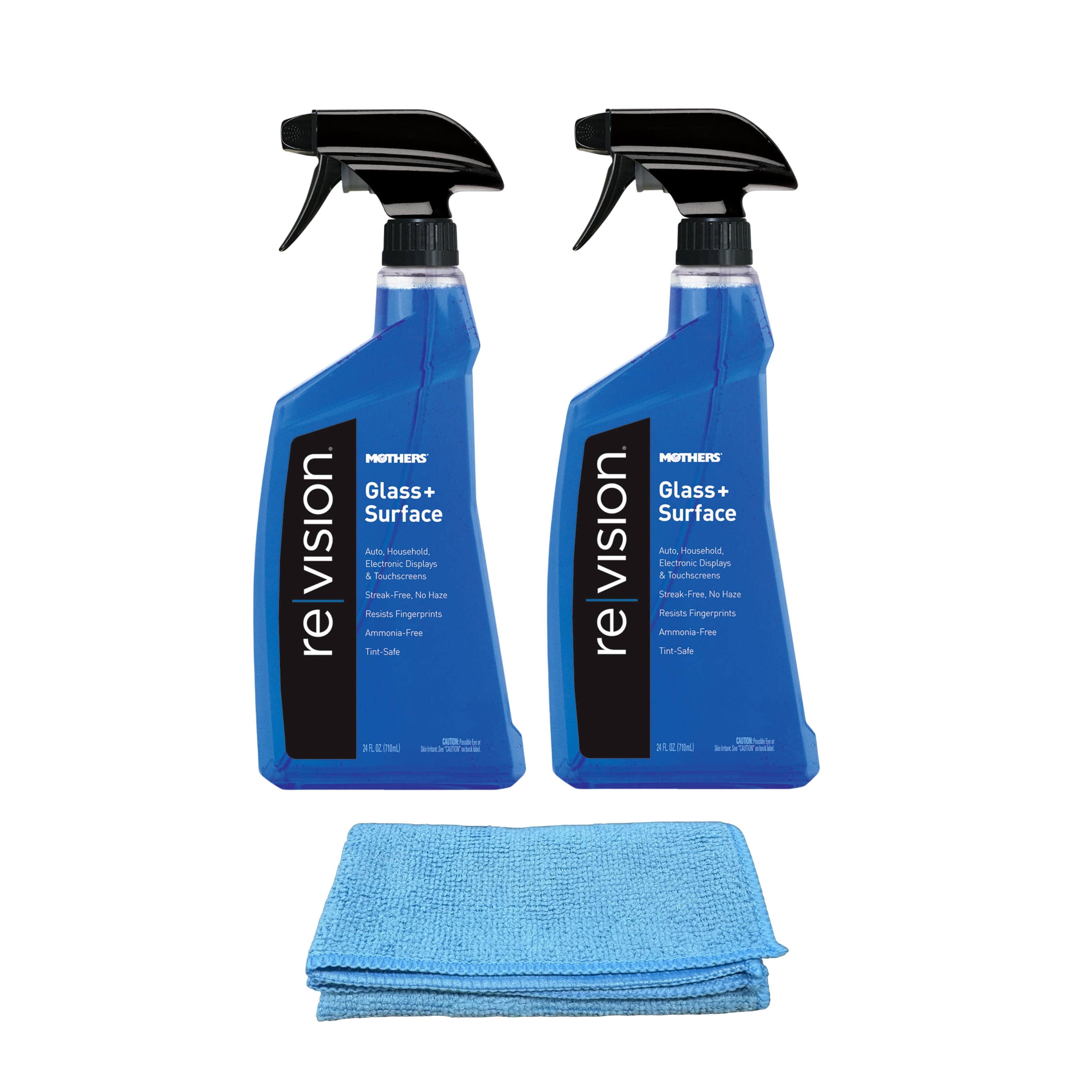
Streaks and residue reduce visibility and create distractions. Use a clean, dry microfiber cloth to buff away streaks after cleaning. Avoid paper towels, which can leave fibers behind. Spray cleaner on the cloth, not directly on surfaces, to control moisture. Proper drying ensures a clear, streak-free finish every time.
Credit: www.walmart.com

Credit: www.amazon.com
Frequently Asked Questions
What Glass Cleaner Is Safe For Plastic?
Use ammonia-free glass cleaners labeled safe for plastic. ClearView Plastic and Glass Cleaner works well without causing damage or residue. Avoid cleaners with harsh chemicals to protect plastic surfaces.
Is There A Difference Between Glass Cleaner And Automotive Glass Cleaner?
Automotive glass cleaners avoid ammonia, protecting car glass and plastic surfaces. Regular glass cleaners often contain ammonia, which can damage automotive glass and displays.
What Can You Use To Clean A Car Display Screen?
Use a microfiber cloth and a screen-safe cleaner without ammonia or alcohol to gently clean a car display screen. Avoid harsh chemicals to prevent damage.
Can You Clean Plastic With Glass Cleaner?
Avoid using regular glass cleaners on plastic; ammonia and harsh chemicals can cause cloudiness and damage. Use ammonia-free, plastic-safe cleaners instead.
Conclusion
Automotive glass cleaners can harm plastic and displays if they contain ammonia. Choose ammonia-free products to protect surfaces and avoid damage. Always test cleaners on a small, hidden area first. Use soft, lint-free cloths to prevent scratches. Clean gently and avoid harsh chemicals.
Proper care keeps screens and plastic clear and lasting longer. Protect your vehicle’s interior by selecting safe cleaning solutions. Simple habits make a big difference in maintenance and appearance.














