Have you ever looked at your tires and noticed that dull, sticky layer of old tire dressing that just won’t come off? If you’re tired of that worn-out shine or grime ruining your car’s look, you’re not alone.
Removing old tire dressing can be tricky—too harsh, and you risk damaging your tires or wheels; too gentle, and the residue stays put. But don’t worry, you’re about to discover the best way to get your tires looking fresh and clean again, without any hassle or damage.
Keep reading, because we’ll guide you step-by-step through simple, effective methods that anyone can do, saving you time, money, and frustration. Your tires deserve to shine the right way!
Credit: adamspolishes.com
Why Remove Old Tire Dressing
Old tire dressing can build up over time and lose its effectiveness. Removing this layer improves tire condition and overall vehicle look. It also helps avoid problems caused by worn or dirty dressings.
Impact On Tire Appearance
Old tire dressing makes tires look dull and uneven. It can crack and peel, giving a messy look. Removing it restores the tire’s natural black color. Clean tires improve the vehicle’s curb appeal.
Safety Concerns
Worn dressing may become slippery when wet. This can reduce tire traction on the road. Old dressing attracts dirt and dust that affect tire grip. Clean tires help maintain safe driving conditions.
Preventing Wheel Damage
Old tire dressing can drip onto wheels and cause stains. Some chemicals in dressings may damage wheel finish over time. Removing buildup protects wheels from corrosion and discoloration. Clean tires and wheels stay in good condition longer.
Tools And Materials Needed
Removing old tire dressing requires the right tools and materials. Using proper items makes the job easier and protects your tires. Preparation ensures better results and prevents damage. Gather everything before starting the cleaning process.
Recommended Cleaners
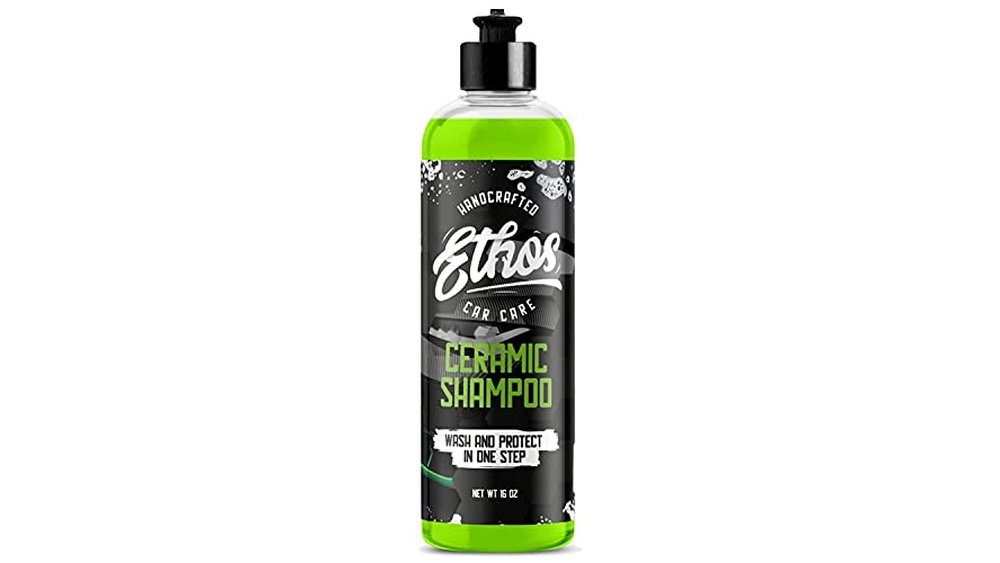
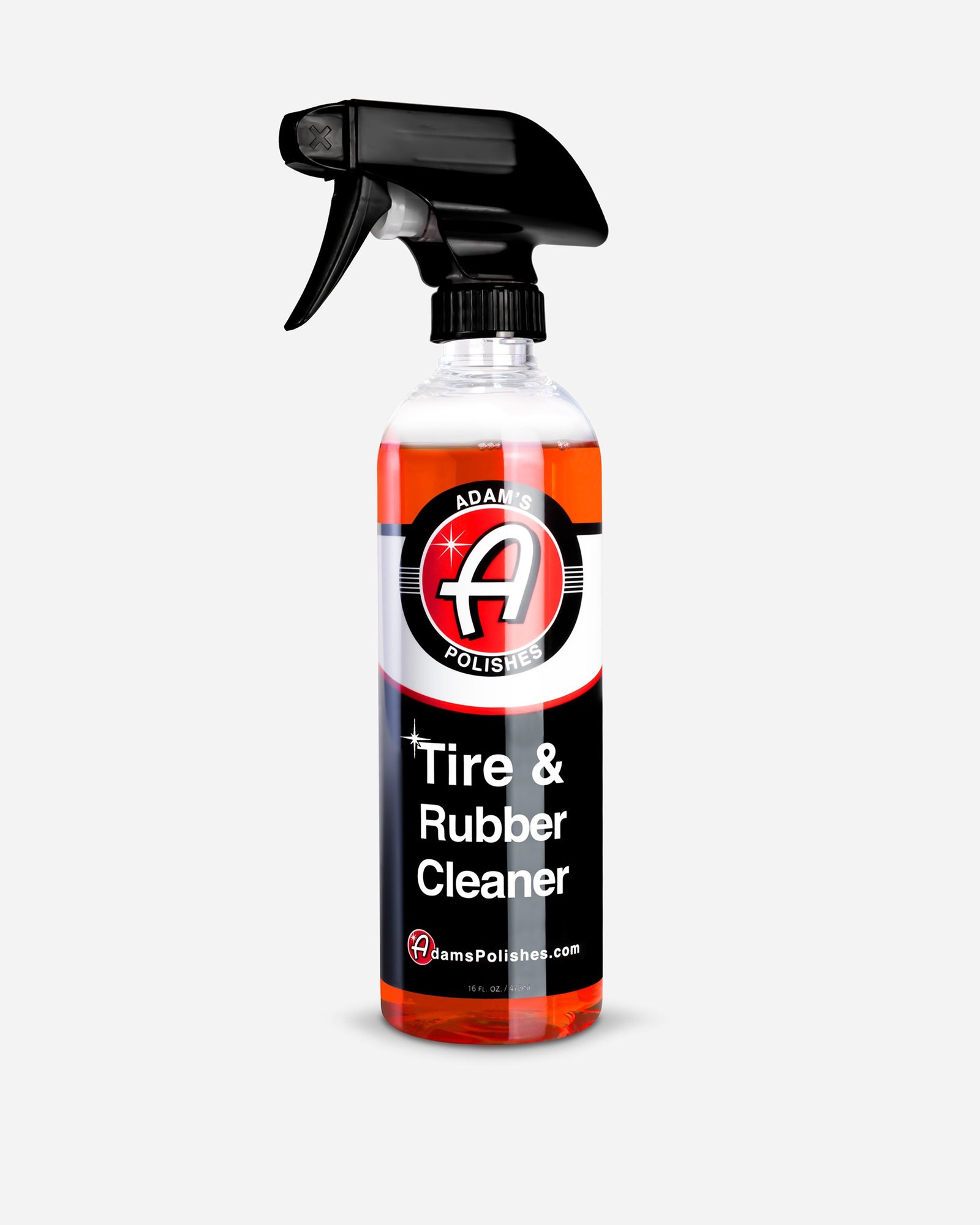
Choose a cleaner made for tires and rubber surfaces. Mild detergent or a dedicated tire cleaner works well. Avoid harsh chemicals that can damage the rubber. A degreaser can help break down thick, sticky dressing. Test cleaners on a small tire area first.
Essential Brushes And Cloths
Use soft to medium-bristle brushes for scrubbing tires. A stiff brush can damage the tire surface. Microfiber cloths absorb cleaner and remove residue gently. Old towels also work for wiping and drying. Have multiple cloths ready for rinsing and drying steps.
Protective Gear
Wear gloves to protect your hands from chemicals. Safety goggles prevent cleaner splashes from reaching your eyes. Use a mask if working with strong-smelling products. Dress in old clothes or wear an apron to avoid stains. Proper gear keeps you safe and comfortable during cleaning.
Preparation Steps
Removing old tire dressing requires careful preparation. Proper steps ensure safe and effective cleaning. Taking time before starting makes the process smooth and protects your vehicle and surroundings.
Setting Up Your Workspace
Choose a well-ventilated, shaded area to work in. Avoid direct sunlight to prevent the quick drying of cleaning products. Lay down old towels or plastic sheets to catch drips and debris. Keep all your cleaning tools and products within easy reach. This setup saves time and reduces mess.
Protecting Surrounding Areas
Cover nearby parts like wheel rims and brake components with plastic or masking tape. This prevents damage from strong cleaners or scrubbing. Protect your driveway or garage floor with absorbent mats. Avoid accidental spills on paint or concrete. Taking these precautions keeps your car and area safe.
Initial Tire Inspection
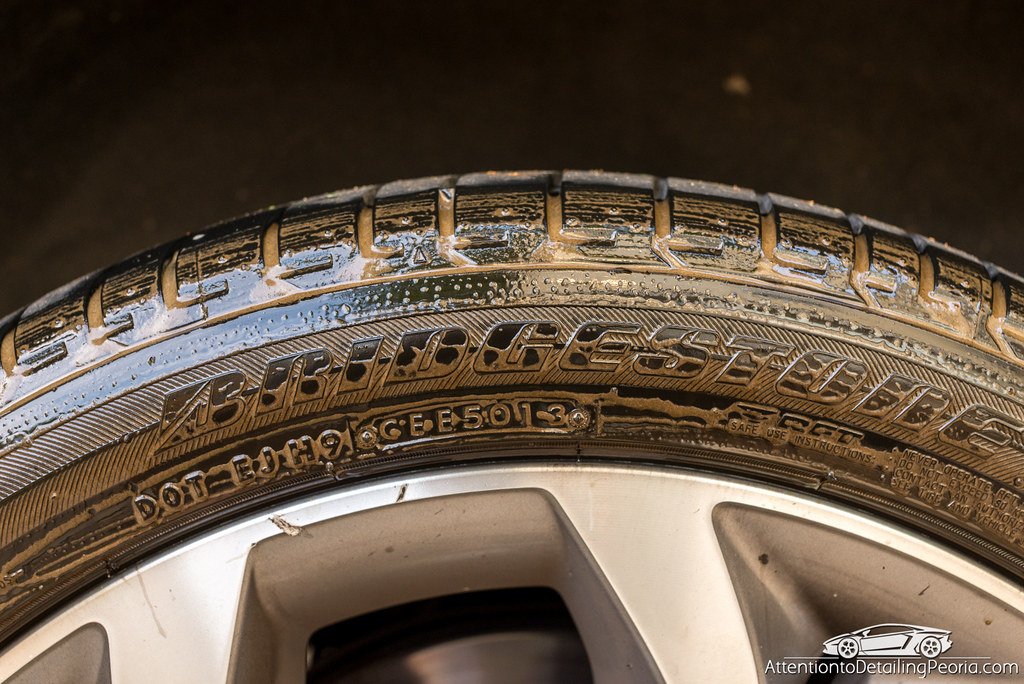
Examine the tires closely for cracks, dry rot, or deep grime. Check the thickness and condition of the old dressing. Note any damaged areas that may need gentle cleaning. This step helps you choose the best cleaning method. It also prevents worsening tire damage during removal.
Credit: www.detailedimage.com
Methods To Remove Old Tire Dressing
Removing old tire dressing is essential for maintaining tire health and appearance. Over time, dressing can build up, crack, or become sticky. This affects your vehicle’s look and can attract dirt. Various methods exist to remove old tire dressing safely and effectively. Choose the right one based on your tools and preferences.
Using Commercial Tire Dressing Removers
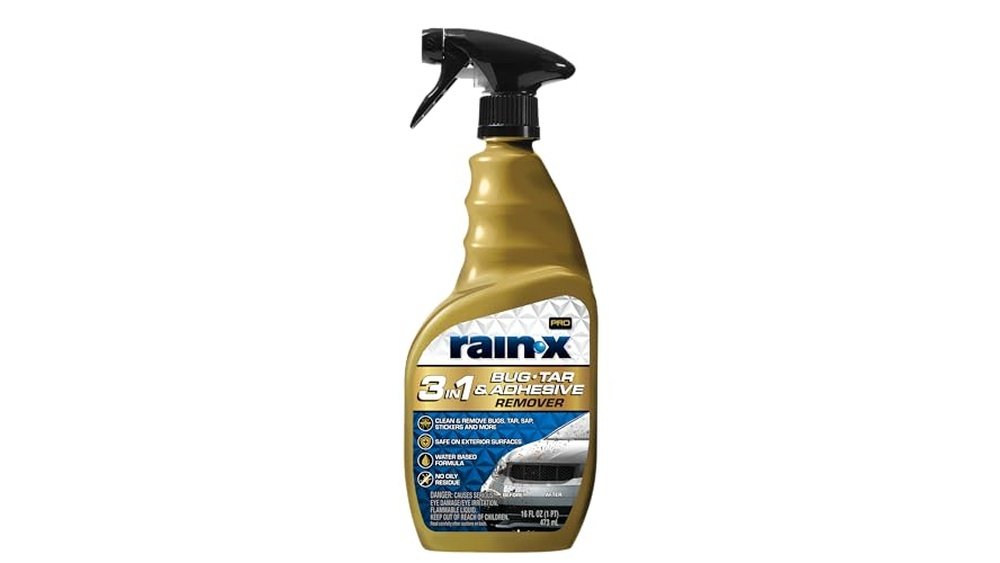
Commercial tire dressing removers are designed specifically for this task. They break down old dressing without harming the rubber. Apply the remover with a sponge or brush. Let it sit for a few minutes to dissolve the residue. Then scrub gently and rinse with water. These products save time and provide thorough cleaning.
Diy Solutions And Household Items
Common household items can also remove old tire dressing. Dish soap mixed with warm water works well. Use a stiff brush to scrub the tires. Baking soda paste is another option for stubborn buildup. Vinegar diluted in water can help loosen residue, too. These DIY methods are budget-friendly and easy to try.
Pressure Washing Techniques
Pressure washing removes dressing quickly and deeply. Use a pressure washer with moderate pressure to avoid tire damage. Spray evenly over the tire surface. The force lifts off the old dressing and dirt. Follow with a tire cleaner or soap for best results. This method is effective for heavy buildup and large areas.
Dealing With Stubborn Residue
Old tire dressing can leave behind tough residue that is hard to clean. This stubborn build-up dulls the tire’s appearance and attracts dirt. Removing it requires patience and proper techniques to avoid tire damage. Below are effective methods to handle this challenge safely and thoroughly.
Scraping Without Damaging Tires
Use a plastic scraper to remove thick layers of old dressing. Avoid metal tools that can scratch or cut the tire surface. Gently work in small sections, lifting the residue without pressing too hard. This careful scraping prevents tire damage while loosening the build-up for easier cleaning.
Applying Multiple Cleaning Cycles
One cleaning session may not remove all the residue. Repeat the cleaning process several times for better results. Use a dedicated tire cleaner or a mild detergent solution. Allow the cleaner to soak briefly before scrubbing again. Multiple cycles break down the stubborn dressing more effectively.
Using Soft Brushes For Deep Cleaning
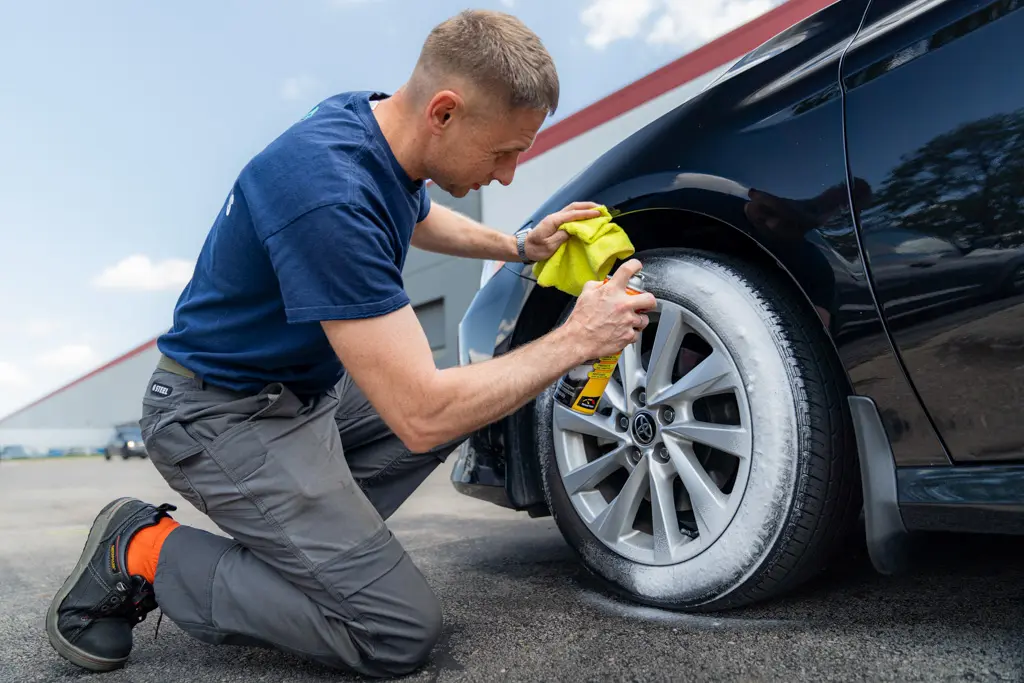
Soft-bristled brushes reach into tire grooves and remove trapped residue. Choose brushes designed for tire care to protect the rubber. Scrub gently in circular motions to lift dirt and old dressing. This deep cleaning restores the tire’s texture and prepares it for fresh dressing application.
Credit: www.utires.com
Post-cleaning Care
Post-cleaning care is important after removing old tire dressing. Proper steps help keep tires in great condition. Clean tires look better and last longer.
Follow these simple tips to ensure your tires stay clean and protected.
Rinsing And Drying Tires
Rinse tires thoroughly with water to remove all cleaning residue. Use a hose or bucket for best results. Make sure no soap or chemicals remain.
Dry tires using a clean microfiber cloth. Avoid air drying because water spots can form. Drying also prepares the tire surface for new dressing.
Applying New Tire Dressing
Choose a tire dressing that suits your tire type and desired shine level. Apply a thin, even layer with an applicator pad or sponge.
Work dressing into the tire sidewall using circular motions. Let it dry for a few minutes before driving. This improves tire appearance and protection.
Regular Maintenance Tips
Clean tires regularly to prevent the buildup of dirt and old dressing. A quick wash every two weeks keeps tires looking fresh.
Reapply tire dressing as needed to maintain shine and protect rubber. Avoid over-applying to prevent buildup and flaking.
Inspect tires for cracks or damage during cleaning. Early detection helps keep your tires safe and strong.
Common Mistakes To Avoid
Removing old tire dressing may seem simple, but many make mistakes that harm tires. Avoiding these errors saves time and keeps tires in good shape. Knowing what not to do helps you clean effectively without damage.
Using Harsh Chemicals
Strong chemicals can damage the rubber on tires. They may cause cracking or fading. Use gentle cleaners made for tires instead. Harsh chemicals can also harm the environment and your skin.
Scrubbing Too Aggressively
Scrubbing hard might seem like it removes the dressing faster. It can wear down the tire surface and cause scratches. Use a soft brush or cloth to clean gently. Patience works better than force.
Ignoring Tire Condition
Old or cracked tires need extra care. Removing the dressing roughly can make the damage worse. Check tires for cracks or dry spots first. Adjust your cleaning method to protect weak areas.
Frequently Asked Questions
How To Remove Old Tire Dressing From Tires?
Use a plastic scraper to remove dried dressing. Clean tires with soap, water, or a dedicated tire cleaner. Rinse and dry thoroughly. Repeat if needed for stubborn buildup.
Do You Need To Remove Old Tubeless Sealant From Tires?
You don’t need to remove all old tubeless sealant. Remove only large clumps or heavy buildup to ensure proper sealing and balance. Adding new sealant over old is usually fine unless the old sealant is dry, clumpy, or you are switching sealant types.
What Is The 3% Rule for Tires?
The 3% rule for tires means tire tread depth should never drop below 3% of the original tire thickness to ensure safety and performance.
Will Acetone Damage Tires?
Acetone can damage tires by drying and weakening rubber. Avoid using acetone on tires to prevent cracking and deterioration.
Conclusion
Removing old tire dressing improves your tires’ look and lifespan. Use gentle cleaners and soft brushes to avoid damage. Consistent cleaning stops buildup and keeps tires fresh. Take your time and follow the simple steps carefully. Clean tires enhance your vehicle’s overall appearance and safety.
Regular maintenance saves effort in the long run. Try these easy methods to keep tires clean and smooth. Your tires will look better and last longer with proper care.