
Have you ever wondered if using bug remover on your car could actually harm your paint? You’re not alone.
Bug splatters are stubborn and unsightly, and while bug removers promise an easy fix, there’s a lot of buzz around whether these products can damage your car’s finish. You’ll discover the truth behind the myths and facts about bug removers and car paint.
By the time you finish reading, you’ll know exactly how to protect your car’s shine without worry. Keep reading to find out what really happens when you use bug remover—and how to keep your paint looking flawless.
Credit: www.chemicalguys.com
Bug Remover Safety
Bug remover safety is key to keeping your car’s paint looking fresh. Many worry these products might harm their vehicle’s finish. Understanding how bug removers work helps ease those fears. Proper use and product choice protect your car’s surface. Let’s explore the important factors that affect bug remover safety.
Ingredients And Formulations
Bug removers contain special chemicals to break down bug residue. Most use gentle solvents that dissolve bug remains without harsh effects. Some formulas include surfactants to lift dirt and grime easily. Avoid products with strong acids or abrasives that can harm paint. Always choose bug removers made for automotive use to ensure safety.
Clear Coat Compatibility
Modern cars have a clear coat to protect paint underneath. Bug removers should be safe for this clear layer. Products designed for clear coats clean bugs without stripping or dulling the finish. Leaving bug remover on too long may weaken the clear coat. Rinse thoroughly after use to maintain the protective layer’s shine and strength.
Effects On Sensitive Plastics
Bug removers can affect plastics near the painted surfaces. Some plastics may discolor or become cloudy if exposed too long. Use bug removers carefully around trim, lights, and bumpers. Test on a small hidden area before full application. Wipe off quickly and rinse plastics to avoid damage or staining.
Common Myths
Many car owners worry about using bug removers on their vehicles. Myths about damaging car paint spread quickly. These myths create confusion and hesitation. Understanding the truth helps protect your car’s finish. Here are some common myths about bug removers and their effects on car paint.
Bug Remover Eats Paint
Some believe bug removers eat away car paint instantly. This is false. Most bug removers are designed to be safe on clear coats. They dissolve bug residue without harming paint layers. Problems appear only if you leave remover on too long. Always follow product instructions and rinse quickly. This stops any risk of paint damage.
Permanent Stains From Removers
Another myth claims bug removers cause permanent stains. Properly formulated removers do not leave marks. Bug stains come from dead insects, not the remover itself. Removing bugs early prevents stains from setting in. Use a bug remover soon after spotting bugs on paint. This keeps your car’s surface clean and smooth.
Bug Spray Vs. Bug Remover
People often confuse bug spray with bug remover. Bug spray is an insecticide for killing bugs on plants or skin. It is not made for car paint and can cause damage. Bug remover is specifically created to clean bug residue safely from vehicles. Never use bug spray to clean your car. Use a proper bug remover product instead.
Paint Damage Risks
Bug removers are designed to clean car surfaces gently. Still, certain risks can harm the paint if not used carefully. Understanding these risks helps protect your vehicle’s finish while removing stubborn bug stains.
Prolonged Contact Effects
Bug remover left too long on paint can cause damage. The acids and enzymes in the product break down bug residue but may also affect the clear coat. Always apply remover, wait a short time, then rinse thoroughly.
Use Of Abrasive Tools
Scrubbing bugs off with rough brushes or sponges can scratch paint. Even soft cloths can harm the surface if used with too much pressure. Use gentle tools to avoid creating swirl marks or dull spots.
Harsh Chemicals And Concentrates
Strong chemical bug removers or concentrates may strip wax and weaken paint protection. Always dilute concentrates as instructed. Choose removers labeled safe for automotive clear coats to prevent damage.
Credit: carinterior.alibaba.com
Bug Residue Impact
Bug residue left on a car’s surface can harm the paint over time. Many drivers do not realize how sticky and acidic bug splatter is. Ignoring these residues allows them to eat into the paint and clear coat. Understanding the true impact of bug residue helps to protect your car’s finish better.
Acidic Nature Of Bug Splatter
Bug splatter contains acids from their bodily fluids. These acids are strong and can break down car paint. Once they dry, the acids become more concentrated. This makes the paint surface dull and weak. The longer bug residue stays on, the more damage it causes.
Damage From Leftover Bugs
When bugs remain on the paint, they act like tiny corrosive spots. They can cause stains that are hard to remove. The clear coat may get etched or scratched. This leads to permanent marks on your car. Paint chips and discoloration often start from leftover bugs.
Removing Bugs Quickly
Removing bugs quickly reduces paint damage risk. Use gentle bug removers designed for cars. Soft cloths or sponges work best to avoid scratches. Rinse the area well after cleaning. Quick removal helps keep your paint smooth and shiny.
Safe Cleaning Tips
Cleaning bug splatters safely protects your car’s paint and finish. Using gentle methods prevents scratches and damage. Choose the right products and techniques for best results. Follow simple tips to keep your paint bright and smooth.
Using Baking Soda Solutions
Baking soda softens bug residue without harsh chemicals. Mix baking soda with water to form a paste. Apply gently on bug spots with a soft cloth. Let it sit for a few minutes to loosen dirt. Wipe off carefully, then rinse the area with water. This method avoids paint damage and is eco-friendly.
Proper Washing Techniques
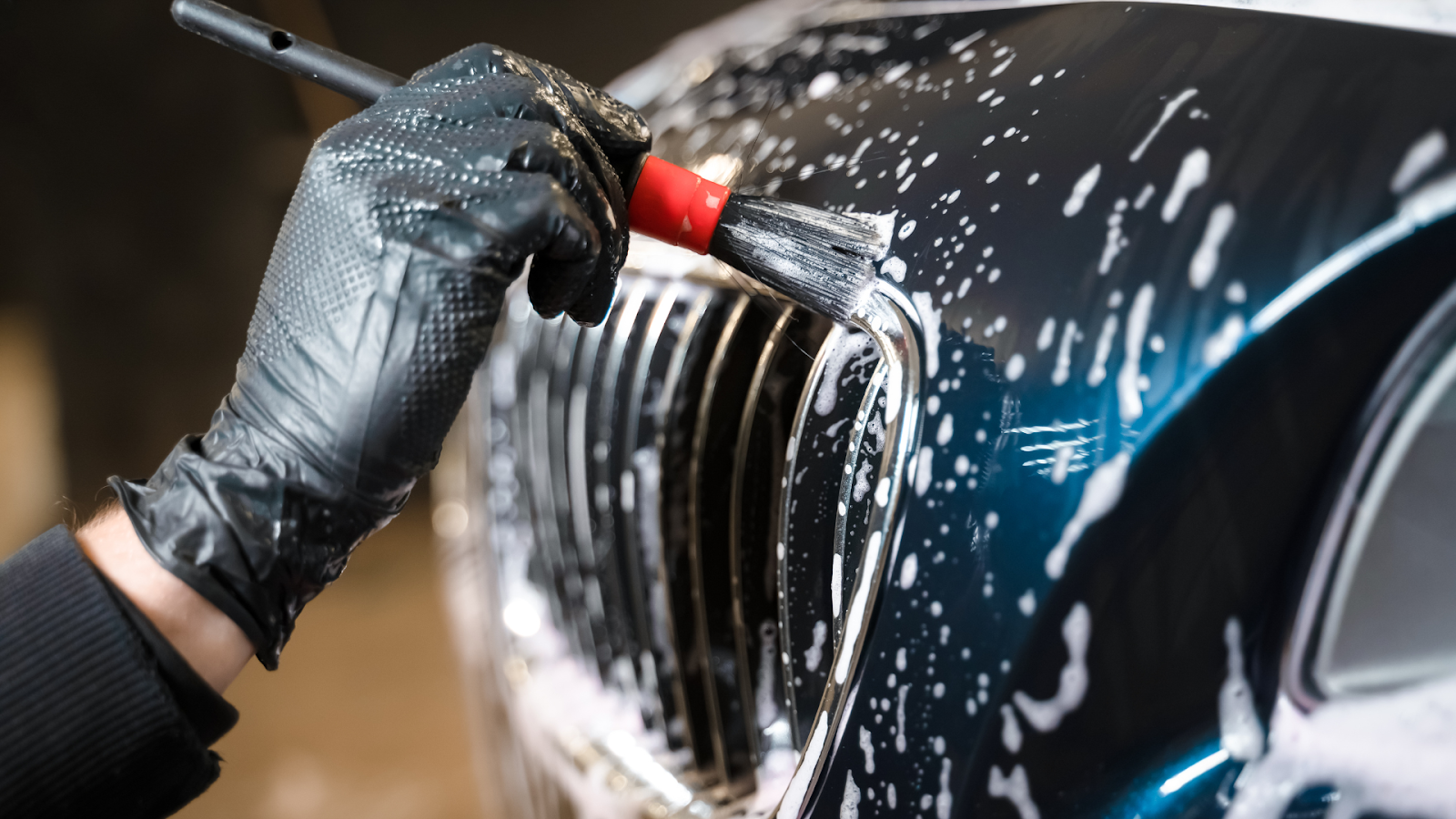
Wash your car regularly to remove bug stains early. Use a mild car shampoo and soft sponge or microfiber cloth. Avoid abrasive scrubbers that can scratch paint. Work in small sections and rinse often to prevent dirt buildup. Clean bugs gently to protect the clear coat layer.
Rinsing And Drying Methods
Rinse your car thoroughly with clean water after washing. This removes soap and loosened dirt completely. Use a hose with low pressure to avoid paint harm. Dry the surface with a soft microfiber towel to prevent water spots. Pat dry instead of rubbing to keep paint smooth and intact.
Credit: www.brilliachem.com
Wax And Sealant Interaction
Wax and sealants protect your car’s paint by forming a barrier. They keep dirt, bugs, and water from sticking directly to the surface. Using bug remover can help clean the paint but may affect these protective layers. Understanding how bug removers interact with wax and sealants helps maintain your car’s shine and protection.
Effect Of Bug Remover On Protective Coatings
Bug removers often contain chemicals to break down bug residue quickly. Some of these chemicals can also strip away wax or sealant layers. This means the protective coating on your paint may weaken after cleaning. Using a bug remover gently and rinsing thoroughly reduces this risk. Avoid leaving the remover on the paint for too long to protect the coatings.
Reapplying Wax After Cleaning
After using bug remover, it’s important to check your car’s surface. If the wax or sealant looks dull or uneven, reapply it. Adding a fresh layer restores protection and shine. Regular waxing also makes future bug removal easier and safer for your paint. This simple step keeps your car looking new and guards against damage.
Preventive Measures
Preventing bug stains on your car helps protect its paint and keeps it looking new. Taking simple steps reduces damage risks. These measures keep your car’s surface clean and safe from harsh bug residues. Follow these easy tips to guard your paint effectively.
Regular Washing Schedule
Wash your car often to remove bugs quickly. Bug remains can stick and eat into paint if left too long. Use gentle soap and a soft cloth. Clean the front bumper and grille after every long trip. Regular washing stops bug acids from causing stains or damage.
Using Car Covers And Parking Strategies
Cover your car when parked outside for long hours. Covers block bugs from landing on your paint. Park in shaded or covered areas to reduce exposure. Avoid parking near trees or lights that attract insects. Smart parking lowers the chance of bug splatters on your car.
Choosing Bug-resistant Coatings
Apply special coatings designed to resist bug stains. These coatings make it harder for bug residue to stick. They also protect the paint from acids and dirt. Wax or sealants can create a smooth surface for easier cleaning. Using bug-resistant coatings adds a strong layer of defense.
Frequently Asked Questions
Is Bug Remover Safe For Car Paint?
Bug remover is safe for car paint if used as directed. Avoid prolonged contact and rinse thoroughly to protect the clear coat.
Will Bug Spray Ruin Car Paint?
Bug spray won’t ruin modern car paint if used properly. Avoid prolonged contact and rinse off quickly to prevent damage.
What Causes The Most Damage To Car Paint?
The most damaging factors to car paint are bird droppings, tree sap, bug splatter, harsh chemicals, and abrasive cleaners. These substances contain acids that erode clear coat and paint if not cleaned promptly. Sharp objects, rocks, and extreme temperature changes also cause significant paint damage.
How To Clean Bugs Off A Car Without Ruining Paint?
Use a bug and tar remover safe for clear coat. Apply gently with a moist sponge or cloth. Rinse thoroughly and avoid scrubbing hard. Baking soda mixed with water also softens bugs without scratching paint. Clean bugs promptly to prevent acid damage.
Conclusion
Bug removers designed for cars usually do not harm paint. Using them as directed keeps your paint safe and clean. Avoid letting the remover sit too long on the surface. Always rinse thoroughly after application to protect the clear coat.
Remember, harsh scrubbing or wrong products cause most damage, not the bug remover itself. Regular cleaning prevents bug stains from sticking and damaging paint. Choosing the right product and method ensures a shiny, well-maintained car finish. Myths often cause unnecessary worry; facts help you care for your car better.














