
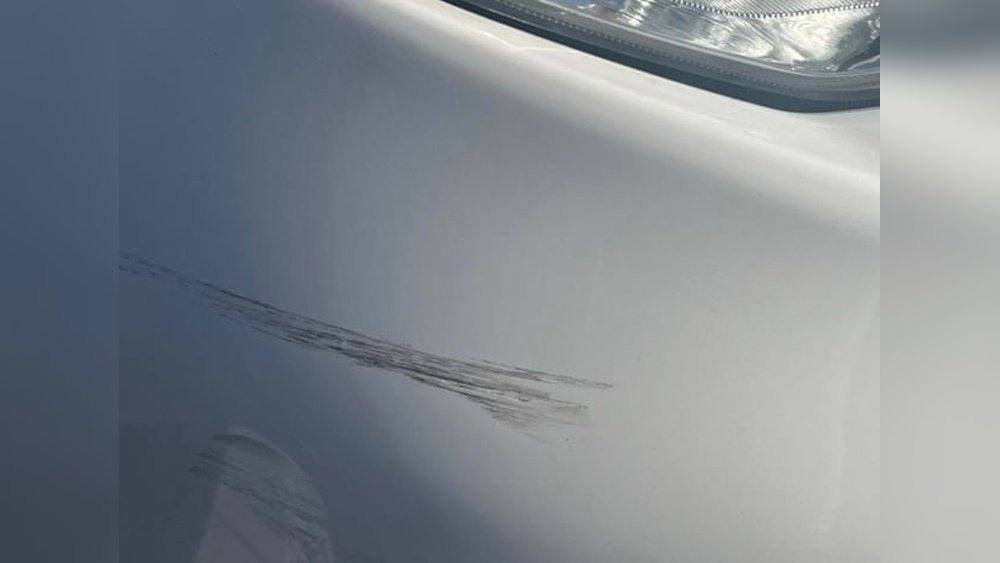
Imagine this: you’re carefully detailing a customer’s car, doing your best to make it shine. But what if something goes wrong?
Can you be sued if a customer’s car gets damaged during detailing? This question can keep any detailer awake at night. After all, your reputation and business depend on trust, and a single accident could lead to serious legal trouble.
You’ll discover exactly when you might be held responsible, how to protect yourself, and what steps to take if damage occurs. Keep reading to learn how to safeguard your business and maintain your customers’ confidence.
Legal Liability In Auto Detailing
Legal liability in auto detailing defines the responsibilities detailers have toward their customers. It covers the risks of damage during the service. Understanding this liability helps both detailers and customers know their rights and duties.
Auto detailing involves handling vehicles carefully. Even with caution, accidents can happen. Legal rules determine who pays if a car gets damaged during detailing.
Negligence And Responsibility
Negligence means failing to act with proper care. If a detailer damages a car by mistake, they may be liable. Courts check if the detailer acted reasonably. If not, the detailer can be sued for repair costs or losses.
Responsibility also depends on the service agreement. Clear terms can limit or confirm liability. Detailers should document the car’s condition before starting work. This helps avoid disputes.
Intentional Damage Claims
Intentional damage is harming a car on purpose. Such claims are serious and can lead to legal action. Proving intent requires evidence like witness statements or video. Intentional damage may bring higher penalties or compensation demands.
Detailers must keep a professional attitude to prevent such claims. Customers should report suspicious behavior immediately.
Pre-existing Vehicle Conditions
Cars often have existing scratches or dents. Detailers are not liable for these pre-existing conditions. Inspecting and noting damages before detailing is essential. This protects detailers from false claims.
Customers should also review and agree on the car’s condition report. This step clarifies what damage happened during detailing and what did not.

Credit: www.reddit.com
Common Causes Of Damage During Detailing
Damage during car detailing can happen for various reasons. Understanding common causes helps detailers prevent issues and manage risks. These causes often involve tools, human mistakes, or outside conditions. Each factor plays a role in the care a vehicle receives.
Equipment Malfunction
Detailing tools can break or fail. Machines like buffers or pressure washers may malfunction. Faulty equipment risks scratching or denting the car. Regular checks and maintenance reduce this risk.
Employee Errors
Workers may make mistakes during detailing. Using the wrong product or applying too much pressure can cause damage. Lack of training increases the chance of errors. Clear instructions and supervision help avoid problems.
Environmental Factors
Conditions outside the shop affect detailing. Dust, dirt, or weather changes can harm the car’s finish. Working in unsafe environments raises the risk. Proper workspace and timing are important to protect the vehicle.
Insurance Coverage For Detailers
Insurance coverage is essential for detailers who handle customer vehicles. It protects against financial loss if a car gets damaged during detailing. Without proper insurance, detailers face lawsuits and costly repairs. Understanding the types of insurance and how claims work helps detailers stay safe and professional.
Types Of Relevant Insurance
Detailers need several types of insurance. Garage liability insurance covers damage caused during work. Commercial auto insurance protects vehicles under your care. Workers’ compensation covers employee injuries. Property insurance protects your tools and equipment. Choosing the right policies depends on your business size and services.
Policy Exclusions
Insurance policies often have exclusions. Damage from pre-existing vehicle problems may not be covered. Intentional damage or negligence usually voids coverage. Some policies exclude damage from natural disasters. Always read terms carefully to know what is and isn’t covered. This helps avoid surprises during claims.
Filing Claims After Damage
Report damage to your insurer promptly. Provide all details about the incident and vehicle condition. Document damage with photos and written reports. Cooperate fully during the claim investigation. Quick and accurate filing increases the chance of a successful claim. Keep customers informed to maintain trust during the process.

Credit: www.reddit.com
Steps To Take When Damage Occurs
Damage to a customer’s car during detailing is a serious issue. Acting quickly and properly helps resolve the situation. Clear steps protect your business and maintain trust. These steps guide you through handling damage professionally and calmly.
Inspecting And Documenting Damage
First, carefully check the vehicle for any damage. Use good lighting to spot scratches, dents, or stains. Take clear photos of the damage from multiple angles. Write detailed notes about what you see. This record is vital for insurance and customer discussions. Do not move or clean the damaged area before documentation.
Communicating With Customers
Contact the customer promptly to inform them of the issue. Be honest and explain what happened without blaming others. Listen to their concerns and answer questions clearly. Offer to meet in person to inspect the damage together. Maintain a calm and respectful tone throughout the conversation. Transparency helps prevent misunderstandings and builds trust.
Offering Remediation Or Compensation
Assess the cost to fix the damage. Offer repair or compensation based on the damage severity. Work with trusted repair shops for estimates and repairs. Provide clear options to the customer and let them choose. Document any agreements in writing to avoid future disputes. Showing willingness to fix mistakes strengthens your reputation.
Legal Protections For Detailers
Legal protections are vital for detailers to reduce risks when working on customer vehicles. Understanding these protections helps detailers manage liability and operate with confidence. Several legal tools and strategies offer safeguards against lawsuits from car damage claims.
These protections cover the business structure, limits on personal liability, and clear agreements with customers. Each element plays a key role in defending detailers from potential legal actions. Let’s explore the main legal protections detailers should consider.
Benefits Of Forming An Llc
Forming a Limited Liability Company (LLC) separates personal assets from business debts. This means detailers are not personally responsible for most business liabilities. An LLC provides legal protection if a customer sues for car damage. It also adds professionalism and trust to the business.
LLCs have simpler tax rules and fewer formalities than corporations. They offer flexibility in management and profit sharing. For detailers, this structure reduces personal risk and protects savings and property. Many detailers choose LLCs for these important benefits.
Liability Limits And Exceptions
LLCs and other protections limit liability but do not remove it completely. Detailers remain liable for negligence or intentional damage. Courts may hold detailers responsible if they fail to follow safety standards. Exceptions include damage caused by reckless or careless acts.
Insurance policies can help cover claims but also have limits. Detailers must understand these exceptions to avoid surprises. Proper training and care reduce the chance of liability. Knowing the limits helps detailers protect their business better.
Contractual Agreements With Customers
Clear contracts set expectations and protect detailers legally. Contracts should outline the services, pricing, and damage policies. Including liability disclaimers limits responsibility for pre-existing or unavoidable damage. Customers signing the agreement accept these terms.
Contracts help detailers prove they informed customers about risks. They provide a legal basis to defend against unjust claims. Well-written agreements reduce disputes and build trust with customers. Detailers should use simple language that customers easily understand.
Credit: www.slashgear.com
Handling Customer Lawsuits
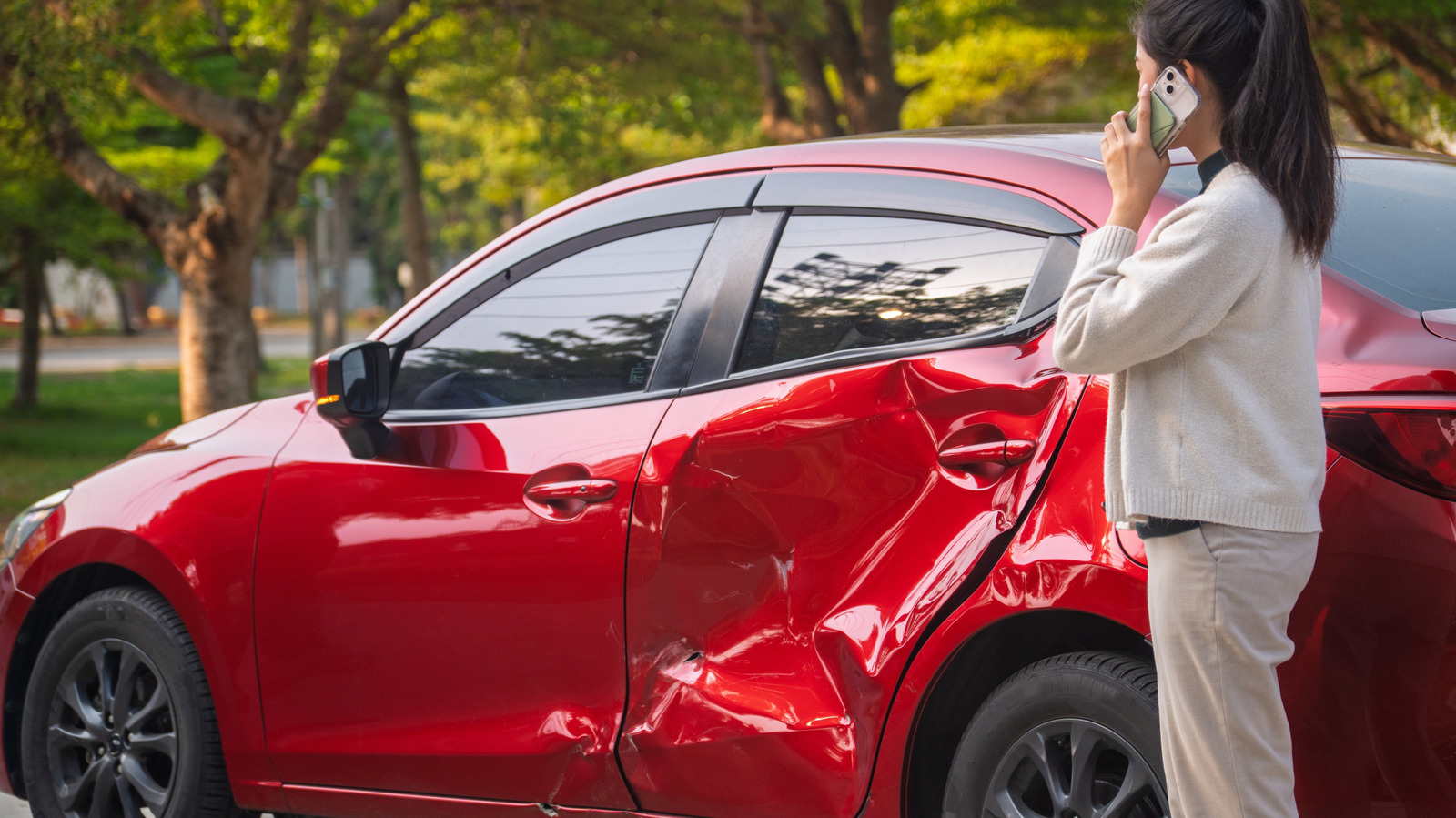
Handling customer lawsuits is a critical part of running a car detailing business. Damage to a vehicle during detailing can lead to legal claims. Understanding how to manage these lawsuits helps protect your business. Clear steps and knowledge reduce stress and financial risk.
Common Lawsuit Scenarios
Customers may sue over scratches, dents, or missing parts. Sometimes, lawsuits arise from alleged poor service or damage caused by negligence. Other claims involve misunderstanding of service terms or pre-existing vehicle conditions. Knowing typical cases prepares you for possible legal challenges.
Working With Legal Counsel
Hiring a lawyer early can save time and money. Legal experts guide you through claims and court processes. They help gather evidence and prepare defenses. A good attorney communicates with the customer’s lawyer to seek fair solutions. This approach often prevents costly trials.
Preventing Litigation Through Best Practices
Always document vehicle condition before and after detailing. Use clear service agreements to set expectations. Train staff to handle cars carefully and follow safety protocols. Communicate openly with customers about risks and procedures. These steps reduce the chance of lawsuits and build trust.
Preventing Damage Claims
Preventing damage claims is essential for any car detailing business. Taking proactive steps reduces the risk of accidents and builds customer trust. Clear processes and careful handling protect your reputation and lower legal risks.
Employee Training And Supervision
Proper training is vital for employees who handle vehicles. Teach them the right methods and safety procedures. Regular supervision ensures they follow rules and avoid mistakes. Well-trained staff cause fewer accidents and handle cars carefully.
Maintenance Of Equipment
Keep all tools and machines in good working order. Regular checks prevent breakdowns that can damage cars. Faulty equipment increases the chance of scratches or dents. Timely repairs and replacements protect both vehicles and workers.
Clear Customer Communication
Explain the detailing process and risks to customers before starting. Get written approval for any special requests or known issues. Clear communication sets the right expectations and helps avoid misunderstandings. Customers appreciate honesty and transparency.
Frequently Asked Questions
Can You Sue Someone For Damaging Your Car On Purpose?
Yes, you can sue someone for intentionally damaging your car. Prove their deliberate act caused the harm to seek compensation.
Can I Sue A Carwash For Damaging My Car?
You can sue a carwash if you prove they caused damage through negligence or intentional acts. Review their liability policy first.
Are Car Washes Really Not Responsible For Damages?
Car washes may not cover damages from pre-existing conditions. They are responsible for damage caused by their equipment or staff negligence. Customers can claim if negligence is proven. Always check the car wash’s liability policy before use.
Can You Claim If A Car Wash Damages Your Car?
You can claim if a car wash damages your car by proving their negligence caused the damage. Check their liability policy.
Conclusion
Car detailing comes with risks, but responsibility depends on circumstances. You can be sued if negligence causes damage. Clear communication and proper documentation help protect both parties. Always inspect vehicles before starting any work. Carrying liability insurance adds important protection.
Handling claims professionally builds trust with customers. Being careful reduces chances of costly legal issues. Understanding your duties ensures safer, smoother detailing experiences.














