
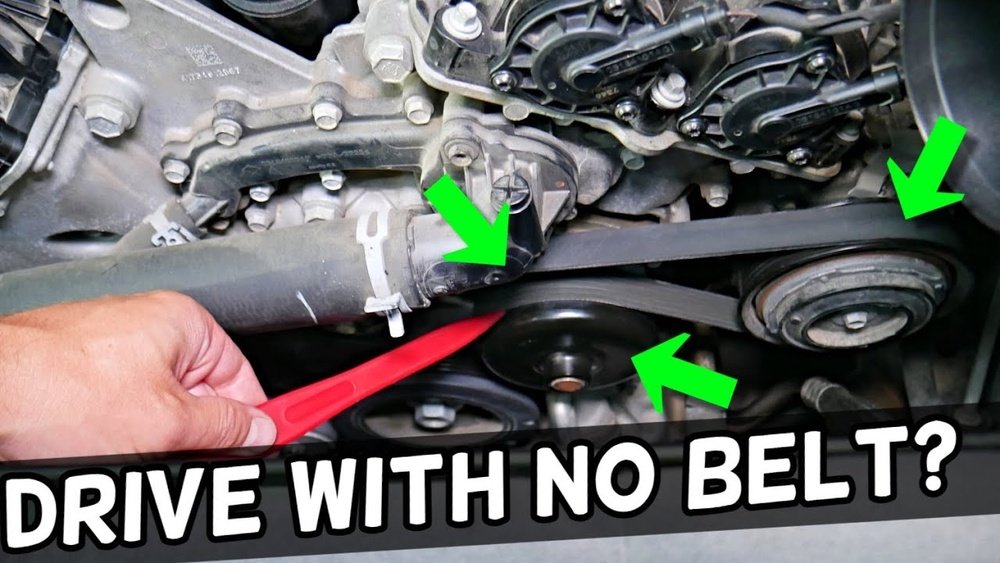
Have you ever wondered what happens if your serpentine belt breaks while you’re driving? You might think it’s just a simple belt, but it actually plays a crucial role in keeping your car running smoothly.
Without it, your engine can quickly overheat, your battery may die, and steering could become dangerously difficult. So, can you drive without a serpentine belt at all? Understanding the risks and what to do if it fails could save you from costly repairs and unsafe situations on the road.
Keep reading to find out why the serpentine belt matters more than you might realize—and what happens if you try to drive without it.

Credit: www.reddit.com
Role Of The Serpentine Belt
The serpentine belt is a crucial part of a vehicle’s engine system. It runs multiple important components with one continuous loop. This belt keeps many systems working smoothly. Without it, the engine cannot perform properly.
The belt wraps around pulleys connected to various parts. It uses the engine’s power to drive these components. This simple belt supports complex engine functions. Its failure can cause many problems quickly.
Key Components Driven By The Belt
The serpentine belt drives the alternator, which charges the battery. It powers the water pump to circulate coolant and prevent overheating. The belt also turns the power steering pump for easier steering. The air conditioning compressor depends on this belt too. Without it, these parts stop working and cause engine issues.
Importance For Engine Performance
The belt helps maintain engine temperature by running the water pump. It keeps the battery charged through the alternator, ensuring electrical systems work. Power steering depends on the belt for smooth handling. A broken belt causes the engine to overheat and lose power. Driving without it can lead to engine damage and unsafe conditions.
Consequences Of A Missing Belt
Driving without a serpentine belt can cause serious problems for your vehicle. This belt powers many important parts of the engine. Losing it means these parts stop working. The damage can happen fast and be costly. Understanding the consequences helps you realize why the belt is vital.
Impact On Power Steering
The serpentine belt drives the power steering pump. Without it, steering becomes very hard. Turning the wheel requires much more effort. This makes driving dangerous, especially at low speeds. You may lose control in tight spots or emergencies.
Effects On Battery Charging
The alternator charges the battery and runs on the serpentine belt. Without the belt, the alternator stops working. The battery drains quickly and cannot power the car. Electrical systems like lights and radio fail. The engine may stall when the battery dies.
Risks Of Engine Overheating
The belt also powers the water pump. This pump circulates coolant through the engine. Without the belt, coolant does not flow properly. The engine temperature rises rapidly. Overheating can cause severe engine damage or failure. Immediate action is needed to prevent costly repairs.
Signs Of Serpentine Belt Failure
The serpentine belt plays a vital role in your vehicle’s operation. It powers multiple engine components, including the alternator, power steering pump, and water pump. Signs of serpentine belt failure often appear before the belt breaks completely. Recognizing these signs helps prevent sudden breakdowns and costly repairs.
Common Warning Symptoms
Listen for a squealing noise when starting the engine or during acceleration. This sound often means the belt is loose or worn out. Look for visible cracks, fraying, or glazing on the belt’s surface. A shiny or cracked belt needs immediate attention. Warning lights on the dashboard, such as the battery or check engine light, may also signal belt issues. Reduced power steering or a malfunctioning air conditioner can indicate slipping or broken belts.
Potential Engine Stalling
A failing serpentine belt can cause the engine to stall suddenly. The belt drives the alternator, which charges the battery. Without charging, the battery drains quickly and causes electrical failure. The water pump also depends on the belt to circulate coolant. If coolant flow stops, the engine overheats and may shut off. Loss of power steering makes controlling the vehicle difficult and dangerous. Stalling or sudden loss of control requires immediate vehicle inspection.

Credit: www.reddit.com
Driving Without The Belt
Driving without a serpentine belt is a risky choice for any vehicle owner. The serpentine belt powers many important parts of your car. These include the alternator, power steering pump, water pump, and air conditioning compressor. Without this belt, these systems stop working, which can cause serious problems quickly.
Many drivers wonder if it is safe to continue driving after the serpentine belt breaks or slips off. The answer depends on how far you need to go and the condition of your car. Knowing the dangers can help you make safer decisions on the road.
How Long You Can Drive
You can only drive a very short distance without a serpentine belt. In most cases, the belt needs to be replaced immediately. Without it, the alternator will stop charging the battery. This means your car will soon lose electrical power.
The water pump also stops working, causing the engine to overheat fast. Overheating can damage the engine beyond repair. Power steering will fail, making the car hard to control. The air conditioning will stop too, but this is less critical.
Immediate Risks On The Road
Driving without a serpentine belt creates many risks. The engine can overheat within minutes. This can cause the engine to seize or fail. Without power steering, steering becomes very hard, especially at low speeds.
The battery will drain quickly since the alternator stops working. This can cause the car to stall or fail to start again. Loss of control and engine damage are the biggest dangers. Stopping safely and calling for help is the best choice.
Repair And Replacement Options
Driving without a serpentine belt is risky and often not possible for long. The belt powers many parts like the alternator, power steering, and water pump. Repairing or replacing the serpentine belt quickly keeps your car safe and running smoothly. Understanding your repair options helps you decide the best way to fix or replace the belt.
When To Replace The Belt
Replace the serpentine belt if you see cracks, fraying, or glazing on it. Listen for squealing noises when starting the engine or turning. If your battery warning light comes on, the belt may be slipping or broken. Replace the belt every 60,000 to 100,000 miles, or sooner if damaged. Timely replacement prevents engine overheating and loss of power steering.
Diy Vs Professional Repair
Replacing a serpentine belt yourself can save money if you have basic tools and skills. Many cars have a simple tensioner pulley making belt removal easier. Follow the belt routing diagram to install the new belt correctly. Professional repair costs more but ensures proper installation and tension. Mechanics can check related parts like pulleys and tensioners for wear. Choose the option that fits your comfort level and vehicle condition.

Credit: www.youtube.com
Preventive Maintenance Tips
Maintaining your serpentine belt is vital for your vehicle’s health. Preventive care helps avoid sudden breakdowns and costly repairs. Simple steps can extend the belt’s life and keep your car running smoothly.
Regular Inspections
Check your serpentine belt every few months. Look for cracks, fraying, or shiny spots on the belt surface. Make sure the belt fits tightly and does not slip. Loose belts reduce efficiency and cause noise. Use a flashlight to see hidden damage clearly. Replace the belt if you spot any wear or damage. Routine checks help catch problems early before failure.
Signs To Watch For
Listen for squealing sounds when starting the engine. This noise often signals belt slippage or wear. Watch for warning lights on the dashboard, like the battery or engine temperature light. Notice if steering feels harder than usual; power steering depends on the belt. Overheating or air conditioning failure can also point to belt issues. Spotting these signs early prevents serious engine damage.
Conclusion
Driving without a serpentine belt is not safe. The belt powers many key parts like the alternator, power steering, and water pump. Without it, the engine can overheat and the battery will drain quickly. Steering becomes hard, and the car may stop running.
Stopping the car and fixing the belt right away prevents costly damage. Always keep the serpentine belt in good condition for safe driving. Don’t risk your car’s health by ignoring belt problems.














