When it comes to keeping your car’s paint flawless, every detail counts. You might be wondering, “Can you use a grit guard in a rinse bucket?” If you’ve ever dealt with stubborn dirt and swirl marks after washing your car, this question is crucial.
Using a grit guard properly can make a big difference in preventing scratches and maintaining that showroom shine. You’ll discover why placing a grit guard in your rinse bucket isn’t just possible—it might be one of the smartest moves you make during your wash routine.
Keep reading to learn how this simple tool can protect your paint and save you time and frustration.
Credit: www.detailedimage.com
Grit Guard Basics
The Grit Guard is a simple tool that helps keep your wash water clean. It fits inside a bucket and traps dirt and grit at the bottom. This prevents the dirt from getting back on your wash mitt or sponge. Clean water means fewer scratches on your car’s paint.
Understanding the basics of a Grit Guard helps you use it correctly. It is important to know why it exists and how it works to protect your vehicle’s finish.
Purpose And Design
The Grit Guard sits at the bottom of a wash or rinse bucket. It has a grid-like design with many small holes. This design allows water to flow through but traps dirt particles underneath.
Its main purpose is to keep dirt and grit from floating back up. Without it, dirt can stick to your cleaning tools and scratch your car’s paint. The guard keeps the dirt at the bottom where it cannot cause damage.
How It Works
When you dip your wash mitt in the bucket, you rub it against the Grit Guard. This action helps knock dirt off the mitt. The dirt falls through the holes and settles at the bottom.
The clean water stays on top, ready for the next dip. This prevents dirt from mixing back into the water and onto your car. The Grit Guard makes each wash cycle safer for your paint.

Credit: maria-california.com
Two Bucket Method
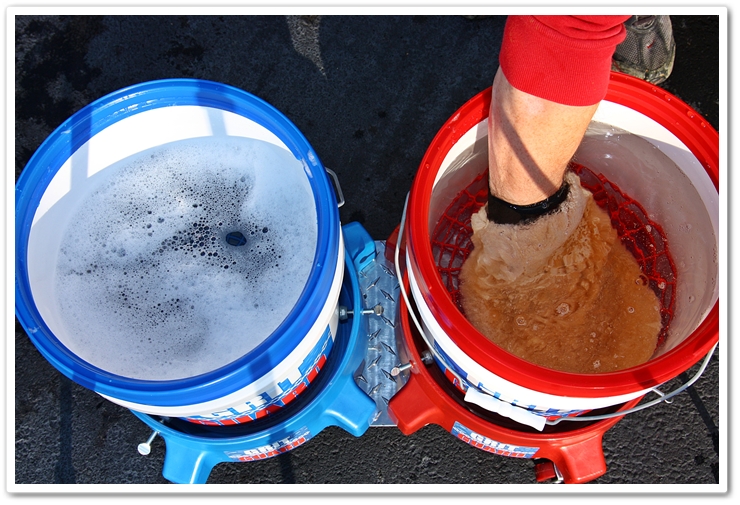
The two bucket method is a popular way to wash cars carefully. It uses two buckets to keep dirt away from the car’s paint. One bucket holds soapy water for washing. The other bucket is for rinsing the wash mitt. This method helps stop dirt from scratching the car. It keeps the wash water cleaner and safer for the paint.
Wash Bucket Setup
The wash bucket holds clean water mixed with car shampoo. It is important to add a grit guard at the bottom. The grit guard traps dirt and grit that fall off the wash mitt. This prevents the dirt from mixing with the soap. You dip the mitt in this bucket to load it with soap.
Rinse Bucket Setup
The rinse bucket contains clean water only. You use it to rinse dirt from the wash mitt. A grit guard also fits well at the bottom of this bucket. It stops dirt from floating back up. This keeps the rinse water cleaner for longer use.
Role Of Grit Guard In Each Bucket
In the wash bucket, the grit guard holds dirt under the water. This keeps the soap clean and safe to use. In the rinse bucket, the grit guard traps loosened dirt from the mitt. It stops dirt from returning to the mitt. Using grit guards in both buckets protects the car paint. It lowers the chance of scratches during washing.
Using Grit Guard In Rinse Bucket
Using a grit guard in a rinse bucket can improve your car washing routine. The grit guard sits at the bottom of the bucket. It traps dirt and grit, keeping them away from your wash mitt. This helps prevent scratches on your car’s paint. Many detailers debate its use in rinse buckets, but it can offer clear benefits.
Benefits And Effectiveness
A grit guard in the rinse bucket stops dirt from floating back into the water. It lets you clean your wash mitt without picking up grime. This reduces the risk of scratching the paint. The grit guard also helps keep the rinse water cleaner longer. It makes rinsing more effective and safer for your vehicle’s surface.
Common Practices
Most people use grit guards in both wash and rinse buckets. After washing a section of the car, dip the mitt into the rinse bucket. Rub it gently against the grit guard to dislodge dirt. Then move to the wash bucket for fresh soap. This two-bucket method with grit guards is popular among car enthusiasts. It is a simple way to protect your paint.
Risks And Precautions
Using a grit guard in the rinse bucket requires care. If the rinse water is very dirty, it may not clean the mitt well. Change the water often to avoid spreading dirt. Also, make sure the grit guard fits the bucket properly. A loose grit guard can move and reduce its effectiveness. Always inspect your buckets and grit guards before starting.
Compatibility With Buckets
Using a grit guard in a rinse bucket depends largely on bucket compatibility. Not every bucket fits a grit guard perfectly. Choosing the right bucket ensures the grit guard works well. This section explains how to match grit guards with buckets for optimal performance.
Bucket Types And Sizes
Buckets come in different shapes and sizes. Most grit guards are designed for standard 5-gallon buckets. Smaller or larger buckets might not hold the grit guard securely. Some buckets have narrower openings that prevent the grit guard from sitting flat. Check your bucket’s size and shape before buying a grit guard.
Fitting Grit Guards Properly
The grit guard must sit flat at the bottom of the bucket. If it moves or tilts, dirt can escape back into the water. Place the grit guard gently and press it down evenly. A proper fit creates a barrier that traps dirt under the guard. This keeps your rinse water cleaner during washing.
Modifications And Trimming
Some buckets require trimming the grit guard for a snug fit. Use scissors or a utility knife carefully to trim the edges. Avoid cutting too much; the grit guard must remain sturdy. After trimming, test the fit again to ensure it sits flat. Customizing the grit guard improves compatibility with non-standard buckets.
Grit Guard Alternatives
Grit guards help keep dirt at the bottom of wash buckets. Not everyone has a grit guard or wants to use one. Several alternatives trap dirt and protect your car’s paint. These options suit different washing styles and needs. Explore some popular grit guard alternatives below.
Rinseless Wash And Grit Guard Use
A rinseless wash uses little or no water rinsing. It relies on special shampoos that lift dirt safely. Some rinseless wash kits include grit guards to trap particles. Using a grit guard improves the rinse bucket’s effectiveness. It helps keep dirt from returning to your wash mitt. You can still do a rinseless wash without a grit guard. But adding one reduces the chance of scratching your paint. This method works well for quick clean-ups or water-restricted areas.
Other Dirt-trapping Tools
Besides grit guards, some tools help keep dirt away from your mitt. Wash mitts with deep pockets hold dirt inside the fibers. Microfiber towels attract dirt and trap it better than cotton. Foam or mesh inserts fit inside buckets to catch particles. Some detailers use bucket inserts made from soft plastic grids. These tools reduce the risk of dirt scratching your car. They work best when used with proper washing techniques. Regularly rinsing your mitt and replacing dirty water also helps.

Credit: www.thedetailingmafia.com
Tips For Best Results
Using a grit guard in your rinse bucket can improve your car washing process. It helps trap dirt and grit at the bottom, protecting your paint. To get the best results, follow some simple tips. These tips focus on how you move the mitt, use grit guards, and keep the water clean.
Applying these methods will reduce swirl marks and scratches. The rinse water stays cleaner longer, making your wash safer and easier. Here are the key points to keep in mind for the best outcome.
Agitation Techniques
Move your wash mitt firmly against the grit guard. This action releases dirt from the mitt into the bucket. Avoid just dipping the mitt in; scrub it well. Agitating helps the grit guard catch more debris. Repeat a few times before rinsing your mitt on the car.
Using Multiple Grit Guards
Place a grit guard in both wash and rinse buckets. This stops dirt from moving back into your mitt. The wash bucket traps most dirt, while the rinse bucket keeps water cleaner. Using two grit guards lowers the risk of scratches. It gives extra protection during each step.
Maintaining Clean Water
Change rinse water often to avoid buildup of dirt. A clean rinse bucket helps the grit guard work better. Fill the bucket with fresh water if it looks dirty. Using clean water stops contaminants from returning to the car. Always check water clarity before starting to wash again.
Frequently Asked Questions
Does Grit Guard Go In A Wash Or Rinse Bucket?
Place the grit guard in the rinse bucket to trap dirt and prevent contaminants from returning to the wash bucket.
Do Grit Guards Fit All Buckets?
Grit guards fit most standard 5-gallon buckets. Some buckets may require trimming for a secure fit. Always check dimensions before use.
Do I Need A Grit Guard For Rinseless Wash?
Using a grit guard with a rinseless wash helps trap dirt at the bucket’s bottom, preventing scratches and improving cleaning safety.
What Is The Two Bucket Wash Method With Grit Guards?
The two bucket wash method uses one bucket for soapy water and another with a grit guard for rinsing. The grit guard traps dirt, preventing scratches by keeping contaminants at the bucket’s bottom. This technique ensures a cleaner wash mitt and safer car washing.
Conclusion
Using a grit guard in a rinse bucket helps keep dirt at the bottom. It stops grime from getting back on your wash mitt. This simple step protects your car’s paint from scratches. Always place the grit guard firmly inside the bucket.
Agitate your mitt against it to release trapped dirt. Clean water stays cleaner longer with this method. Your car wash becomes safer and more effective. This small tool improves your washing routine easily. Try it and notice the difference in results.