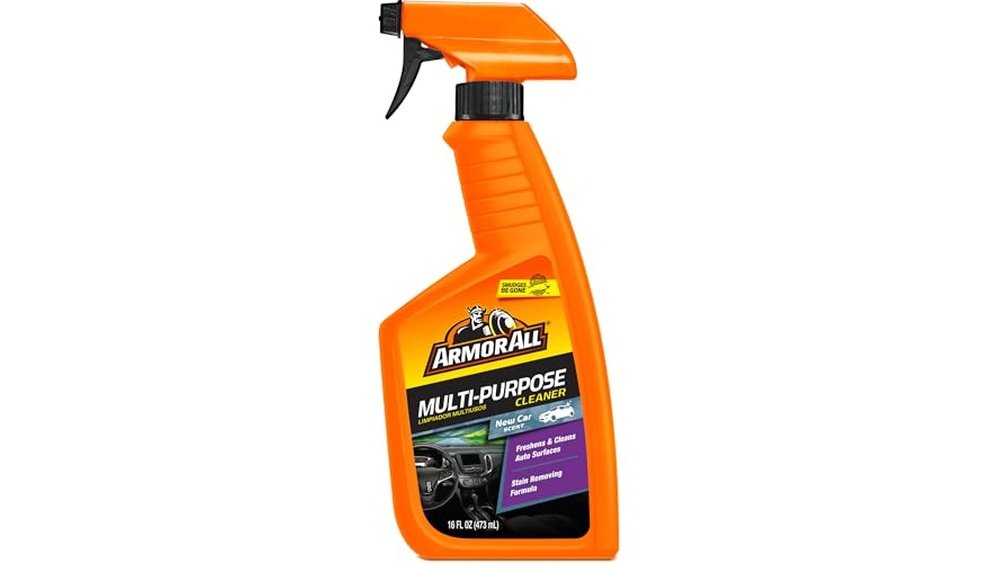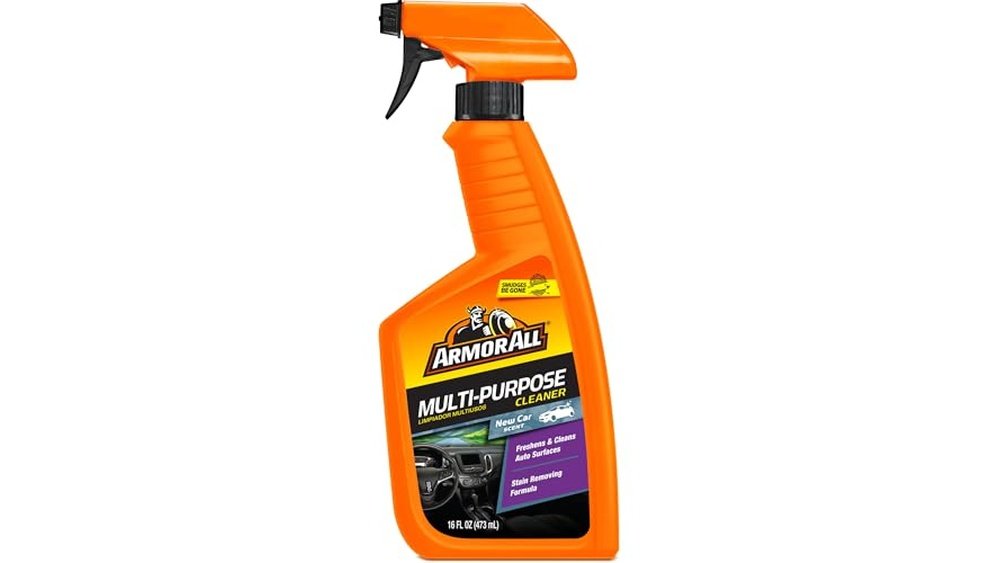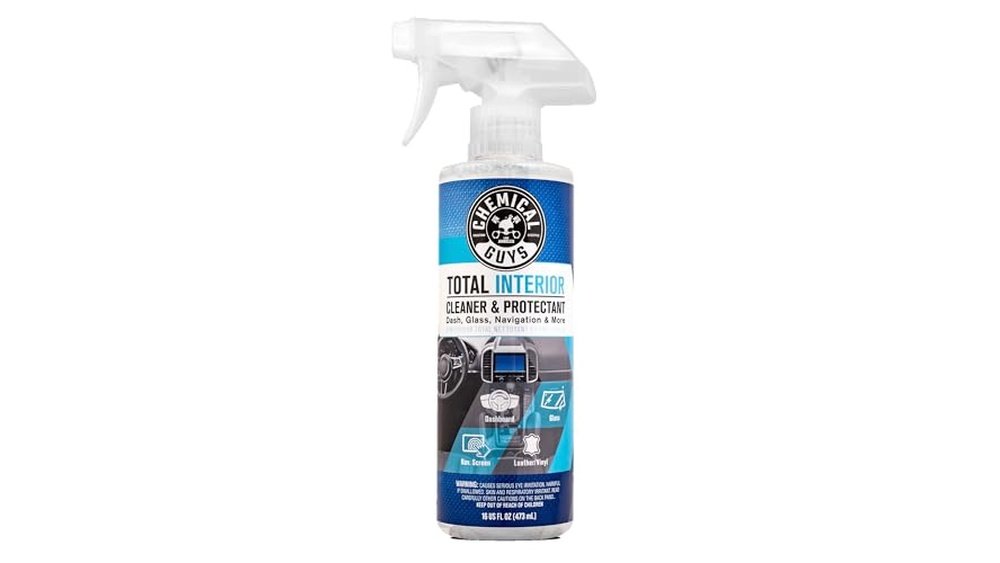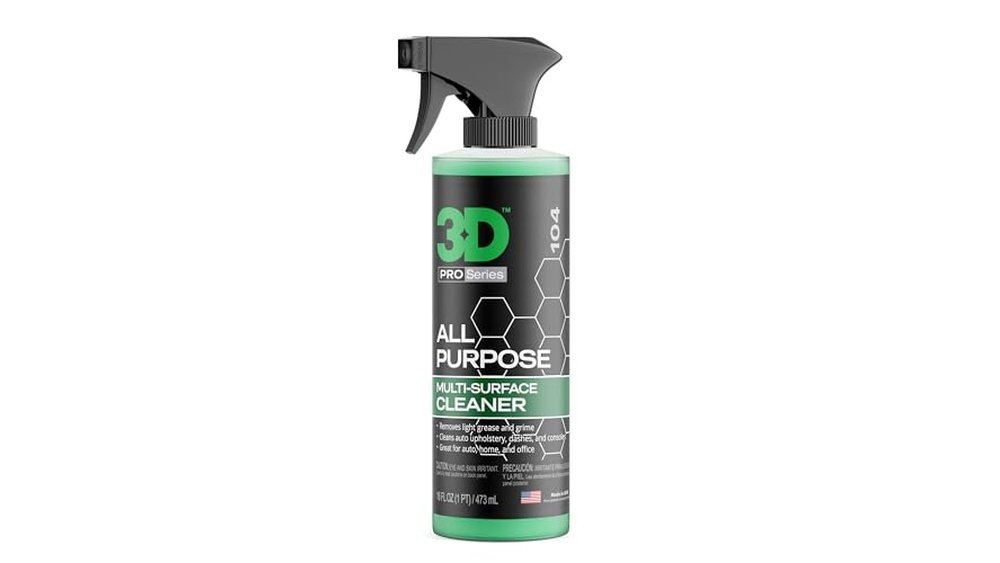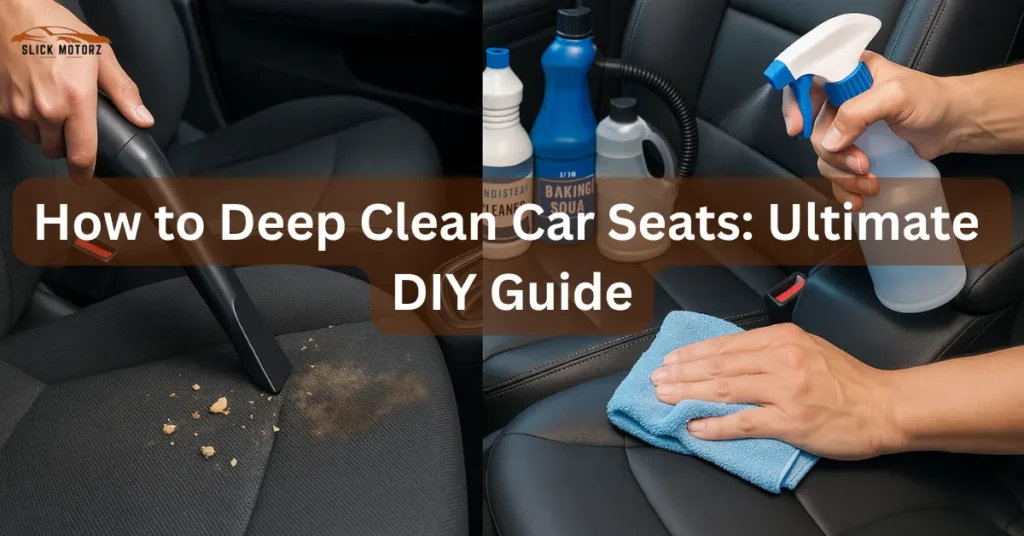
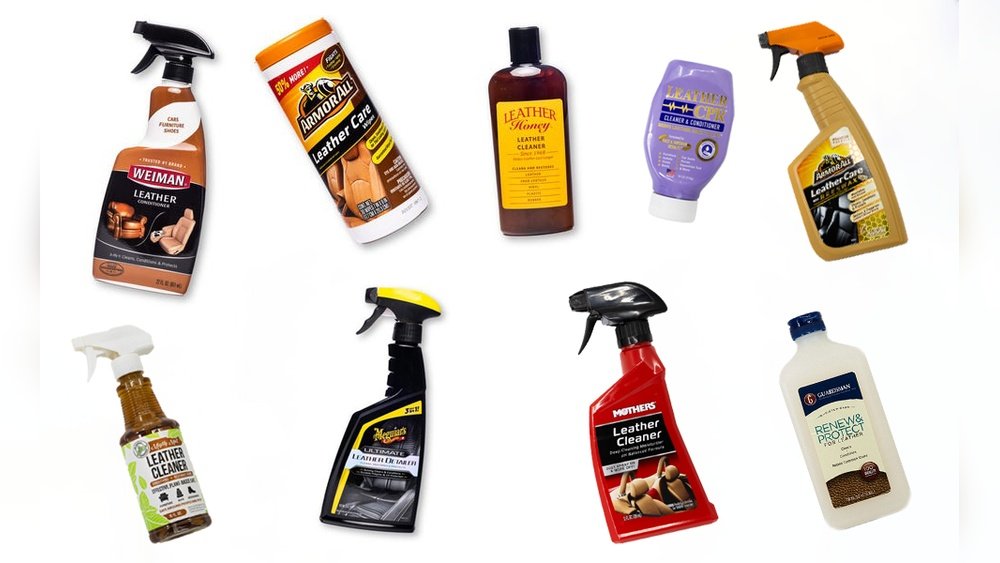
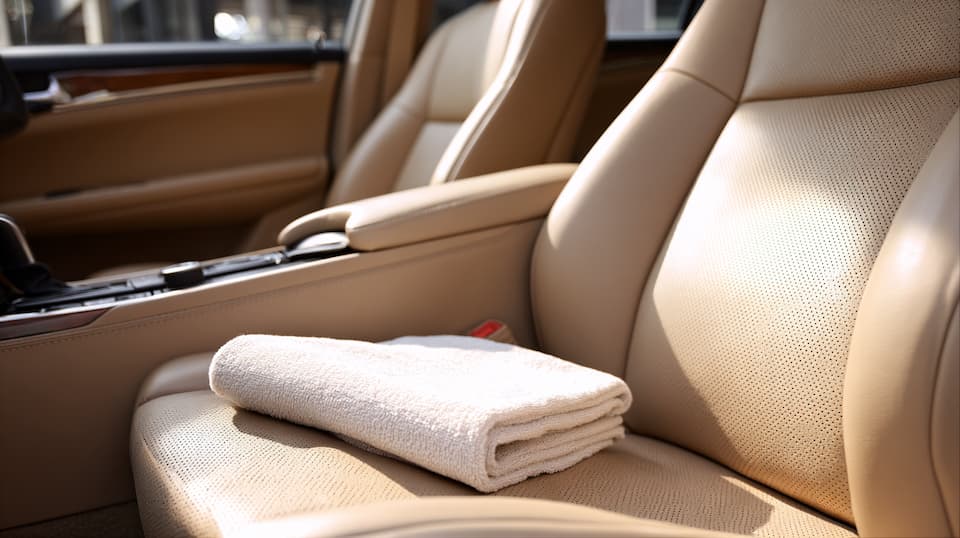
Leather car seats can make any car feel more comfortable and look more expensive. They’re smooth to the touch, often smell great, and are easier to clean than fabric. But keeping leather seats looking new takes the right care. Many car owners wonder if they can use household products to clean and maintain their leather seats, especially when commercial products are expensive or hard to find. Is it safe to use items from your kitchen or bathroom cabinet on leather car seats? Or can this cause more harm than good? Let’s explore what really happens when you use household products on leather, the science behind it, and how you can best care for your car’s interior.
What Makes Leather Car Seats Special?
Leather is not like fabric or vinyl. It’s made from animal hide, treated with chemicals, and often coated to protect against spills and sun damage. Most modern car seats use coated or pigmented leather, which has a thin protective layer. This coating gives durability but still needs gentle care.
Unlike synthetic materials, leather is porous. It can absorb liquids, oils, and cleaning chemicals. Over time, leather can dry out, crack, or fade if not treated properly. The protective coating helps, but harsh cleaners or the wrong products can break it down, exposing the delicate leather underneath.
Leather seats also face unique challenges in a car. Heat, sun, sweat, and friction all wear away at the surface. Leather can lose its shine and softness, especially if you use improper cleaning products.
Common Household Products People Use On Leather
Many people use household products on leather car seats, hoping to save time or money. Here are some of the most common choices:
- Soap and water
- Vinegar
- Baking soda
- Baby wipes
- Olive oil or coconut oil
- Rubbing alcohol
- Window cleaner
- Dish detergent
- Furniture polish
- Magic Erasers
But how does each one affect your leather seats? Let’s look closer.
Credit: crashchampions.com
Effects Of Household Products On Leather Car Seats
Understanding the chemistry of each product is key. Some household products are safe for a quick wipe, but others can cause long-term damage.
Soap And Water
Mild soap mixed with water is often safe for light cleaning. However, too much soap or scrubbing can remove the protective layer. Always use gentle, diluted soap and avoid soaking the leather.
Vinegar
Vinegar is acidic. While it can clean grime, it can also dry out leather, making it stiff and prone to cracking. Regular use of vinegar can break down the tanning agents that keep leather supple.
Baking Soda
Baking soda is abrasive. It can scratch the leather and dull its finish. While it may remove smells, it often leaves a residue that’s hard to remove.
Baby Wipes
Baby wipes seem gentle but often contain alcohol, fragrances, or oils. These chemicals can strip leather’s natural oils, leaving it dry or sticky.
Oils (olive, Coconut, Etc.)
Using oils is a popular home hack, but they can darken leather, leave stains, or make the surface greasy. Over time, oils can clog the pores in leather, causing uneven coloring.
Rubbing Alcohol
Alcohol cleans well but dries out leather quickly. It can strip away both the protective finish and natural oils. Avoid using alcohol except in emergencies, and always condition leather afterward.
Window Cleaner
Most window cleaners contain ammonia or alcohol, both of which are harmful to leather. They can discolor and weaken the material.
Dish Detergent
Dish soap is designed to cut grease, which means it can remove the oils that keep leather soft. Use only a tiny amount, if at all, and rinse thoroughly.
Furniture Polish
Furniture polish is made for wood, not leather. It can leave behind a sticky film and attract dirt.
Magic Erasers
Magic Erasers are made from melamine foam and act like fine sandpaper. They remove stains by abrasion, which can also remove the top layer of leather. This leaves seats more vulnerable to wear.
Quick Reference: Household Products And Leather Safety
Here’s a quick comparison of common household products and their effects on leather car seats:
| Product | Effect on Leather | Recommended? |
|---|---|---|
| Soap & Water | Mild; safe if diluted | Occasionally |
| Vinegar | Dries, cracks leather | No |
| Baking Soda | Abrasive, leaves residue | No |
| Baby Wipes | May contain alcohol/fragrance | No |
| Oils | Greasy, stains, clogs pores | No |
| Rubbing Alcohol | Dries, weakens leather | No |
| Window Cleaner | Discolors, weakens | No |
| Dish Detergent | Removes oils, dries | Rarely, with caution |
| Furniture Polish | Sticky, attracts dirt | No |
| Magic Erasers | Abrasive, removes coating | No |
Why Commercial Leather Cleaners Are Different
Many wonder why they should buy special leather cleaners when household products are available. The answer is in the formula. Commercial cleaners:
- Use balanced pH to avoid damaging leather
- Include conditioners to replace lost oils
- Are tested for colorfastness and safety
- Avoid harsh chemicals like ammonia, alcohol, or strong acids
These products are designed to clean, protect, and restore leather without causing harm. They’re usually recommended by car manufacturers and professional detailers.
What Happens If You Use The Wrong Product?
Using the wrong household product on your leather seats can cause:
- Drying and cracking
- Loss of color or fading
- Sticky or greasy residue
- Surface scratches or dullness
- Weakening of the protective coating
Once leather is damaged, repairs can be costly. Small cracks often grow, and faded or stained leather is hard to fix. Many people try home remedies to “fix” the damage, but this can make things worse.

Credit: monsterdetailing.com
When Is It Okay To Use Household Products?
Sometimes, household products are the only option—maybe you’re on a road trip, or stores are closed. In emergencies, use these guidelines:
- Choose the mildest option: Dilute soap and water is safest.
- Test on a small area first: Always try the product on a hidden spot.
- Use a soft cloth: Never use rough sponges or paper towels.
- Don’t soak the leather: Too much water can cause mold or damage.
- Wipe off all residue: Make sure nothing is left behind to dry or react.
After using any household product, apply a leather conditioner as soon as possible to restore moisture.
Safer Diy Leather Cleaning Solutions
If you must use a homemade cleaner, make it as gentle as possible. Here’s a simple recipe:
- Mix a few drops of mild, unscented liquid soap (like castile soap) with warm water.
- Use a damp microfiber cloth to gently wipe the leather.
- Dry the area with a clean towel.
- Apply a small amount of commercial leather conditioner if available.
This method is safe for most car leathers, but always test first.
The Role Of Conditioning In Leather Care
Cleaning is only half the job. Conditioning is what keeps leather soft, flexible, and looking new. Leather conditioners replace the oils lost over time. Neglecting this step causes leather to dry, crack, and lose color.
Most commercial conditioners are made from natural oils and waxes, designed to soak into leather without leaving a greasy feel. Avoid using home oils (like olive oil) for conditioning—these can go rancid and damage the leather.
Condition seats every 3–6 months, or more often if your car is exposed to sun, heat, or heavy use.
Comparing Household Products Vs. Commercial Leather Care
Let’s compare how household products and commercial leather care products stack up in different areas:
| Aspect | Household Products | Commercial Products |
|---|---|---|
| Safety | Often risky, may damage leather | Tested for safety, pH balanced |
| Cleaning Power | Can clean, but not always safe | Removes dirt without harm |
| Conditioning | Usually missing, oils may damage | Contains leather-safe oils/waxes |
| Residue | May leave film, sticky feel | No residue when used correctly |
| Long-term Results | Can cause cracks, fading | Protects, extends leather life |
Practical Tips For Cleaning Leather Car Seats
To keep your leather seats in top shape, follow these steps:
- Vacuum first: Remove dirt and crumbs to avoid scratching.
- Use a damp (not wet) cloth: Gently wipe the surface.
- Apply cleaner: Use a commercial leather cleaner, or a mild soap solution in emergencies.
- Rinse and dry: Remove all cleaner with a clean, damp cloth.
- Condition: After cleaning, apply a leather conditioner.
- Buff gently: Use a soft cloth to restore shine.
Avoid direct sun while cleaning; heat can dry out leather.
Non-obvious Insights Beginners Miss
- Less is more: Using too much cleaner or water does not mean better results. Leather absorbs moisture slowly. Over-wetting can cause mold or weaken the glue holding the seat together.
- Color transfer is real: Dark jeans, jackets, or colored towels can stain light leather. Always use clean, white cloths.
- Invisible damage: Leather may look fine after cleaning with a harsh product, but damage can develop weeks later as the protective coating wears away. Don’t trust only your eyes—know what’s in your cleaner.
How To Remove Common Stains From Leather Seats
Some stains need special care. Here’s how to handle a few:
Ink
Blot gently with a cotton swab dipped in rubbing alcohol, but use sparingly. Condition the area afterward.
Grease
Sprinkle a small amount of cornstarch or talcum powder. Let sit for a few hours, then brush away.
Dye Transfer
Use a commercial leather cleaner made for dye stains. Avoid using household bleach or hydrogen peroxide.
Food And Drink
Wipe up spills fast with a soft, damp cloth. For sticky stains, use diluted soap and water.
When To Call A Professional
Not all leather damage can be fixed at home. If you notice:
- Deep cracks
- Large stains
- Color loss
- Rips or tears
Contact a professional upholstery or leather repair service. They have the tools and products to restore leather without causing more harm.
How To Prevent Damage To Leather Car Seats
Prevention is always better than repair. Here’s what you can do:
- Park in the shade or use sunshades to reduce UV damage.
- Clean up spills right away.
- Avoid eating or drinking in the car.
- Use seat covers if you have pets or small children.
- Condition seats regularly.
- Don’t use colored towels or abrasive sponges.
Simple habits go a long way in keeping leather fresh.
The Science Behind Leather Damage
Leather is made from collagen fibers. Cleaning products with high pH or strong solvents can break these down, making leather weak and brittle. The protective coating on car leather is thin—strong cleaners can strip it quickly. Even a few uses of the wrong product can lead to visible and invisible damage.
On the other hand, leather needs some moisture and oils to stay flexible. Products that dry out leather, like alcohol or vinegar, disrupt this balance.
Are There Any Household Products That Are Truly Safe?
If you’re looking for a safe household option, distilled water and a tiny bit of mild soap is the best bet. Avoid anything with strong scents, acids, or abrasives. Microfiber cloths are safer than paper towels, which can be rough.
For quick dusting, a dry microfiber cloth is all you need. For regular cleaning, stick with products designed for automotive leather.
Real-world Examples: What Can Go Wrong
A quick search online reveals many stories of people damaging their leather seats with household products. For example:
- A car owner used vinegar to remove a coffee stain. The stain faded, but the leather became stiff and cracked within weeks.
- Another tried baby wipes to clean up after kids, only to find the seats sticky and faded after a month.
- Someone used olive oil to “condition” leather. It looked shiny at first but developed dark patches and a strong smell later.
These stories show that even common products can cause unexpected harm.
Credit: www.turtlewax.com
What Car Manufacturers Recommend
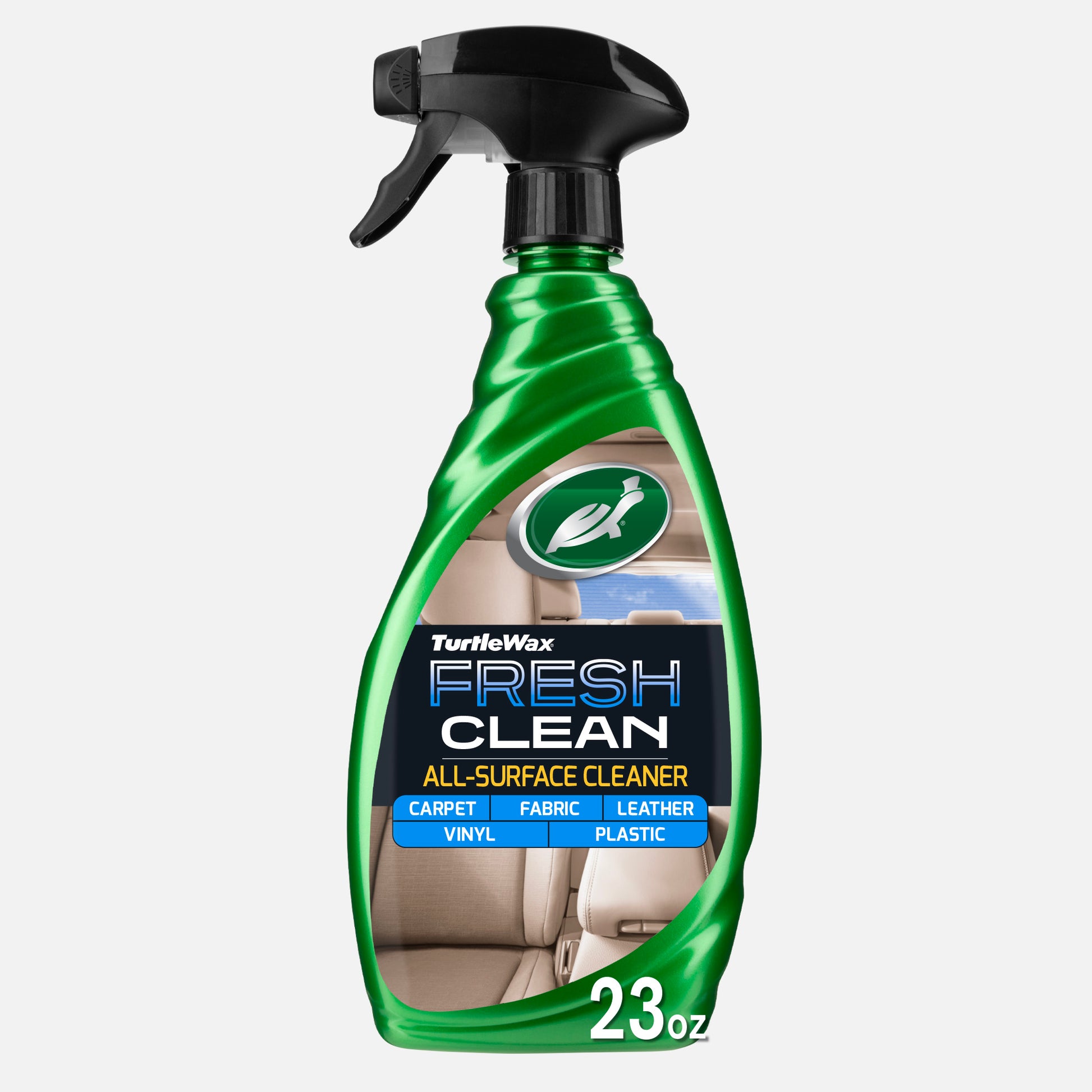
Most car manufacturers warn against using anything but approved leather cleaners and conditioners. Some even state that using household products can void the warranty on your seats. They recommend gentle cleaning, regular conditioning, and avoiding direct sun.
Always check your car’s owner manual for specific advice. If in doubt, choose commercial products or consult a professional.
How Often Should You Clean And Condition Leather Seats?
- Cleaning: Every 1–2 months, or more often if you have kids, pets, or messy passengers.
- Conditioning: Every 3–6 months, or after every cleaning if seats are exposed to sun or heavy use.
Over-cleaning can wear down the protective layer, so don’t clean more than needed.
Diy Vs. Professional Leather Care: Cost And Results
Here’s a comparison of DIY and professional care:
| Method | Average Cost | Effectiveness | Risks |
|---|---|---|---|
| DIY with Household Products | $0–$5 | Low to Moderate | High (damage possible) |
| DIY with Commercial Products | $10–$30 | High | Low if used properly |
| Professional Cleaning | $75–$200 | Very High | Very Low |
While household products seem cheap, the risk of damage is high. Commercial products offer better results for a small extra cost. Professionals are best for tough stains or damage.
One Key Resource For Leather Care
If you want to learn more about the science of leather and recommended care, check out this Automotive Leather Care Guide for expert tips.
Frequently Asked Questions
Can I Use Dish Soap To Clean Leather Car Seats?
You can use a small amount of mild dish soap diluted in water for light cleaning, but avoid strong or scented soaps. Always rinse thoroughly and condition the leather afterward to prevent drying.
Are Baby Wipes Safe For Leather Car Seats?
Most baby wipes are not safe for leather. They often contain alcohol, fragrances, or oils that can dry out or damage the leather surface. Stick to products designed for leather care.
What Is The Safest Household Product To Use On Leather?
The safest household product is distilled water with a small amount of mild, unscented soap. Always test on a hidden area first, and avoid soaking the leather.
How Do I Fix Leather Seats That Have Become Sticky After Cleaning?
Sticky seats usually mean residue is left behind. Wipe the area with a damp microfiber cloth and let dry. If the problem continues, use a commercial leather cleaner to remove the residue, then condition the leather.
Can I Use Olive Oil Or Coconut Oil To Condition Leather Car Seats?
No. Oils like olive or coconut can darken leather, leave stains, and cause unpleasant odors. They are not formulated for leather and can cause more harm than good. Always use a proper leather conditioner.
Taking care of leather car seats is simple if you use the right products and a gentle touch. Household products may seem convenient, but they carry real risks. For the best results, stick with cleaners and conditioners made for automotive leather—your seats will look better, last longer, and keep your car feeling like new.