
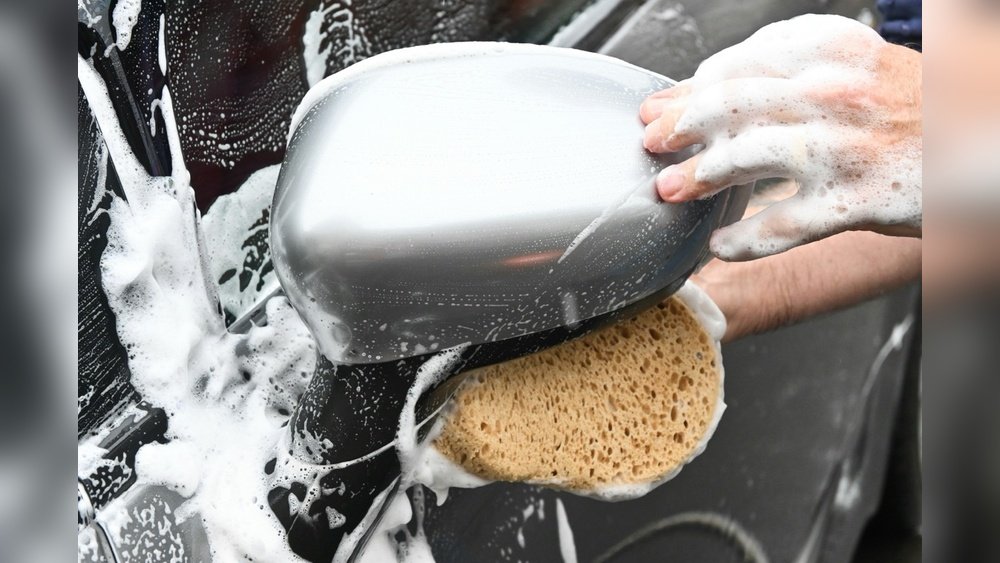
If you run a car detailing business in Austin, Texas, understanding drought restrictions is crucial for staying compliant and protecting your reputation. Water conservation rules can change quickly, especially during dry spells, and ignoring them can lead to fines or even business shutdowns.
You might wonder how to keep your customers happy while following these laws. This guide will walk you through the key regulations that affect your car detailing services during drought restrictions. By knowing what’s allowed—and what’s not—you can save water, avoid penalties, and keep your business thriving no matter the weather.
Keep reading to learn exactly what you need to do to stay on the right side of the law.
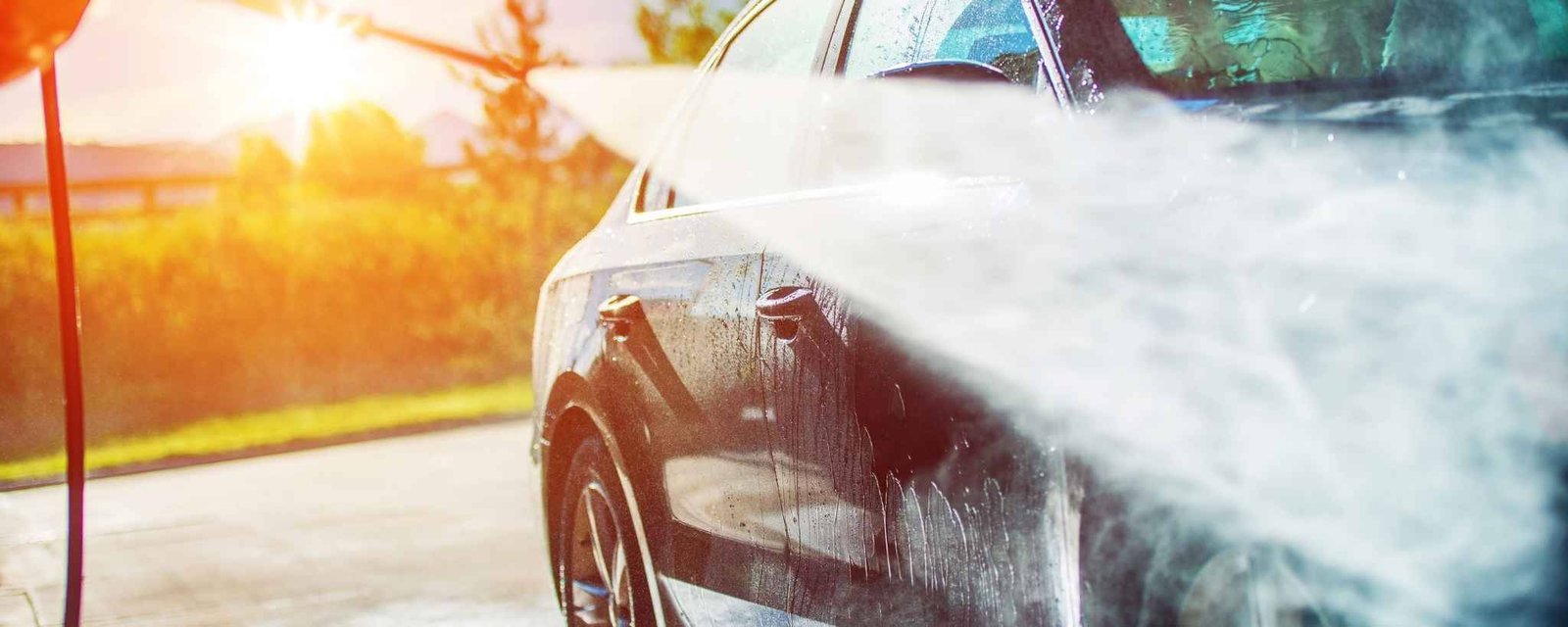
Credit: www.pandahub.com
Drought Stages In Austin
Austin faces different drought stages that affect water use rules. These stages guide how businesses like car detailing must manage water. Understanding these stages helps you follow the law and avoid fines. Water restrictions change with drought severity and reservoir levels. Austin’s water rules aim to save water while keeping daily life smooth.
Each drought stage sets limits on water use. Car detailing businesses must adjust their water use based on these rules. Knowing the current drought stage is vital to plan your work and stay legal.
Conservation Stage Details
The Conservation Stage is the current drought status in Austin. It means water supply is stable but saving water remains important. During this stage, some watering is allowed with rules. Hose-end sprinklers and drip irrigation can be used on specific days. Both automatic and manual irrigation systems follow the watering schedule.
Wasting water is not allowed at any time. Car detailing businesses must avoid excess water use. Washing cars with a hose is often limited or requires using water-efficient methods. These rules help keep water use balanced while businesses operate.
Reservoir Levels Impact
Reservoir levels directly impact drought stages and water rules. High reservoir levels mean fewer restrictions. Austin’s reservoirs are currently full due to recent rains. This keeps the city in the Conservation Stage instead of a stricter stage.
The Lower Colorado River Authority (LCRA) manages these reservoirs. Their outlook expects high lake levels for several months. As a result, water use rules stay moderate. If levels drop, restrictions will tighten quickly. Car detailers must watch reservoir reports to prepare for changes.

Credit: www.cityofkyle.com
Water Use Restrictions
Water use restrictions play a key role during drought periods. These rules help save water and protect the environment. Car detailing businesses must follow these rules to avoid penalties. Understanding water restrictions ensures compliance and supports community efforts.
Irrigation Rules
Irrigation systems often use large amounts of water. During droughts, rules limit irrigation times and methods. Automatic sprinklers may run only on specific days. Drip irrigation is usually allowed since it uses less water. Businesses must check local guidelines to avoid fines.
General Prohibitions
Many water uses are prohibited during drought restrictions. Wasting water is not allowed under any circumstances. Washing cars with a hose without a shutoff nozzle is banned. Water cannot run off into streets or storm drains. Using water for non-essential purposes is restricted.
Allowed Watering Days
Watering days vary by location and drought severity. Austin, Texas sets specific days for watering lawns and plants. Businesses must follow these schedules to stay legal. Watering outside allowed days can lead to fines. Checking local resources helps stay updated on rules.
Car Detailing Limits
Water use limits during drought affect car detailing activities. Cities impose rules to save water and protect the environment. These limits vary by location and type of car wash. Understanding these rules helps businesses stay legal and eco-friendly.
Car detailing businesses must follow specific water restrictions. These restrictions cover home washing, commercial operations, and charity events. Each category faces different regulations to control water use efficiently.
Home Car Washing Rules
Homeowners can wash cars but must follow local water limits. Washing on driveways is allowed only on designated days. Use of water-efficient tools like buckets and nozzles is encouraged. Running hoses without a shutoff nozzle is usually banned. Soap and chemicals should not flow into storm drains.
Commercial Car Wash Regulations
Commercial car washes face strict water use controls during drought. Many must recycle water to minimize waste. Permits may require monthly water use reports. Some cities limit operating hours to reduce peak water demand. Businesses must avoid water runoff that pollutes streets and waterways.
Charity Car Wash Prohibitions
Charity car washes often face bans during droughts. These events use large water volumes in short times. Many local laws prohibit them to conserve water. Alternative fundraising methods are recommended instead. Organizers should check local rules before planning any event.
Environmental Compliance
Environmental compliance is crucial for car detailing businesses, especially during drought restrictions. These rules help protect water resources and reduce pollution. Staying informed about laws ensures your business operates responsibly. Following these guidelines supports community efforts to conserve water and protect the environment.
Wastewater Disposal Laws
Wastewater from car washing contains soaps, oils, and dirt. It must not enter storm drains or natural waterways. Many areas require businesses to collect and treat wastewater properly. Using approved disposal methods prevents pollution and legal penalties. Some regions mandate using recycling systems to reduce water use and waste discharge.
Pollution Prevention Measures
Car detailers must use eco-friendly products to minimize harmful runoff. Avoid using harsh chemicals that contaminate soil and water. Implementing spill prevention plans helps control accidental leaks. Proper storage and disposal of cleaning materials reduce environmental risks. Training staff on pollution control ensures daily compliance and protects local ecosystems.
Enforcement And Penalties
Car detailing businesses must follow strict rules during drought restrictions. Authorities enforce these laws to save water and protect the environment. Breaking these rules can lead to serious consequences. Understanding enforcement and penalties helps businesses stay compliant and avoid fines.
Monitoring By Authorities
Local officials regularly check car detailing services for rule compliance. They visit business locations and inspect water usage. Surveillance cameras and complaint reports also help monitor activities. Authorities ensure that water is not wasted during drought periods. Regular monitoring keeps businesses accountable and supports water conservation efforts.
Fines And Legal Actions
Violating drought restrictions can result in fines or legal penalties. Fines may vary based on the severity of the offense. Repeat offenders face higher fines or even business license suspension. In some cases, legal action can lead to court appearances or other sanctions. These penalties motivate businesses to follow water-saving regulations strictly.
Water Conservation Tips
Water conservation is critical for car detailing businesses during drought restrictions. Saving water helps protect local resources and complies with laws. Businesses must adopt practices that reduce water use without sacrificing quality. These tips support sustainable operations and community well-being.
Efficient Car Detailing Practices
Use high-pressure, low-volume washers to reduce water use. Limit rinsing times and avoid running water continuously. Capture and reuse rinse water when possible. Schedule detailing during cooler parts of the day to minimize evaporation. Train staff on water-saving techniques and monitor usage closely.
Alternative Cleaning Methods
Use waterless or low-water car wash products designed for drought areas. Apply microfiber towels and spray cleaners to remove dirt without rinsing. Consider steam cleaning, which uses minimal water and kills bacteria. Choose biodegradable soaps to reduce environmental impact. These methods save water and maintain vehicle cleanliness effectively.
Future Outlook
The future of car detailing businesses during drought restrictions is uncertain but manageable. Understanding upcoming changes helps business owners prepare. Weather and regulations will shape how these businesses operate. Staying informed is key to adapting and thriving.
Expected Changes In Restrictions
Water use rules for car detailing may become stricter. Authorities want to save more water during dry periods. Limits on water volume and washing days could increase. Some cities may ban certain washing methods. Businesses might need to use water-saving equipment. Compliance will be essential to avoid fines and closures.
Impact Of Weather Patterns
Weather affects drought severity and water availability. Longer dry spells mean tougher restrictions for businesses. Heavy rains can ease rules temporarily. Climate changes may cause more frequent droughts. Businesses must track weather forecasts closely. Planning around weather helps maintain operations without breaking rules.
Credit: www.newsweek.com
Frequently Asked Questions
What Are The Stage 3 Water Restrictions In Austin?
Stage 3 water restrictions in Austin ban outdoor irrigation and limit car washing to commercial facilities only. Wasting water is prohibited.
Can I Water With A Hose In Austin?
Yes, you can water with a hose in Austin using a positive shutoff valve. Avoid wasting water to comply with conservation rules.
What Days Can I Water Austin?
Austin allows watering lawns once a week on designated days based on your address. Avoid watering between 10 a. m. and 6 p. m. to conserve water. Use hose-end sprinklers or drip irrigation only during allowed times. Check AustinTexas. gov for your specific watering day and current restrictions.
Can I Wash My Car In Vancouver During Water Restrictions?
Washing your car on Vancouver streets is illegal during water restrictions. Use private driveways with permeable surfaces like gravel or lawn instead.
Conclusion
Following drought restrictions keeps your car detailing business legal and responsible. Water conservation protects the community and the environment. Knowing local laws helps avoid fines and penalties. Use water-saving techniques to continue serving customers. Stay updated on changes in drought rules and regulations.
Respecting these laws builds trust with clients and neighbors. Operating with care ensures your business thrives during dry periods. Small changes make a big difference in water use. Compliance benefits both your business and the Austin area.














