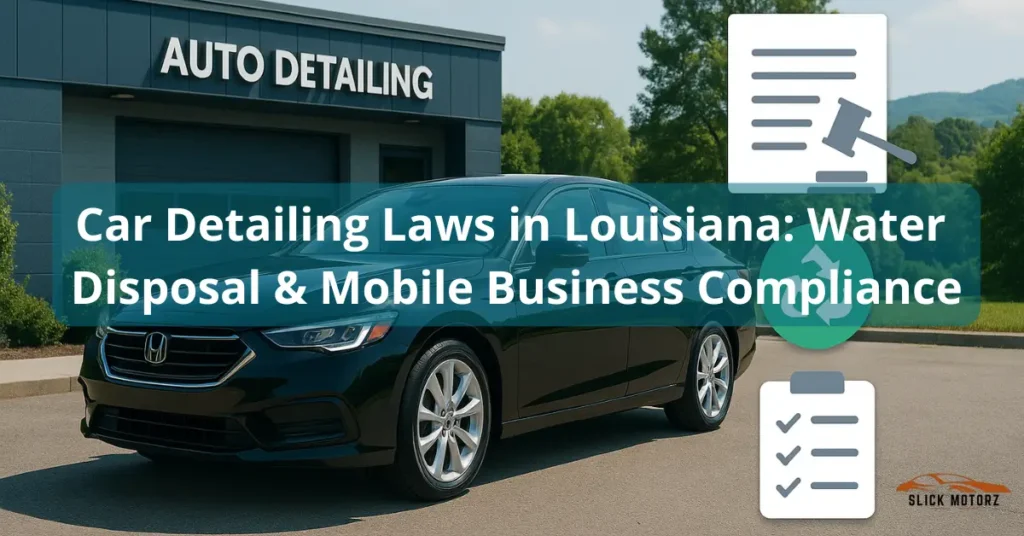
If you’re thinking about starting a car detailing business or simply want to understand the rules around this service in Louisiana, knowing the laws is key to staying compliant and avoiding costly fines. You might wonder: Do you need a special license?
What environmental regulations apply? How do local permits affect your work? This guide breaks down everything you need to know about car detailing laws in Louisiana—clear, simple, and straight to the point. Keep reading to make sure your business or personal car care stays legal and hassle-free.
Credit: m.yelp.com
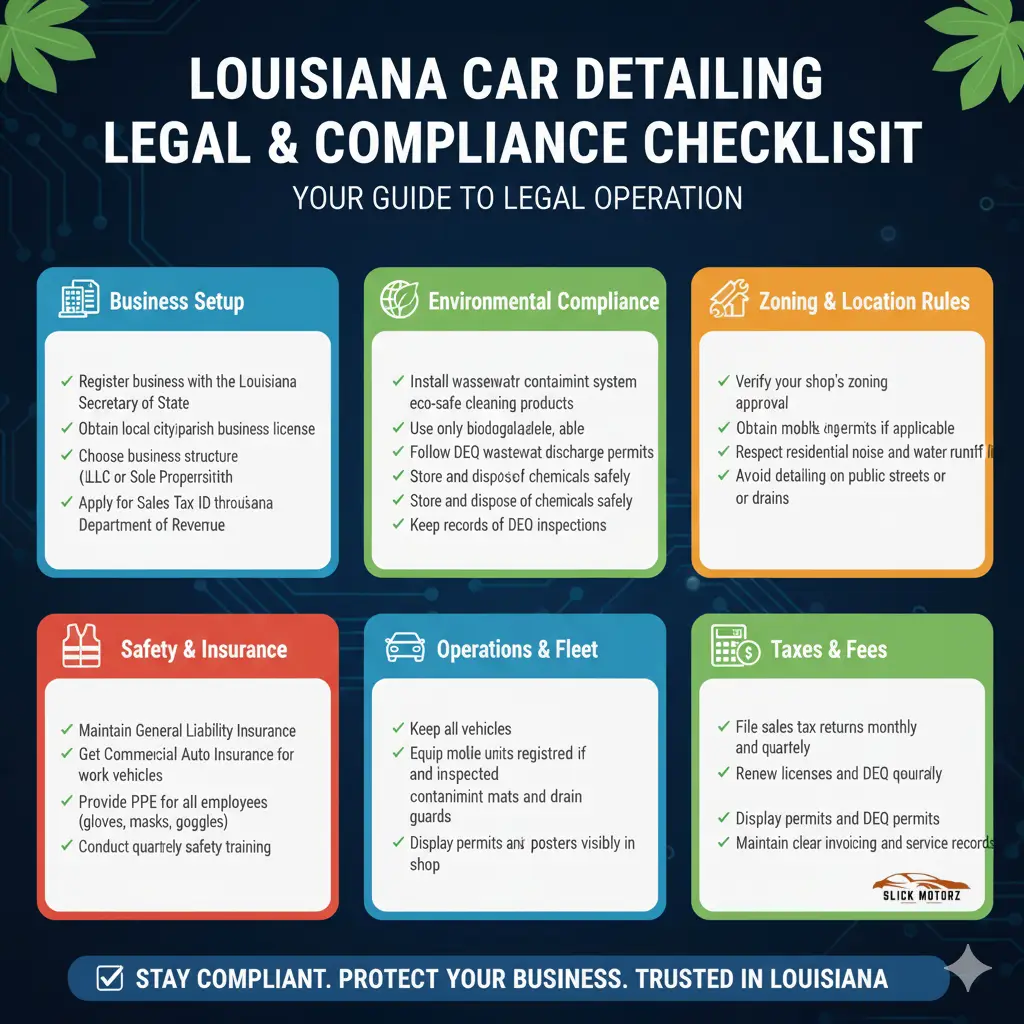
Business Licensing In Louisiana
Starting a car detailing business in Louisiana requires proper business licensing. This ensures your business operates legally and meets state and local standards. Understanding the licensing process helps you avoid fines and build trust with customers.
Licenses vary by state and local rules. Registering your business correctly and choosing the right structure are key steps. These steps protect your personal assets and improve your business’s credibility.
State Vs Local Licenses
Louisiana does not issue a general state business license for car detailing. Most licensing happens at the local level. Cities and parishes require business licenses or permits to operate legally.
Check with the city clerk or parish office where your business is located. Local licenses may include zoning permits and health inspections. Follow their guidelines to avoid penalties or shutdowns.
Registering Your Business
Registering your car detailing business is essential before applying for licenses. You must register with the Louisiana Secretary of State. This step makes your business official and helps with taxes and legal matters.
Registration requires choosing a unique business name. It also involves submitting forms and paying fees. After registration, you can apply for local business licenses and permits.
Choosing A Business Structure
Pick a business structure that fits your needs. Common types include sole proprietorship, LLC, and partnership. Each type affects taxes, liability, and paperwork.
An LLC protects your personal assets from business debts. Sole proprietorship is simpler but offers less protection. Consult a professional if unsure which structure works best.
For official business registration and tax details, visit the Louisiana Secretary of State’s website and the Louisiana Department of Revenue.
Environmental Regulations
Car detailing businesses in Louisiana face strict environmental regulations. These rules protect natural resources and public health. Understanding these laws helps businesses operate responsibly and avoid fines. The main focus lies on managing wastewater, chemical use, and compliance with state standards.
Wastewater Discharge Rules
Louisiana regulates wastewater from car washes and detailing shops. Discharging untreated water into streets or storm drains is illegal. Wastewater must be collected and treated properly. Many businesses use containment systems to prevent pollution. These systems stop harmful chemicals from reaching rivers and soil.
Use Of Chemicals And Detergents
The state limits the types of chemicals used in detailing. Only biodegradable and less toxic detergents are allowed. Harsh chemicals can harm local ecosystems and water quality. Businesses must store and dispose of chemicals safely. Proper handling reduces environmental risks and ensures worker safety.
Compliance With DEQ Standards
The Louisiana Department of Environmental Quality (DEQ) enforces car detailing laws. Businesses must follow DEQ permits and guidelines strictly. Regular inspections check for proper wastewater management and chemical use. Violations can lead to penalties or closure. Staying compliant promotes a cleaner environment and protects your business.
Zoning And Location Rules
Zoning and location rules shape where you can run a car detailing business in Louisiana. These laws protect neighborhoods and ensure businesses do not disrupt local life. Understanding these rules helps you choose a legal, suitable spot for your operation.
Permitted Business Zones
Car detailing shops are allowed in specific business zones. These zones usually include commercial and industrial areas. Residential zones often restrict commercial activities to keep neighborhoods quiet. Check local zoning maps to find approved zones before setting up your shop.
Mobile Detailing Restrictions
Mobile detailing faces unique rules in Louisiana. Some cities limit where mobile units can park while working. Using public streets or private property may require permission. Noise and water runoff rules also apply to protect the environment and neighbors.
Home-based Business Guidelines
Running a home-based car detailing business has clear limits. Most areas allow small-scale detailing with low customer traffic. You may need a permit and must follow rules about waste disposal. Neighbors’ complaints can lead to inspections or fines, so keep your work neat and quiet.
Insurance And Liability
Insurance and liability are key concerns for car detailing businesses in Louisiana. Proper coverage protects your business from financial risks and legal troubles. Understanding the required insurance types and liability coverage is essential to running a safe and compliant operation. This section outlines important insurance and liability aspects for car detailers in Louisiana.
Required Insurance Types
Car detailing businesses must carry several types of insurance. General liability insurance covers accidents and property damage. Commercial auto insurance protects vehicles used for business tasks. Workers’ compensation insurance is necessary if you hire employees. These insurances meet state laws and protect your business assets.
Liability Coverage Essentials
Liability coverage shields your business from claims of injury or damage. It includes coverage for slip-and-fall accidents on your property. It also protects against damage to customers’ vehicles during detailing. Adequate liability limits prevent costly lawsuits. Check that your policy covers all detailing operations.
Protecting Your Business
Insurance safeguards your business finances and reputation. Keep your policies updated to reflect business growth or changes. Maintain clear records of all insurance documents. Train employees on safety practices to reduce accidents. Strong insurance and liability management build trust with customers and regulators.
Equipment And Safety Standards
Car detailing businesses in Louisiana must follow strict equipment and safety standards. These rules protect workers, customers, and the environment. Understanding and following these standards helps keep your business legal and safe.
Equipment used in car detailing needs to meet state regulations. Safety standards ensure chemicals and tools do not cause harm. Training on proper use and handling is essential for all employees.
Pressure Washing Regulations
Pressure washers must comply with Louisiana state laws. Operators should use equipment that controls water flow and pressure. Excessive pressure can damage vehicles and nearby surfaces.
Water runoff from washing must not pollute streets or drains. Proper disposal methods are required to avoid fines. Regular maintenance of pressure washers keeps them working safely and efficiently.
Safe Chemical Handling
Detailing chemicals can be hazardous if not handled correctly. Louisiana law requires clear labeling of all cleaning products. Store chemicals in well-ventilated areas away from heat or flames.
Employees must follow instructions for mixing and using chemicals. Spill kits and first aid supplies should be accessible. Proper disposal of chemical waste protects the environment and meets legal standards.
Personal Protective Equipment
Workers must wear personal protective equipment (PPE) during detailing tasks. Gloves, goggles, and masks reduce exposure to harmful substances. PPE also helps prevent injuries from tools and machinery.
Employers must provide PPE and train staff on its use. Regular inspections ensure PPE remains in good condition. Using PPE properly creates a safer workplace for everyone.
Vehicle And Fleet Compliance
Vehicle and fleet compliance is crucial for car detailing businesses in Louisiana. It ensures all vehicles meet state laws and operate safely. Compliance affects inspections, registrations, and daily operations. Understanding these rules helps businesses avoid fines and legal issues.
Inspection And Registration
All vehicles must pass regular inspections in Louisiana. This confirms they meet safety and emissions standards. Fleet owners must keep registration current for every vehicle. Registration proves legal permission to operate on public roads. Missing or expired documents can halt business operations.
Mobile Fleet Washing Rules
Mobile washing services must follow environmental laws. Louisiana restricts water runoff and chemical discharge during cleaning. Businesses should use approved detergents and water containment systems. Violations can lead to heavy fines and permit loss. Proper waste disposal protects local water sources.
Vehicle Equipment Requirements
Vehicles need specific equipment to comply with state laws. This includes safety gear like fire extinguishers and first aid kits. Commercial fleets must display proper signage and lighting. Equipment must be maintained and functional at all times. Compliance ensures safety for drivers and the public.
Costs And Fees
Starting a car detailing business in Louisiana involves understanding various costs and fees. These expenses are necessary to operate legally and maintain good standing. Knowing them helps plan your budget effectively.
Costs include fees for licenses, permits, and ongoing compliance. Each step has specific charges that vary by location and business size. Preparing for these costs avoids surprises and delays.
License Application Fees
To legally operate, you must pay a license application fee. This fee covers the processing of your business license. In Louisiana, fees typically range from $50 to $150. The exact amount depends on your city or parish regulations.
Submitting a complete and accurate application speeds up approval. Some areas may require proof of insurance or business registration as part of the application.
Permit Costs
Permits are required for environmental and health compliance. For car detailing, a wash rack discharge permit might be necessary. The Louisiana Department of Environmental Quality oversees these permits.
Permit costs vary but usually start around $100. These fees cover inspections and monitoring to prevent pollution. Local governments may charge additional fees for zoning or signage permits.
Ongoing Compliance Expenses
Ongoing costs include renewals, inspections, and possible upgrades. Business licenses and permits often require annual renewal fees. Expect to pay between $50 and $200 each year.
Compliance also means following waste disposal and water use rules. Failure to comply can result in fines or business closure. Budgeting for regular maintenance and updates helps avoid penalties.
Credit: m.yelp.com
Common Legal Challenges
Car detailing businesses in Louisiana face several legal challenges. Understanding these challenges helps owners avoid fines and legal trouble. Common legal issues often arise from local rules, environmental laws, and contract matters. Each area requires careful attention and compliance.
Local Enforcement Issues
Local authorities enforce business regulations strictly. Many cities have specific rules for car detailing operations. These rules cover zoning, permits, and business licenses. Noncompliance can lead to fines or shutdowns. Keeping close contact with local agencies helps stay updated on changes.
Sometimes, enforcement varies by parish or city. This inconsistency confuses mobile detailers working in multiple areas. Detailed knowledge of local laws ensures smoother operations and fewer disputes.
Environmental Violations
Environmental laws in Louisiana regulate water runoff and chemical disposal. Car detailing uses many cleaning agents that can harm local waterways. The Department of Environmental Quality monitors these activities closely. Violations can result in heavy penalties and business closure.
Operators must follow guidelines for wastewater treatment and disposal. Using proper filtration systems and eco-friendly products reduces risks. Regular inspections by state officials keep businesses accountable.
Contract And Liability Disputes
Contracts help protect car detailing businesses and customers. Clear terms reduce misunderstandings and disputes. Liability issues arise from damage to vehicles or property during service. Businesses must carry proper insurance to cover potential claims.
Disputes often involve payment terms, service quality, or damage responsibility. Having written agreements and documenting work protects both parties. Prompt communication resolves many conflicts before they escalate.
Credit: m.yelp.com
Frequently Asked Questions
Do You Need An LLC for A Car Detailing Business?
You don’t need an LLC to start a car detailing business, but forming one offers liability protection and business credibility. Choose a structure that fits your goals and register it. Obtain necessary local licenses and permits before operating.
How To Start A Pressure Washing Business In Louisiana?
Start by researching Louisiana regulations and creating a business plan. Obtain required licenses, permits, and insurance. Buy pressure washing equipment. Follow environmental rules. Develop marketing strategies to attract clients and grow your pressure washing business.
Do You Need A Car Detailing License In Texas?
Texas does not require a specific car detailing license. Obtain a local business license or permit from your city or county. Check local regulations to ensure compliance.
Do I Need A License For Car Detailing In Louisiana?
In Louisiana, a specific state license for car detailing is not required. However, you must obtain a local business license and comply with city or parish regulations to operate legally.
Conclusion
Understanding car detailing laws in Louisiana helps you stay legal and safe. Follow state and local rules carefully to avoid fines. Obtain all necessary licenses before starting your business. Protect the environment by following water and waste guidelines. Keep your paperwork updated and comply with zoning laws.
Staying informed makes your business run smoothly. Be responsible and respect Louisiana’s regulations. This way, your car detailing service can grow without trouble. Simple steps lead to long-term success in this field.