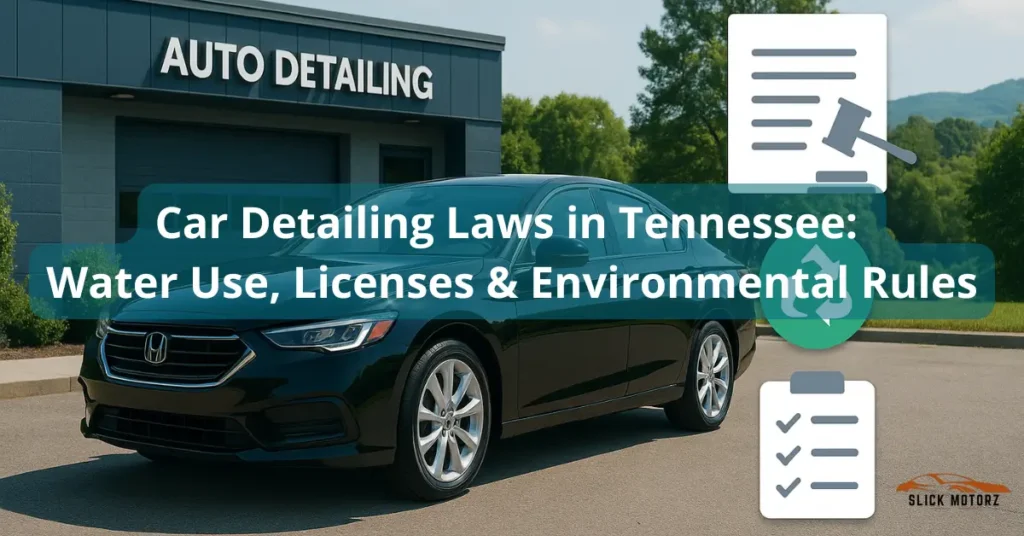
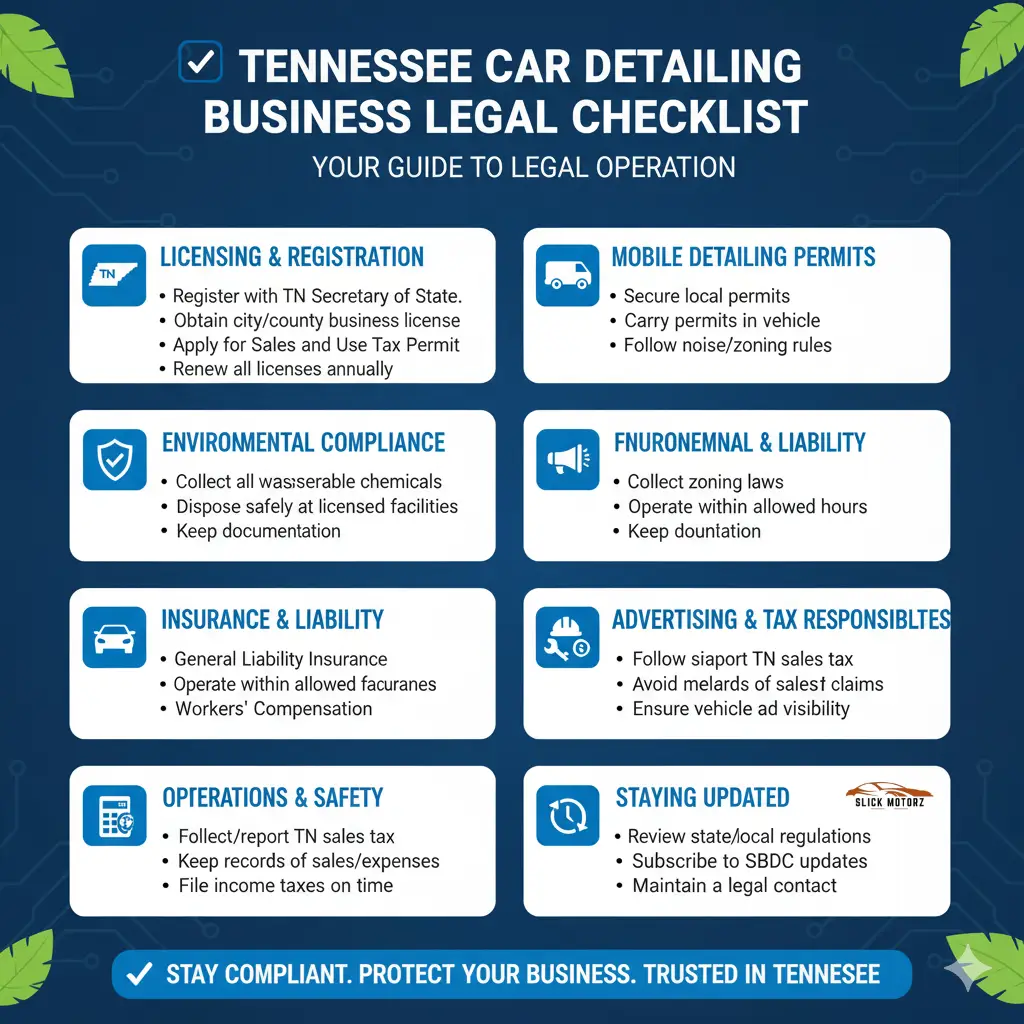
If you’re thinking about starting or running a car detailing business in Tennessee, understanding the local laws is crucial. You might wonder what permits or licenses you need, or if there are restrictions on where and how you can operate.
Getting these details right can save you from costly fines and help your business run smoothly. You’ll learn exactly what are the car detailing laws in Tennessee—so you can focus on making vehicles shine without any legal worries. Keep reading to discover the key rules that could impact your business and how to stay fully compliant.
Licensing Requirements
Starting a car detailing business in Tennessee requires following specific licensing rules. These rules help protect customers and ensure your business runs legally. Understanding the licenses you need is key to avoiding fines and delays.
Different licenses apply depending on your business type. Whether you run a shop or offer mobile services, each has its own requirements. Selling car care products also involves getting the right permits.
Business License Essentials
Every car detailing business in Tennessee must have a valid business license. This license allows you to operate legally within your city or county. You apply through your local government office. The process usually includes filling out forms and paying a fee.
Keep your business license current by renewing it on time. Failure to do so can lead to fines or closure. Display your license at your place of business to show compliance.
Mobile Detailing Permits
Mobile detailing businesses must get special permits. These permits allow you to provide services at clients’ locations. Check with local authorities for the exact permit needed. Rules can vary between cities and counties.
Mobile permits may include health and safety inspections. They ensure your equipment meets state standards. Carry all permits in your vehicle while working to avoid penalties.
Sales Permits For Products
If you sell car care products, you need a sales permit. This permit lets you collect sales tax from customers. Apply for it at the Tennessee Department of Revenue. You must report and pay collected taxes regularly.
Proper sales permits build trust with customers. They show your business follows tax laws. Keep accurate sales records to simplify reporting and audits.
Credit: www.615protint.com
Environmental Regulations
Car detailing businesses in Tennessee must follow strict environmental regulations. These rules help protect water quality and prevent pollution. Complying with these laws is essential for all detailers to operate legally and responsibly.
Understanding local and state requirements ensures your business avoids fines and supports environmental health. Tennessee enforces specific guidelines on water use, chemical disposal, and local environmental compliance. Learning these rules helps you maintain a sustainable detailing service.
Water Usage Restrictions
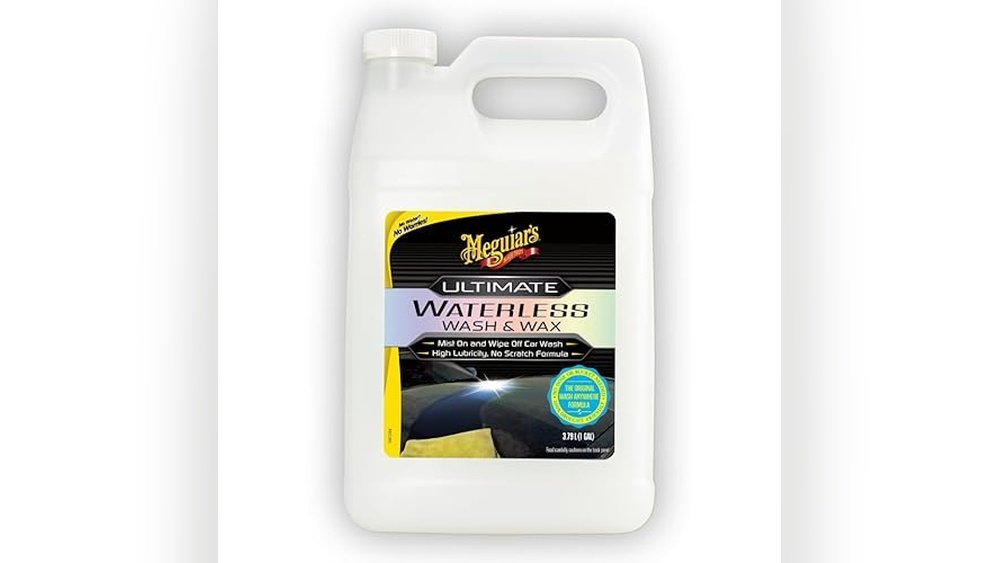
Tennessee limits water use for car detailing to conserve resources. Many cities require permits for large water use. Some areas ban washing vehicles on public streets to avoid runoff pollution. Using water-efficient methods, like waterless washes, helps meet these restrictions. Businesses should track water use and follow local guidelines carefully.
Chemical Disposal Rules
Proper disposal of chemicals is critical to avoid harming the environment. Tennessee law prohibits pouring chemicals down storm drains or into soil. Detailers must use approved containers for waste and dispose of them at licensed facilities. Following these rules prevents contamination of water sources and soil. Always store chemicals safely and handle spills promptly.
Local Environmental Compliance
Local governments in Tennessee may have additional rules for car detailing businesses. These rules often address noise, waste, and runoff control. Some counties require special permits or inspections to ensure compliance. Detailers should check with city or county offices before starting work. Staying informed about local laws avoids fines and supports community health.
Insurance And Liability
Understanding insurance and liability is crucial for car detailing businesses in Tennessee. These laws protect both the business owner and customers. Insurance helps cover damages or accidents during service. Liability ensures responsibility for any harm or loss. Tennessee requires certain types of insurance to operate legally. Knowing these requirements avoids costly penalties and builds trust.
Required Insurance Types
Car detailing businesses in Tennessee must carry specific insurance policies. General liability insurance is often mandatory. It covers property damage or injury claims. Some businesses also need commercial auto insurance. This protects vehicles used in the business. Check local regulations to confirm exact insurance needs.
Liability Coverage
Liability coverage protects against claims of injury or property damage. It covers legal fees and settlements. For example, if a customer’s car is damaged during detailing, this coverage applies. It also protects against slip-and-fall accidents on your property. Adequate liability coverage is essential for risk management.
Worker’s Compensation
Tennessee requires workers’ compensation for businesses with employees. This insurance covers medical costs and lost wages from work injuries. It protects both the worker and the business owner. Even small detailing shops with one or two employees must comply. Failure to have this insurance can lead to fines and lawsuits.
Credit: fox17.com
Operating Restrictions
Operating a car detailing business in Tennessee requires following specific rules. These rules help keep businesses safe and fair for everyone. Understanding these rules avoids legal problems and fines. This section explains key operating restrictions for car detailing in Tennessee.
Zoning Laws
Zoning laws control where you can run your detailing business. Some areas only allow residential use, not commercial activities. You must check local zoning maps before starting. Many cities require a permit to operate a business from home. Running a detailing business in a restricted zone can lead to fines or shutdowns.
Noise And Hours Of Operation
Tennessee limits the noise level from car detailing activities. Loud equipment cannot run early morning or late at night. Most cities set operating hours from 8 AM to 8 PM. Following these hours helps avoid complaints from neighbors. Noise rules protect community peace and reduce disturbances.
Mobile Detailing Location Limits
Mobile car detailing is popular but has location limits in Tennessee. You cannot park and work on public roads or restricted zones. Some cities require permission to operate in commercial parking lots. Moving between locations is allowed, but you must follow local parking rules. These limits prevent traffic problems and ensure safety.
Tax Obligations
Running a car detailing business in Tennessee means you must understand your tax obligations. Taxes affect how you price your services and keep your business legal. Knowing what taxes to collect and report helps avoid penalties. This section breaks down key tax responsibilities for detailers in Tennessee.
Sales Tax Collection
Tennessee requires businesses to collect sales tax on most services and products. Car detailing services usually have sales tax applied. If you sell car care products like wax or cleaners, you must collect sales tax on those, too. Register with the Tennessee Department of Revenue to get a sales tax permit. Always keep records of sales and tax collected.
Income Reporting
Report all income earned from your detailing business to the IRS and Tennessee tax authorities. This includes cash, checks, and digital payments. Accurate income reporting ensures you pay the right amount of tax. Keep detailed records of your earnings and expenses. File your taxes on time to avoid fines or interest charges.
Tax Deductions For Detailers
Detailing businesses can lower tax bills by claiming deductions. Deduct costs like cleaning supplies, equipment, and business insurance. Vehicle expenses related to your detailing work may also be deductible. Track all receipts and expenses carefully. Consult a tax professional to maximize your deductions and stay compliant.
Advertising Rules
Advertising rules for car detailing businesses in Tennessee set clear boundaries. These rules protect consumers and help businesses operate fairly. Understanding these rules is crucial for lawful promotion and customer trust.
Tennessee enforces specific regulations on signage, vehicle advertisements, and online marketing. Compliance avoids fines and strengthens reputation.
Signage Regulations
Signage must follow local zoning laws and size limits. Businesses cannot place signs that block traffic views or violate city codes. Signs should clearly display the business name and contact details. Using misleading or false information on signs is prohibited. Proper permits are required before installing any signage.
Vehicle Advertising Guidelines
Car detailing companies can advertise on vehicles, but must follow safety rules. Advertising stickers or magnets cannot obstruct the driver’s view or vehicle lights. All graphics should be professionally applied and easy to read. Tennessee law forbids offensive or deceptive messages on vehicle ads. Mobile detailing vehicles must include valid business registration details.
Online Marketing Compliance
Online advertising must be honest and transparent. Websites should provide accurate service descriptions and pricing. False claims or exaggerated results can lead to penalties. Customer reviews must be genuine and not fabricated. Businesses must comply with data privacy laws when collecting client information. All online promotions should clearly state terms and conditions.
Enforcement And Penalties
Enforcement and penalties play a crucial role in maintaining high standards in Tennessee’s car detailing industry. Authorities ensure compliance with state regulations to protect consumers and the environment. Violations can lead to inspections, fines, and legal actions. Understanding these enforcement measures helps businesses operate responsibly and avoid costly consequences.
Inspection Processes
State officials conduct inspections to verify that car detailing businesses follow rules. These checks focus on equipment safety, chemical storage, and waste disposal methods. Inspections may be routine or triggered by complaints. Inspectors look for proper licenses and adherence to environmental laws. Cooperation during inspections can reduce the risk of penalties.
Common Violations
Several common violations appear during inspections. These include improper disposal of cleaning chemicals and wastewater. Using unapproved products or failing to maintain equipment also leads to violations. Operating without a valid business or detailing license is another frequent issue. Such violations harm the environment and customer trust.
Fines And Legal Actions
Penalties for violations vary by severity and frequency. Minor infractions often result in warnings or small fines. Repeat or serious offenses can lead to hefty fines and suspension of licenses. In some cases, legal action may be taken against the business owner. Paying fines promptly and correcting issues helps avoid further consequences.
Credit: m.yelp.com
Tips For Compliance
Following Tennessee’s car detailing laws is essential for running a smooth business. Compliance helps avoid fines and legal troubles. It also builds trust with customers and the community. Here are some practical tips to keep your car detailing business within legal boundaries.
Staying Updated On Law Changes
Car detailing laws can often change. Stay informed by checking official Tennessee government websites regularly. Subscribe to newsletters from local business associations. Join industry groups to get news and updates. Act quickly on new rules to avoid penalties. Knowing the laws helps you plan better and keep operations smooth.
Record Keeping Best Practices
Keep clear and organized records of your business activities. Save copies of licenses, permits, and insurance documents. Track customer transactions and service details carefully. Maintain records of chemical and waste disposal according to Tennessee laws. Well-kept records can protect you during inspections or legal reviews. Use digital tools to simplify record management and back up important files.
Seeking Legal Assistance
Consult a lawyer familiar with Tennessee business and environmental laws. Legal advice can clarify complex rules and requirements. A lawyer helps prepare contracts and understand liability issues. Consider legal help when facing disputes or inspections. Early legal guidance can save time and money by preventing costly mistakes. Always choose a professional experienced with car detailing or small business laws.
Frequently Asked Questions
Can You Start A Car Detailing Business?
Yes, you can start a car detailing business by obtaining the necessary licenses and permits. Register your business and secure a sales permit if selling products. Ensure compliance with local laws and insurance requirements before offering services.
Can You Detail Cars Without A Business?
Yes, you can detail cars without a business in most states. However, some states require licenses, permits, and insurance.
How Do I Get My Detailing Business Out There?
Create a professional website and maintain active social media with before-and-after photos. Use Google My Business for local SEO. Encourage customer reviews and run referral programs. Partner with local businesses and sponsor community events. Offer first-time discounts and seasonal promotions to attract clients.
What Is The Business Code For a Car Detailer?
The business code for a car detailer is typically NAICS 812199, covering other personal care services. Verify local codes, as they may vary.
Conclusion
Understanding Tennessee’s car detailing laws helps you stay safe and legal. Licensing and permits vary, so check local rules carefully. Running a business requires proper registration and sometimes insurance. Follow environmental guidelines to protect nature while detailing. Staying informed avoids fines and builds trust with customers.
Keep your services professional and compliant for long-term success. Car detailing in Tennessee can be rewarding with the right knowledge. Stay updated, as laws may change over time. Your careful planning ensures smooth, lawful operations every day.