
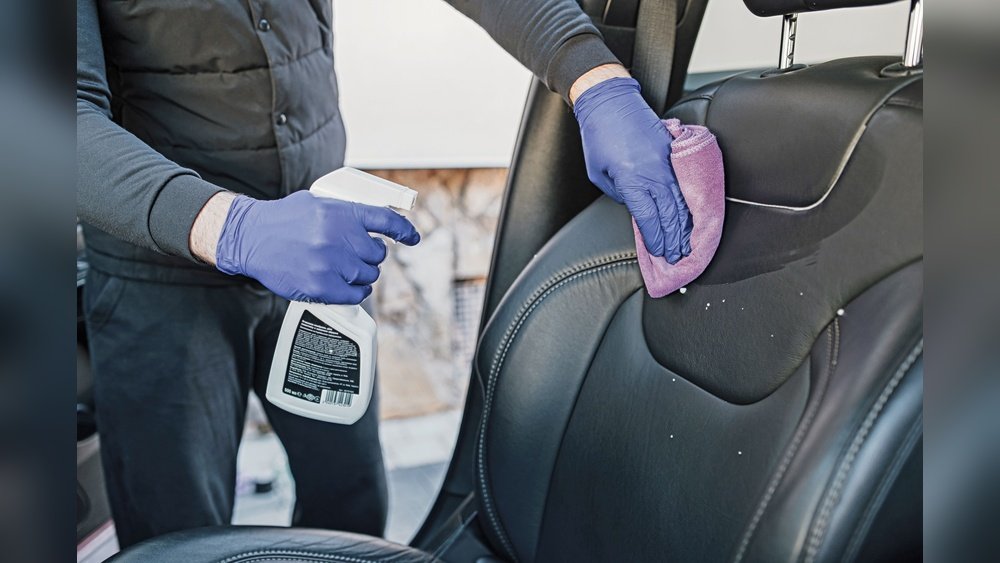
Keeping your car’s leather seats clean makes a big difference in both appearance and comfort. Many drivers wonder if homemade, DIY leather cleaner is safe for their seats. Some fear damage, while others hope for a cheaper, convenient solution. The truth is, making your own cleaner can work, but there are important risks and steps to consider. This guide explains what you need to know before using DIY methods on leather seats, including safe recipes, how leather responds to cleaning, common mistakes, and expert advice. If you want your car’s leather to look great and last, read carefully—there’s more to it than just mixing soap and water.
Understanding Leather In Car Seats
Car seat leather isn’t the same as leather used for shoes or bags. Most car seats use automotive-grade leather, designed for comfort and durability. This leather often has a protective coating called finish or topcoat. The coating helps prevent stains and makes cleaning easier. However, it also means the cleaning method must be gentle enough to avoid damage.
Types Of Leather Found In Cars
- Full-grain leather: High quality, shows natural grain, expensive, rare in most cars.
- Top-grain leather: Slightly processed, smoother, more common in luxury vehicles.
- Corrected-grain leather: Sanded and embossed, often used in mainstream cars.
- Coated leather (PU or vinyl-coated): Has a synthetic layer for extra protection, feels less natural.
Most modern cars use corrected-grain or coated leather. Older or luxury cars may have full- or top-grain. Knowing your seat type helps choose the right cleaning method.
Why Leather Needs Special Care
Leather is porous—it absorbs oils, sweat, and spills. If you use harsh chemicals or too much water, leather can dry out, crack, or lose color. The finish helps, but it’s not bulletproof. Over time, improper cleaning removes protective oils, leading to fading and stiffness. That’s why using the right cleaner, whether DIY or store-bought, is critical.
Diy Leather Cleaner: Is It Safe?
Many people turn to DIY leather cleaners for cost savings or convenience. But not all homemade recipes are safe for car leather. Some can cause discoloration, stickiness, or even permanent damage. Let’s break down the pros and cons.
Benefits Of Diy Leather Cleaner
- Cost-effective: Ingredients like vinegar, soap, and water are cheap.
- Convenience: You can make it quickly at home.
- Simple ingredients: No mystery chemicals or strong odors.
Risks Of Diy Leather Cleaner
- Incorrect mixtures: Too much acid or soap can strip the leather’s finish.
- No protection: Most homemade cleaners don’t replace lost oils or add conditioning.
- Allergy triggers: Some recipes use essential oils, which can cause skin reactions.
An important insight: Many DIY recipes found online are copied from furniture or shoe care guides—not specific to car leather. Car leather is tougher, but also more sensitive to certain chemicals because of the finish.
What The Experts Say
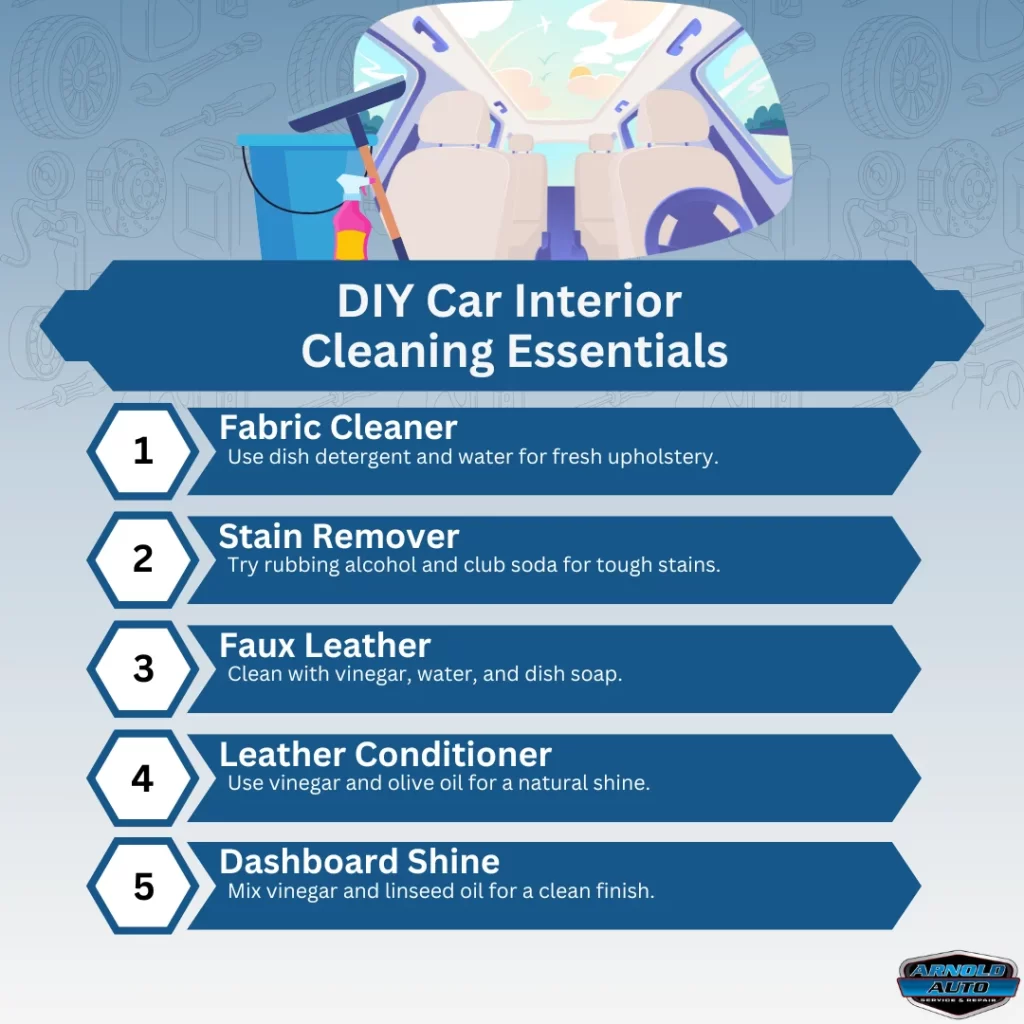
According to the International Leather Care Association, using mild soap and water is usually safe, but vinegar and alcohol-based recipes can be risky. Many car manufacturers warn against homemade cleaners, especially those containing ammonia, bleach, or strong acids.
Credit: arnoldautorepair.com
Common Diy Leather Cleaner Recipes (with Safety Ratings)
Below are popular homemade recipes, rated for safety on car seats. Always test any cleaner on a small, hidden area before full use.
| Recipe | Main Ingredients | Safety for Car Leather | Notes |
|---|---|---|---|
| Mild Soap Solution | Water + gentle liquid soap | Safe | Best for regular cleaning. Avoid harsh soaps. |
| Vinegar Mix | Water + white vinegar | Risky | Vinegar is acidic; can damage finish over time. |
| Alcohol Solution | Water + rubbing alcohol | Unsafe | Dries leather, causes fading. |
| Baking Soda Paste | Baking soda + water | Moderate | May work for stains, but abrasive. |
| Olive Oil Polish | Olive oil | Unsafe | Leaves sticky residue, attracts dirt. |
Key takeaway: The safest recipe is mild soap and water. Avoid vinegar, alcohol, and oils.
How To Make A Safe Diy Leather Cleaner
If you want to clean your car seats safely, follow this step-by-step guide. It uses gentle ingredients and avoids common risks.
Ingredients
- 2 cups lukewarm water
- 2 teaspoons mild liquid soap (such as Castile soap or baby shampoo)
- 1 soft microfiber cloth
- Optional: 1 teaspoon lanolin or pure coconut oil (for conditioning, very small amount)
Instructions
- Mix water and soap in a bowl. Stir gently to avoid bubbles.
- Dip the cloth into the solution. Wring it out well—cloth should be damp, not wet.
- Test on a hidden spot under the seat or in a corner. Wait 5 minutes. If no discoloration, continue.
- Wipe seat gently, working in small sections. Do not scrub hard.
- Dry with a clean cloth immediately after wiping.
- For conditioning: Rub a tiny amount of lanolin or coconut oil on a cloth, gently buff into the leather.
Practical Tips
- Never use too much water; soaking the leather can cause damage.
- Avoid dish soap—it’s often too harsh.
- Do not use colored cloths or sponges that may bleed dye.
- Conditioning is optional, but a small amount can help keep leather soft. More is not better.
Non-obvious insight: Even safe ingredients can cause problems if used too often. Clean seats monthly, not weekly.
Store-bought Vs Diy Leather Cleaners
Many drivers debate whether to use DIY or commercial products. Let’s compare the two for cost, effectiveness, and safety.
| Factor | DIY Cleaner | Store-Bought Cleaner |
|---|---|---|
| Cost | Low (under $1 per use) | Medium to High ($5–$30 per bottle) |
| Ease of Use | Quick, but requires mixing | Ready to use, less prep |
| Safety | Depends on recipe | Usually tested for car leather |
| Conditioning | Rarely included | Often includes conditioners |
| Long-term Effects | May dry out leather | Usually maintains leather health |
Expert advice: For regular cleaning, DIY is fine if you stick to safe recipes. For deep cleaning or restoration, store-bought products are better.
Common Mistakes When Cleaning Leather Seats
Beginners often make errors that can ruin car leather. Here are the most frequent problems—and how to avoid them.
- Using too much water: Leather absorbs moisture. Excess water leads to mold, stains, and weakening.
- Choosing harsh chemicals: Bleach, ammonia, vinegar, and alcohol are common in DIY recipes but damage leather’s finish.
- Skipping conditioner: Cleaning removes oils. Not replenishing them leads to dry, cracked seats.
- Scrubbing aggressively: Leather is tough but can scratch. Always wipe gently.
- Ignoring test spots: Failing to test cleaner can result in visible damage.
- Not drying properly: Leaving seats damp invites bacteria and bad odor.
- Applying oil directly: Oils can make seats sticky and attract dirt.
Non-obvious insight: Many drivers think leather is waterproof because of the finish. In reality, the finish only slows water absorption—it doesn’t prevent it.
How Often Should You Clean Leather Car Seats?
Cleaning frequency depends on usage and environment. For most cars:
- Light use (few passengers, clean area): Every 3–4 months.
- Heavy use (kids, pets, hot climate): Monthly.
- Spill or stain: Clean immediately.
Don’t over-clean. Too much cleaning strips natural oils, even with safe products. Conditioning every 3–6 months helps maintain softness and shine.
Signs Of Damage From Unsafe Cleaners
If you’ve used a risky DIY cleaner, watch for these warning signs:
- Fading color: Too much acid or alcohol removes dye.
- Sticky feel: Oil-based recipes leave residues.
- Cracking or peeling: Harsh chemicals dry out leather, causing cracks.
- Stiffness: Loss of oils makes leather hard.
- Uneven shine: Damaged finish reflects light oddly.
If you notice any of these, stop using the cleaner. Switch to a recommended product or consult a professional.

Credit: www.thespruce.com
Professional Advice: When To Call An Expert
DIY cleaning is fine for routine maintenance, but some situations need expert help:
- Deep stains: Ink, grease, or blood often require special treatment.
- Severe cracking: Professional restoration may add oils and fix splits.
- Color loss: Experts can recolor and refinish leather.
- Mold or odor: Persistent smells need deep cleaning.
Professional detailers use tools and products designed for automotive leather. They can often save seats that seem ruined.
Safe Diy Leather Conditioner Recipe
After cleaning, conditioning is key. Here’s a safe homemade conditioner:
Ingredients
- 1 teaspoon lanolin (buy from pharmacies or online)
- 2 teaspoons coconut oil (refined, unscented)
- 2 drops vitamin E oil
Instructions
- Mix oils in a bowl. Blend well.
- Apply a tiny amount to a microfiber cloth.
- Buff gently onto seat after cleaning.
- Wipe off excess with a dry cloth.
Tip: Use conditioner sparingly. Too much makes seats slippery.
How To Test Leather Cleaner Safety
Before using any cleaner, always test it:
- Find a hidden spot: Under seat, back corner, or seam.
- Apply a small amount: Wait 5–10 minutes.
- Check for changes: Look for color shift, stickiness, or drying.
- If safe, proceed with main cleaning.
This simple test prevents big mistakes.
Environmental Impact: Diy Vs Commercial Cleaners
Many DIY recipes claim to be “green. ” That’s partly true—most use biodegradable soap and water. However, some ingredients like oils or vinegar can cause problems if overused. Commercial cleaners often contain chemicals, but reputable brands are working to reduce environmental harm.
If you want the lowest impact:
- Use minimal soap.
- Avoid oils.
- Dry seats quickly to prevent bacteria.
For eco-friendly commercial options, look for brands with “biodegradable” or “plant-based” labels. For more guidance, visit EPA Safer Choice.

Credit: www.youtube.com
Real-world Examples
Consider these cases:
- Case 1: John used a vinegar-based DIY cleaner every month. After six months, his seats lost color and felt rough. Switching to mild soap stopped further damage, but seats needed professional restoration.
- Case 2: Maria used baby shampoo and water, cleaning monthly and conditioning every season. Her leather stayed soft and shiny for years.
- Case 3: Mike tried olive oil as a polish. Seats became sticky, attracting dust. Cleaning with mild soap removed residue, but some stains remained.
Lesson: Safe ingredients and proper technique matter more than frequency.
Data: Leather Longevity With Different Cleaning Methods
A 2023 study by the Automotive Leather Institute found:
| Cleaning Method | Average Leather Lifespan | Common Issues |
|---|---|---|
| Mild soap (DIY) | 7–10 years | Occasional dryness |
| Store-bought cleaner | 10–15 years | Few issues |
| Vinegar-based DIY | 4–6 years | Color fading, cracking |
| Oil-based DIY | 5–7 years | Sticky, attracts dirt |
| No cleaning | 3–5 years | Heavy stains, odor, cracks |
The safest approach is mild soap and water, with regular conditioning.
Frequently Asked Questions
Is It Safe To Use Vinegar As A Leather Cleaner?
Vinegar is not recommended for car leather. Its acidity can break down the protective finish and cause color fading. Use mild soap and water instead.
Can I Use Baby Wipes To Clean Leather Seats?
Most baby wipes contain chemicals and perfumes that are not safe for leather. They may leave residues or cause stickiness. Always use a damp microfiber cloth with mild soap.
How Do I Know If My Car Seats Are Real Leather Or Synthetic?
Check your owner’s manual or ask the dealer. Real leather feels soft, warms up easily, and has natural grain. Synthetic seats (vinyl or PU) feel colder and more uniform.
What Is The Best Way To Remove Stains From Leather Car Seats?
For small stains, use mild soap and water, rubbing gently. For tough stains like ink or grease, seek professional help—DIY methods can worsen damage.
Can I Use Coconut Oil As A Leather Conditioner?
Yes, but only in very small amounts. Pure, refined coconut oil adds moisture, but too much can make seats slippery or sticky. Mix with lanolin for best results.
Caring for leather car seats is easier than many people think—but only if you use the right methods and avoid common mistakes. DIY leather cleaner can be safe if you follow expert advice and stick to mild, gentle recipes. Always test new cleaners, clean regularly but not too often, and condition seats as needed.
When in doubt, consult your car manual or a professional. With proper care, your car’s leather will stay beautiful and comfortable for years.














