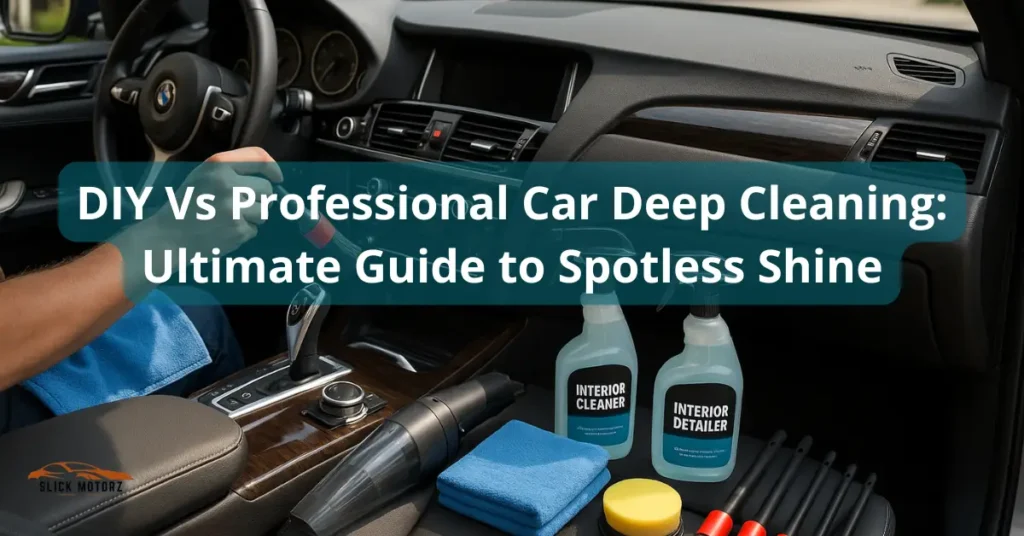
When it comes to keeping your car looking spotless, you might wonder: should you tackle the deep cleaning yourself or trust the experts? You want your vehicle to shine, smell fresh, and feel comfortable every time you step inside.
But how do you decide whether a DIY approach will do the job or if professional deep cleaning is worth the investment? This isn’t just about saving money or time—it’s about protecting your car’s value and enjoying the best results possible.
Read on to discover the key differences between DIY and professional car deep cleaning, so you can make the smart choice for your ride.
Credit: www.cars24.com
DIY Car Deep Cleaning
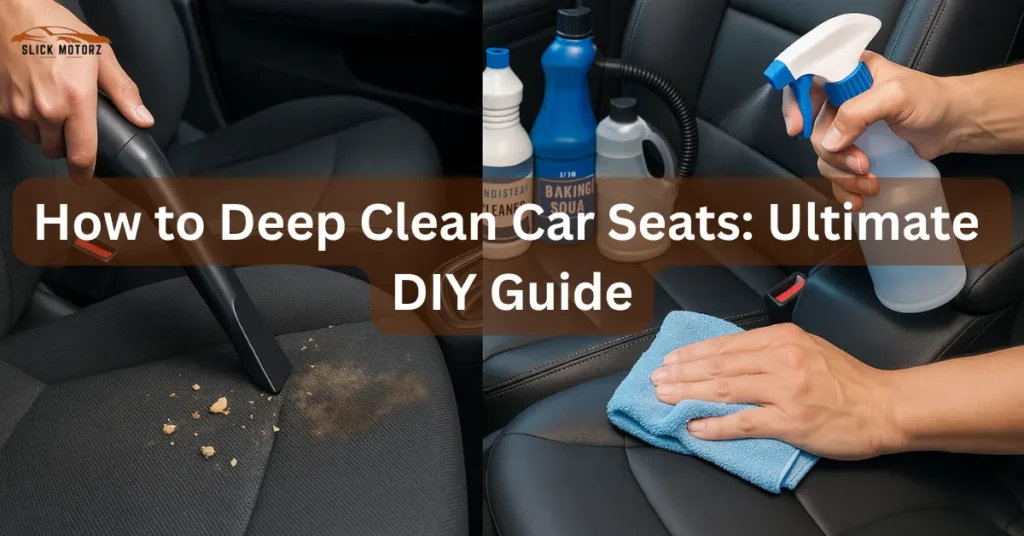
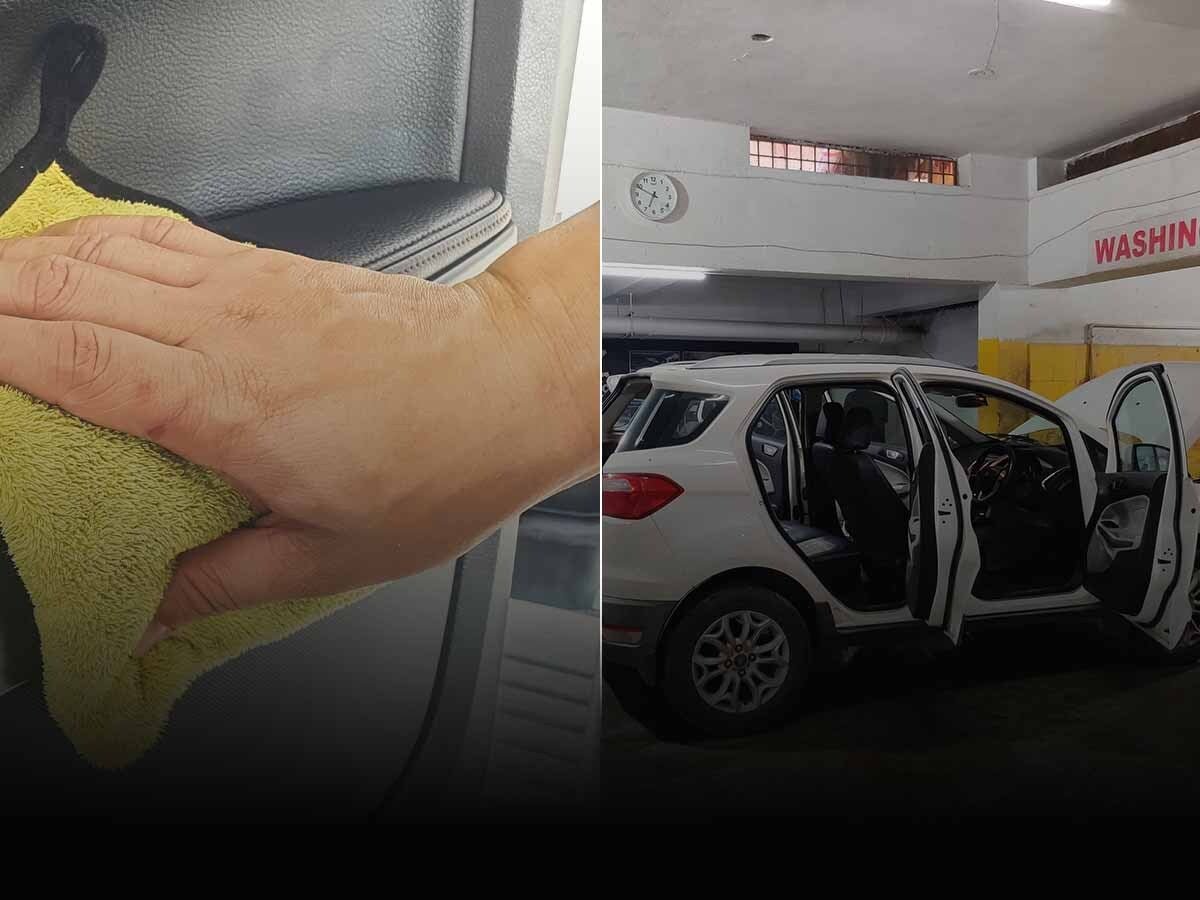
Cleaning your car yourself can be rewarding and cost-saving. It gives control over every step and choice of products. Many car owners enjoy the hands-on experience and the satisfaction of a clean vehicle. DIY deep cleaning needs time, patience, and the right tools.
This process goes beyond a simple wash. It includes cleaning carpets, seats, dashboards, and sometimes the engine bay. Doing it yourself can be a great way to maintain your car’s look and feel.
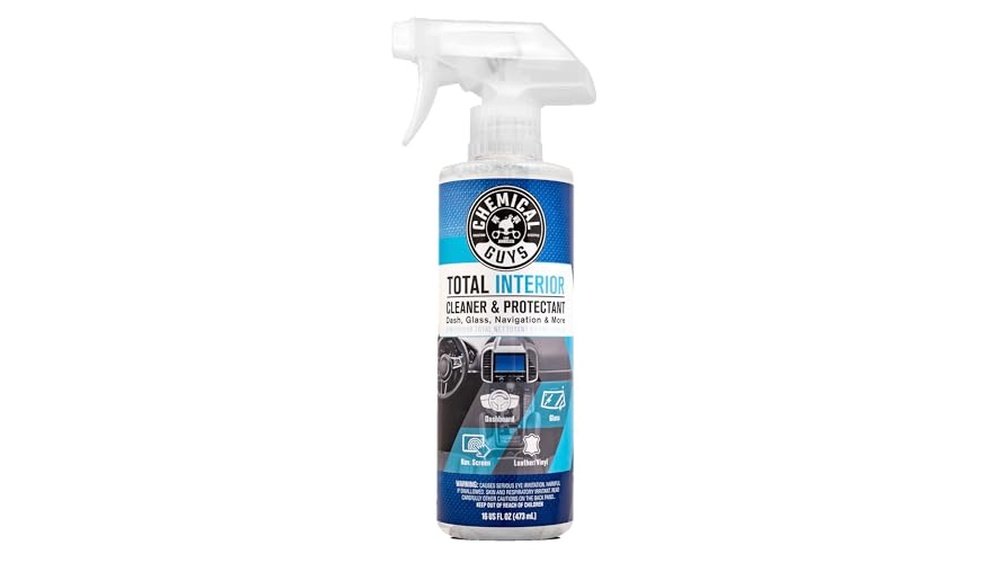
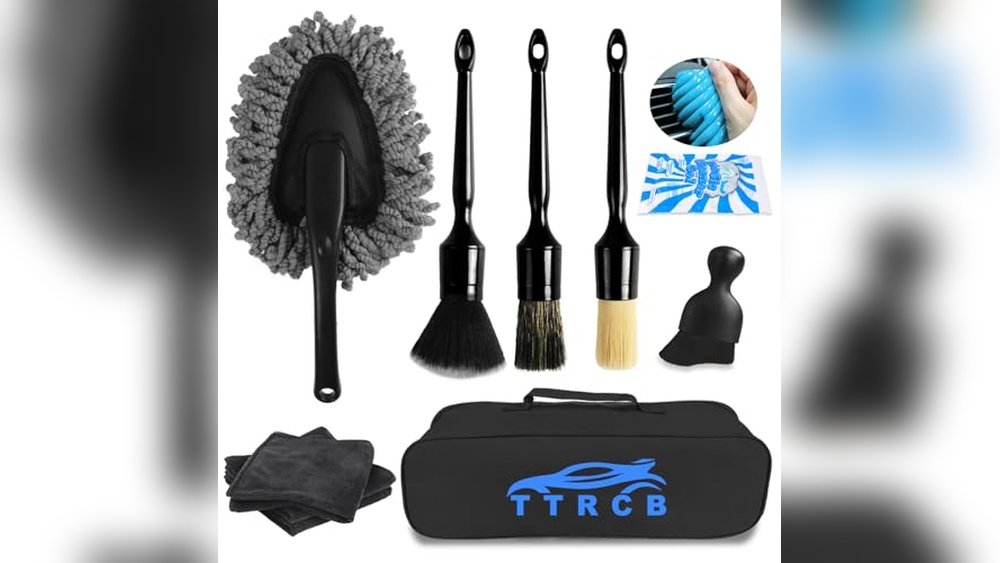
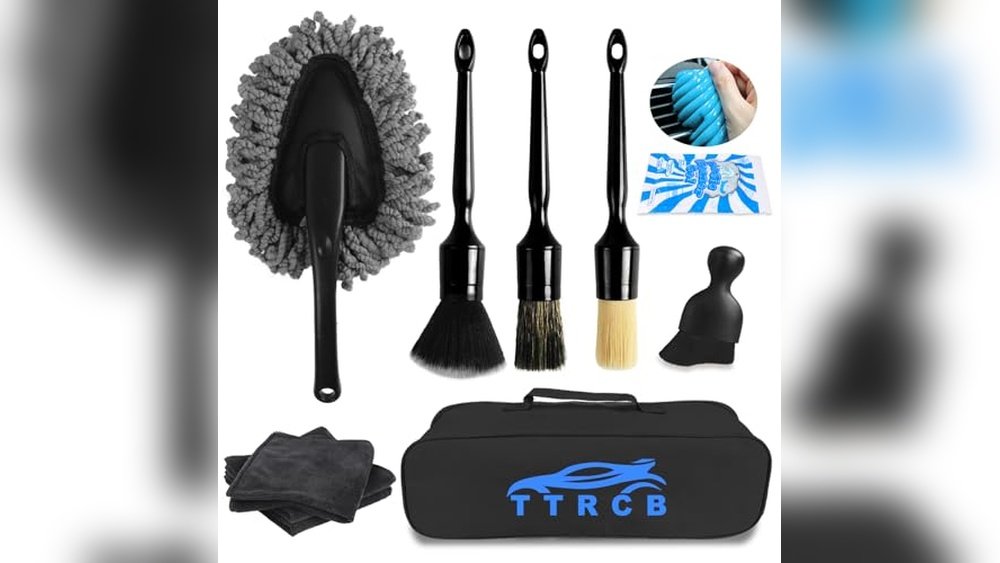
Essential Tools And Supplies
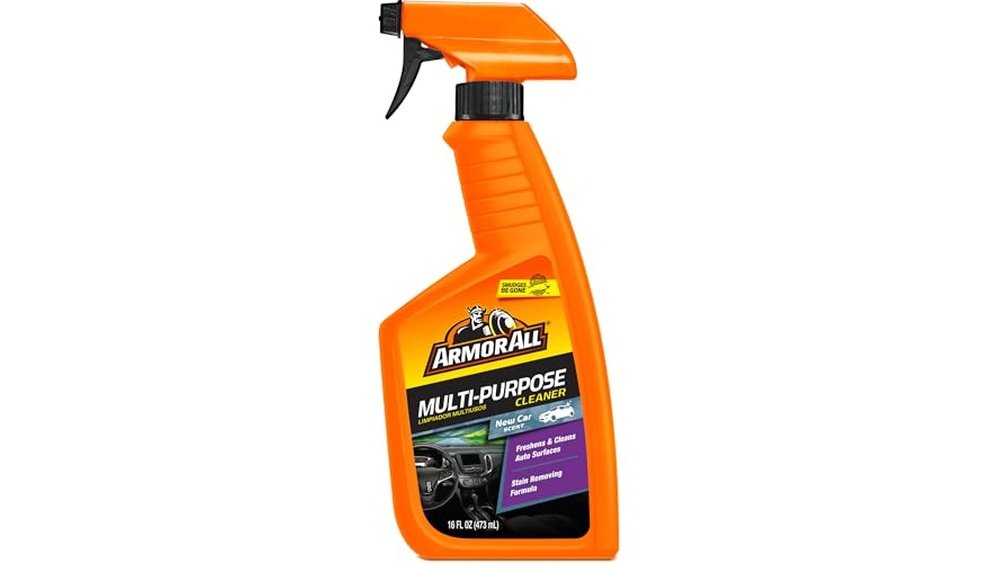
Gather these basic tools before starting:
Vacuum cleaner with attachments
Microfiber cloths and sponges
Brushes for carpets and vents
Bucket and water
Having the right supplies helps achieve better results faster.
Step-by-step Cleaning Process
Follow this order for deep cleaning:
Remove all trash and items from the car.
Vacuum seats, carpets, and floor mats thoroughly.
Clean upholstery with shampoo and brushes.
Wipe down dashboard, door panels, and vents.
Clean windows inside and out using glass cleaner.
Finish by deodorizing to remove any lingering smells.
Taking it step-by-step avoids missing spots.
Common Challenges And Mistakes
Many DIYers make these errors:
Using harsh chemicals that damage surfaces.
Skipping vacuuming or deep carpet cleaning.
Not drying areas properly, causing mold.
Cleaning in direct sunlight leads to streaks.
Neglecting hard-to-reach corners and vents.
Careful attention avoids these common pitfalls.
Time And Effort Required
DIY deep cleaning usually takes 3 to 6 hours. It depends on the car size and the dirt level. Some tasks need physical effort, like scrubbing seats and carpets. Planning breaks helps maintain focus. Regular cleaning sessions make future jobs easier.
Cost Breakdown For Diy
Initial supply cost ranges from $30 to $100. This includes cleaners, brushes, and cloths. Most tools last for many uses, lowering long-term costs. Compare this to professional services costing $100 to $300 per cleaning. DIY saves money but requires time and effort.
Credit: www.turboandshine.co.nz
Professional Car Deep Cleaning
Professional car deep cleaning offers a thorough and detailed service beyond regular washing. Experts use specialized skills and tools to restore your car’s interior and exterior. This service improves your vehicle’s appearance and helps maintain its value over time.
Services Included In Professional Detailing
Professional detailing covers both inside and outside the vehicle. Interior services include vacuuming, shampooing carpets, and cleaning upholstery. Experts also remove stains and odors from hard-to-reach areas. Exterior services often involve washing, polishing, and waxing the paint. Some detailers offer engine cleaning and headlight restoration, too.
Techniques And Equipment Used
Detailers use advanced equipment like steam cleaners and high-powered vacuums. They apply special cleaning solutions safe for different surfaces. Buffing machines help remove scratches and restore shine. These tools reach areas that are difficult to clean by hand. Professionals also use microfiber cloths to avoid damage.
Benefits Of Hiring Experts
Hiring experts saves time and effort. Professionals deliver a deeper clean than DIY methods. They can spot and fix hidden issues like mold or damage. Expert cleaning helps protect your car’s materials from wear. Your vehicle looks newer and feels fresher after a professional detail.
Typical Pricing And Packages
Prices vary depending on car size and service level. Basic packages might include interior vacuum and exterior wash. Premium packages add carpet shampooing and paint protection. Some detailers offer monthly or yearly plans. Expect to pay more for full-service deep cleaning but get better results.
How To Choose A Reliable Detailer
Check reviews and ask for recommendations from friends. Verify if the detailer uses quality products and equipment. Confirm they offer clear pricing without hidden fees. Look for experience with your car type and condition. A good detailer should communicate well and provide satisfaction guarantees.
Comparing Results
Comparing the results of DIY and professional car deep cleaning reveals clear differences in quality and durability. Each method impacts the car’s interior and exterior in unique ways. Understanding these effects helps decide which option suits your needs best.
Effectiveness On Interior Surfaces
Professional cleaning uses specialized tools to reach hidden dirt. They remove grime from carpets, seats, and vents more deeply. DIY methods often miss tough spots and leave residue behind. Professionals also protect delicate materials like leather. DIY cleaning can sometimes cause damage without proper care.
Exterior Shine And Protection
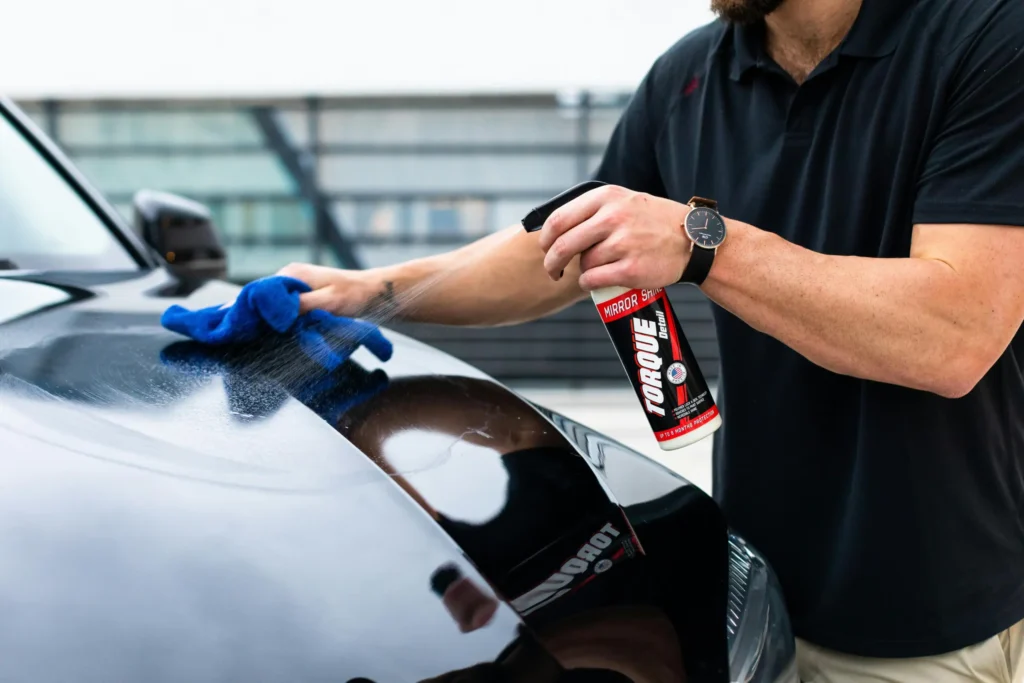
Professionals apply high-grade wax and sealants that enhance shine. Their products protect the paint from UV rays and dirt buildup longer. DIY cleaning can improve appearance but rarely matches professional gloss. Home products may lack ingredients for lasting protection. A professional finish often lasts weeks beyond a DIY job.
Stain And Odor Removal
Experts use strong but safe chemicals to eliminate stains and odors fully. They target deep-set smells from pets or smoke that DIY cleaners struggle to remove. Homemade solutions may only mask odors temporarily. Professionals can restore upholstery to a near-new state, unlike most DIY attempts.
Longevity Of Cleaning Effects
Deep cleaning by pros tends to keep the car fresher for months. Their treatments slow new dirt buildup and maintain fabric softness. DIY cleaning results fade faster and need frequent repeats. Professional detailers also advise on upkeep to prolong the effects. This guidance helps preserve the car’s clean look longer.
When To Diy And When To Hire
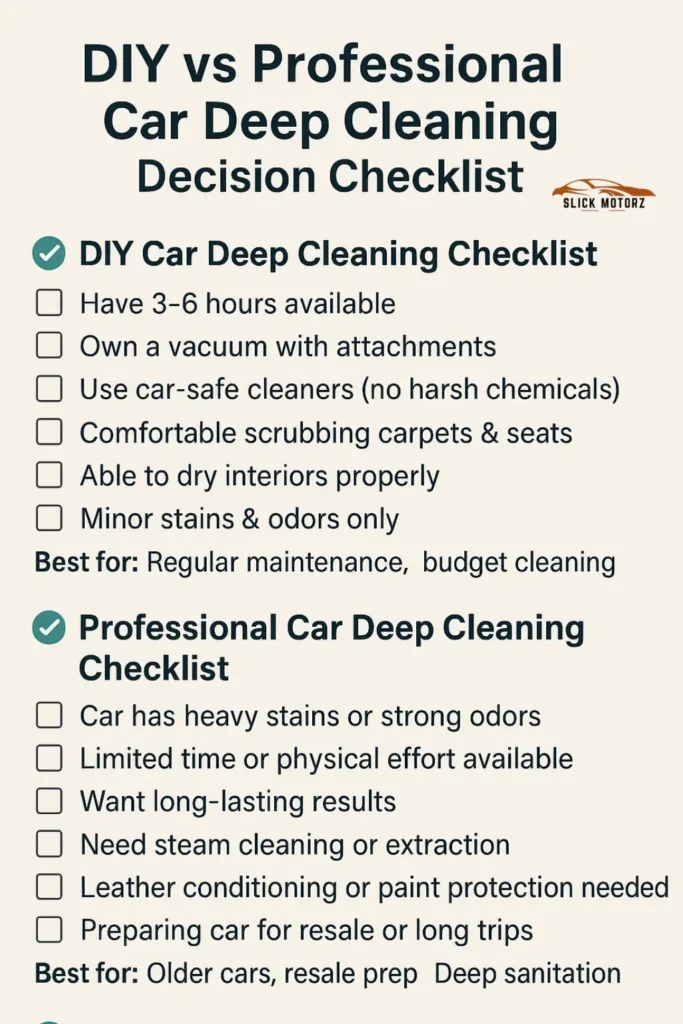
Deciding whether to deep-clean your car yourself or hire a professional depends on several factors. Understanding these can help you save money and get the best results. Some tasks suit DIY efforts, while others need expert skills and tools. This section explores when to take on the job and when to seek professional help.
Assessing Skill Level And Time
Deep cleaning a car requires knowledge and patience. Beginners may find some steps difficult or time-consuming. If you have limited experience, a professional can deliver better results quickly. Skilled DIYers with enough time can enjoy the process and control every detail.
Budget Considerations
Doing it yourself saves money on labor costs. You only pay for supplies and tools. Professional cleaning costs more but includes expertise and special equipment. Think about your budget and how much you value convenience and quality.
Type Of Cleaning Needed
Light cleaning, like vacuuming and wiping surfaces, works well for DIY. Deep stains, odors, or extensive dirt may need professional products and techniques. Professionals can handle complex jobs such as leather conditioning and carpet shampooing.
Vehicle Condition And Age
Older or heavily used vehicles often need thorough cleaning that can be tricky for beginners. New cars may only require regular upkeep that you can do yourself. Consider your car’s condition before choosing between DIY and professional deep cleaning.
Environmental And Safety Factors
Environmental and safety factors play a key role in choosing between DIY and professional car deep cleaning. Both methods affect water use, chemical handling, and waste disposal. Understanding these factors helps protect your health and the planet.
Water Usage And Waste
DIY cleaning often uses more water than professional services. Home washing can waste water due to less efficient tools. Professionals use equipment designed to reduce water consumption. They also manage wastewater to prevent pollution. Excess water runoff from DIY cleaning can carry dirt and chemicals into storm drains.
Chemical Safety And Impact
DIY cleaners may use harsh chemicals without knowing the risks. Some products contain toxins harmful to the skin and eyes. Professionals choose safer, eco-friendly products. They follow guidelines to minimize environmental harm. Proper use of chemicals reduces health risks for both the cleaner and the environment.
Proper Disposal Of Cleaning Materials
DIY cleaners might dispose of waste improperly, like pouring chemicals down the drain. This contaminates water systems and soil. Professional services handle waste correctly, following local regulations. They recycle or dispose of materials safely. Proper disposal prevents pollution and protects community health.
Credit: atlanticlubes.com
Tips For Maintaining A Spotless Shine
Maintaining a spotless shine on your car extends its life and keeps it looking fresh. Simple, regular care helps avoid dirt buildup and surface damage. Small efforts add up to big results over time. Follow these tips to keep your car shining bright every day.
Regular Upkeep Practices
Wash your car weekly using mild soap and water. Use soft cloths or sponges to avoid scratches. Dry the car with a microfiber towel to prevent water spots. Clean the wheels and tires separately to remove brake dust. Remove bird droppings and tree sap quickly to avoid paint damage.
Protective Treatments
Apply wax or sealant every few months for long-lasting shine. These products form a protective layer on the paint. Use a quality wax that suits your car’s finish. Treat leather and vinyl interiors with conditioners to keep them soft. Protect glass surfaces with water repellent sprays for better visibility.
Seasonal Cleaning Adjustments
Adjust cleaning routines based on weather and road conditions. In winter, remove salt and grime promptly to prevent rust. During spring, focus on pollen and sap removal. Summer calls for frequent washes to clear dust and bugs. Fall requires cleaning off leaves and dirt to keep drains clear.
Frequently Asked Questions
Is It Worth Getting Your Car Professionally Detailed?
Professional car detailing enhances your vehicle’s appearance, removes tough stains, protects surfaces, and helps maintain resale value effectively.
How To Professionally Deep Clean A Car?
Start by vacuuming carpets, seats, and mats thoroughly. Clean all surfaces using appropriate cleaners. Shampoo upholstery and carpets deeply. Wipe windows and mirrors inside and out. Finish with leather conditioning and odor elimination for a fresh, professional finish.
What Is The Difference Between Deep Cleaning And Detailing A Car?
Deep cleaning removes deep dirt and grime from carpets and upholstery. Detailing includes deep cleaning plus polishing, waxing, and conditioning for full restoration.
How Much Does It Cost To Deep Clean The Inside Of Your Car?
Deep cleaning a car interior typically costs between $100 and $250, depending on size and service quality.
Conclusion
Choosing between DIY and professional car deep cleaning depends on your needs. DIY saves money and offers control, but requires time and effort. Professionals deliver thorough results using expert tools and experience. Consider your budget, schedule, and how clean you want your car.
Regular cleaning keeps your car fresh and protects its value. A clean car feels better to drive and shows pride. Balance your options carefully for the best outcome.