
Are you planning to hit the road across state lines and wondering if your car’s window tint will hold up legally? You might think that once your tint is approved in your home state, you’re good to go anywhere.
But here’s the catch: auto tint laws can change dramatically from one state to another. What’s perfectly legal where you live might not be allowed just a few miles away. This can lead to unexpected fines, repair orders, or even trouble with law enforcement.
You’ll discover how tint laws actually work when you cross state borders, what risks you face, and how to stay on the safe side no matter where you drive. Keep reading to protect yourself and your ride from costly surprises.
Credit: www.bespokeauto.org
Tint Laws Across States
Auto tint laws vary widely across the United States. Each state sets its own rules about how dark or reflective window tint can be. Drivers need to understand these laws, especially when traveling between states. Knowing the differences helps avoid fines or repair orders. The rules often focus on the Visible Light Transmission (VLT) percentage allowed on different windows. This percentage determines how much light can pass through the tinted glass.
State-specific Regulations
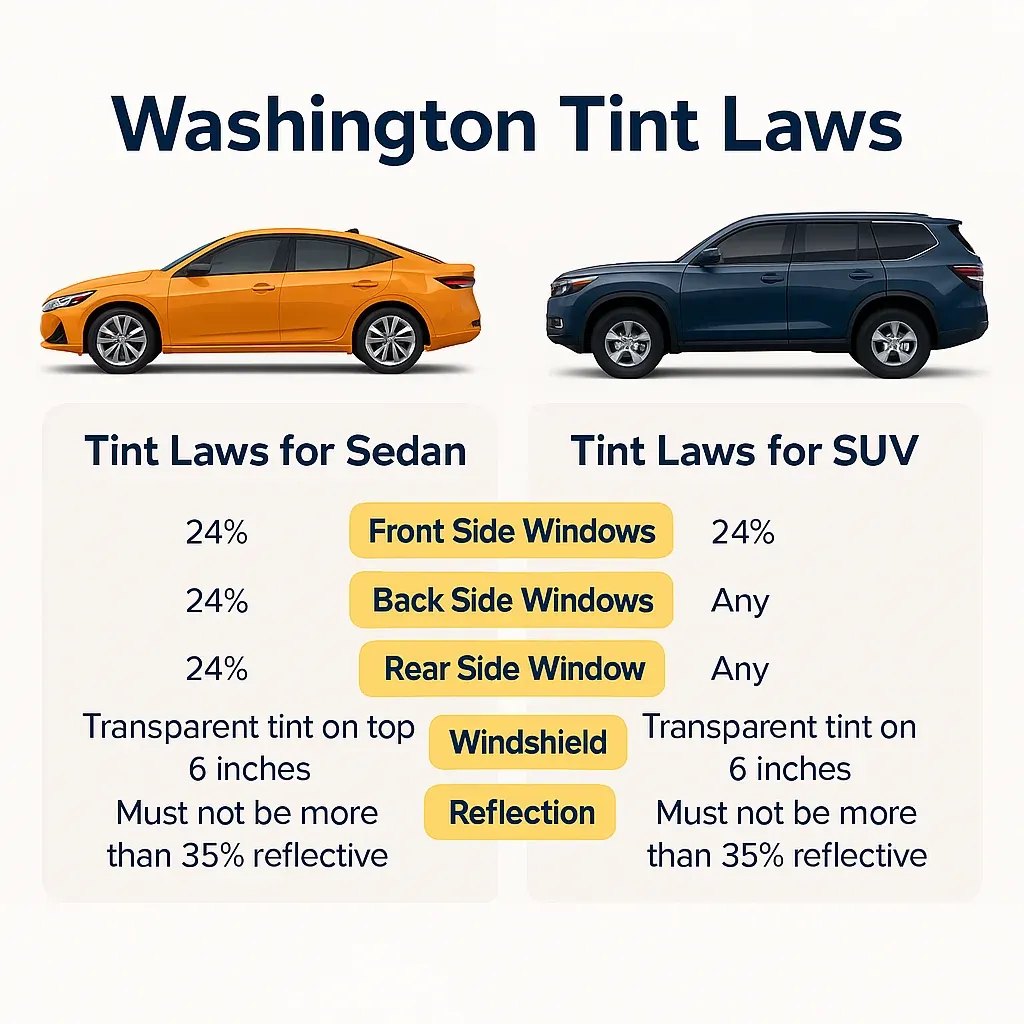
Each state has unique tint laws. Some states allow darker tints on rear windows than front windows. Others restrict the tint level on all vehicle windows. The legal VLT percentages vary, usually between 20% and 70%. Some states also limit the reflectivity of tint films. Certain colors or types of tint may be banned. It is important to check the specific rules before applying tint or driving in a new state.
Visitor Exemptions
Some states offer exemptions for visitors. These states may allow tint that meets the rules of your home state. Visitors often do not face penalties for having slightly different tint. Other states do not provide any exemptions. In these states, your tint must comply with local laws at all times. This means you might need to remove or replace tint if you move or travel frequently.
Repair Orders And Penalties
If your tint violates local laws, you can face penalties. Law enforcement may issue a repair order, requiring you to fix the tint. Fines vary by state and severity of the violation. Some states may allow a grace period to correct the tint. Continued non-compliance can lead to higher fines or vehicle inspection failures. Always follow the rules to avoid these issues and stay safe on the road.
Credit: allfloridatinting.com
How Police Test Tint Darkness
Police officers use several methods to test the darkness of auto tint. These tests help ensure drivers follow state tint laws. Officers check if the tint allows enough light to pass through the windows. They use tools and simple observations to measure tint darkness accurately.
Using A Tint Meter
A tint meter is a handheld device. It measures the Visible Light Transmission (VLT) through the window. The meter shows a percentage of light passing through the tint. Each state has a legal VLT limit. Officers use this meter to see if the tint is too dark.
The meter gives quick, precise results. It helps avoid guessing or unfair stops. If the tint is below the legal limit, the officer may issue a citation.
Flashlight Inspection
Officers often shine a flashlight through the car window. This test checks how much light passes through the tint. If the light is mostly blocked, the tint might be too dark. Sometimes, they ask the driver to hold a paper inside. If the officer cannot see the paper clearly, the tint likely breaks the law.
This method is fast and helps officers decide if a tint meter test is needed. It is a common first step in tint inspections.
Visual Identification
Police also look to see if they can identify the driver. If the tint blocks the officer’s view of the driver’s face, it may be illegal. Clear visibility is important for safety and communication during traffic stops.
Officers rely on this visual check to protect themselves and others on the road. If they cannot see inside the vehicle, they may stop the driver for further inspection.
What Officers Look For
Police officers focus on specific details when checking auto window tints. They want to ensure that your tint complies with state laws for safety and visibility. Officers use tools and visual checks to decide if your tint is too dark. Understanding what they look for helps you avoid stops and fines.
Visible Light Transmission (vlt)
VLT measures how much light passes through your car windows. Officers use a device called a tint meter to check this. The meter shows the percentage of light allowed by law. If the tint blocks too much light, it is illegal. The front windows usually need higher VLT than rear windows.
Probable Cause For Stops
Officers need a good reason to stop your vehicle. Dark tint can give them probable cause. If they cannot see your face or inside the car clearly, they might pull you over. Sometimes, shining a flashlight helps them judge the tint’s darkness before using the meter.
State Law Variations
Tint laws differ from state to state. Each state sets its own VLT limits and rules. Some states allow darker tint on rear windows but not on front ones. Other states may have exceptions for medical reasons or certain vehicles. Police enforce the laws of the state you are driving in, not where the tint was installed.
Legal Tint Limits By State
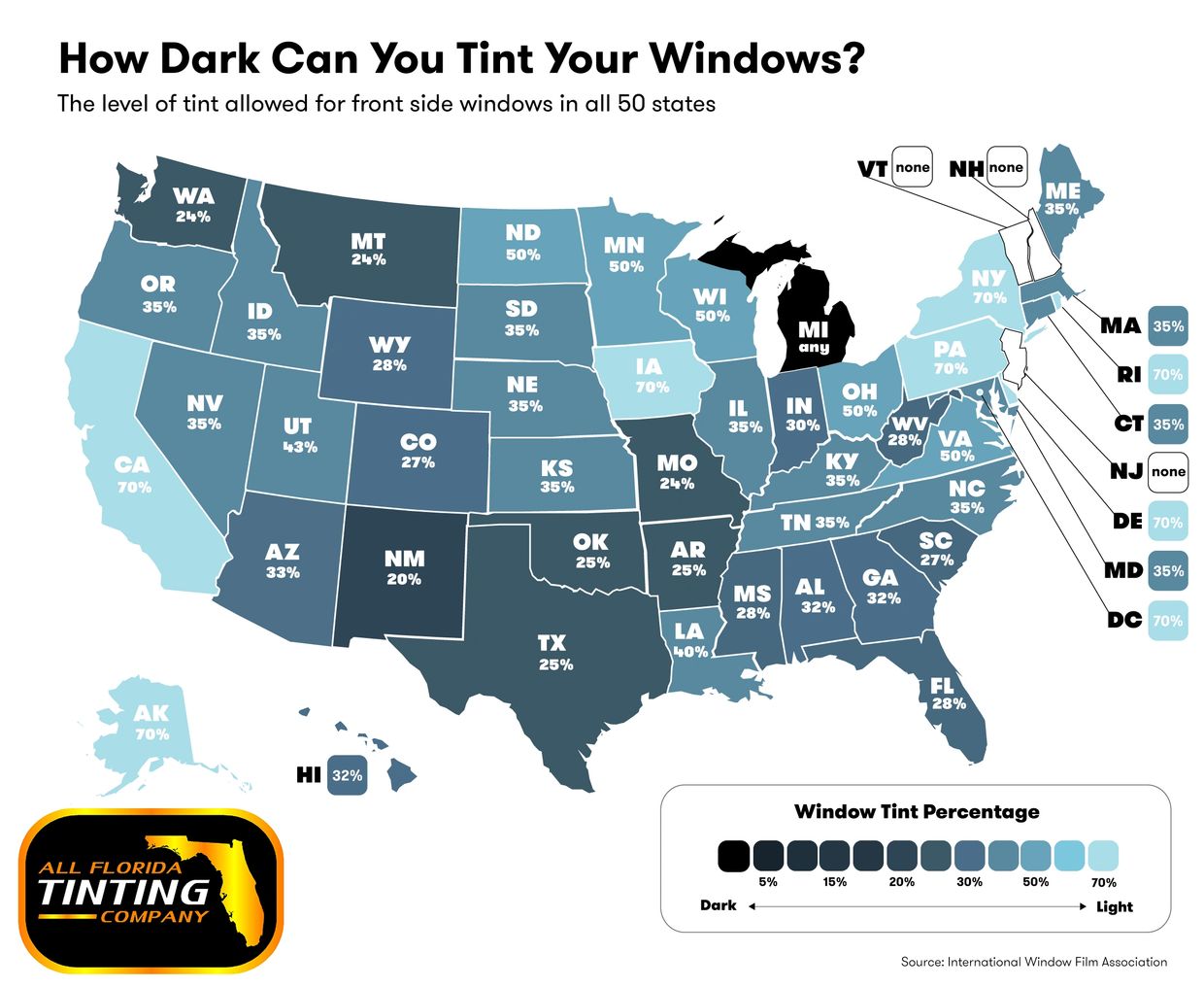
Legal tint limits vary significantly across the United States. Each state sets specific rules on how dark or reflective your car windows can be. These laws affect drivers differently depending on where they live or travel. Understanding state-by-state tint regulations helps avoid fines or forced removal of tint films.
States use Visible Light Transmission (VLT) percentages to define legal limits. VLT measures how much light passes through the window. Lower VLT means darker tint. Many states require higher VLT on front windows for safety reasons.
States With Strictest Laws
Some states enforce very strict tint limits. For example, New York and New Jersey often allow only minimal tint on front side windows. Their limits usually require 70% or more light to pass through. These laws aim to keep drivers clearly visible to law enforcement and other drivers.
Other states like Massachusetts and New Hampshire also maintain tight restrictions. The goal is to ensure safety by limiting how dark window tint can be. Drivers in these states should check local rules carefully before tinting.
States Allowing Darker Tints
Several states permit much darker tints on most windows. Arizona and California allow front side windows with VLT as low as 35%. Rear windows often have even darker limits or no restrictions.
These states balance privacy and heat reduction with safety concerns. Dark tints help reduce glare and keep interiors cooler in hot climates. Still, drivers must follow exact limits to avoid penalties.
Texas Tint Regulations
Texas has unique tint laws that vary by vehicle type. For passenger cars, front side windows must allow at least 25% light through. Rear side and back windows can have darker tints. SUVs and vans have slightly different rules.
Texas also allows medical exemptions for darker tints. Drivers must carry documentation if they qualify. Police use tint meters to check compliance during traffic stops. Understanding Texas tint laws is essential for legal driving.
Driving With Tint Across Borders
Driving with tinted windows across state lines can be tricky. Each state has its own rules for window tint darkness and reflectiveness. What is legal in one state may be illegal in another. Knowing how to handle this helps avoid fines and trouble on the road.
Adapting To Local Laws
States set different limits on how dark your tint can be. These rules apply as soon as you enter the state. Your vehicle must meet the tint laws where you drive, not where you live. Some states allow darker tint on rear windows than front windows. Others have strict limits on all windows. Always check the tint laws of the state you plan to visit.
Consequences Of Non-compliance
Driving with illegal tint can lead to fines or warnings. Police may stop you if your tint looks too dark. They use tools like tint meters to check light transmission. Some states may give a repair order, requiring you to fix the tint. Ignoring these orders can cause bigger legal problems. Insurance claims may also be affected if your tint breaks state rules.
Tips For Travelers
Before traveling, research tint laws in your destination state. Keep a copy of your current tint certificate if available. Consider using a lighter tint that meets the strictest state laws. Remove or adjust tint before crossing state lines if needed. Stay calm and polite if stopped by police. Clear communication helps avoid misunderstandings about your tint.

Credit: www.reddit.com
Frequently Asked Questions
How Do Tint Laws Work Across State Lines?
Tint laws apply based on the state you are driving in, not where your tint was installed. Some states allow visitor exemptions; others do not. If your tint violates local laws, you may face fines or repair orders regardless of your home state’s rules.
How Do Cops Know If Your Tint Is Too Dark?
Police use a handheld tint meter to measure light transmission through windows. They also perform visual checks, like shining a flashlight or identifying the driver. If the tint blocks too much light or obscures occupants, officers may stop the vehicle for illegal tinting.
Is It Legal To Have 5 Tints In Texas?
Texas law allows window tint with a minimum 25% Visible Light Transmission (VLT) on front side windows. Five tints must meet this limit to be legal. Tints darker than 25% VLT on front windows are illegal, regardless of the number of layers or films applied.
What State Has The Most Strict Window Tint Laws?
California has the strictest window tint laws, allowing only 70% visible light transmission on front side windows.
Conclusion
Auto tint laws do not automatically carry over between states. Each state has its own rules about tint darkness and placement. When you drive across state lines, you must follow the local tint laws. Some states may give visitors a break, but many enforce their rules strictly.
Police use tools like tint meters to check compliance. Staying informed helps avoid fines or repair orders. Always check the tint laws of the state you enter. This simple step keeps your drive safe and legal everywhere you go.














