
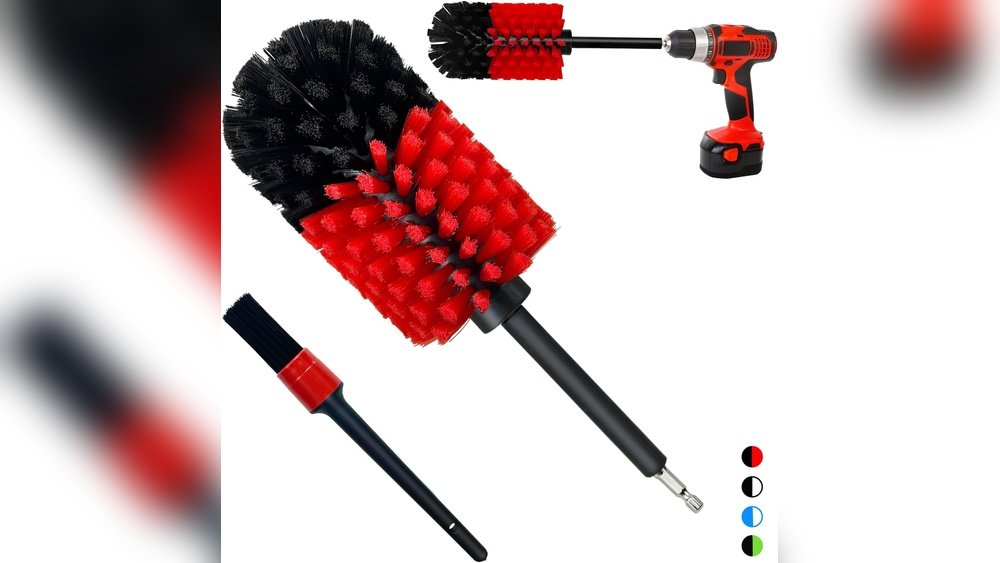
When it comes to keeping your car, home, or workspace spotless, the tools you choose can make all the difference. You might be wondering: should you rely on drill brush attachments or stick with manual detailing brushes?
Both have their strengths, but which one truly fits your needs and saves you time and effort? You’ll discover how each option works, the benefits and drawbacks, and which tool professionals swear by. Whether you’re tackling tough grime or delicate surfaces, knowing the right brush for the job will transform your cleaning routine—and you’ll never look back.
Keep reading to find out which brush will become your new favorite cleaning companion.
Credit: www.homedepot.com
Drill Brush Attachments
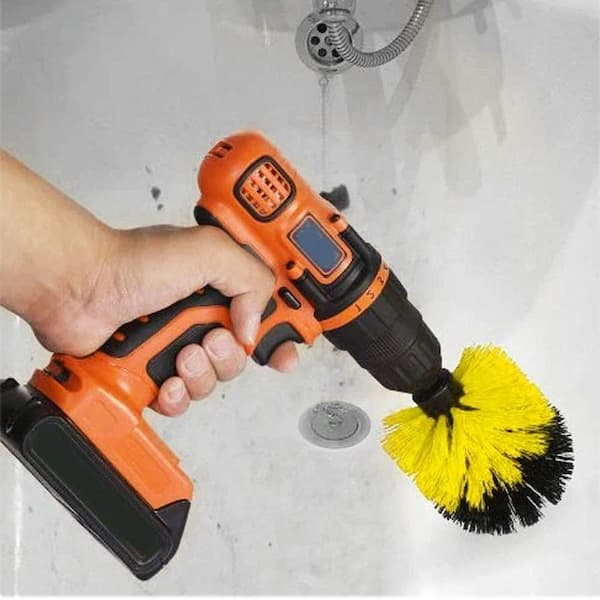
Drill brush attachments turn your power drill into a strong cleaning tool. They save time and effort compared to manual scrubbing. These brushes come in different shapes and sizes. Each one fits a specific cleaning need. Using them makes tough dirt easier to remove.
Many people use drill brushes for cleaning cars, kitchens, bathrooms, and more. They work well on many surfaces. Power from the drill spins the brush fast. This helps break down grime quickly. Drill brushes suit both home and professional use.
Types And Uses
There are several types of drill brush attachments. Soft bristle brushes clean delicate surfaces like leather or vinyl. Medium bristle brushes work on upholstery and car mats. Stiff bristle brushes handle tough grime on tires and concrete. Some brushes have round heads, others are flat or cone-shaped. Choose a brush based on the surface and dirt level.
Suitable Surfaces
Drill brushes fit many surfaces without damage. Use soft brushes on plastic, leather, and painted parts. Medium brushes clean carpets, fabric seats, and tile grout. Stiff brushes scrub tires, engine parts, and concrete floors. Avoid using stiff brushes on delicate surfaces. Match brush stiffness to avoid scratches.
Power And Efficiency
The power drill spins brushes fast for strong cleaning. This speed scrubs away dirt better than hand brushes. Drill brushes reduce the effort needed to clean large areas. They save time by covering more surface quickly. Adjustable drill speed helps control cleaning pressure. Using a drill brush increases cleaning efficiency greatly.
Manual Detailing Brushes
Manual detailing brushes remain a favorite for many cleaning tasks. They offer a hands-on approach that lets users reach tricky spots. These brushes come in many shapes and sizes. Each is designed to clean specific areas effectively. Their simplicity and versatility make them essential in car and home detailing.
Varieties And Functions
Manual detailing brushes come in soft, medium, and stiff bristles. Soft brushes clean delicate surfaces without damage. Medium bristles work well on general dirt and grime. Stiff brushes tackle tough stains and textured surfaces. Some brushes have angled heads for better access. Others feature long handles for hard-to-reach areas. Each type serves a unique cleaning purpose.
Best Surfaces To Clean
Soft manual brushes are ideal for leather, vinyl, and painted surfaces. Medium brushes suit carpets, mats, and upholstery. Stiff brushes excel on tires, engine parts, and floor mats. The right brush prevents scratches and protects surfaces. Manual brushes adapt well to curves and corners. They clean surfaces gently but thoroughly.
Control And Precision
Manual brushes offer excellent control over pressure and angle. Users can adjust force to avoid damage. This precision helps clean delicate areas carefully. It also allows focus on small spots and crevices. Manual brushing feels natural and intuitive. It suits those who prefer detailed, hands-on cleaning.
Performance Comparison
Comparing drill brush attachments and manual detailing brushes highlights key differences in their cleaning performance. Both tools serve car care but vary in power, speed, and flexibility. Understanding these differences helps choose the right brush for specific tasks.
Cleaning Power
Drill brush attachments spin rapidly, providing strong scrubbing force. They remove dirt and grime with less physical pressure. Manual brushes rely on hand strength, which can limit cleaning power. For tough stains, drill brushes often deliver deeper cleaning.
Time And Effort
Using a drill brush cuts cleaning time significantly. The motorized action covers more surface quickly. Manual brushes require more effort and take longer for the same job. People with limited strength find drill brushes easier to use consistently.
Versatility
Manual brushes come in various sizes and shapes for detailed work. They can reach tight spots and delicate areas carefully. Drill brushes suit larger surfaces and heavy-duty scrubbing. Choosing between them depends on the cleaning area and sensitivity of the surface.
Surface Safety
Surface safety plays a crucial role in choosing between drill brush attachments and manual detailing brushes. Protecting the surface from scratches or damage ensures a clean and lasting finish. Understanding the risks and selecting the right brush type helps maintain the integrity of different materials.
Risk Of Damage
Drill brush attachments spin rapidly and can cause surface damage if used with too much pressure. Manual detailing brushes offer more control, reducing the chance of scratches. Over-aggressive scrubbing, especially on delicate surfaces, leads to wear or discoloration.
Soft Vs Hard Surfaces
Hard surfaces like tires and floor mats tolerate stiff bristles and power scrubbing well. Softer surfaces such as leather, vinyl, or painted panels need gentle cleaning tools. Using hard bristles or drill brushes on soft materials can lead to permanent marks or fading.
Choosing Bristle Types
Brushes come with various bristle materials: nylon, horsehair, or synthetic blends. Nylon is tough and good for heavy dirt but can scratch delicate surfaces. Horsehair is soft and ideal for sensitive areas. Pick the bristle type based on the surface’s hardness and cleaning needs.
User Experience
User experience plays a key role when choosing between drill brush attachments and manual detailing brushes. How easy the tool is to use, the physical effort needed, and the skill required all affect satisfaction and results. Below, we explore these factors to help you understand what to expect.
Ease Of Use
Drill brush attachments connect directly to a power drill. This setup lets the brush spin fast, cleaning surfaces quickly. Users can cover large areas in less time than manual brushes. Manual detailing brushes need hand movement for scrubbing, making the process slower. They offer more control for delicate spots but require constant effort.
Physical Demand
Using drill brush attachments reduces physical strain. The drill does most of the work, so users apply light pressure only. This is helpful for people with limited strength or joint issues. Manual brushes demand more arm and wrist movement. Extended use may cause fatigue, especially on tough grime or large jobs.
Skill Level Required
Drill brush attachments are beginner-friendly. The power drill controls speed and power, lowering the chance of damage. Users should learn to apply moderate pressure and keep the brush moving. Manual brushes need more technique to avoid scratches. Skill is important to clean well without harming surfaces.

Credit: www.homedepot.com
Cost And Value
Choosing between drill brush attachments and manual detailing brushes involves considering both cost and value. Understanding these factors helps you decide which tool fits your budget and cleaning needs best.
Initial Investment
Drill brush attachments require buying a power drill if you don’t own one. The drill itself can be a significant cost. Attachments usually come in sets, priced higher than single manual brushes. Manual detailing brushes cost less upfront. They do not need extra tools. This makes them affordable for beginners or small jobs.
Long-term Maintenance
Drill brushes can wear out faster due to high-speed use. You may need to clean or replace them more often. Manual brushes last longer with gentle use. They require simple cleaning and dry storage. Maintenance costs for manual brushes are usually lower over time.
Replacement And Accessories
Drill brush sets offer various sizes and bristle types as accessories. Replacing worn attachments is easy but adds to cost. Manual brushes come in different shapes and stiffness too. They usually cost less to replace. Accessories for manual brushes are simpler and cheaper.
When To Choose Each
Choosing between drill brush attachments and manual detailing brushes depends on your cleaning needs. Both tools have strengths that suit different tasks. Understanding when to pick each helps you clean smarter and faster.
For Frequent Detailing
Drill brush attachments save time during frequent cleaning. They attach to a power drill and spin quickly. This makes scrubbing large areas much easier and faster. For car enthusiasts or professionals cleaning often, drill brushes reduce effort. They help maintain a clean surface with less strain on your hands.
For Delicate Areas
Manual detailing brushes offer better control in delicate spots. They work well on soft surfaces like leather or painted trim. The gentle bristles prevent scratches and damage. Small crevices and tight spaces are easier to reach by hand. Use manual brushes when precision and care are needed.
For Tough Grime
Drill brush attachments handle tough grime with power. They provide strong scrubbing force to remove stubborn dirt. Hard surfaces like tires, mats, and engine parts benefit most. The spinning action breaks down grime faster than manual brushing. Choose drill brushes when dirt needs extra muscle to lift.
Tips For Best Results
Getting the best results from drill brush attachments and manual detailing brushes requires smart methods. Proper use and care make cleaning easier and more effective. Small changes in technique bring big improvements.
Focus on the right brush for each task and follow safety steps. This helps protect surfaces and tools. Here are key tips for top cleaning results.
Proper Cleaning Techniques
Start by wetting the surface to loosen dirt. Use gentle, steady pressure to avoid damage. For drill brushes, keep the drill speed low to prevent scratches. Move brushes in circular motions for better coverage.
Rinse brushes often to remove trapped debris. Clean brushes after use to keep bristles flexible. This maintains their cleaning power over time.
Matching Brush To Task
Choose soft brushes for delicate surfaces like leather or vinyl. Use stiffer brushes on tough grime or textured areas like tires. Drill brushes work best on large or rough spots.
Manual brushes give more control on small or fragile parts. Picking the right brush saves time and protects materials.
Safety Precautions
Wear gloves to protect your hands from chemicals and sharp edges. Avoid using drill brushes at high speeds to stop accidents. Check brushes for damage before use to prevent bristle breakage.
Work in a well-ventilated area to reduce inhaling fumes from cleaning products. Follow product instructions carefully for safe and effective cleaning.

Credit: www.amazon.com
Frequently Asked Questions
What Detailing Brushes Do Pros Use?
Pros use soft-bristle detailing brushes for delicate surfaces and stiff-bristle or drill brush attachments for tougher areas like tires and upholstery.
Are Drill Brushes Good?
Drill brushes deliver powerful, efficient scrubbing for various surfaces like tile, grout, upholstery, and tires. They save time and effort.
Can You Use A Regular Power Drill As A Brush Detailer For A Car?
Yes, you can use a regular power drill with brush attachments to detail your car. Use light pressure and suitable brushes for surfaces.
What Are The Different Detailing Brushes For?
Soft detailing brushes clean delicate surfaces like leather and painted finishes without scratching. Stiffer brushes remove dirt from tires and mats. Medium brushes work well on upholstery and carpets. Drill brush attachments speed up cleaning, especially for tough grime on tires and upholstery.
Conclusion
Choosing between drill brush attachments and manual detailing brushes depends on your needs. Drill brushes save time and reduce effort during cleaning. They work well on tough surfaces like tires and upholstery. Manual brushes offer better control on delicate areas.
They are gentle on sensitive surfaces like leather and plastics. Both have unique strengths for car detailing tasks. Consider your cleaning frequency and physical comfort. Either option can keep your vehicle looking fresh and clean. Simple tools, smart choices, great results.














