
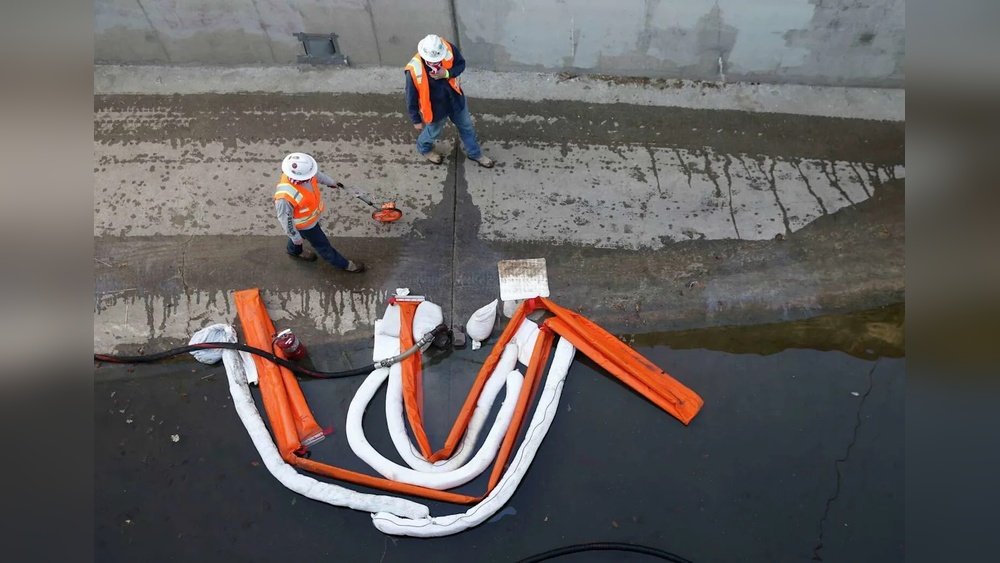
If you own or manage a car wash business, it’s crucial to understand how easily EPA violations can happen—and how costly they can be. Many car wash operators don’t realize that improper handling of wastewater, chemical runoff, or hazardous waste disposal can lead to hefty fines and legal trouble.
You’ll see real-life examples of car wash businesses that faced EPA penalties, learning what mistakes to avoid and how to keep your operation compliant. Reading on could save your business from unexpected fines and protect the environment at the same time.
Don’t let your car wash become the next cautionary tale.
Common Epa Violations In Car Washes
Car wash businesses must follow strict environmental rules set by the EPA. Violations can lead to heavy fines and legal troubles. Common EPA violations often involve improper handling of waste and pollutants. Understanding these common issues can help car wash owners avoid penalties and protect the environment.
Illegal Hazardous Waste Disposal
Many car washes generate hazardous waste like used oils and chemicals. Dumping this waste in regular trash or storm drains breaks EPA rules. Improper disposal can poison soil and water sources. The EPA monitors waste handling closely and fines businesses that ignore the laws.
Unauthorized Pollutant Discharge
Car washes often release water containing soap, oil, and dirt. Releasing this polluted water into streets or storm drains without treatment is illegal. Polluted runoff harms rivers, lakes, and wildlife. EPA regulations require proper treatment or recycling of wastewater before release.
Exporting Waste Without Permission
Some car washes ship waste to other states or countries. Sending hazardous waste without EPA permission violates federal laws. This practice risks improper disposal and environmental damage elsewhere. The EPA enforces strict rules on waste transport to ensure safety.

Credit: www.reddit.com
Environmental Issues Linked To Car Washes
Car wash businesses impact the environment in several significant ways. Their operations can affect water quality, waste resources, and increase emissions. Understanding these issues helps explain why many face EPA violations. This section explores key environmental concerns linked to car washes.
Water Pollution From Chemical Runoff
Car washes often use soaps and chemicals to clean vehicles. These substances can flow into storm drains without treatment. Storm drains lead directly to rivers, lakes, and oceans. This runoff harms aquatic life and degrades water quality.
Many soaps contain phosphates that encourage algae growth. Excessive algae reduce oxygen in water, threatening fish and other wildlife. Cars also release heavy metals like lead and zinc. These metals are toxic to aquatic animals and plants.
Excessive Water Consumption
Car washing uses large amounts of fresh water. In areas with limited water supplies, this causes stress on local resources. Home car washes waste more water as runoff is not captured or treated. Commercial car washes use water recycling systems but still consume significant water volumes.
Reducing water use is crucial to protect communities and ecosystems. Some car washes adopt technologies that recycle water and minimize waste. These efforts help lower the total water footprint of car washing.
Energy Use And Emissions
Commercial car washes rely on pumps, dryers, and heating systems. These machines consume electricity, often produced from fossil fuels. This energy use leads to greenhouse gas emissions contributing to climate change.
Energy efficiency improvements can cut emissions from car wash operations. Switching to renewable energy sources also reduces environmental impact. Monitoring energy use remains essential to lower the carbon footprint of car washes.
Real-life Fines And Penalties
Car wash businesses face strict rules from the Environmental Protection Agency (EPA). Violating these rules can lead to serious fines and penalties. These actions aim to protect the environment from pollution caused by improper waste and water handling. Real-life examples show how these fines impact car wash operators and their communities.
Notable Cases In Austin, Texas
In Austin, Texas, several car wash businesses have faced EPA fines. One case involved illegal discharge of wastewater into storm drains. The business ignored permits and released harmful chemicals into local waterways. Another case fined a company for improper storage of hazardous waste. These violations harmed the environment and risked public health. Austin authorities work closely with the EPA to enforce regulations and prevent future violations.
Common Causes Of Enforcement Actions
Many car wash violations stem from poor waste management. Businesses often discharge untreated water containing soap and oil into storm drains. This runoff pollutes rivers and lakes. Using banned chemicals or failing to maintain proper permits also triggers fines. Improper disposal of hazardous materials like solvents and filters is common. Lack of employee training on environmental rules contributes to mistakes. These actions lead to enforcement to protect water and wildlife.
Financial And Legal Consequences
Fines for EPA violations can be costly. Penalties often reach tens of thousands of dollars per incident. Repeat offenders may face higher fines and legal actions. Some businesses must pay for cleanup and environmental restoration. Legal troubles may include lawsuits or criminal charges. Violations also damage a company’s reputation and customer trust. To avoid these consequences, car washes must follow EPA rules carefully and invest in proper waste treatment.
Chemical Contaminants In Runoff
Car wash businesses often face EPA violations due to chemical contaminants in runoff. These contaminants enter storm drains and local waterways, causing environmental damage. Runoff carries harmful substances from soaps and vehicle residues, polluting rivers, lakes, and oceans. Understanding these chemicals helps explain why strict regulations exist and why some car washes get fined.
Phosphates And Algae Growth
Phosphates come from many cleaning agents used in car washes. They act as nutrients for algae in water bodies. Excessive phosphates cause algae to grow rapidly, creating dense green mats. This process, called eutrophication, reduces oxygen in water. Fish and other aquatic animals suffer or die due to low oxygen levels.
Heavy Metals Impact
Vehicles shed heavy metals like lead, zinc, and copper during washing. These metals accumulate in runoff water and soil. Heavy metals are toxic to many forms of life, including humans. They can poison fish, plants, and microorganisms, disrupting ecosystems. EPA fines car washes that discharge untreated water containing heavy metals.
Effects On Aquatic Life
Chemical contaminants in runoff threaten aquatic animals and plants. Toxic substances damage fish gills and impair reproduction. Algae blooms block sunlight needed by underwater plants. Contaminated water can kill sensitive species and reduce biodiversity. Protecting waterways requires proper treatment of car wash wastewater.
Water Use Challenges
Water use challenges pose serious issues for car wash businesses. These challenges affect local water supplies and create risks for EPA violations. Car washes use large volumes of water daily. Managing this water responsibly is crucial to avoid fines and protect the environment.
Many car washes struggle to balance customer demand with water conservation. Excessive water use can lead to regulatory penalties. Understanding the impact on local water resources is key for businesses. The differences between home and commercial washing also highlight unique water use problems.
Impact On Local Water Resources
Car wash operations draw significant amounts of fresh water. This heavy use can reduce availability for homes and farms nearby. In areas with limited water supplies, car washes can strain local resources. Overdrawing water harms ecosystems and lowers water quality.
Runoff from car washes may carry chemicals into local rivers or lakes. Polluted water harms fish and plants, disrupting natural habitats. EPA fines often target businesses that fail to control this runoff. Protecting local water means managing both water use and waste carefully.
Differences Between Home And Commercial Washing
Home car washing typically uses more water per vehicle than commercial washes. Many homeowners wash cars on driveways or streets. This allows dirty water, soap, and oil to flow directly into storm drains. Storm drains often lead untreated water straight to natural bodies of water.
Commercial car washes use systems to collect and treat wastewater. These systems reduce pollution and recycle water in some cases. Despite higher water use overall, commercial washes control runoff better than home washing. EPA violations often focus on businesses that neglect wastewater treatment.
Energy Consumption Effects
Energy consumption plays a big role in the environmental impact of car wash businesses. These facilities use electricity to run pumps, dryers, and lighting. High energy use not only increases operating costs but also contributes to pollution. EPA violations often highlight excessive energy consumption and its effects on the environment. Understanding these effects helps car wash owners reduce their footprint and avoid fines.
Greenhouse Gas Emissions
Car wash businesses rely heavily on electricity, often generated from fossil fuels. This process releases greenhouse gases such as carbon dioxide into the atmosphere. These gases trap heat and contribute to global warming. Large car washes with many machines consume significant energy, increasing emissions. Reducing energy use lowers greenhouse gases and helps protect the environment.
Fossil Fuel Dependence
Most energy used in car washes comes from fossil fuels like coal, oil, and natural gas. Dependence on these fuels causes pollution and depletes natural resources. Car wash equipment running on fossil-fuel-based power adds to this problem. Shifting to renewable energy sources can reduce fossil fuel dependence. This change improves sustainability and helps businesses comply with EPA standards.
Sustainable Car Wash Alternatives
Sustainable car wash alternatives reduce water waste and pollution. They protect the environment while keeping vehicles clean. These methods offer safer choices for car owners and businesses alike.
Using Professional Facilities With Wastewater Treatment
Professional car washes often have systems to treat wastewater. They clean water before releasing it back into the environment. This process prevents harmful chemicals from polluting rivers and lakes. Choosing these facilities supports better water management.
Water Recycling Systems
Water recycling saves large amounts of fresh water. Car wash businesses reuse water after filtering and cleaning it. This reduces the need for constant water supply. Recycling systems help conserve precious water resources in many areas.
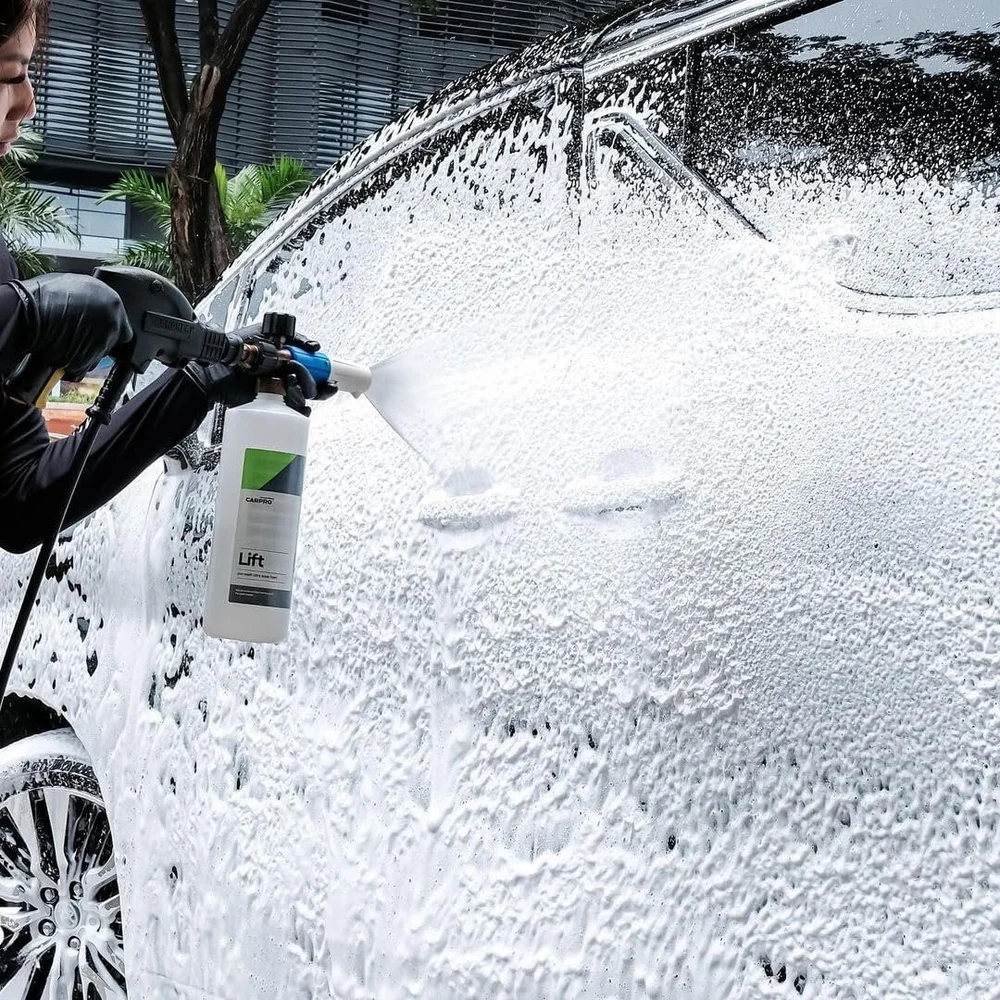
Biodegradable And Phosphate-free Soaps
Traditional soaps can harm aquatic life through chemical runoff. Biodegradable soaps break down naturally and cause less damage. Phosphate-free formulas avoid excessive algae growth in water bodies. Using these soaps makes car washing safer for the environment.
Waterless Car Wash Services
Waterless car washes clean vehicles using special sprays and cloths. They require no water at all, preventing runoff pollution. This method saves water and is convenient for places with water restrictions. It offers an eco-friendly option for quick cleanups.
Washing On Grass Or Gravel
Washing cars on grass or gravel helps filter runoff naturally. These surfaces absorb water and reduce direct flow to storm drains. This simple step lowers pollution risks in nearby streams and lakes. It is a practical way to protect local waterways at home.
Credit: www.fresh-layer.com

Credit: www.reddit.com
Frequently Asked Questions
What Is An Example Of An Epa Violation?
An example of an EPA violation is illegally dumping hazardous waste. Another is discharging pollutants into U. S. waters without a permit. Car wash businesses may violate rules by releasing untreated chemical runoff into storm drains, harming waterways and wildlife.
What Are The Environmental Issues With Car Washes?
Car washes impact the environment through high water use, chemical runoff polluting waterways, and energy consumption causing emissions. Home washing sends harmful soaps and oils into storm drains, while commercial washes use energy for pumps and dryers. Sustainable options include water recycling and biodegradable cleaners.
Has Anyone Ever Broken The Clean Air Act?
Yes, many companies and individuals have violated the Clean Air Act. The EPA enforces penalties for illegal emissions and pollution.
Can The Epa Issue Fines?
Yes, the EPA can issue fines for violating environmental laws. They enforce regulations to protect air, water, and land quality.
Conclusion
EPA violations in car wash businesses cause serious environmental harm. Fines remind owners to follow laws and protect water quality. Proper wastewater treatment and using eco-friendly products reduce pollution risks. Saving water and energy helps preserve resources for future use.
Car wash operators must stay informed and act responsibly. Protecting nature benefits everyone in the community. Small changes can prevent big problems and costly fines. Responsible practices lead to cleaner water and healthier ecosystems.














