
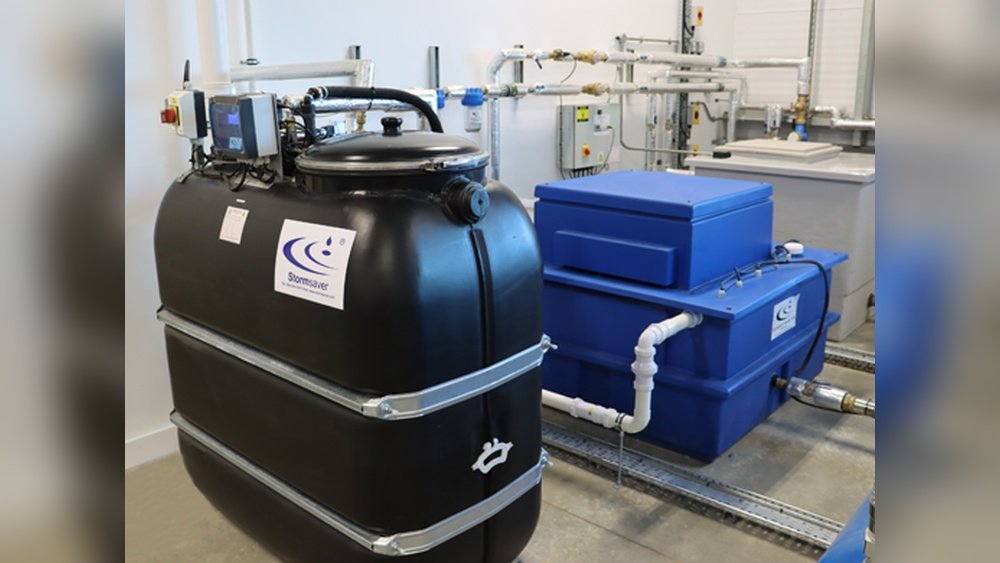
Are you looking for a smart way to cut down your water bills and help the environment at the same time? Greywater recycling systems might be exactly what your home needs.
These systems take the water you’ve already used in showers, sinks, and laundry, clean it up, and reuse it for tasks like watering your garden or flushing toilets. Imagine turning what used to go down the drain into a valuable resource that saves you money and conserves water.
You’ll discover how greywater recycling works, the benefits it brings, and how easy it can be to make your home more sustainable starting today. Keep reading to find out how you can transform your water use and make every drop count.
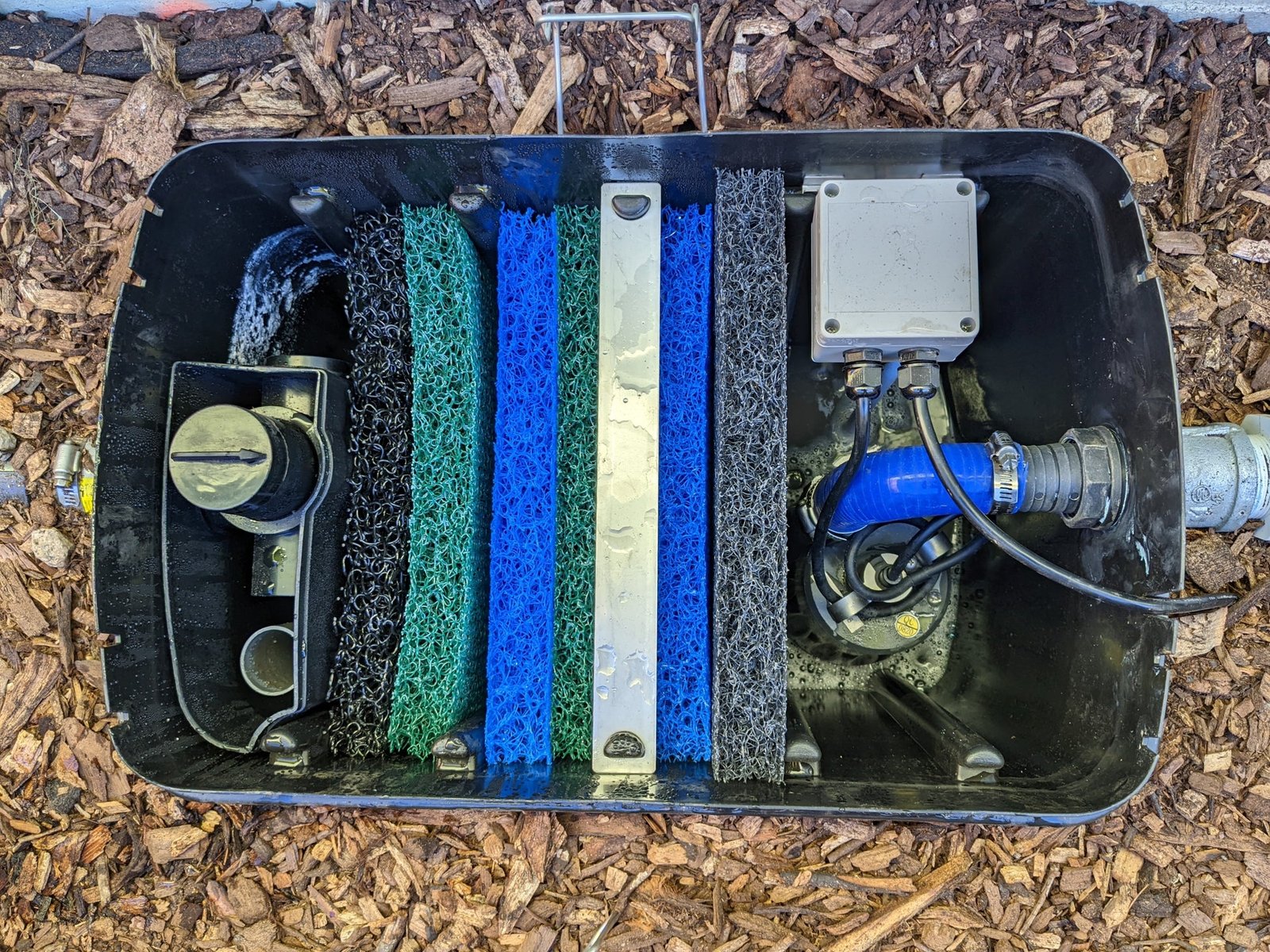
Credit: waterwisegroup.com
Greywater Basics
Greywater recycling systems help save water by reusing wastewater from homes. Understanding greywater basics is key to using these systems well. This water comes from daily activities and can be treated for reuse. It reduces water waste and lowers bills.
Knowing the sources of greywater and how it differs from blackwater helps in managing it safely. This section explains these important points clearly.
Sources Of Greywater
Greywater comes from household sinks, showers, and washing machines. It includes water from baths and bathroom sinks too. This water is usually free of human waste, making it easier to recycle. Kitchen water is often excluded due to food waste and grease. Collecting greywater from these sources helps reduce fresh water use.
Differences Between Greywater And Blackwater
Greywater is wastewater without toilet waste or harmful pathogens. Blackwater contains toilet water and requires more treatment. Greywater is less contaminated and safer to reuse. Blackwater needs full treatment before disposal or reuse. Knowing this difference ensures proper handling and safer water recycling.
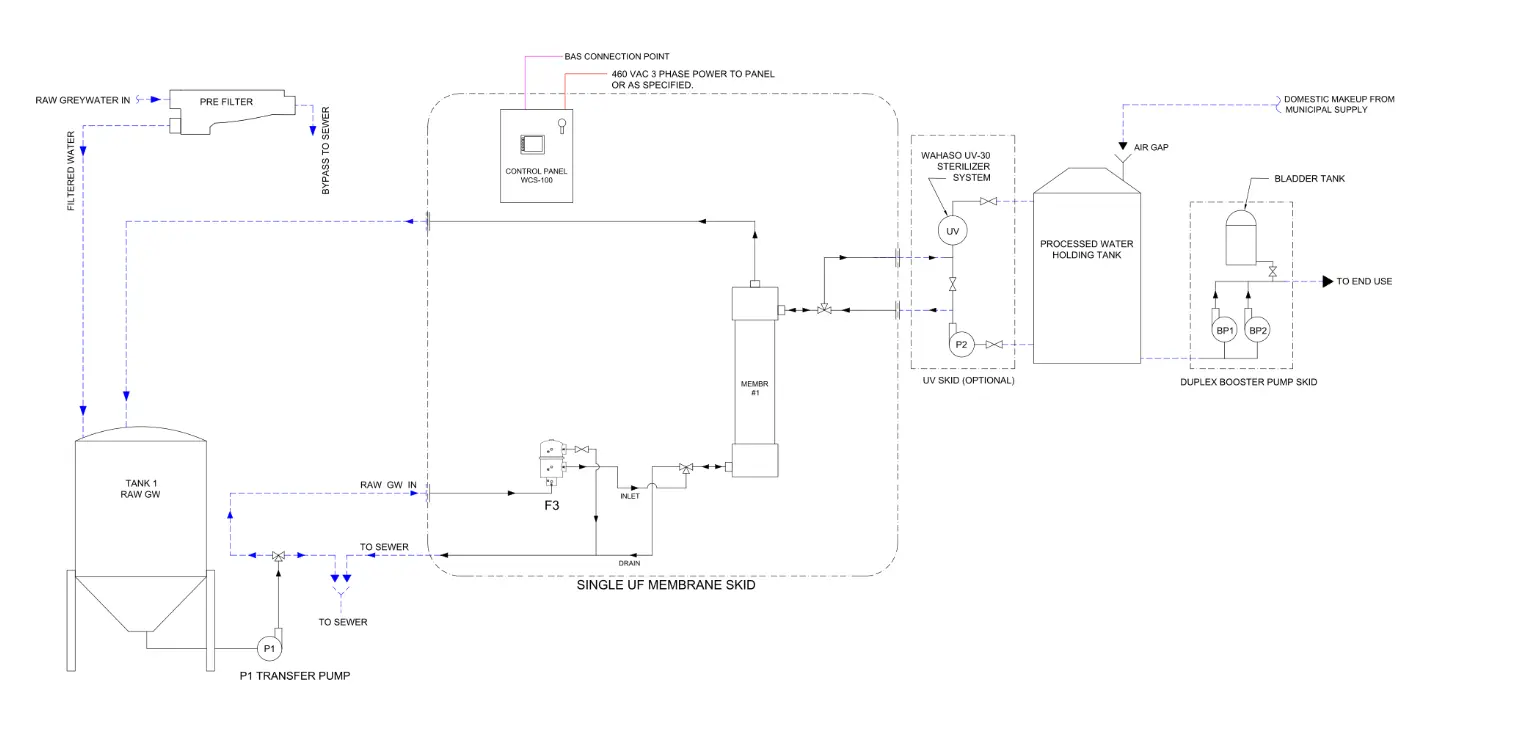
Credit: wahaso.com
Types Of Greywater Systems
Greywater recycling systems come in different types to suit various needs and budgets. Each type offers unique features and complexity. Understanding these options helps you choose the best system for your home or garden. These systems range from simple setups you can build yourself to advanced, automated units that require professional installation.
Simple Diy Systems
DIY greywater systems are easy to build and cost-effective. They often use basic materials like buckets, pipes, and filters. These systems collect water from sinks or showers to water plants. They need regular maintenance to prevent clogs and odors. Simple DIY systems are ideal for small gardens or homes on a budget.
Pre-assembled Units
Pre-assembled greywater systems come ready to install. They include all necessary parts and clear instructions. These units often feature built-in filters and pumps for better water flow. Pre-assembled systems save time and reduce installation errors. They suit homeowners wanting a reliable system without complex setup.
Smart Automated Systems
Smart automated greywater systems use technology to manage water recycling. Sensors monitor water quality and flow automatically. These systems can adjust filtering and distribution based on real-time data. They connect to home automation for easy control and alerts. Smart systems offer the highest efficiency with minimal user effort.
Installation Considerations
Installing a greywater recycling system requires thoughtful planning. Proper setup ensures efficient water reuse and system longevity. Consider key factors before beginning installation. These aspects influence functionality, maintenance, and compliance.
Plumbing Requirements
Greywater systems need separate plumbing lines from blackwater. Pipes must carry water from sinks, showers, and washing machines. Install filters to remove hair, lint, and debris. Use durable materials resistant to corrosion and buildup. Proper slope ensures smooth water flow and prevents blockages. Connect the system to toilets or irrigation carefully.
Space And Location
Choose a location close to water sources like bathrooms and laundry rooms. Allocate enough room for the tank, filters, and pumps. Protect the system from extreme weather and direct sunlight. Ensure easy access for inspection and maintenance tasks. Avoid placing it near potable water lines to prevent contamination.
Local Regulations
Check local laws and building codes before installation. Some areas require permits for greywater systems. Follow health and safety guidelines strictly. Use approved materials and components for your system. Report installation details to relevant authorities if needed. Compliance prevents fines and ensures safe water reuse.
Treatment And Filtration
Treatment and filtration are essential steps in greywater recycling systems. These processes clean the used water to make it safe for reuse. Proper treatment removes dirt, oils, and harmful microbes. Filtration helps in separating solids and particles from the water. Together, they improve water quality for tasks like irrigation or toilet flushing.
Basic Filtration Methods
Basic filtration removes large particles and debris from greywater. Screens and mesh filters catch hair, lint, and other solids. Sand filters allow water to pass through layers of sand, trapping smaller particles. These simple methods protect the system and prevent clogging. They are easy to maintain and cost-effective.
Biological Treatment Options
Biological treatments use natural processes to break down contaminants. Biofilters use bacteria to digest organic matter in greywater. Constructed wetlands mimic natural wetlands to clean water through plants and microbes. These methods improve water quality without chemicals. They support sustainable and eco-friendly greywater recycling.
Advanced Purification Technologies
Advanced technologies provide higher water purity for more uses. Membrane filtration removes very fine particles and pathogens. Ultraviolet (UV) light kills bacteria and viruses in treated greywater. Ozone treatment disinfects water by breaking down harmful substances. These options ensure safer water for household reuse.
Applications At Home
Greywater recycling systems offer practical ways to save water at home. These systems collect water from sinks, showers, and laundry. The water is then treated lightly for safe reuse. Using greywater reduces fresh water demand and lowers water bills. Many homes adopt these systems to support sustainability and conserve resources.
Irrigation Use
Greywater is ideal for watering gardens and lawns. It provides moisture to plants without using fresh water. This reuse helps maintain healthy landscapes during dry seasons. Simple filtration removes dirt and soap before irrigation. Homeowners can connect greywater systems to drip irrigation or sprinklers. This saves significant water compared to traditional methods.
Toilet Flushing
Toilet flushing is a major water consumer in homes. Greywater recycling systems can supply treated water for this use. The water comes from sinks, showers, and laundry machines. It undergoes basic cleaning to prevent odors and blockages. Using greywater for toilets cuts down potable water use. This reduces overall household water consumption effectively.
Laundry Reuse
Greywater systems can also recycle water for laundry loads. The water from washing machines is filtered and reused. This process lowers water waste and cuts utility costs. Some setups allow greywater to wash clothes multiple times. Proper treatment ensures clothes stay clean and fresh. Laundry reuse is a smart way to stretch water resources at home.
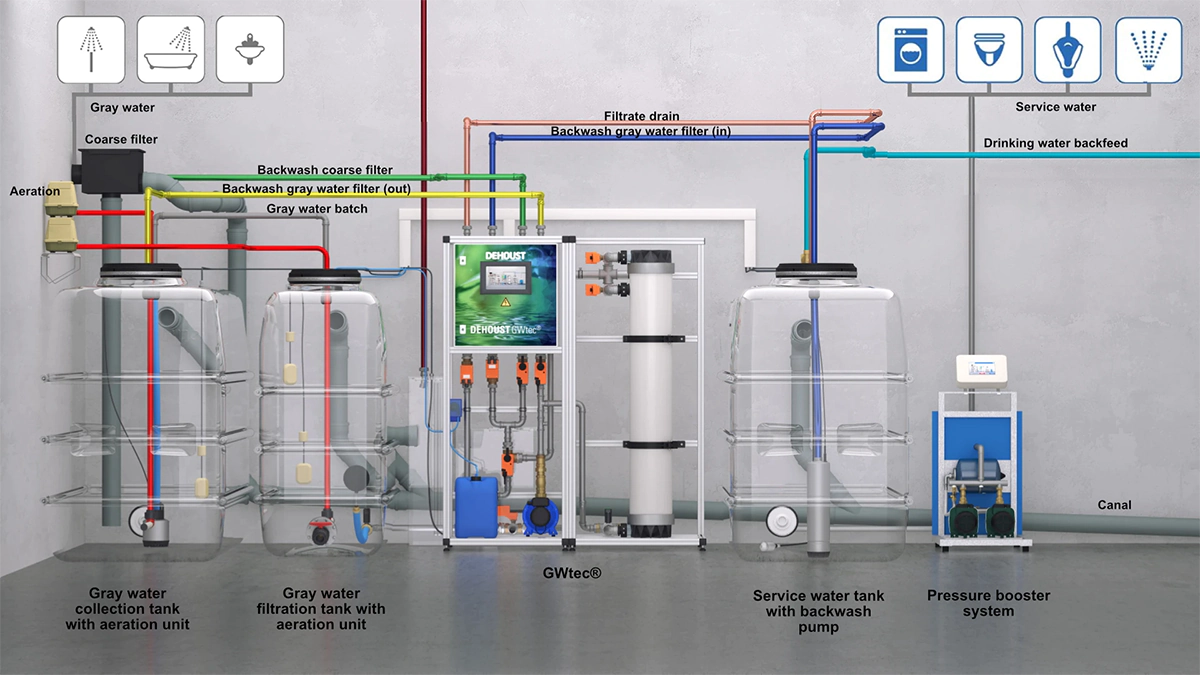
Credit: pomplumbing.ca
Cost And Savings
Understanding the cost and savings of greywater recycling systems helps homeowners make smart choices. These systems reuse water from sinks, showers, and laundry for irrigation or toilets. The investment varies based on system size and complexity. Savings come from lower water bills and reduced environmental impact.
Initial Investment
The initial cost depends on system type and installation difficulty. Simple systems cost less and are easier to install. Complex systems with filtration and pumps need higher budgets. Professional installation adds to expenses but ensures safety and efficiency. Costs usually range from a few hundred to several thousand dollars.
Maintenance Expenses
Maintenance keeps the system working well and prevents clogs. Regular cleaning of filters and pipes is necessary. Some parts may need replacement after a few years. Maintenance costs are generally low compared to the initial investment. Proper care extends system life and maintains water quality.
Utility Bill Reductions
Recycling greywater reduces the need for fresh water. This lowers monthly water bills significantly. Savings depend on household size and water use habits. In dry regions, savings can be even higher due to water restrictions. Over time, the system pays for itself through these reduced costs.
Environmental Benefits
Greywater recycling systems offer significant environmental benefits by reusing water from baths, sinks, and washing machines. These systems help reduce water waste and protect natural resources. Using greywater wisely supports a healthier planet and promotes sustainable living.
Water Conservation
Greywater recycling saves fresh water by reusing it for non-drinking purposes. It reduces the need to draw water from rivers and underground sources. This lowers overall water consumption and helps preserve clean water supplies for future use.
Reducing Strain On Sewage Systems
Recycling greywater decreases the volume of wastewater sent to sewage treatment plants. This reduces the risk of system overload and pollution. It helps cities manage wastewater more efficiently and lowers treatment costs.
Supporting Drought Resilience
Greywater systems provide an alternative water source during dry periods. They help households maintain gardens and landscapes without using fresh water. This practice increases community resilience to droughts and water shortages.
Challenges And Limitations
Greywater recycling systems offer water savings but face several challenges. Understanding these limitations helps in making smart decisions. Below are key issues that affect their use and performance.
Health And Safety Concerns
Greywater contains bacteria and chemicals that can harm health. Without proper treatment, it may cause infections. Careful handling and monitoring are essential. Systems must meet safety standards to protect users and the environment.
System Maintenance
Regular cleaning keeps greywater systems working well. Filters and pipes can clog or break. Neglect leads to bad odors and system failure. Users should follow maintenance schedules to avoid costly repairs.
Feasibility In Urban Settings
Space limits installation in many cities. Retrofitting old buildings is often hard and costly. Local regulations may restrict greywater use. Urban homes need tailored solutions for effective recycling.
Choosing The Right System
Choosing the right greywater recycling system is key to saving water effectively. Each home has different needs and limits. Picking a system that fits your lifestyle and space helps maximize benefits. Understanding your water habits, budget, and space guides you to the best option. Expert advice ensures your system works well and lasts long.
Assessing Household Water Use
Start by tracking daily water use at home. Note water from showers, sinks, and laundry. Identify which greywater sources you can reuse safely. Calculate how much water you want to recycle. This helps pick a system sized for your needs. Smaller homes need less capacity than larger ones. Knowing your water use prevents overspending on large systems.
Evaluating Space And Budget
Measure available space for installing the system. Some units need a small area indoors or outdoors. Others require larger tanks or filters. Set a budget that covers purchase and installation costs. Include ongoing maintenance expenses. Choose a system that fits your space without major remodeling. Affordable options exist for most budgets. Balancing space and cost ensures practical installation.
Consulting Professionals
Talk to plumbers or water specialists before buying. They assess your home’s plumbing and water flow. Professionals recommend systems that meet local codes and conditions. They help with installation and necessary permits. Expert guidance avoids costly mistakes and repairs. Ask about maintenance and warranty services. Skilled advice makes the process smoother and safer.
Future Trends
Greywater recycling systems are evolving rapidly. New trends are shaping how homes save water efficiently. These advancements promise smarter, easier, and more effective water reuse solutions. Exploring future trends reveals exciting possibilities for water conservation.
Smart Water Recycling Technology
Smart technology is making greywater recycling more precise. Sensors monitor water quality and flow in real time. Automated filters adjust based on water conditions. These systems reduce maintenance and improve safety. Users get alerts for system performance and repairs.
Integration With Home Automation
Greywater systems now connect with home automation platforms. Homeowners control water reuse through smartphones or voice commands. Automation schedules water reuse during low-demand hours. This integration optimizes water savings without extra effort. It makes greywater recycling a seamless part of daily life.
Policy And Incentives
Governments promote greywater recycling with new policies and incentives. Some regions offer tax credits or rebates for installation. Building codes increasingly require water-efficient systems in new homes. These policies encourage wider adoption of greywater recycling. They help reduce strain on municipal water supplies.
Frequently Asked Questions
What Is The Best Greywater Recycling System?
The best greywater recycling system efficiently filters and reuses water from showers and sinks for irrigation or toilet flushing. Hydraloop offers smart, eco-friendly options ideal for homes and businesses. Choose systems with easy installation, reliable filtration, and water-saving features to maximize sustainability.
How Much Does A Greywater Recycling System Cost?
A greywater recycling system typically costs between $1,000 and $5,000. Installation and system size affect the price.
What Is The Grey Water Recycling System?
A grey water recycling system collects, filters, and reuses water from sinks, showers, and laundry for non-drinking purposes. It conserves water and reduces utility bills.
Is Grey Water Recycling Worth It?
Greywater recycling saves water and reduces utility bills by reusing wastewater for irrigation and flushing toilets. It supports sustainability and cuts water waste effectively.
Conclusion
Greywater recycling systems save water and cut utility bills. They reuse water from baths, sinks, and laundry safely. These systems help reduce strain on local water supplies. Installing one supports a greener, more sustainable lifestyle. Small steps like this make a big difference over time.
Choose a system that fits your home’s needs and budget. Start conserving water today and protect the environment for tomorrow.














