
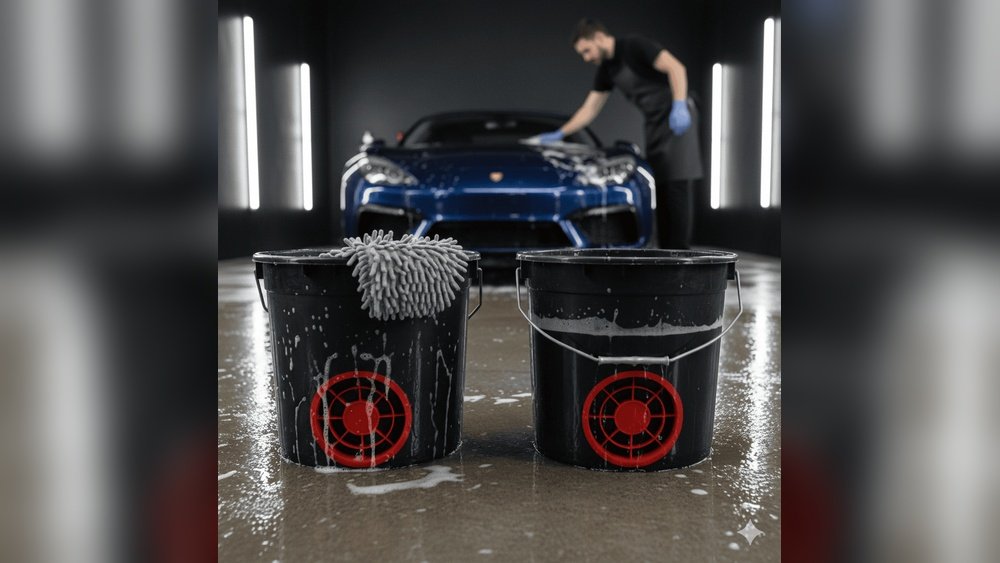
When it comes to washing your car, you want to protect your paint from scratches and swirl marks. That’s where grit guards come in.
But here’s the big question: should you place your grit guard in the rinse bucket or the wash bucket? Knowing which one matters more can save you time, money, and keep your car looking flawless. You’ll discover the real role of grit guards, why their placement matters, and how to get the best results every time you wash.
Ready to take your car care to the next level? Let’s dive in and find out which bucket deserves the grit guard the most.

Credit: www.prestigecarcareshop.com
Two-bucket Wash Method
The Two-Bucket Wash Method is a popular technique for cleaning cars safely. It helps avoid scratching the paint by keeping dirt away from the wash mitt. This method uses two buckets: one for washing and one for rinsing. Each bucket serves a different purpose during the car wash process. Using grit guards in these buckets adds another layer of protection against grime and grit.
Purpose Of Wash Bucket
The wash bucket holds soapy water and cleaning solution. This is where you dip your wash mitt to clean the car’s surface. The soap loosens dirt and grime on the paint. It helps lift contaminants without scratching the surface. The wash bucket must stay as clean as possible. Dirt should not build up here to avoid rubbing it back on the car.
Role Of Rinse Bucket
The rinse bucket contains clean water used to rinse the wash mitt. After wiping the car, the mitt is dipped into this bucket to remove dirt and debris. This step prevents dirt from returning to the wash bucket. The rinse bucket keeps the wash water cleaner for longer. Using a grit guard here traps particles at the bottom. It stops grit from mixing with the clean rinse water.

Credit: amaltheacellars.com
Grit Guard Basics
Grit guards play a key role in car washing, especially with the two-bucket method. They help keep dirt and grit at the bottom of your buckets. This keeps your wash water clean and protects your car’s paint from scratches.
Understanding how grit guards work and their benefits can help you decide where to place them. This knowledge is important when choosing between the rinse or wash bucket.
How Grit Guards Work
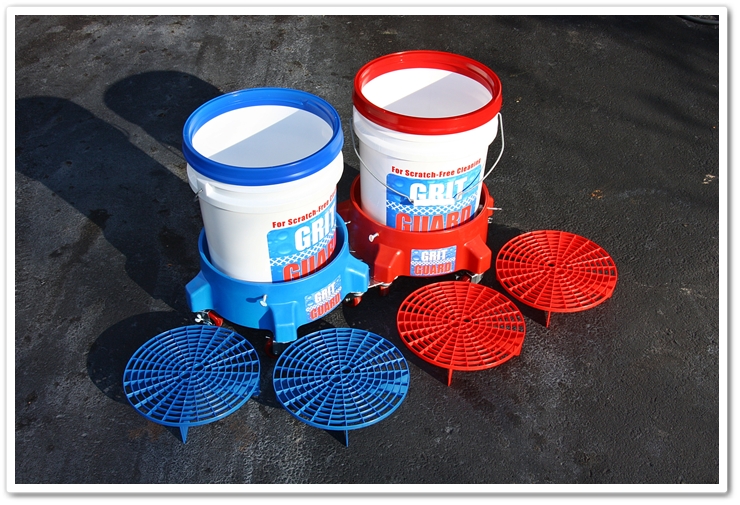
A grit guard is a plastic insert with a grid pattern. It fits at the bottom of your bucket. When you swirl your wash mitt in the water, dirt falls through the grid. The grit guard traps these particles below the grid. This stops dirt from mixing back into the water. It also prevents dirt from sticking to your wash mitt again.
Benefits Of Using Grit Guards
Grit guards reduce the chance of scratching your car’s paint. They keep wash water cleaner for longer. This means fewer contaminants touch your car’s surface. They make the two-bucket method more effective. Using grit guards helps protect your investment in your car’s finish. They also save time by reducing the need to change water often.
Grit Guard In Rinse Bucket
Using a grit guard in the rinse bucket plays a key role in keeping your car wash water clean. It helps separate dirt and debris from your wash mitt or sponge before you dip it back into the soap bucket. This simple step reduces the chance of scratching your car’s paint with trapped grit.
Trapping Dirt Effectively
The grit guard sits at the bottom of the rinse bucket. It creates a barrier that traps dirt and grit under the guard. When you rinse your wash mitt, the dirt falls through the gaps and stays below the guard. This stops the dirt from floating back up and sticking to your mitt. It keeps the rinse water cleaner and your wash mitt safer to use.
Maintaining Clean Rinse Water
Clean rinse water is important to avoid reapplying dirt onto your car. The grit guard helps by holding dirt at the bucket’s bottom. This way, the rinse water above stays clear longer. You can rinse your mitt multiple times without picking up grime. It reduces the need to change rinse water often and keeps your car wash process smooth and safe.
Grit Guard In Wash Bucket
A grit guard in the wash bucket plays a key role in keeping your car wash clean. It sits at the bottom of the bucket, trapping dirt and grit. This stops particles from mixing back into the soap water. Clean water and soap help protect your car’s paint from scratches.
Preventing Dirt Reintroduction
The grit guard holds dirt at the bucket’s base. When you dip your wash mitt, dirt stays below the guard. This prevents dirt from returning to the mitt. Less dirt on the mitt means fewer scratches on your car. The grit guard helps keep the wash water cleaner for longer.
Enhancing Soap Bucket Cleanliness
Soap water stays clearer with a grit guard. It stops dirt from swirling around in the bucket. Cleaner soap means the mitt picks up fewer contaminants. This reduces the chance of rubbing dirt back onto the car. The grit guard helps maintain soap effectiveness during washing.
Using Grit Guards In Both Buckets
Using grit guards in both rinse and wash buckets improves the car washing process. They keep dirt and grit trapped at the bottom of each bucket. This prevents grime from returning to your wash mitt. Clean water stays cleaner longer, which protects your car’s surface. Both buckets benefit from grit guards to maintain their purpose effectively.
Maximizing Dirt Removal
Grit guards help separate dirt from water in both buckets. In the rinse bucket, they allow dirt to settle quickly. This stops dirt from mixing back into the water. In the wash bucket, grit guards trap any leftover particles. Your wash mitt stays cleaner, so it removes grime better. This reduces the risk of scratching your car’s paint.
Protecting Vehicle Paint
Dirt and grit cause scratches when rubbed on paint. Grit guards in both buckets trap these harmful particles. They keep the wash water free of debris that can cause swirl marks. Using grit guards reduces the chance of paint damage during washing. Your vehicle’s finish stays smooth and protected after every wash.
Budget Considerations
Budget considerations play a key role in deciding how to use grit guards with rinse and wash buckets. Car washing tools and accessories can add up in cost. Spending wisely ensures good results without overspending. Understanding where to place grit guards and weighing their cost against benefits helps make the best choice. This section breaks down budget factors for grit guard use.
Prioritizing Grit Guard Placement
Placing a grit guard in the rinse bucket should be a top priority. The rinse bucket holds the dirty water after washing the mitt. A grit guard traps dirt and grit at the bottom. This stops grime from returning to the wash bucket. Investing in one grit guard here protects your car’s paint effectively.
Adding a grit guard to the wash bucket also helps. It catches any grit missed in the rinse bucket. This extra step keeps your wash water cleaner. However, if the budget is tight, focus first on the rinse bucket. That placement offers the most protection for your paintwork.
Cost Vs. Benefit Analysis
Grit guards are usually low-cost items but offer high value. Spending a little on grit guards can prevent costly paint damage later. Scratches and swirl marks from dirt can ruin your car’s finish. Avoiding these repairs saves money over time.
Buying multiple grit guards raises initial costs. This may strain a small budget. But the benefits of cleaner water and safer washing justify the expense. Balance your budget by starting with one grit guard. Add more as funds allow and needs grow.
Consider the long-term savings from reduced paint damage. This makes grit guards a smart investment. They improve your car wash process without large costs.
Alternatives To Traditional Two-bucket Method
Car washing methods have evolved beyond the traditional two-bucket system. Many detailers seek alternatives that reduce contamination and save water. These options can improve cleaning efficiency while protecting your vehicle’s finish. Understanding these alternatives helps you choose the best method for your needs.
Rinseless Wash Techniques
Rinseless washing uses a special solution that cleans without a hose. It minimizes water use and dirt transfer. This method requires only one bucket with the rinseless solution. A grit guard can still be useful to trap grit at the bucket bottom. You dip your wash mitt, clean the car panel, and wipe with a microfiber towel. This approach reduces water runoff and is gentle on paint.
Single Bucket Wash Approaches
Single bucket washing uses just one bucket filled with soapy water. Some detailers add a grit guard to keep dirt settled at the bottom. Wash mitts are rinsed in the same bucket, which may increase dirt pickup. Careful rinsing of the mitt on the grit guard helps reduce scratches. This method saves space and water but requires more attention to cleanliness.
Common Mistakes With Grit Guards
Using grit guards correctly is vital for clean and scratch-free car washing. Many users make simple mistakes that reduce their effectiveness. Understanding these errors can help maintain your grit guard’s performance and protect your car’s paint.
Improper Placement
Placing the grit guard incorrectly wastes its purpose. It must sit flat at the bottom of the bucket. A tilted or raised grit guard allows dirt to swirl back into the wash water. This contaminates your sponge or mitt. Always ensure the grit guard is fully settled and stable in the bucket.
Neglecting Regular Cleaning
Ignoring grit guard cleaning causes dirt buildup. Over time, grime clogs the guard’s slots and reduces its ability to trap particles. Dirty grit guards can release contaminants back into the water. Clean the grit guard after each wash session. Rinse it thoroughly and remove trapped debris. This keeps the guard effective and your wash water clean.
Expert Tips For Effective Washing
Effective washing depends on smart techniques and proper tools. Using grit guards correctly helps avoid dirt scratches. Follow expert tips to keep your wash process clean and safe for your car’s paint.
Simple steps improve your washing results and protect your vehicle. Focus on how you handle your mitt and the quality of your bucket water.
Agitating Mitts Properly
Rub your wash mitt against the grit guard in the rinse bucket. This action releases dirt trapped in the mitt. Avoid swirling the mitt inside the bucket to prevent scratching. Agitate firmly but gently to clear particles. Repeat this step before dipping mitt into soap water. It keeps dirt away from your car surface.
Refreshing Bucket Water
Change your rinse bucket water often during washing. Dirty water lets grit build up and risks paint damage. Use clean water for rinsing your mitt regularly. Keep your wash bucket water fresh by refilling or replacing it. This reduces contamination and helps your soap clean better. Always check water clarity to avoid hidden dirt.
Credit: www.detailedimage.com
Frequently Asked Questions
Does Grit Guard Go In A Wash Or Rinse Bucket?
Place grit guards in both wash and rinse buckets. The rinse bucket trap dirt, while the wash bucket keeps contaminants settled. This prevents dirt from returning to your mitt, ensuring a cleaner, safer car wash. Using grit guards in both buckets optimizes dirt removal and protects your paint.
Do I Need A Grit Guard For Rinseless Wash?
Using a grit guard with rinseless wash helps trap dirt at the bucket’s bottom, preventing scratches and improving cleaning safety.
Do You Need A Grit Guard In Both Buckets?
Yes, use a grit guard in both buckets. One traps dirt in the rinse bucket, the other keeps the wash bucket clean. This prevents grit from scratching your car’s surface during washing.
What Is The 3 Bucket Strategy For Car Wash?
The 3 bucket strategy uses separate buckets for washing, rinsing, and cleaning wheels. This prevents dirt transfer and protects the car’s paint. Grit guards in buckets trap contaminants, ensuring a safer, scratch-free wash. This method improves cleaning efficiency and reduces swirl marks effectively.
Conclusion
Choosing the right grit guard setup protects your car’s paint best. Placing one in the rinse bucket traps most dirt effectively. Using a second grit guard in the wash bucket adds extra protection. This two-guard method keeps grime away from your wash mitt.
Clean water means fewer scratches and a better shine. Simple steps make washing safer and easier for your car. Keep grit guards in both buckets for best results. Your car will thank you with a smooth, clean finish.














