
When it comes to keeping your car’s paint flawless during washing, you probably want the best tools at your side. If you’ve heard about grit guards and filtered buckets but aren’t sure which one truly protects your car from scratches, you’re not alone.
Both promise cleaner water and less dirt on your wash mitt, but which actually works better to keep grit away? You’ll discover how each option tackles dirt, the pros and cons of using them, and which one fits your car care routine perfectly.
Keep reading, because choosing the right bucket setup could save your paint and make your wash easier than ever.

Credit: domesticobjects.com
Grit Guards Basics
Cleaning efficiency plays a crucial role in choosing between grit guards and filtered buckets. Both tools aim to improve the car washing process by managing dirt and debris. Understanding how each performs in key areas helps you pick the best option for your needs.
Dirt Removal Effectiveness
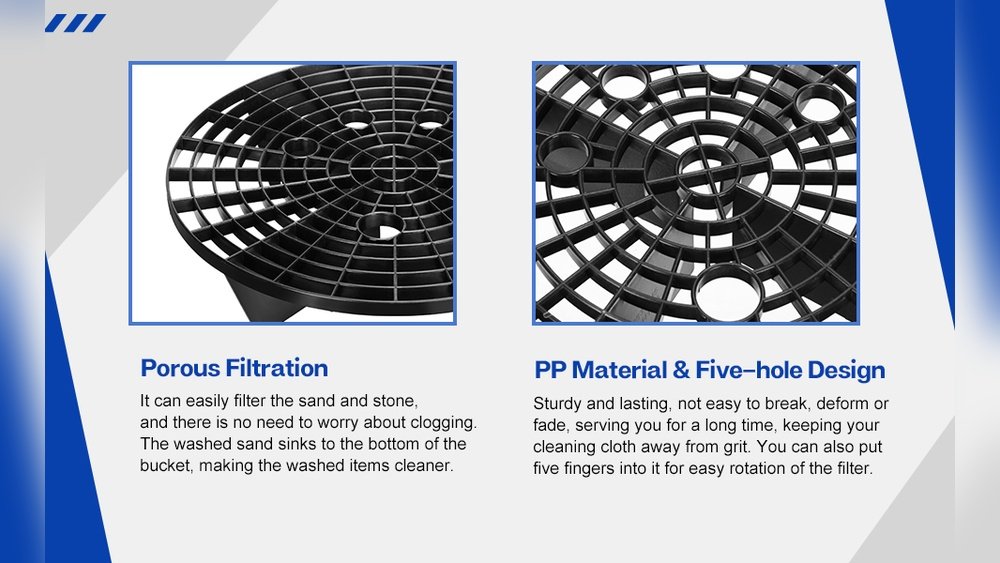
Grit guards trap dirt at the bottom of the bucket. This prevents grime from mixing with the wash water. Filtered buckets use a mesh or screen to catch particles. They allow cleaner water to flow back into the bucket. Both methods reduce dirt in the water, but grit guards settle debris more effectively. Filtered buckets keep the water clean while washing. Dirt removal is essential to avoid rubbing dirt onto the car surface.
Preventing Scratches
Scratches happen when dirt particles rub against the paint. Grit guards stop dirt from reaching the wash mitt or sponge. They keep abrasive grit trapped at the bucket’s base. Filtered buckets remove dirt as water passes through the filter. This lowers the risk of dirt scratching the paint. Both tools protect the car’s finish by reducing contact with harmful particles. A cleaner wash tool means fewer scratches.
Maintaining Water Cleanliness
Grit guards settle dirt below the guard, keeping water cleaner on top. This helps maintain clearer wash water during the process. Filtered buckets continuously clean water by filtering out debris. They prevent dirt from mixing freely in the bucket. Cleaner water means less chance of reapplying dirt to the car. Both options improve water cleanliness, but filtered buckets offer ongoing filtration. Clean water is key for a safe and effective wash.

Credit: blog.iglcoatings.com
Filtered Buckets Explained
Professional detailers have clear preferences when choosing between grit guards and filtered buckets. Their choices depend on efficiency, ease of use, and results. Understanding these preferences helps car owners pick the right tool for their needs.
Common Industry Practices
Most professionals use grit guards in their wash buckets. Grit guards sit at the bottom to trap dirt and grit. This prevents contaminants from reaching the wash mitt. Using two buckets—one for washing, one for rinsing—is standard. Filtered buckets are less common but gaining interest. They use a built-in filter to separate dirt from water. Detailers value tools that protect paint and speed up cleaning.
Expert Opinions
Experts praise grit guards for their simplicity and effectiveness. They say grit guards reduce swirl marks and scratches. Some detailers argue filtered buckets can clog and slow down washing. Others find filtered buckets useful for heavy dirt loads. Many believe grit guards work better with traditional two-bucket washing. Experts recommend using grit guards with quality wash mitts for best results.
Real-world Performance
In real use, grit guards show consistent results. Detailers report less contamination in wash water. Filtered buckets may require frequent cleaning to stay effective. Some detailers notice filtered buckets remove dirt faster but need extra care. Overall, grit guards offer a reliable, low-maintenance solution. Both tools improve paint safety compared to no filtration. Choosing depends on personal workflow and vehicle condition.
Cleaning Efficiency Comparison
Combining grit guards with filtered buckets delivers superior cleaning results. Each tool targets dirt differently. Using both together keeps wash water cleaner longer. It reduces swirl marks and scratches. This combo protects your car’s paint effectively.
Two Bucket Method Integration
Use two buckets: one for washing, one for rinsing. Place a grit guard in each bucket. The grit guard traps dirt at the bottom. It stops dirt from mixing with your wash mitt. Always rinse your mitt in the rinse bucket first. This prevents dirt from returning to the wash bucket. Repeat the process for every section of your car. This method keeps wash water cleaner and safer.
Best Practices
Fill buckets with clean water and car shampoo. Position grit guards flat at the bucket bottom. Agitate the mitt against the grit guard to release dirt. Avoid dipping the mitt directly into dirty water. Change water regularly to maintain cleanliness. Use microfiber mitts for gentle cleaning. Work in straight lines, not circles, to reduce swirls. Dry your car with a clean microfiber towel.
Tips For Maximum Protection
Always use separate buckets for washing and rinsing. Inspect grit guards for debris after each use. Replace grit guards if damaged or warped. Use filtered buckets designed to trap fine dirt particles. Avoid touching the grit guard surface with dirty hands. Store buckets and grit guards in a clean, dry place. Clean your buckets thoroughly after each wash. Consistency in this process extends your car’s paint life.

Credit: nenlawfirm.com
Frequently Asked Questions
Do I Need A Grit Guard In Both Buckets?
Yes, use a grit guard in both buckets. It traps dirt, prevents scratches, and keeps wash water cleaner.
What Do Professional Auto Detailers Use?
Professional auto detailers use microfiber towels, high-quality car shampoos, clay bars, polishers, sealants, and grit guards for effective cleaning and protection.
What To Use Instead Of Grit Guard?
Use Detail Guardz or Dirt Lock inserts as effective alternatives to grit guards in car wash buckets.
Does Grit Guard Go In A Wash Or Rinse Bucket?
Place the grit guard at the bottom of both wash and rinse buckets. It traps dirt, preventing scratches during washing.
Conclusion
Choosing between grit guards and filtered buckets depends on your washing style. Grit guards trap dirt at the bucket’s bottom, reducing scratches. Filtered buckets separate dirt through a built-in filter, keeping water cleaner. Both help protect your car’s paint by limiting grit contact.
Consider ease of use and cleaning preferences before deciding. Either option improves car wash quality compared to no system. Try both to see which fits your routine best. Clean tools mean a safer, shinier finish every time.














