
When it comes to growing your car detailing business, one big question stands out: should you hire independent contractors or employees? This decision affects not just your budget but also how smoothly your operations run and how much control you have over your team.
You want the right people, at the right time, without risking legal trouble or unnecessary costs. You’ll discover the key differences between these two types of workers, what fits best for your business needs, and how to avoid common pitfalls.
Keep reading to make a smart, confident choice that will drive your car detailing business forward in Austin and beyond.
Employee Benefits In Car Detailing
Choosing employees in car detailing brings several important benefits. These benefits help business owners manage their teams better. Employees offer more control and stability. They also help build a strong company culture. Understanding these benefits can guide your hiring decisions.
Control Over Work Schedule
Employees follow a set work schedule. This lets you plan daily tasks easily. You assign hours that match business needs. Work consistency improves quality and customer service. Changes in schedule can be made quickly. This control is harder with independent contractors.
Building Company Loyalty
Employees often feel more loyal to the company. They identify with the business and its goals. This loyalty leads to better teamwork and effort. Loyal workers stay longer, reducing turnover costs. They also represent your brand with pride. Contractors usually have less connection to your business.
Training And Company Knowledge
Employees receive regular training on your methods. They learn your standards and customer service style. Over time, they gain deep knowledge of your business. This helps maintain consistent service quality. Training also boosts their skills and confidence. Contractors may lack this in-depth understanding.
Core Business Roles
Employees handle essential daily operations. They manage tasks that keep the business running smoothly. Core roles require reliability and constant presence. Having employees ensures these roles are covered. Contractors work best for occasional or specialized jobs. Key functions need steady, dedicated staff.

Credit: www.reddit.com
Advantages Of Independent Contractors
Hiring independent contractors offers several clear advantages for car detailing businesses. These professionals bring flexibility and specialized skills without the long-term commitments of employees. This approach often fits project-based needs and helps control costs effectively. Understanding these benefits can guide your decision on workforce management.
Flexibility For Projects
Independent contractors work on specific projects, making scheduling easy. You can hire them only when needed. This flexibility helps manage busy seasons or special jobs without extra overhead. It avoids the need to maintain a full-time team during slow periods.
Specialized Skills
Contractors often have expertise in niche areas of car detailing. They bring unique skills that your regular staff may lack. This allows you to offer specialized services like paint correction or ceramic coating. Access to these skills improves service quality and customer satisfaction.
Cost Efficiency
Hiring contractors reduces expenses related to benefits and payroll taxes. You pay only for the work done, not for idle time. This lowers your overall labor costs and improves profit margins. It also reduces administrative tasks linked to full-time employees.
Scaling Workforce Quickly
Independent contractors allow fast workforce expansion for large projects. You can add skilled workers without lengthy hiring processes. This speed helps meet tight deadlines and handle multiple jobs at once. It keeps your business agile and responsive to demand.
Legal And Financial Risks
Choosing between independent contractors and employees in car detailing carries legal and financial risks. Misclassifying workers can result in costly penalties and legal challenges. Understanding these risks helps protect your business from unexpected expenses and lawsuits.
Worker Classification Rules
Worker classification depends on control and independence. Employees work under your direction and follow set schedules. Contractors operate independently and manage their own work methods. The IRS and labor laws provide guidelines to determine proper classification. Missteps in classification can trigger audits and fines.
Penalties For Misclassification
Penalties for misclassification include back taxes, fines, and interest. You may owe unpaid payroll taxes and benefits. Labor departments can impose heavy fines for violating wage and hour laws. Lawsuits from workers claiming employee rights also pose risks. These penalties can severely impact your business finances.
Consulting Employment Experts
Employment experts help clarify worker status and legal obligations. They review contracts, work arrangements, and company policies. Experts can guide you on tax compliance and labor laws. Consulting early prevents costly mistakes and legal troubles. Their advice ensures your car detailing business stays compliant and protected.
Cost Comparison Factors
Understanding the cost differences between hiring independent contractors and employees is key in car detailing. Each choice affects your budget in unique ways. Knowing these factors helps you make a smart decision that fits your business needs.
Hourly Rates Vs Total Costs
Independent contractors usually charge higher hourly rates. They cover their own tools, insurance, and taxes. Employees may have lower hourly wages but come with extra costs. These include benefits, payroll taxes, and equipment. Total costs for employees often exceed their base pay.
Benefits And Tax Savings
Hiring employees means you pay for benefits like health insurance and paid leave. These add to your expenses but attract loyal workers. Independent contractors handle their own benefits and taxes. This reduces your financial responsibility. However, you lose control over their schedule and work habits.
Administrative Burden Reduction
Managing employees requires payroll processing, tax filings, and compliance checks. These tasks consume time and resources. Contractors simplify administration because they handle their own taxes and benefits. This reduction in paperwork can save money and effort. It lets you focus more on growing your car detailing business.
Talent And Hiring Strategies
Effective talent and hiring strategies shape the success of any car detailing business. Choosing between independent contractors and employees impacts how you attract and keep skilled workers. Each option offers unique advantages in managing talent pools and meeting business needs.
Accessing Diverse Talent Pools
Independent contractors open doors to a wide range of specialists. They bring unique skills from various backgrounds. This diversity helps your business handle different detailing tasks. Employees often come with consistent training and company knowledge. Combining both types can broaden your talent access.
Retaining Skilled Employees
Employees tend to stay longer when treated well. Offering benefits and growth opportunities builds loyalty. Skilled workers develop deeper knowledge of your processes. This leads to higher quality and trust. Independent contractors may not stay for long periods. Retention strategies focus more on employees than contractors.
Filling Skill Gaps Quickly
Independent contractors provide fast solutions for urgent needs. They bring expertise for specific projects without long hiring times. This flexibility helps during busy seasons or special jobs. Employees require more time to train and onboard. Contractors help keep your operations smooth and timely.

Credit: kevensteinberglaw.com

Credit: insureyourcompany.com
Frequently Asked Questions
Is It Better To Hire Employees Or Independent Contractors?
Hiring employees suits long-term roles needing control and company knowledge. Independent contractors offer flexibility, specialized skills, and cost savings for short-term projects. Choose based on your business needs, compliance with labor laws, and budget. Proper classification avoids legal risks and fines.
How Much Does A Self-employed Car Detailer Make?
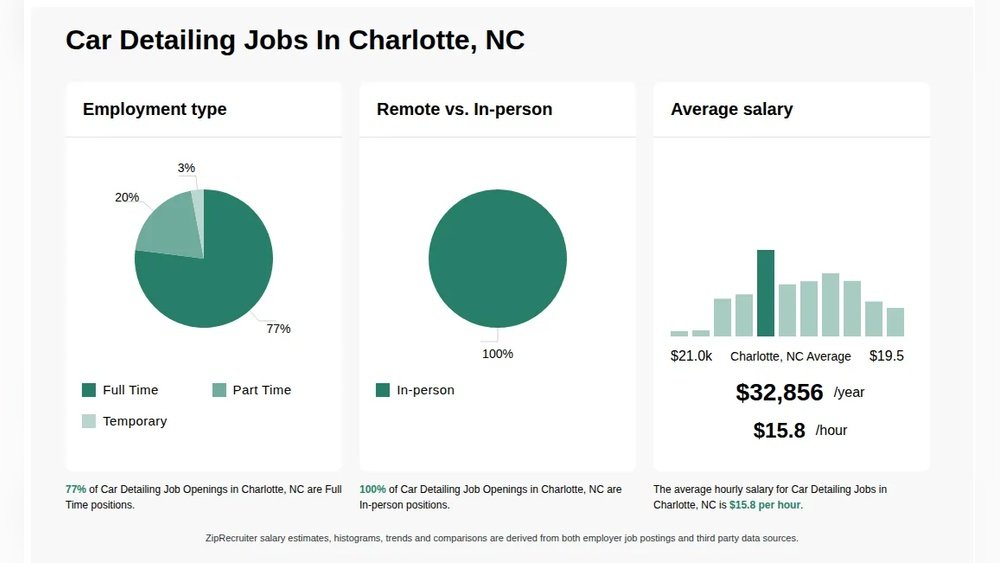
A self-employed car detailer typically earns between $25,000 and $60,000 annually. Earnings vary by location, skills, and clientele.
How Much More Should I Charge As A Contractor Vs. Employee?
Contractors should charge 20-30% more than employees to cover taxes, benefits, and business expenses. Adjust rates based on industry and skill level.
Is It Better To Say Self-employed Or Independent Contractor?
Use “self-employed” to describe your work status generally. Use “independent contractor” for specific freelance or contract roles.
Conclusion
Choosing between independent contractors and employees depends on your car detailing needs. Employees offer stability and control for daily operations. Contractors provide flexibility and specialized skills for short-term projects. Always classify workers correctly to avoid legal problems. Consider costs carefully, including benefits and taxes.
Assess your business goals before deciding. Both options have advantages worth weighing. Your choice shapes your team and business growth.














