
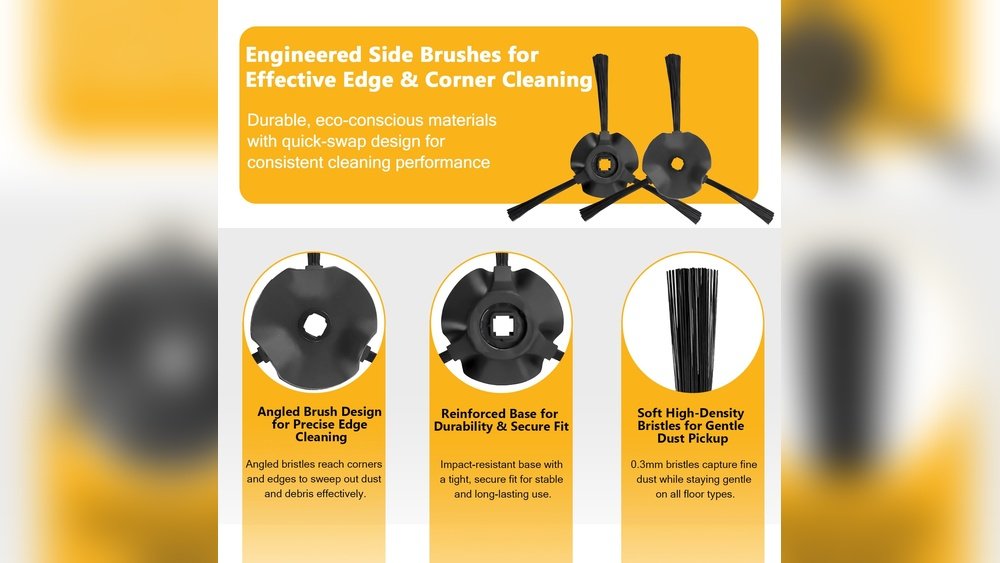
When it comes to cleaning, the details matter—especially the bristles on your brush. Have you ever wondered why some brushes seem to do a better job than others?
The secret often lies in two key factors: bristle density and length. These two elements can dramatically change how effectively your brush removes dirt, dust, or plaque. Understanding how bristle density and length work together can help you choose the right brush for your needs, making your cleaning routine easier and more efficient.
Keep reading to discover how these small differences can lead to big improvements in your cleaning performance.
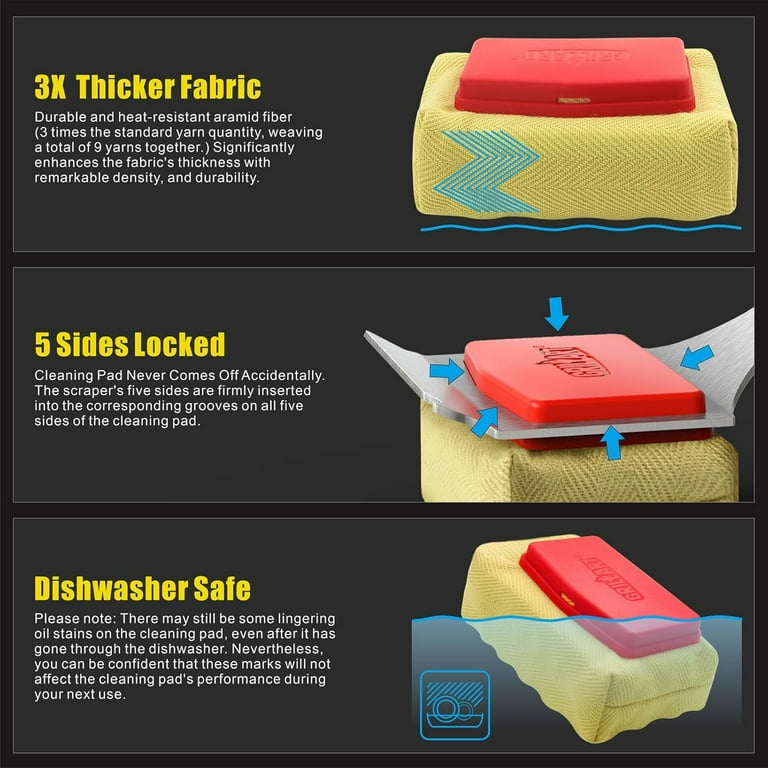
Credit: www.walmart.com
Bristle Density Basics
Bristle density is a key factor in how well a brush cleans surfaces. It refers to the number of bristles packed into a given area on the brush head. This simple feature can change the way a brush interacts with dirt and grime. Understanding bristle density helps in choosing the right brush for different cleaning tasks.
Brushes with different densities behave differently. Some are better for tough scrubbing, while others suit gentle cleaning. Knowing the basics of bristle density improves cleaning results and protects surfaces.
What Density Means
Bristle density means how tightly bristles are placed together. High density means many bristles in a small space. Low density means fewer bristles spread out. The density affects stiffness and the brush’s ability to hold dirt.
Impact On Cleaning Power
Higher density usually means more cleaning power. More bristles touch the surface at once. This allows the brush to remove more dirt quickly. Brushes with low density may miss small particles and need more effort to clean well.
Effect On Surface Contact
Dense bristles create more contact points with the surface. This increases the brush’s grip on dirt and debris. Sparse bristles cover less surface area but can reach into tight spaces better. The choice depends on the cleaning area and type of dirt.

Credit: plantin.alibaba.com
Bristle Length Essentials
Bristle length plays a key role in how well a brush cleans. It affects flexibility, reach, and how the brush holds dirt or debris. Choosing the right length improves cleaning power and efficiency.
Understanding bristle length helps select the best brush for different surfaces and tasks. Each length brings unique benefits to cleaning performance.
Length And Flexibility
Longer bristles bend more easily under pressure. This flexibility helps the brush sweep across uneven surfaces smoothly. Shorter bristles stay firm and provide stronger scrubbing power. The right balance depends on the cleaning job and surface type.
Reach And Coverage
Long bristles reach into tight spaces like corners and crevices. They cover larger areas with each stroke. Short bristles focus on small spots and tough stains. Choosing the right length ensures full coverage without missing dirt.
Holding And Releasing Debris
Long bristles hold dust and debris better during cleaning. They trap particles inside the brush fibers. Short bristles release debris more quickly for easier rinsing. The brush’s use determines which length works best for debris control.
How Density Influences Performance
Bristle density plays a key role in how well a brush cleans. It affects how many bristles touch the surface and how they react under pressure. Understanding density helps choose the right brush for different tasks. Brushes with the right density clean better and last longer.
More Contact Points For Cleaning
Higher bristle density means more bristles packed closely together. This creates many contact points on the surface. More contact points allow the brush to pick up dirt and debris effectively. Dense bristles cover a larger area with each stroke. This leads to faster and more thorough cleaning.
Pressure And Buckling Resistance
Dense bristles support each other better under pressure. This reduces the chance of bristles bending or buckling. Less buckling means the brush can apply firm pressure without losing shape. Firm pressure helps remove tough stains and grime. Brushes with low density tend to bend easily and clean less well.
Suitability For Delicate Surfaces
Low-density brushes have fewer bristles spaced apart. This makes them softer and gentler on surfaces. They cause less scratching or damage to delicate items. Soft brushes are good for cleaning glass, electronics, or painted surfaces. Choosing the right density prevents harm while still cleaning effectively.

Credit: academiaexact.com.br
How Length Affects Efficiency
The length of bristles plays a key role in cleaning efficiency. It affects how the bristles move and reach surfaces. Different lengths suit different cleaning tasks. Short bristles offer strength, while long bristles provide flexibility. Understanding these differences helps choose the right brush for the job.
Flexibility Vs. Firmness
Longer bristles bend easily under pressure. This flexibility allows them to adapt to uneven surfaces. They clean softly without scratching delicate items. Shorter bristles stay firm and resist bending. This firmness helps scrub tough dirt effectively. Choosing the right length balances flexibility and firmness for better cleaning.
Access To Corners And Crevices
Long bristles reach into tight spaces that short bristles cannot. They slide into corners and crevices with ease. This makes them ideal for detailed cleaning jobs. Short bristles may miss dirt in narrow gaps. Longer bristles improve access and remove hidden dust and debris.
Handling Different Debris Sizes
Long bristles sweep larger debris smoothly. Their flexibility lets them lift bigger particles without scattering. Short bristles trap fine dust well due to their firmness. They work best for precision cleaning of small particles. The right bristle length helps handle a range of debris sizes efficiently.
Balancing Density And Length
Balancing bristle density and length is key to effective cleaning. Both factors influence how well a brush performs. The right mix helps achieve strong cleaning power without harming surfaces. Understanding their relationship aids in choosing or designing brushes for different tasks.
Optimizing Cleaning Force
Dense bristles increase the cleaning force by adding more contact points. Shorter bristles tend to be stiffer, applying stronger pressure. This combination removes dirt efficiently on hard surfaces. Longer bristles offer more flexibility but reduce force slightly. Adjusting density and length tunes the brush’s scrubbing power.
Avoiding Surface Damage
High density with short bristles can scratch delicate surfaces. Longer bristles create a softer touch and spread force evenly. Less dense bristles reduce the risk of abrasion. Matching bristle features to surface hardness protects finishes. Proper balance prevents wear while maintaining cleanliness.
Adjusting For Cleaning Tasks
Different tasks require varied bristle setups. For tough grime, dense and short bristles work best. Gentle cleaning calls for longer, less dense bristles. Reaching into corners needs flexible, longer bristles. Adjust density and length based on the job to improve results.
Materials And Design Considerations
The materials and design of bristles play a key role in cleaning performance. Different types of materials affect durability and flexibility. Design patterns influence how well the brush reaches and cleans various surfaces. Understanding these factors helps choose the right brush for specific needs.
Bristle Material Types
Bristles can be made from natural or synthetic materials. Natural bristles, like boar hair, are soft but wear out faster. Synthetic bristles, such as nylon, are durable and resist water damage. Some synthetic bristles are firmer, offering better scrubbing power. The choice depends on the surface and cleaning task.
Shape And Arrangement
Bristle shape affects how dirt is removed. Round-tipped bristles are gentle on surfaces. Flat or angled bristles reach corners and edges better. The arrangement, whether dense or spaced, changes how the brush contacts the surface. Dense bristles cover more area, while spaced bristles avoid clogging.
Zig-zag And Specialty Patterns
Zig-zag patterns improve cleaning by reaching tricky spots. These patterns create more contact points with uneven surfaces. Specialty designs target specific tasks, like removing plaque or scrubbing grout. They enhance the brush’s ability to clean hard-to-reach areas efficiently.
Practical Tips For Choosing Bristles
Choosing the right bristles for your cleaning tools makes a big difference. The density and length of bristles affect how well they clean different surfaces. Picking bristles that fit your needs helps you clean better and faster. Keep these practical tips in mind when selecting bristles for any cleaning task.
Matching Bristles To Surfaces
Hard surfaces need stiff and dense bristles. They remove dirt and grime effectively without bending. Soft or delicate surfaces require softer, less dense bristles. These prevent scratches while still cleaning well. Consider the type of surface first to avoid damage and improve cleaning results.
Considering Cleaning Frequency
Frequent cleaning calls for durable bristles that keep their shape. Dense bristles last longer under constant use. For occasional cleaning, softer bristles may be enough. They are gentler and easier to handle. Choose bristles based on how often you clean to save money and effort.
Personal Comfort And Control
Comfort matters during cleaning. Shorter bristles offer more control and precision. Longer bristles reach tight spots but may bend too much. Find a balance that feels good in your hand. Comfortable bristles reduce fatigue and improve cleaning accuracy.
Common Myths About Bristle Density And Length
Bristle density and length play a key role in cleaning tools. Many ideas about these features are incorrect. Understanding the truth helps you choose the best brush. This section clears up common myths about bristle density and length. It explains how these factors really affect cleaning performance.
More Bristles Always Means Better Cleaning
People often think that more bristles clean better. More bristles do increase contact with the surface. But too many bristles can make the brush stiff. A very dense brush may not reach small gaps. The best cleaning needs a balance between density and flexibility. Quality and design matter more than just the number of bristles.
Longer Bristles Are Always Softer
Longer bristles are not always softer. The material and thickness decide the softness. Sometimes, longer bristles can be stiff and hard to bend. Softness helps clean delicate surfaces without damage. But too soft bristles may not remove tough dirt well. Choose bristle length based on the cleaning task, not just softness.
Harder Bristles Clean Better
Hard bristles do not always clean better. Hard bristles can scratch or damage surfaces. They work well on tough stains and rough surfaces. Soft bristles are better for gentle cleaning and sensitive areas. Effective cleaning depends on the right bristle hardness for the job. Using the wrong bristle can reduce cleaning power or cause harm.
Frequently Asked Questions
How Does Bristle Density Impact Cleaning Efficiency?
Higher bristle density increases contact points, enhancing dirt and plaque removal. Dense bristles apply more cleaning force but may reduce flexibility on delicate surfaces.
What Role Does Bristle Length Play In Cleaning?
Longer bristles offer better reach and flexibility, allowing cleaning in corners and tight spaces. Shorter bristles provide firmer scrubbing for tough stains.
Can Bristle Density Cause Surface Damage?
Very dense bristles can be abrasive and may damage delicate surfaces if used with excessive pressure. Proper density balances cleaning and surface protection.
Why Choose Different Bristle Lengths For Different Tasks?
Long bristles excel at sweeping debris and reaching crevices, while short bristles deliver strong scrubbing action on flat surfaces. Task-specific length improves cleaning results.
Conclusion
Bristle density and length both shape cleaning results significantly. Dense bristles cover more surface and remove dirt better. Longer bristles reach tight spaces and clean deeper areas. Balancing these two factors helps choose the right brush. Too dense or too long can reduce effectiveness.
Understanding this balance improves your cleaning routine easily. Choose brushes that fit your cleaning needs best. Simple changes lead to cleaner surfaces every day. Keep these points in mind for smarter cleaning choices.














