You might wonder, how long can synthetic oil actually sit in your engine before it stops doing its job? Whether you drive every day or only take your car out on weekends, knowing the lifespan of synthetic oil in your engine is key to keeping your vehicle running smoothly.
If oil sits too long, it can lose its protective qualities, but changing it too soon could mean wasted money. You’ll discover exactly how long synthetic oil can stay effective inside your engine, what factors affect its life, and how to decide the best time for an oil change.
Keep reading to protect your engine and get the most out of your synthetic oil.

Credit: ultra1plus.com
Shelf Life Of Synthetic Oil
Synthetic oil is designed to last longer than conventional oil. Knowing its shelf life helps you store and use it properly. The shelf life means how long the oil stays good before it loses its quality. Proper storage extends this time. Poor storage can spoil the oil quickly.
Unopened Bottle Duration
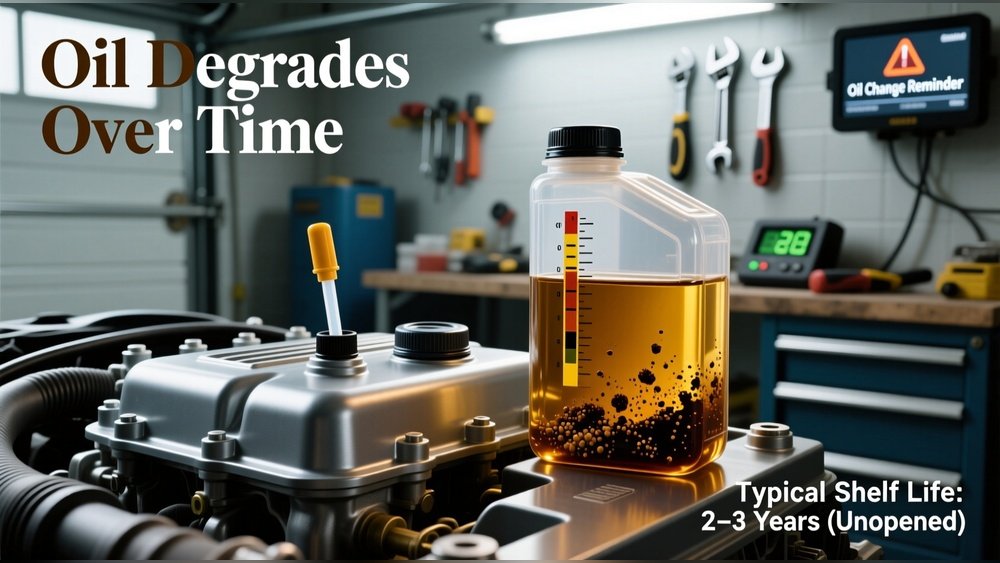
Unopened synthetic oil can last for several years. Most manufacturers say it stays good for five years. The sealed bottle keeps air and moisture out. This prevents the oil from breaking down. Store it in a cool, dry place away from sunlight. Heat and light can reduce its shelf life.
Opened Oil Storage Time
Once opened, synthetic oil should be used within a year. Exposure to air can cause oxidation. This changes the oil’s properties and reduces performance. Keep the bottle tightly closed after use. Store it in a clean, dry place to avoid contamination. Using old opened oil can harm the engine.
Factors Affecting Shelf Life
Several factors influence synthetic oil’s shelf life. Temperature plays a big role. High heat speeds up oil degradation. Humidity and moisture can cause oil to break down faster. Exposure to air leads to oxidation. Contaminants like dirt or water also reduce oil quality. Always check the oil’s appearance and smell before use.

Credit: oilchangers.com
Engine Storage Considerations
Storing an engine for a long time needs careful thought about the oil inside. Synthetic oil protects engines well during use. But when the engine sits idle, several factors affect how the oil performs. Understanding these can help keep the engine safe during storage.
Proper engine storage prevents damage and keeps the oil effective. Let’s explore key points about engine storage and synthetic oil.
Impact Of Infrequent Use
Engines not used often face special challenges. Oil circulation stops, reducing its ability to protect. Without regular running, oil can settle and lose some of its protective qualities. This makes parts inside the engine vulnerable to wear when restarted.
Starting the engine occasionally helps keep the oil spread and active. This simple step extends the oil’s life during storage.
Oil Degradation In Idle Engines
Oil breaks down over time, even without use. Heat, air, and chemicals inside the engine affect oil quality. Synthetic oil lasts longer than conventional oil but still degrades. This degradation reduces lubrication and increases engine wear risks.
Oil degradation happens faster if the engine is stored in a hot place. Cooler storage slows the breakdown process and keeps oil effective longer.
Moisture And Contaminant Buildup
Engines that sit idle often collect moisture inside. Moisture can mix with oil and form sludge or rust. Contaminants from the environment also enter and pollute the oil. These build-ups harm engine parts and reduce oil efficiency.
Sealing the engine and storing it in a dry place limits moisture and contaminants. Using a fresh oil change before storage can also protect the engine better.
Recommended Oil Change Intervals
Knowing the recommended oil change intervals helps keep your engine healthy. Synthetic oil lasts longer than conventional oil, but it still needs regular changes. Following proper intervals prevents engine wear and keeps performance steady.
Mileage-based Guidelines
Synthetic oil usually lasts between 7,500 and 10,000 miles. Some high-quality oils can go up to 15,000 miles before needing a change. Driving conditions like stop-and-go traffic or towing reduce this range. Checking mileage is an easy way to track when to change oil.
Time-based Guidelines
Even if mileage is low, changing synthetic oil every 6 to 12 months is wise. Oil breaks down over time due to moisture and contaminants. Long periods without driving allow dirt and water to build up in the oil. Regular time-based changes help avoid engine damage.
Manufacturer Recommendations
Your vehicle’s manufacturer provides the best oil change advice. The owner’s manual shows the right interval for your engine and oil type. Some cars require more frequent changes due to engine design. Always follow these instructions to keep your warranty valid.
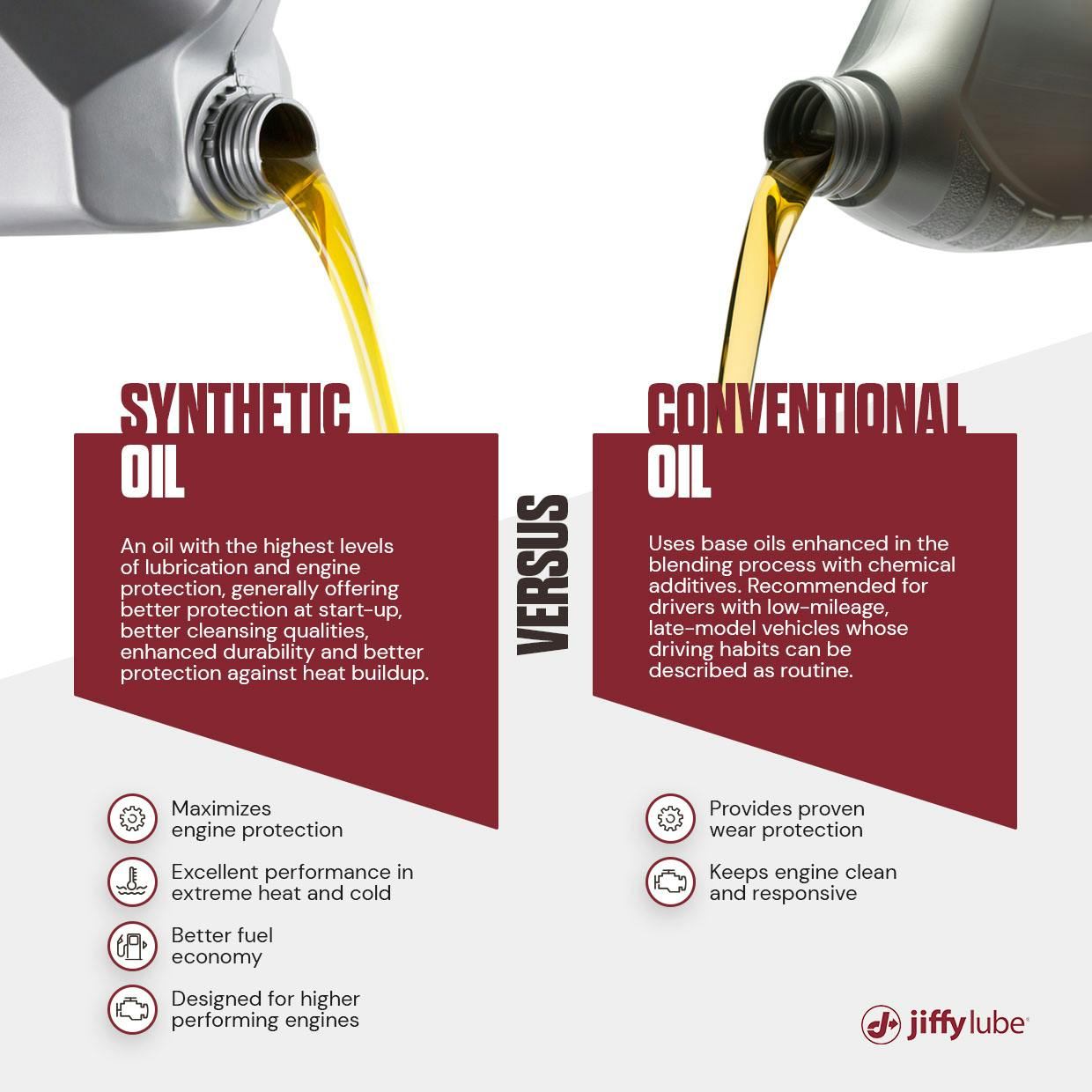
Credit: www.jiffylube.com
Driving Conditions Affecting Oil Life
Driving conditions play a major role in how long synthetic oil lasts inside an engine. Different styles of driving and engine types affect oil life. Understanding these factors helps maintain engine health and performance.
Aggressive Vs. Normal Driving
Aggressive driving means rapid acceleration, hard braking, and high speeds. This puts more stress on the engine and oil. Synthetic oil breaks down faster under these conditions. Normal driving with steady speeds and gentle acceleration helps oil last longer. Engines running hard need oil changes more often.
Short Trips And Frequent Starts
Short trips and many starts cause more engine wear. The engine does not reach full operating temperature. This leads to moisture and fuel contamination in the oil. Synthetic oil degrades quicker due to these contaminants. Longer drives allow the oil to heat up and clean the engine better.
High-performance Engines
High-performance engines run hotter and at higher RPMs. They create more pressure on synthetic oil. Turbocharged or sports engines need oil that can handle extreme conditions. Synthetic oil in these engines loses effectiveness faster. Regular oil checks and changes are critical for performance and longevity.
Signs To Replace Synthetic Oil
Recognizing the signs to replace synthetic oil helps protect your engine. Synthetic oil does not last forever inside the engine. Over time, it breaks down and loses its ability to lubricate properly. Detecting these signs early prevents engine damage and maintains performance. Here are key indicators to watch for.
Visual Indicators
Check the oil’s color and texture through the dipstick. Fresh synthetic oil is amber and clear. Dark or black oil shows contamination or oxidation. Thick, sludgy oil means it needs replacement. Look for metal particles or debris, which signal engine wear. Also, oil that smells burnt or sour is no longer effective.
Performance Symptoms
Notice any changes in engine behavior. Engine knocking or unusual noises can mean poor lubrication. Reduced fuel efficiency often links to degraded oil. The engine may run hotter than usual. Increased exhaust smoke is another warning. Rough idling or stalling may also happen when oil ages.
Oil Analysis Tests
Oil analysis provides detailed insight into oil condition. It measures contaminants, metal particles, and additives. Testing helps predict oil life and engine wear. Many service centers offer this test with oil changes. Regular analysis extends engine life by guiding timely oil changes.
Storing Synthetic Oil Properly
Proper storage of synthetic oil extends its shelf life and maintains its quality. Storing synthetic oil correctly prevents damage and contamination. This ensures the oil performs well when added to your engine. Understanding key storage tips helps keep synthetic oil fresh and effective.
Ideal Storage Environment
Store synthetic oil in a cool, dry place. Keep it away from direct sunlight and heat sources. A stable environment prevents oil breakdown. Avoid places with high humidity to reduce moisture exposure. Use sealed containers to protect the oil from air and dust.
Avoiding Contamination
Keep oil containers tightly closed when not in use. Dirt and water can spoil synthetic oil quickly. Use clean funnels and tools when pouring oil. Never mix old oil with fresh oil. Contaminants reduce oil performance and can harm your engine.
Temperature Effects
Extreme temperatures can change synthetic oil properties. Heat speeds up oil degradation and reduces shelf life. Cold temperatures may cause thickening but usually do not harm the oil. Avoid freezing or very hot storage areas. Maintain a moderate temperature for best results.
Myths About Synthetic Oil Longevity
Synthetic oil has many myths about its longevity. People often confuse how long it lasts in the engine. Some believe it can sit forever without damage. Others think it must be changed too often. These myths can cause wrong oil care and engine problems.
Understanding the truth about synthetic oil helps keep engines healthy. It also saves money by avoiding unnecessary oil changes. Let’s clear up common misunderstandings about synthetic oil life.
Expired Oil Safety
Expired synthetic oil can still be safe to use in many cases. Oil has additives that break down over time. This reduces its effectiveness. But a small shelf life expiration does not mean it is harmful. Using expired oil might reduce engine protection but usually won’t cause damage. Always check the oil’s appearance and smell. Dark or foul-smelling oil should be discarded.
Misconceptions On Oil Change Frequency
Many think synthetic oil must be changed very often. Synthetic oil lasts longer than conventional oil. It protects the engine for more miles and time. Changing it too early wastes oil and money. Vehicle manuals give the best oil change intervals. Driving conditions like short trips or heavy loads affect oil life. Regular checks help decide if an oil change is needed.
Shelf Life Vs. Usage Life
Shelf life is how long oil can sit unused. Usage life is how long oil lasts inside the engine. Shelf life depends on storage conditions like temperature and container seal. Usage life depends on engine heat, driving style, and oil quality. Oil may sit on shelves for years but only protects the engine for a set time. Know the difference to manage oil properly.
Conclusion
Synthetic oil can sit in an engine for about one year safely. After that, moisture and dirt may reduce its quality. Driving habits and engine type affect how long oil lasts. Always check your owner’s manual for the best advice.
Regular oil changes keep your engine healthy and running smooth. Don’t wait too long to replace old oil. Clean oil protects engine parts and improves performance. Keep an eye on oil condition to avoid costly repairs. Good maintenance helps your car last longer and saves money.