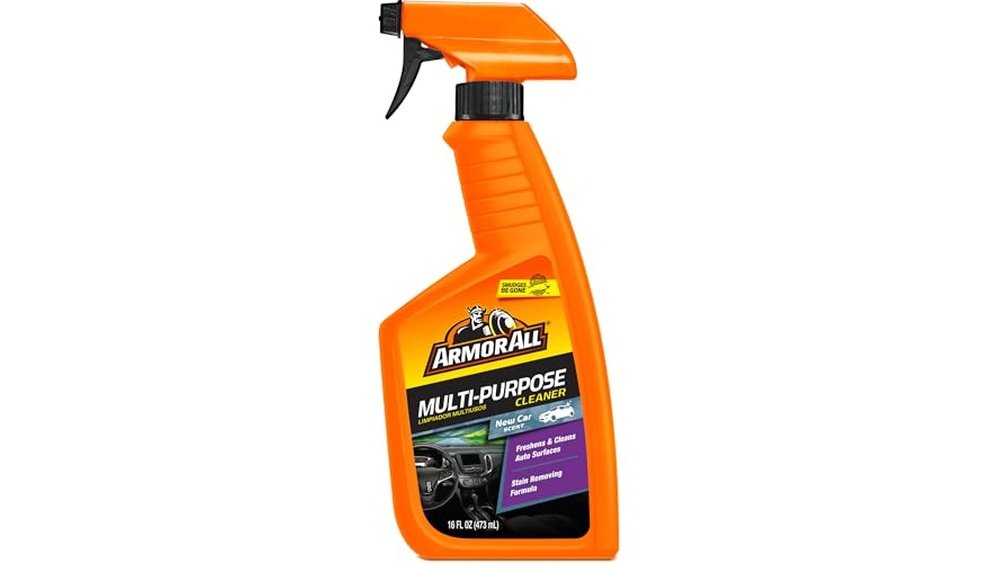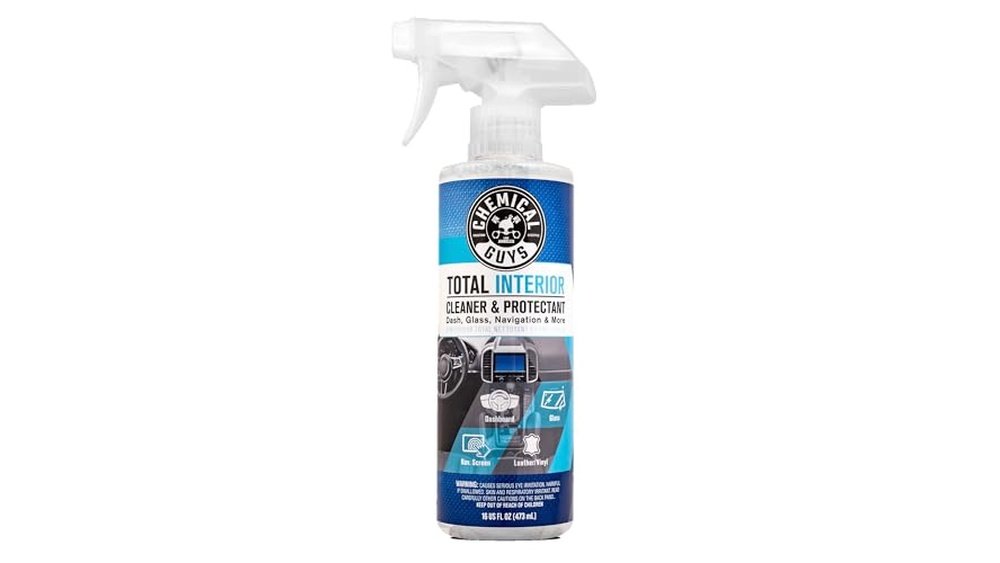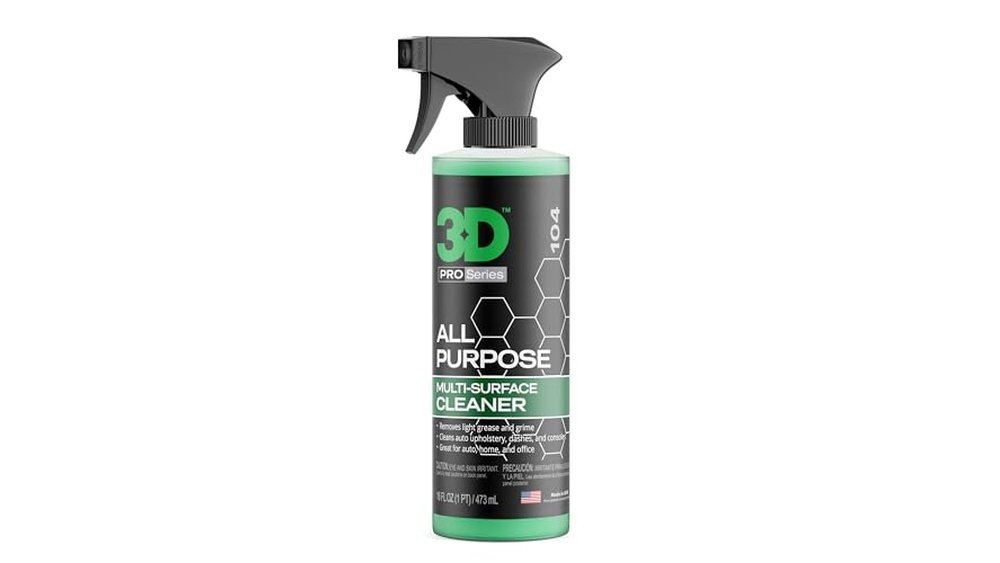
You want your car to look its best and stay protected from the harsh elements. Waxing is one of the easiest ways to achieve that glossy shine and keep your paint safe.
But how many coats of wax should you actually put on your car? Is one enough, or will multiple layers give you better results? Applying too little wax might leave your paint vulnerable, while overdoing it can cause streaks and make buffing a hassle.
You’ll discover the ideal number of wax coats for your car, how to apply them correctly, and tips to get the most out of every layer. Keep reading to learn how to make your car’s finish shine brighter and last longer!
Wax Coating Basics
Wax coating forms a protective layer on your car’s paint. It shields the surface from dirt, water, and harmful UV rays. Understanding the basics helps you know how many coats to apply. Each coat adds to the protection and shine, but too many can cause problems. Let’s explore the benefits of waxing and the types of wax available.
Benefits Of Waxing
Waxing protects your car’s paint from damage caused by sun and rain. It creates a smooth surface that repels water and dirt. This makes cleaning easier and keeps your car looking fresh. Wax also adds a glossy shine that enhances your car’s appearance. Regular waxing helps maintain the paint and increases its lifespan.
Types Of Wax
There are natural and synthetic waxes. Natural waxes, like carnauba, give a deep, warm shine. They protect well but may wear off faster. Synthetic waxes last longer and offer strong protection. Some products combine both types for balance. Choose a wax based on your needs and how often you want to apply it.
Credit: malcoautomotive.com
Ideal Number Of Coats
Applying wax to your car enhances its shine and protects the paint. Finding the ideal number of coats ensures the best results without wasting product. Too few coats might leave your car vulnerable, while too many can cause buildup and streaks. Understanding how many layers to apply can improve the look and durability of your car’s finish.
One Coat Effects
One coat of wax offers basic protection against dirt and moisture. It adds a subtle shine and helps repel water. This single layer is quick to apply and works well for recent wax jobs. However, the protection fades faster and may not shield against strong sunlight or harsh weather.
Two Coats Advantages
Two coats provide better coverage and longer-lasting defense. The second layer fills in small gaps missed by the first coat. It enhances the shine, making the paint look deeper and richer. This level of waxing is ideal for regular maintenance and keeps the car looking fresh for weeks.
Beyond Three Coats
Applying more than three coats usually brings little benefit. Extra layers can create a thick film that is hard to buff off. This buildup may cause streaks or hazing, reducing the wax’s effectiveness. Most experts recommend stopping at two or three coats for the best balance of shine and protection.
Applying Wax Properly
Applying wax properly is key to protecting your car’s paint and enhancing its shine. A good wax job requires care and attention to detail. Each step, from preparation to application, affects the final look and durability. Follow simple methods to get the best results. This section breaks down the process into easy parts.
Preparation Steps
Start by washing your car thoroughly. Remove dirt and grime to avoid scratches. Dry the surface completely using a soft cloth. Check for paint damage or imperfections. Clay bar treatment can help remove embedded contaminants. Make sure the car is cool and parked in shade. Avoid applying wax under direct sunlight or on hot surfaces.
Application Techniques
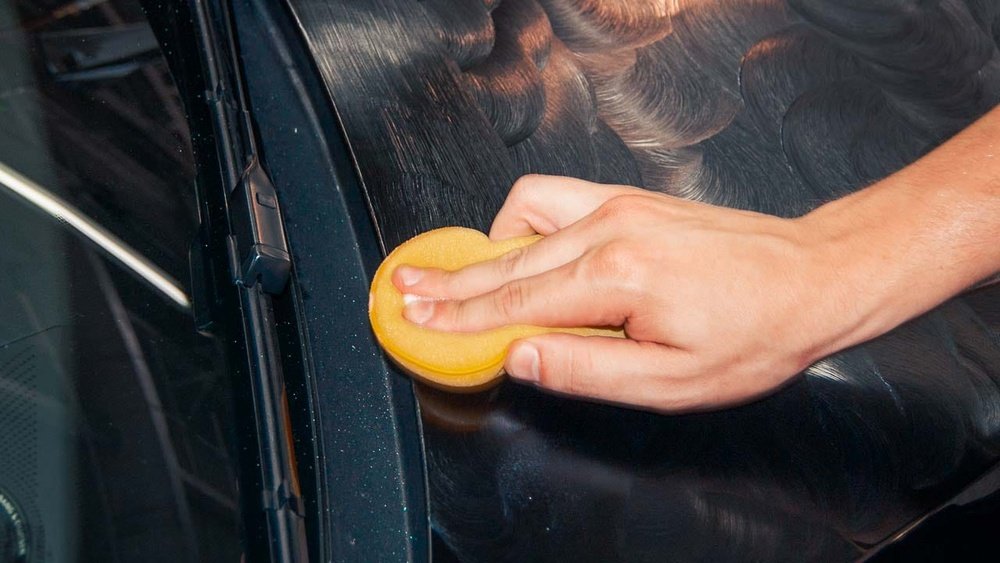
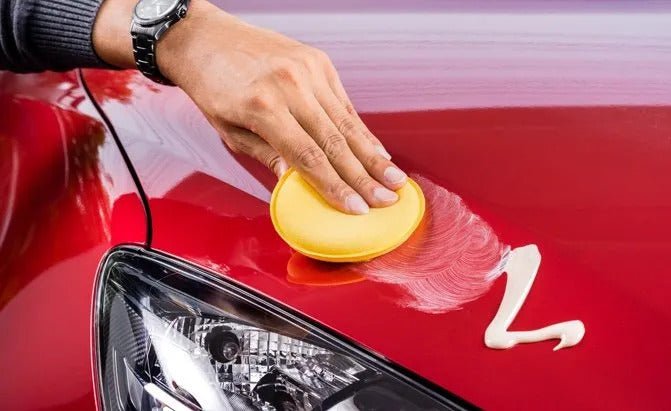
Use a foam applicator or microfiber cloth for waxing. Apply wax in small, circular motions. Work on one panel at a time for even coverage. Apply thin layers to prevent streaks and haze. Let the wax dry until it looks hazy or dull. Follow the product instructions for drying time. Buff off the wax gently with a clean microfiber towel. Use light pressure to avoid scratching the paint.
Thickness And Coverage
Apply wax thinly and evenly. Too much wax makes buffing harder and leaves residue. One coat provides good protection for daily driving. Two coats increase depth and durability of the shine. Three coats may help in extreme weather or for show cars. Avoid more than three coats to prevent buildup. Allow each coat to cure fully before applying the next. Thin layers dry faster and bond better to the paint.
Timing Between Coats
Timing between wax coats is crucial for the best results. Applying a second coat too soon can cause streaks or uneven shine. Waiting the right amount of time lets the wax dry and bond properly. This step ensures maximum protection and a smooth finish. Let’s explore the key points about timing between coats.
Drying And Curing Times
Each wax type has its own drying and curing time. Carnauba wax usually dries faster than synthetic sealants. Thin layers dry quicker, so avoid thick coats. Most waxes need 10 to 30 minutes to dry before buffing or adding another coat. Check product instructions for exact times. Proper drying helps the wax seal well and last longer.
Environmental Influences
Temperature and humidity affect wax drying times. Warm, dry weather speeds up curing. Cold or humid conditions slow the process down. Avoid waxing in direct sunlight or on hot surfaces. Shade and moderate temperatures give better results. Adjust your timing based on the environment for a flawless finish.
Using The Swipe Test
The swipe test is a simple way to check wax readiness. Lightly swipe a clean finger across the waxed area. If the wax wipes away cleanly without smearing, it is ready. If it smears or feels sticky, wait longer. This test helps decide when to buff off or apply the next coat. Use it to avoid mistakes and get a perfect shine.
Common Mistakes To Avoid
Waxing your car is a great way to keep it shiny and protected. But some common mistakes can spoil the results. Avoiding these errors helps you get the best finish and extend the life of your wax. Learn what to watch out for to keep your car looking great.
Applying Too Much Wax
Using too much wax is a common mistake. Thick layers take longer to dry and become difficult to buff. Excess wax can cause streaks and hazing on your paint. Apply thin, even coats for a smooth finish. Two to three coats are usually enough for good protection.
Waxing Over Unprepared Surfaces
Wax won’t stick well to dirty or wet surfaces. Always wash and dry your car before waxing. Remove any old wax or polish to avoid trapping dirt. Waxing over rough or damaged paint can make flaws more visible. Prepare the surface carefully for the best results.
Ignoring Reapplication Signs
Wax protection fades over time. Look for signs like water not beading or the surface feeling dull. These show that the wax layer is wearing off. Reapply wax as needed, usually every few months. Regular checks keep your car protected and shiny longer.
Credit: ethoscarcare.com
Wax Maintenance Tips
Proper wax maintenance keeps your car’s paint looking fresh and shiny. Regular care extends the protection wax offers against dirt and weather. Simple steps help maintain the wax’s effectiveness and keep your car bright.
Follow these tips to get the most from your wax application and protect your car longer.
When To Reapply Wax
Check your car’s surface every few weeks for dullness or water spots. These signs mean the wax is wearing off. Most cars need wax reapplied every three months. In harsh weather, apply wax more often to protect the paint.
Cleaning Before Waxing
Always clean your car before waxing. Dirt and grime can trap under the wax and damage paint. Use a gentle car wash soap and rinse well. Dry the car completely to avoid water spots under the wax.
Buffing For Best Shine
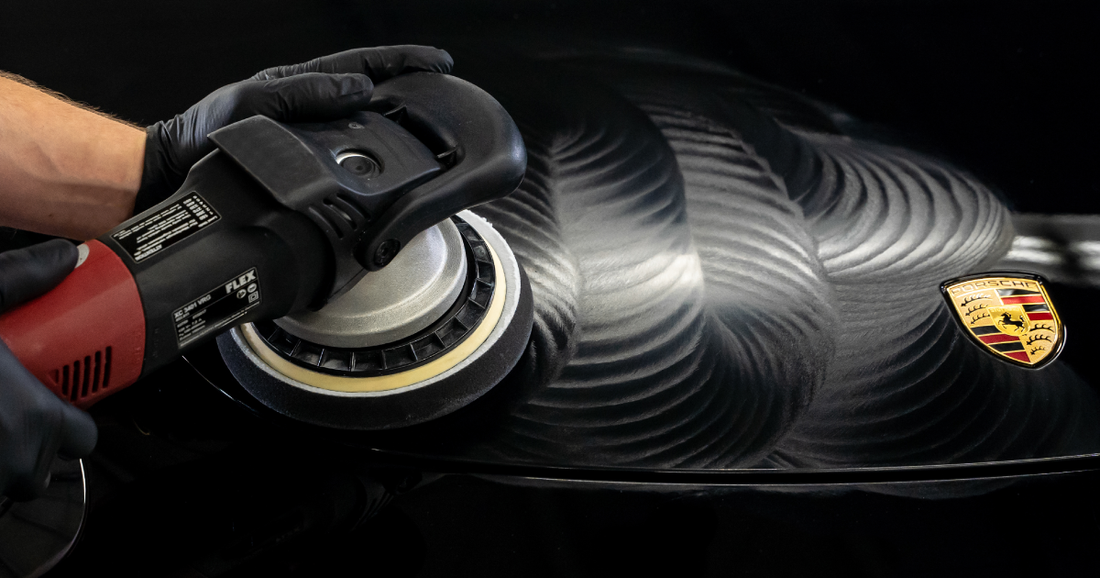
Buff the wax after it dries to a haze. Use a soft microfiber cloth for gentle polishing. Buffing removes excess wax and brings out the shine. Work in small sections for an even, glossy finish.
Credit: www.drbeasleys.com
Frequently Asked Questions
How Many Layers Of Wax Should You Put On A Car?
Apply one to two thin coats of wax for optimal protection and shine. More than three coats can cause streaks and complicate buffing.
Should You Wax Your Car Twice?
Waxing your car twice provides better coverage, deeper shine, and enhanced protection. Avoid more than three coats to prevent streaks and difficult buffing. Apply thin, even layers and allow proper drying between coats for the best results.
Can You Wax Over Wax On A Car?
Yes, you can wax over existing wax. Apply one to two thin coats for best shine and protection. Avoid excess layers to prevent hazing and difficult buffing.
How Long Between Coats Of Wax?
Wait 20 to 30 minutes between wax coats, or until the wax feels dry but not sticky. Thin coats dry faster.
Conclusion
Applying two to three coats of wax offers the best protection and shine. One coat protects well, but a second coat ensures full coverage. A third coat can deepen the shine without causing problems. Avoid adding too many layers, as it may cause streaks and make buffing harder.
Always let each coat dry properly before applying the next. This simple routine keeps your car looking great and well-protected. Waxing regularly helps maintain your car’s paint and finish over time. Keep it easy and enjoy a glossy, smooth surface.