
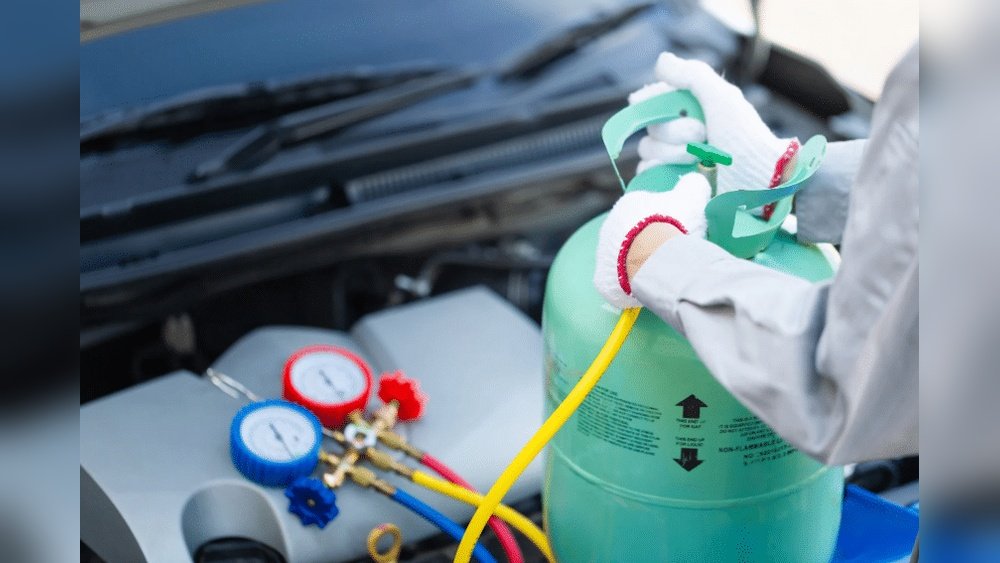
Is your car’s air conditioning not blowing as cold as it used to? You might be wondering, how often should your car’s AC be recharged?
Unlike oil changes or tire rotations, recharging your car’s AC isn’t something that needs to happen regularly—unless there’s a leak or another issue. But how can you tell when it’s time? Understanding the signs and the right timing for an AC recharge can save you from discomfort on hot days and costly repairs down the road.
Keep reading to find out exactly when and why you should consider recharging your car’s AC system.
Ac Recharge Frequency
Car air conditioning systems keep you cool during hot days. Over time, the AC refrigerant can leak or lose pressure. This loss reduces cooling efficiency. Knowing how often to recharge your car’s AC helps maintain comfort. Regular checks and timely recharges keep the AC working well.
Typical Recharge Intervals
Most car AC systems need a recharge every 2 to 4 years. This depends on the car model and usage. Some newer cars hold refrigerant longer and need fewer recharges. Older cars or those used in hot climates may need more frequent recharges. Regular inspection helps catch any decline early.
Factors Influencing Recharge Needs
Leaks in the AC system cause refrigerant loss and need recharging. Frequent use of the AC can also lower refrigerant levels. Driving in dusty or rough areas may increase wear on the system. Poor maintenance, like not cleaning filters, reduces AC performance. Professional checks find problems before they worsen.
Signs Your Ac Needs Recharging
Your car’s air conditioning system needs regular attention to keep it working well. Knowing the signs that your AC needs recharging helps avoid discomfort during hot days. Watch for changes in how your AC cools, strange sounds, or visible leaks. These signs show that the refrigerant is low and recharging is necessary.
Reduced Cooling Performance
One clear sign is when the AC does not cool the air as before. The air might feel warm or less cold. It takes longer to cool the car’s interior. Low refrigerant causes the compressor to work harder and less efficiently. Notice if the AC blows weak air or stops cooling altogether.
Unusual Noises And Odors
Listen for strange sounds when the AC runs. Rattling, hissing, or grinding noises may mean low refrigerant or other issues. Also, bad smells from the vents can indicate mold or leaks in the system. These odors often come with moisture buildup caused by poor cooling. Addressing these sounds and smells helps keep your AC healthy.
Visible Leaks And Moisture
Check under your car for wet spots or puddles after using the AC. Refrigerant leaks can appear as oily residue on AC parts. Moisture inside the cabin or on windows may also show a problem. These leaks reduce the refrigerant level, hurting the AC’s performance. Spotting leaks early prevents bigger damage and costly repairs.
How Ac Systems Work
Understanding how car AC systems work helps to know why recharging is needed. The air conditioning system cools the car by moving heat from inside to outside. It uses a special fluid called refrigerant that absorbs heat and turns it into cool air. The system works in a loop, keeping the car interior comfortable during hot weather.
Closed System Basics
Car AC systems operate as closed loops. The refrigerant moves through pipes and components without escaping. The system includes a compressor, condenser, expansion valve, and evaporator. The compressor presses the refrigerant, turning it into a hot gas. This gas travels to the condenser, where it cools down and becomes a liquid. The liquid refrigerant then passes through the expansion valve, reducing its pressure. Finally, it reaches the evaporator inside the car, absorbing heat and cooling the air.
Role Of Refrigerant
Refrigerant is key to the car AC system. It absorbs heat from the car cabin and releases it outside. This fluid changes state from gas to liquid and back during the cycle. Proper refrigerant levels keep the AC working efficiently. Low refrigerant causes weak cooling or system damage. Over time, small leaks or wear can reduce refrigerant levels. Recharging the refrigerant restores the system’s ability to cool the car.

Credit: aquashinecarwash.com
Common Causes For Recharge
Car air conditioning systems lose refrigerant over time. This loss reduces cooling efficiency. Understanding common causes helps maintain your car’s AC. Recognizing these issues can prevent unexpected failures. Here are the main reasons why your car’s AC might need recharging.
Natural Refrigerant Loss
Refrigerant naturally escapes through tiny pores in AC components. This slow loss happens even in well-maintained systems. It reduces the cooling power gradually. Most cars lose a small amount of refrigerant each year. Regular checks help spot this before cooling weakens.
Leaks And System Damage
Leaks cause significant refrigerant loss quickly. They often come from worn seals or cracked hoses. Damage can occur from road debris or accidents. Leaks stop the AC from working properly. Repairing leaks is essential before recharging the system.
Age And Wear
Older cars lose refrigerant more often. Parts wear out and seals become brittle with time. The AC system ages like any other car component. Older systems require more frequent recharges to stay cool. Regular maintenance extends the life of the AC.
Recharge Process Explained
The car air conditioning (AC) recharge process restores the cooling power of your vehicle’s AC system. Over time, refrigerant leaks or natural loss reduce the AC’s ability to cool effectively. Recharging adds the right amount of refrigerant to keep the system working well. Understanding the recharge steps helps you know what happens during the service and why it matters.
Tools And Equipment Used
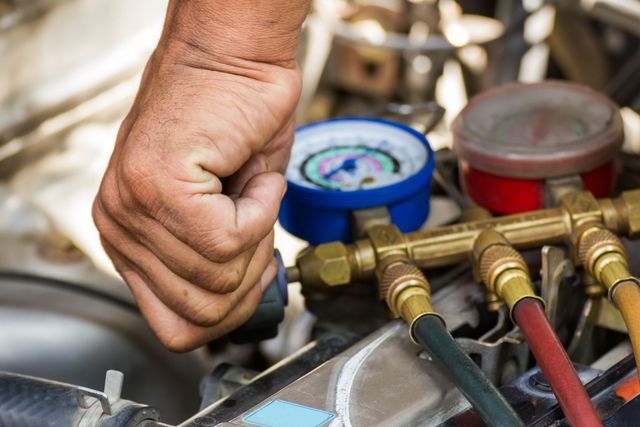
Technicians use specific tools to recharge a car’s AC system. A refrigerant recovery machine captures old refrigerant safely. A vacuum pump removes air and moisture from the system. A manifold gauge set measures pressure and helps add refrigerant precisely. Refrigerant tanks supply the correct type and amount of gas. Leak detectors find any leaks before recharging. Proper tools ensure a safe and efficient recharge.
Step-by-step Recharge Procedure
First, the technician checks the AC system for leaks. This prevents refrigerant loss after recharge. Next, they connect the vacuum pump to remove air and moisture. This step protects the AC components from damage. After vacuuming, the technician attaches the manifold gauges. They then add the correct refrigerant amount based on the car’s specifications. The system is tested for proper cooling and pressure. Finally, the technician disconnects all tools and cleans the area. The car is ready with a fully charged AC system.
Maintenance Tips To Extend Ac Life
Keeping your car’s air conditioning system in good shape helps it last longer and work better. Simple maintenance steps stop small problems from turning into costly repairs. These tips help you save money and stay cool on hot days.
Regular Inspections
Check your car’s AC system regularly, at least once a year. Look for unusual noises or weak airflow. These signs show the AC might need attention. Have a professional inspect the system to find hidden issues. Early checks prevent major breakdowns and keep the system efficient.
Leak Prevention
Leaks cause the AC to lose refrigerant, making it less effective. Watch for oily spots or wet areas under your car. These spots often mean a leak. Fix leaks quickly to avoid recharging the system too often. Use sealants or replace damaged parts to keep refrigerant inside.
Proper Usage Habits
Turn on the AC system before driving on hot days. This helps cool the car faster and reduces strain. Avoid running the AC at maximum power for long periods. Use the recirculate mode to keep cooled air inside the car. Proper use lowers wear and extends the AC’s life.
When To Seek Professional Help
Knowing when to seek professional help for your car’s AC recharge is crucial. Some problems are simple, but others need expert care. Acting at the right time can save money and prevent bigger issues. This section guides you on when to call an AC professional.
Diagnosing Complex Issues
Car AC problems often hide beneath simple symptoms. Low cooling might mean a refrigerant leak or compressor failure. Professionals use special tools to find exact causes. They check pressure levels and system components carefully. DIY fixes might miss serious faults. A proper diagnosis ensures the right repair and long-term comfort.
Cost Considerations
Professional AC service costs vary by problem size. Minor recharge jobs usually cost less. Major repairs like compressor replacement cost more. Consider repair cost versus car value before repair. Sometimes, repeated fixes suggest a larger issue. Paying for expert service can avoid repeated expenses. It also protects your car’s cooling system.
Warranty And Service Plans
Many new cars come with AC system warranties. Service plans may cover recharge and repairs. Check your car’s warranty before attempting self-service. Using authorized service keeps warranty valid. Professionals know warranty rules and use proper parts. This ensures you get full coverage and quality repairs.

Credit: aquashinecarwash.com
Environmental Impact Of Ac Recharge
Car air conditioning systems rely on refrigerants to cool the air. These refrigerants can affect the environment if released. Leaking or improper disposal of these gases harms the ozone layer. They also contribute to global warming by trapping heat in the atmosphere.
Frequent recharging of car AC systems may increase the risk of refrigerant leaks. Careful handling and proper maintenance reduce these risks. Understanding the types of refrigerants and regulations helps protect the environment.
Refrigerant Types And Regulations
Older car AC systems used refrigerants like R-12, which damage the ozone layer. Today, most vehicles use R-134a, which is less harmful but still a greenhouse gas. Newer regulations are phasing out R-134a due to its environmental impact.
Car manufacturers now adopt R-1234yf, a refrigerant with a lower global warming potential. Laws require certified technicians to handle refrigerants safely. These rules limit leaks and control emissions during recharge and repair.
Eco-friendly Alternatives
Eco-friendly refrigerants reduce harm to the environment. Natural refrigerants like CO2 and hydrocarbons are gaining popularity. They offer better energy efficiency and lower environmental risks.
Using these alternatives helps lower the carbon footprint of car AC systems. Proper recycling and recovery of refrigerants also protect the atmosphere. Choosing eco-friendly options supports cleaner air and a healthier planet.
Credit: www.allcarshopinc.com
Conclusion
Car A/C systems rarely need recharging unless a leak exists. Regular checks help spot low refrigerant early. Keeping the system sealed maintains cool air inside. If the air feels warm or weak, it might be time. Professionals can test and recharge your A/C properly.
Avoid waiting too long to prevent bigger repairs. Simple care extends your car’s A/C life. Stay comfortable on every drive with timely maintenance.














