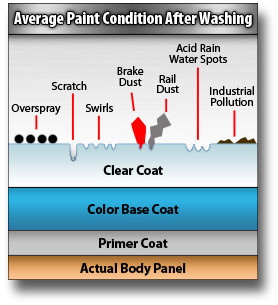
If you want your car to look its absolute best, claying your paint is a game-changer you shouldn’t skip. You might think this process is complicated or only for pros, but claying your car is actually simple and incredibly effective.
It removes stubborn dirt, grime, and contaminants that washing alone can’t handle, leaving your paint smooth and ready to shine. By following a few easy steps, you’ll bring out your car’s true color and protect it better with wax or sealant afterward.
Keep reading, and you’ll learn exactly how to clay bar your car safely and like a pro—even if you’ve never tried it before.
Preparing Your Car
Proper preparation is key before using a clay bar on your car. It helps the clay bar work effectively and protects your paint. Taking time to prepare your car ensures a smooth, clean surface for claying.
Follow these simple steps to get your car ready for the clay bar treatment.
Wash And Dry
Start by washing your car thoroughly with car shampoo and water. This removes loose dirt, dust, and grime that can scratch the paint during claying. Use a soft sponge or mitt to avoid damage.
After washing, dry the car completely with a microfiber towel. Any water left on the surface can mix with the clay and cause scratches. Make sure the paint feels cool and dry before moving on.
Choose A Shaded Area
Work in a shaded spot, away from direct sunlight. Sunlight heats the paint and can cause the clay lubricant to dry too fast. This makes the clay bar less effective and increases the risk of marks.
A shaded area helps keep the surface cool and allows the clay bar to glide smoothly. It also prevents water spots and streaks while you work on your car.
Credit: www.detailedimage.com
Selecting Clay Bar And Lubricant
Selecting the right clay bar and lubricant is key to a smooth and safe claying process. Both tools work together to remove dirt and contaminants from your car’s paint without causing damage. Choosing the correct type of clay bar and lubricant ensures effective cleaning and protects your car’s finish.
Types Of Clay Bars
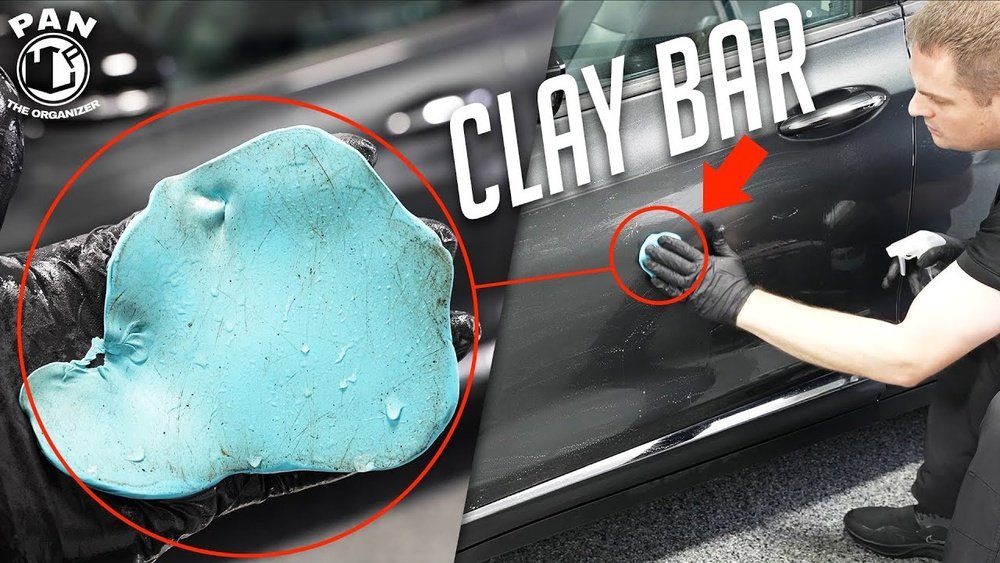
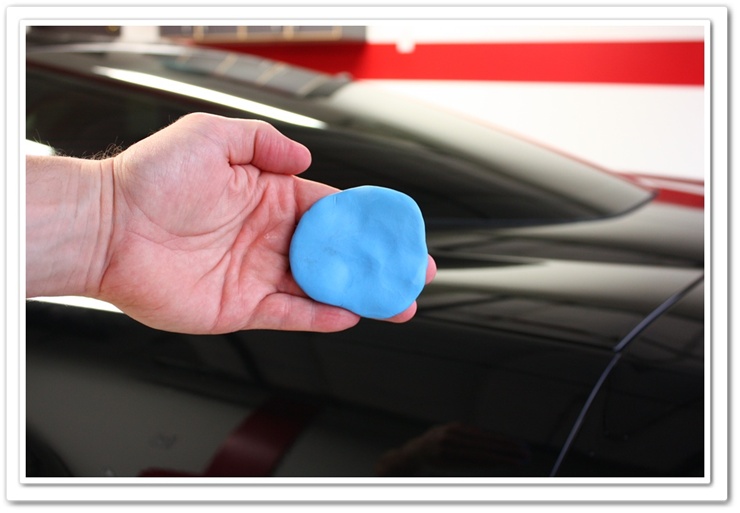
Clay bars come in different grades based on their level of abrasiveness. Light or fine clay bars suit regular maintenance and gentle cleaning. Medium clay bars remove more stubborn contaminants but still stay safe on most paint. Heavy or aggressive clay bars target very tough dirt and industrial fallout. Use these only if your car’s paint is very rough or neglected. Some clay bars come as bars, others as putty, making them easier to break off and use smaller pieces. Always knead the clay before use to soften it and avoid scratching.
Best Lubricants To Use
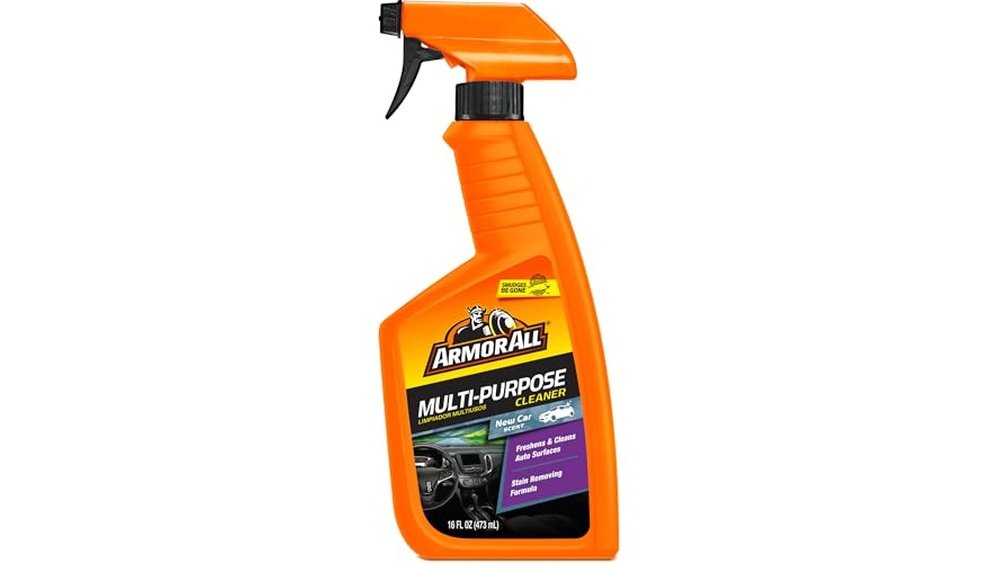
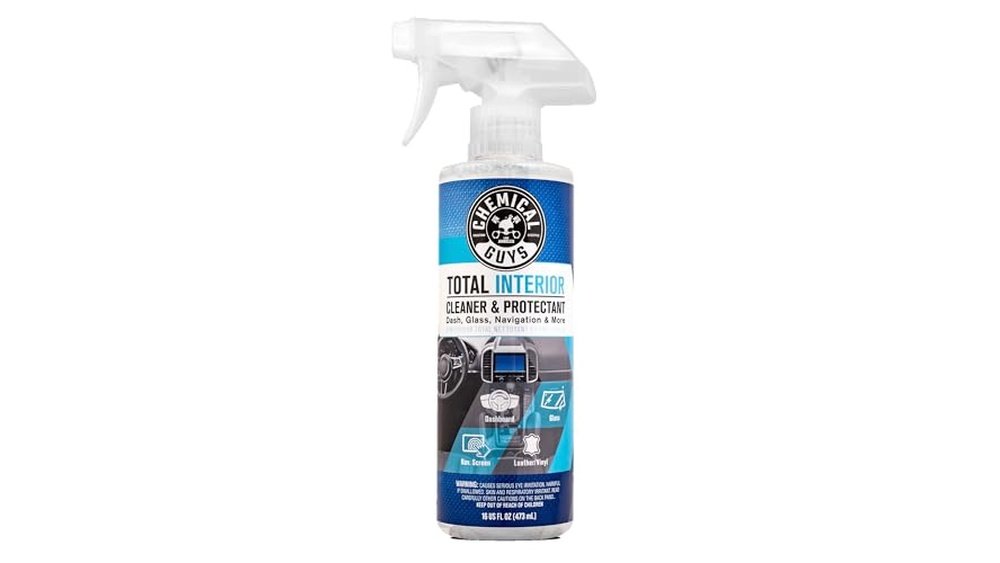
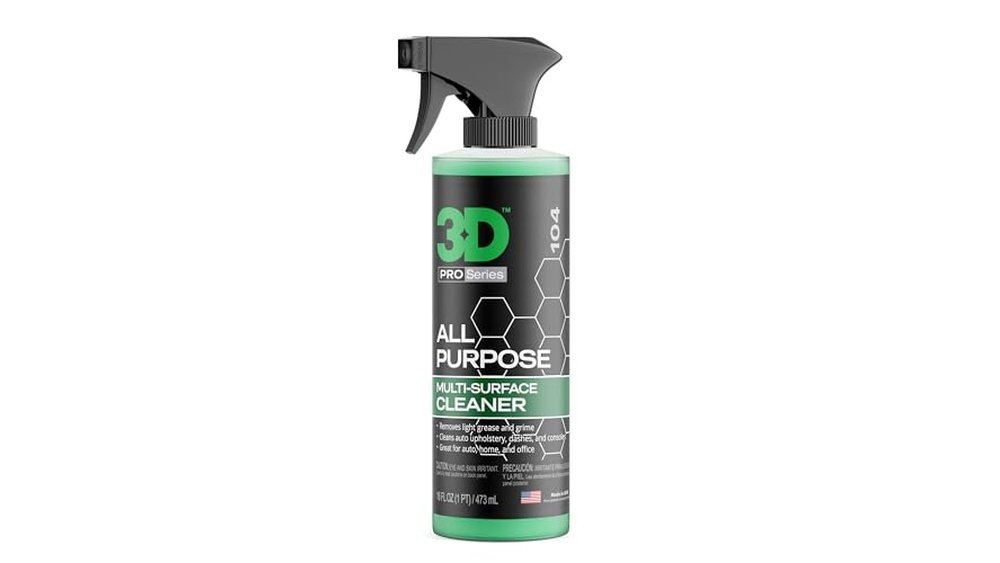
Lubricants help the clay bar glide smoothly over the paint without sticking. A proper lubricant reduces the risk of scratches and marring. Use a dedicated clay bar lubricant or a quick detailer spray. Avoid household soaps or water alone; they do not provide enough lubrication. Spray a generous amount on a small section before claying. Reapply lubricant often to keep the surface wet and slippery. This step makes claying easier and safer for your car’s finish.
Clay Bar Application Steps
Clay bar application is a key step in car detailing. It removes dirt and contaminants that washing misses. This process smooths the paint and prepares it for polishing or waxing. Follow these simple steps for the best results.
Take your time and be gentle. The clay bar works by lifting particles from the surface. Proper technique prevents damage and ensures a clean finish.
Section By Section Approach
Divide your car into small sections. Work on one area at a time to avoid clay drying out. Start with the hood or roof, then move to doors and panels. This method keeps the clay moist and effective throughout the process.
Using Light Pressure
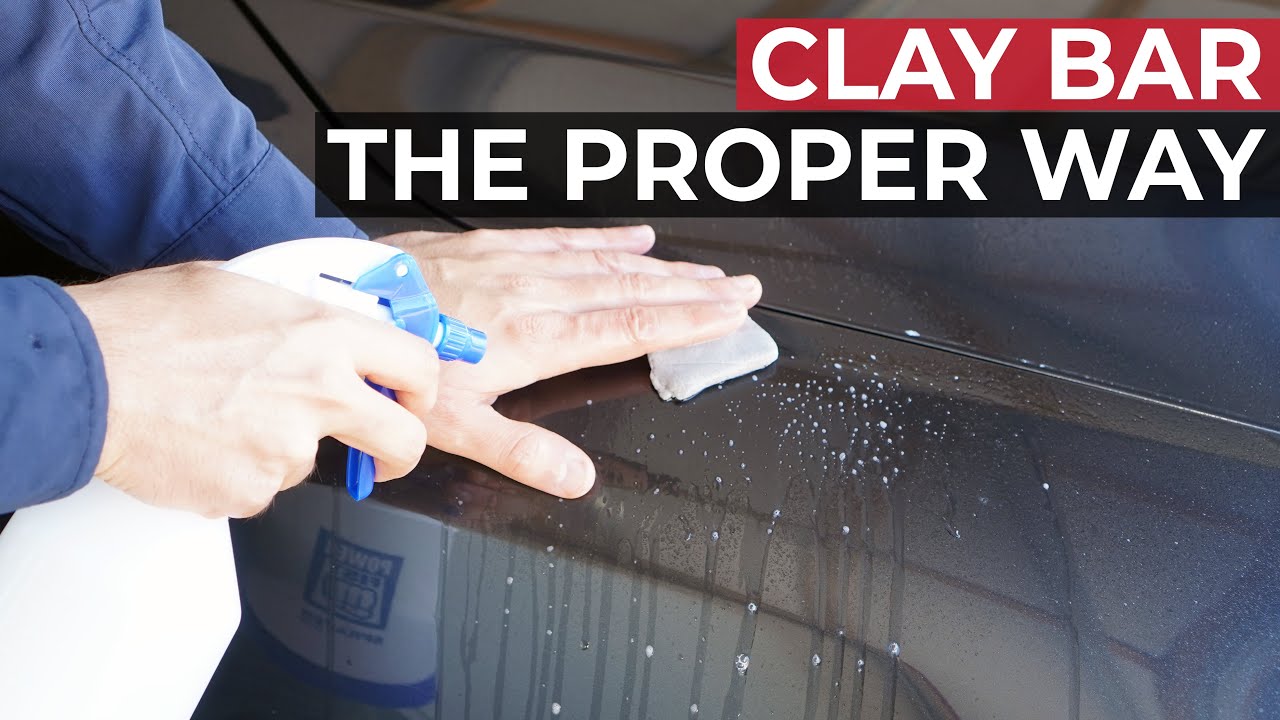
Press the clay bar lightly against the paint. Let the clay do the work. Too much force can cause scratches or swirl marks. Glide the clay gently over the surface in straight lines. This helps pick up dirt without harming the paint.
Avoiding Circular Motions
Move the clay bar in straight lines, not circles. Circular motions may create swirl marks on your paint. Straight, back-and-forth strokes give a smooth and even cleaning. Always keep the clay lubricated with spray to prevent sticking.
Maintaining The Clay Bar
Maintaining the clay bar during the detailing process keeps it effective and safe for your car’s paint. Proper care helps remove dirt and prevents scratches. This ensures smooth, clean results every time you use it.
Folding To Reveal Clean Surface
Fold the clay bar often. Folding exposes a clean side to the paint. This prevents dirt buildup on the surface you use. Keep folding until all sides are clean. It keeps the clay bar working well and protects your car’s finish.
Adding Lubricant When Needed
Always use lubricant during claying. Spray lubricant helps the clay glide smoothly. It stops the clay from sticking or dragging. If you feel resistance, add more spray. This reduces the chance of scratches and makes the process easier.
Post-clay Bar Care
After using a clay bar on your car, proper post-clay bar care is crucial. It helps protect the paint and keeps the surface smooth. This step ensures your hard work lasts longer and your car shines beautifully. Follow these simple actions to maintain your car’s finish after claying.
Wiping Off Residue
Clay bars leave behind a light residue on the paint. Use a clean microfiber towel to wipe the surface gently. Make sure to remove all clay lubricant and tiny particles. This step prevents streaks and prepares the paint for further protection.
Applying Wax Or Sealant
Clay bar treatment strips away old wax or sealant. Applying a fresh layer of wax or sealant helps protect the paint. Use a soft applicator pad to spread it evenly. Allow it to dry, then buff with a microfiber cloth. This adds shine and shields your paint from dirt and UV rays.
Credit: www.youtube.com
Safety And Best Practices
Using a clay bar on your car improves its shine and removes dirt. It requires care to avoid damage. Follow safety tips and best practices to protect your car’s paint. These steps help you get the best results without scratches or marks.
Avoiding Contamination
Keep the clay bar clean during use. Dirt or debris stuck to the clay can scratch your car. Fold the clay often to expose a clean surface. Use plenty of lubricant spray to keep the clay sliding smoothly. Never use a dry clay bar on your paint.
Handling Dropped Clay
If the clay bar falls on the ground, do not use that part again. Dirt and grit will stick to it and cause scratches. Instead, tear off the dirty section to reveal a clean piece. If the clay is heavily contaminated, replace it with a new bar. Always store clay in a clean container between uses.
Using On Different Surfaces
Clay bars work best on painted surfaces. Avoid using clay on glass, plastic, or rubber parts. These materials can be damaged or not respond well to claying. Test a small hidden area first to check for any issues. Use separate clay bars if you plan to clay multiple surface types.
Troubleshooting Common Issues
Troubleshooting common issues while clay barring your car helps protect your paint. Understanding problems early keeps the process smooth and effective. This section covers typical challenges and how to fix them quickly.
Clay Sticking To Paint
Clay sticking to paint usually means the surface is dry. Spray plenty of lubricant before using the clay bar. Move the clay gently in straight lines, not circles. If it sticks, fold the clay to expose a clean side. Do not press too hard, or the clay may drag. Clean the paint surface before claying to avoid debris causing sticking.
Uneven Surface Texture
An uneven surface after claying can happen if you miss spots or use dirty clay. Work in small sections to ensure full coverage. Check the clay often; if it feels rough, knead it or replace it. After claying, wipe the surface with a microfiber cloth to remove residue. Repeat claying on rough areas until the paint feels smooth and even.
Tips For A Flawless Finish
Claying your car removes dirt and contaminants for a smooth surface. Follow simple tips for the best results.
Taking time and care will protect your paint and improve shine. Avoid rushing to prevent scratches or damage.
The Baggie Smoothness Test
After claying, check the paint’s smoothness with a plastic bag.
Place a clean plastic bag over your hand and gently glide it on the paint. If it feels rough, continue claying.
This test helps detect unseen impurities and ensures the surface is clean.
Work Slowly And Methodically
Divide the car into small sections to work carefully. Move the clay bar in straight lines or small circles.
Use plenty of lubricant to avoid scratching the paint. Keep the clay bar clean by folding it often.
Patience leads to a flawless finish and makes waxing easier afterward.
Credit: www.expert-mobile-car-detailing.com
Frequently Asked Questions
How To Clay Bar A Car For Beginners?
Wash and dry your car thoroughly. Spray clay lubricant on a small section. Glide clay gently back and forth. Fold clay when dirty. Repeat until smooth.
Can You Clay Bar Your Own Car?
Yes, you can clay bar your own car safely. Wash it first, use lubricant, and gently glide the clay to remove contaminants.
Are Clay Bars Good For Your Car?
Clay bars effectively remove surface contaminants, making your car’s paint smooth and clean. They enhance shine and prepare paint for waxing. Use with proper lubrication to avoid scratches and maintain paint health.
What To Spray On A Car When Using A Clay Bar?
Spray a dedicated clay lubricant or detail spray generously on the car surface. Avoid using dry clay to prevent scratches.
Conclusion
Clay barring your car removes dirt that washing misses. It makes the paint smooth and clean. Use gentle pressure and plenty of lubricant. Work in small sections for the best results. After claying, protect your paint with wax or sealant.
Regular claying keeps your car looking fresh and shiny. This simple step improves your car’s appearance and feel. Try it yourself to see the difference.