
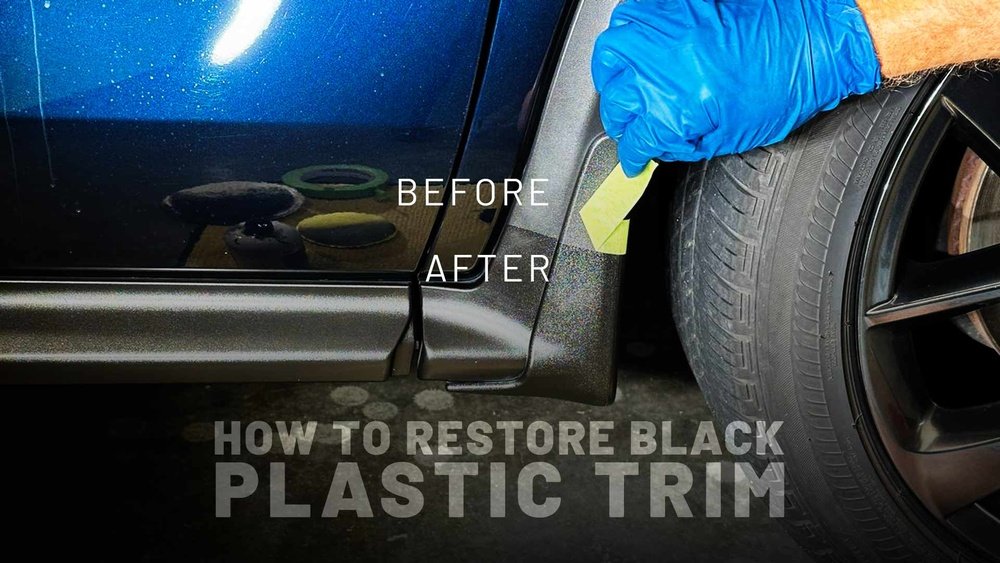
Is your car’s black plastic trim looking dull, faded, or just plain tired? You’re not alone.
Over time, exposure to sun, dirt, and weather can leave those once-shiny accents looking worn out and lifeless. But here’s the good news: you don’t have to replace them or settle for a lackluster finish. With the right cleaning and restoration techniques, you can bring back that deep, rich black color that makes your car stand out.
In this guide, you’ll discover simple, effective steps to clean and restore your black plastic trim—no special skills required. Ready to make your car look fresh and sharp again? Keep reading, because your trim’s transformation starts here.
Credit: www.drbeasleys.com
Cleaning The Trim
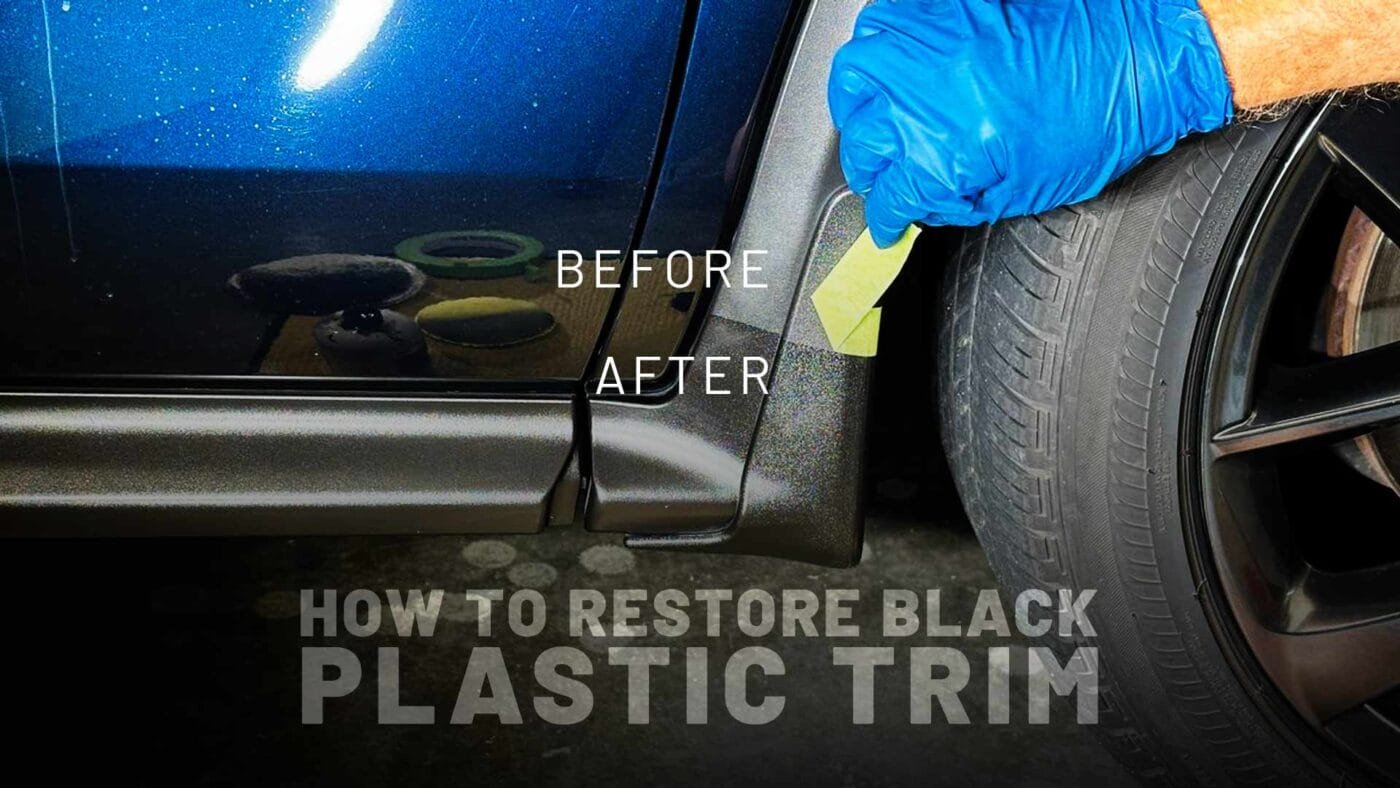
Cleaning the black plastic trim on your car is the first step to restoring its original look. Dirt and grime build-up can hide the trim’s true color and texture. A clean surface helps any restorer product work better. Follow these simple steps to clean the trim thoroughly and safely.
Removing Loose Dirt
Start by rinsing the trim with water to remove dust and loose dirt. Use a soft brush or sponge to gently scrub the surface. This helps avoid scratches during deeper cleaning. Make sure to clean all corners and crevices. Removing loose dirt prevents it from spreading during the next steps.
Using All-purpose Cleaner And Ipa
Apply an all-purpose cleaner (APC) to the trim for tougher grime. Spray it evenly and let it sit for a few minutes. Then, use a soft brush to scrub the textured areas. For stubborn stains or grease, use isopropyl alcohol (IPA) on a cloth. IPA cuts through oils and prepares the trim for restoration products. Always test cleaners on a small area first.
Drying Techniques
After cleaning, dry the trim completely with a microfiber towel. Pat the surface instead of rubbing to avoid streaks or scratches. Let the trim air dry for a few minutes to ensure no moisture remains. A dry surface helps trim restorers bond better and last longer.
Credit: www.youtube.com
Applying Trim Restorer
Applying trim restorer is the key step in bringing black plastic car trim back to life. After cleaning, the restorer adds color and protection to faded, dull trim. Using the right technique ensures an even, lasting finish that looks fresh and clean.
Choosing The Right Product
Select a product made specifically for black plastic trim. Oil-based gels work well for deep restoration. Some restorers come in liquid form for easy spreading. Avoid products with harsh chemicals that can damage plastic. Check labels to find UV protection to keep trim from fading again.
Using Applicator Pads
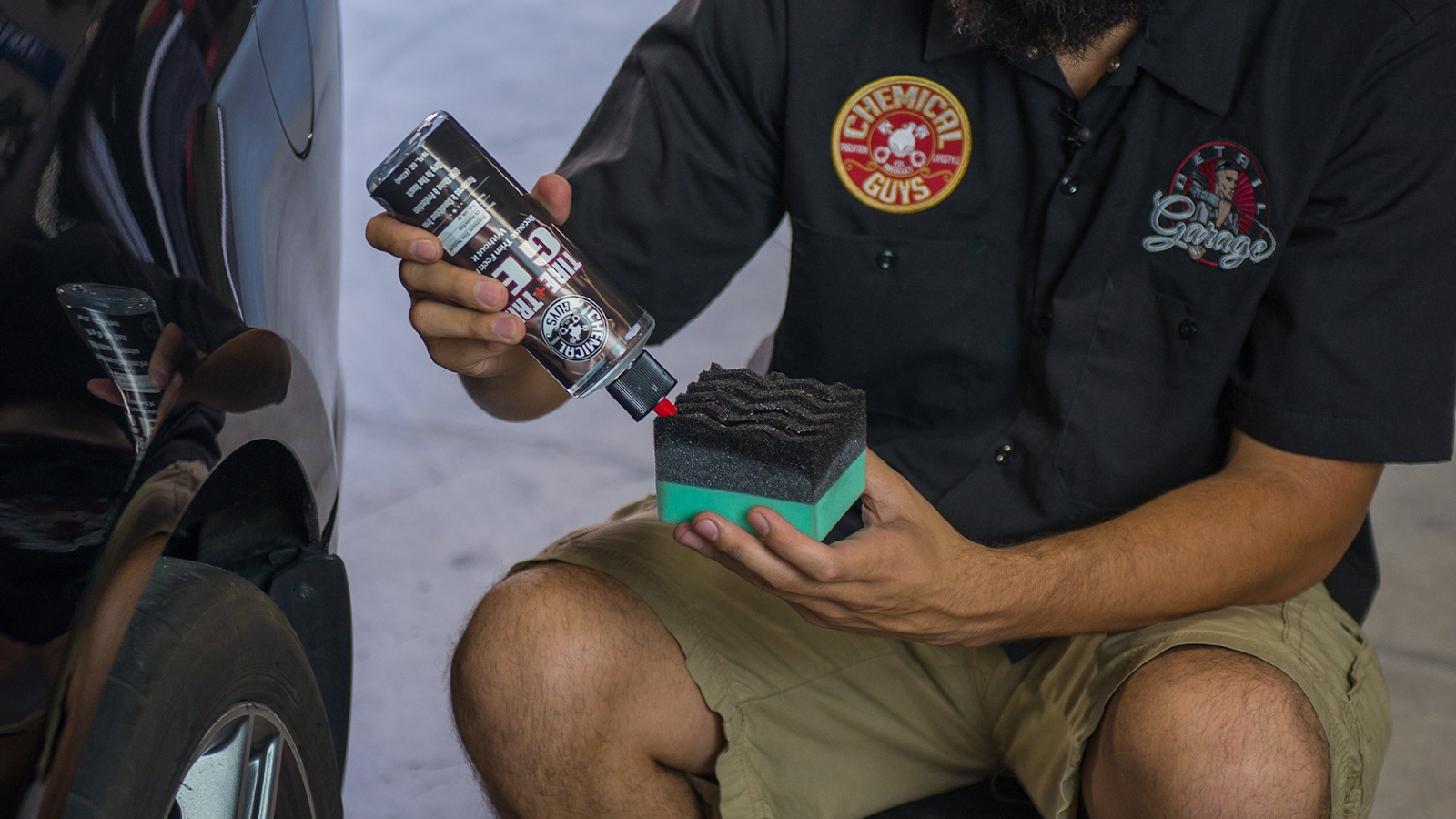
Use a soft foam or microfiber applicator pad. Apply a small amount of restorer on the pad, not directly on the trim. Work in small sections with gentle, circular motions. This helps the product absorb evenly into the surface. Wipe off extra restorer with a clean microfiber cloth to prevent streaks and buildup.
Safety Tips During Application
Apply restorer in a shaded, well-ventilated area. Wear gloves to protect your skin from chemicals. Avoid contact with painted surfaces to prevent damage. Keep product away from eyes and mouth. Store the restorer tightly closed, out of reach of children and pets.
Finishing And Curing
Finishing and curing are the final and crucial steps in restoring black plastic trim on cars. These steps ensure the product applied bonds well to the surface and delivers a lasting shine. Proper finishing removes excess product that can attract dirt. Curing allows the trim restorer to set fully, protecting the plastic from future fading and damage.
Buffing Excess Product
After applying the trim restorer, use a clean microfiber cloth to buff off extra product. Gently rub the surface in circular motions. This prevents sticky or oily residues that attract dust and dirt. Buffing also evens out the finish, making the trim look smooth and natural. Avoid over-buffing, which can remove too much product and reduce protection.
Curing Time And Conditions
Allow the product to cure for at least 24 hours. Keep the car in a dry, shaded area during this time. Avoid direct sunlight, which can dry the product too fast and cause streaks. A cool, ventilated space helps the restorer bond properly with the plastic. Curing under these conditions strengthens the finish and extends its durability.
Avoiding Water And Chemicals
Do not wash the trimmed area or expose it to chemicals during the curing period. Water or cleaners can wash away the product before it fully sets. This weakens the protection and shortens the lifespan of the restoration. After curing, use gentle car wash soap to clean the trim. Avoid harsh chemicals that may strip away the restored finish.
Alternative Restoration Methods
Alternative restoration methods offer different ways to bring life back to black plastic trim. These options work well if standard cleaners and restorers do not give the desired results. They can provide longer-lasting color and protection. Each method has unique steps and tools. Choose based on your skill level and the trim’s condition.
Using Spray-on Dye
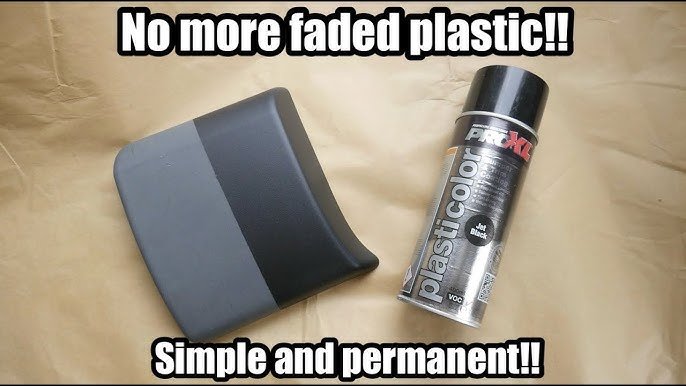
Spray-on dye is a popular choice for restoring black trim. It colors the plastic deeply and evenly. First, clean the trim thoroughly to remove dirt and oils. Mask off surrounding areas to avoid overspray. Shake the dye can well before use. Hold the can about 6-8 inches away and spray light, even coats. Allow each coat to dry before applying the next. Usually, two to three coats create a rich, black finish. Let the dye cure for several hours before touching or washing the trim.
Heat Gun Technique
The heat gun method uses warm air to restore the trim’s color. This technique heats the plastic just enough to bring out the original black pigment. Start by cleaning the trim well. Use a heat gun on low to medium setting. Keep the gun moving constantly to avoid damage. Hold it several inches away from the surface. The plastic will darken as heat activates the pigment. Do not overheat or stay too close, which can cause warping. This method works best on trims with mild fading.
Painting The Trim
Painting offers a durable way to restore faded trim. Use a paint designed for plastic surfaces. Begin by sanding the trim lightly to create a smooth base. Clean the surface of dust and grease. Apply a plastic primer to help the paint stick. Spray or brush on the paint in thin, even layers. Wait for each layer to dry before adding another. Finish with a clear coat for extra protection and shine. Painting requires patience but gives a long-lasting, fresh look to your trim.
Maintaining Restored Trim
Maintaining restored black plastic trim keeps your car looking fresh longer. Proper care protects the trim from fading and cracking. This section covers easy ways to maintain your restored trim daily. Follow these tips for lasting shine and protection.
Water-based Dressings
Water-based dressings are safe for black plastic trim. They add shine without leaving oily residue. These dressings protect against UV rays and dirt buildup. Apply with a soft cloth in thin layers for best results. Water-based products dry quickly and do not attract dust.
Regular Reapplication
Reapply trim dressing every two to four weeks. This keeps the plastic nourished and vibrant. Frequent application prevents the trim from drying out and fading. Use a clean applicator pad to avoid dirt buildup. Regular care extends the life of your restoration work.
Cleaning Aftercare
After washing your car, dry the trim completely before applying dressing. Avoid harsh chemicals that strip away protective layers. Use gentle soap and water for routine cleaning. Keep the trim free from dust and grime to maintain its deep black color. Light cleaning helps preserve the restoration longer.
Credit: www.chemicalguys.com
Frequently Asked Questions
How To Restore Black Plastic Trim On Vehicles?
Clean the trim with soap and a brush, then use isopropyl alcohol for stubborn grime. Apply an oil-based trim restorer with an applicator pad. Wipe off excess product and let it cure. Repeat maintenance with water-based dressings and reapply restorer every few months.
Will Wd-40 Restore Black Plastic?
WD-40 can temporarily darken black plastic but does not restore faded trim effectively. Use a dedicated plastic restorer instead.
What Is The Best Automotive Black Trim Restorer?
The best automotive black trim restorer cleans, restores, and protects faded trim using oil-based gels or liquid coatings. Brands like Chemical Guys and Meguiar’s offer top-rated products. Proper cleaning and application ensure a long-lasting, vibrant finish.
Can Trim Restorer Fix Faded Plastic?
Trim restorer can effectively fix faded plastic by cleaning and applying an oil-based gel or liquid coating. It restores color and protects the surface. Proper cleaning and preparation ensure better, longer-lasting results. For permanent fixes, consider dye or painting options.
Conclusion
Cleaning and restoring black plastic trim improves your car’s look instantly. Start with a thorough wash and remove all dirt. Use a quality trim restorer and apply evenly with a pad. Wipe off excess product to avoid a sticky finish.
Let the trim cure for best results and long-lasting protection. Regular care keeps your trim looking fresh and new. A little effort goes a long way in maintaining your car’s appeal. Keep it simple, stay consistent, and enjoy the renewed shine every time.














