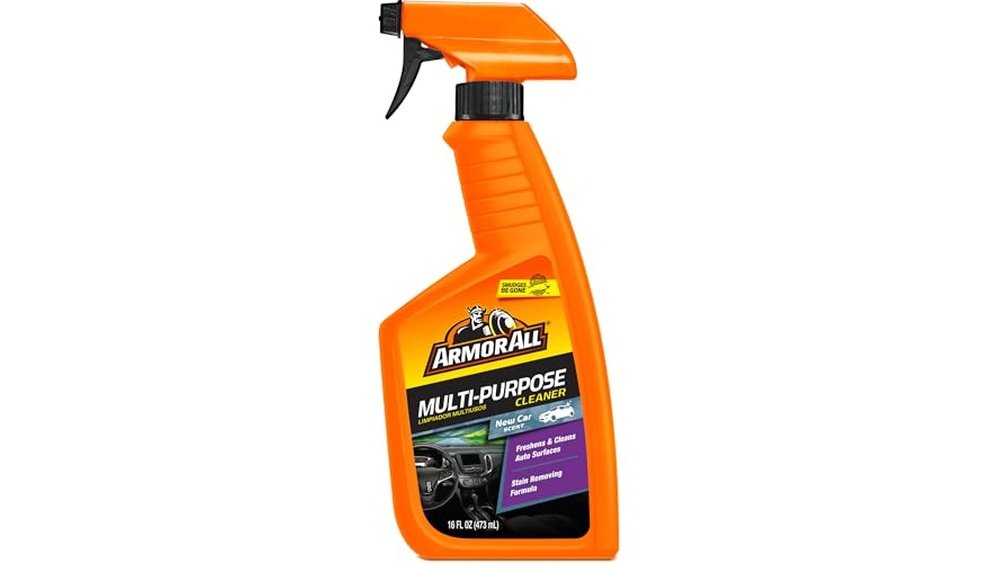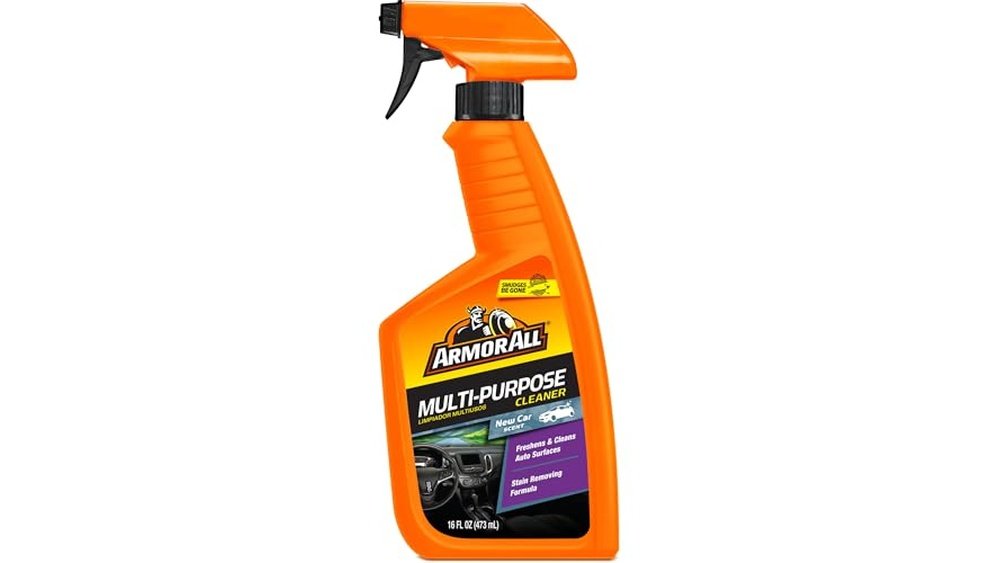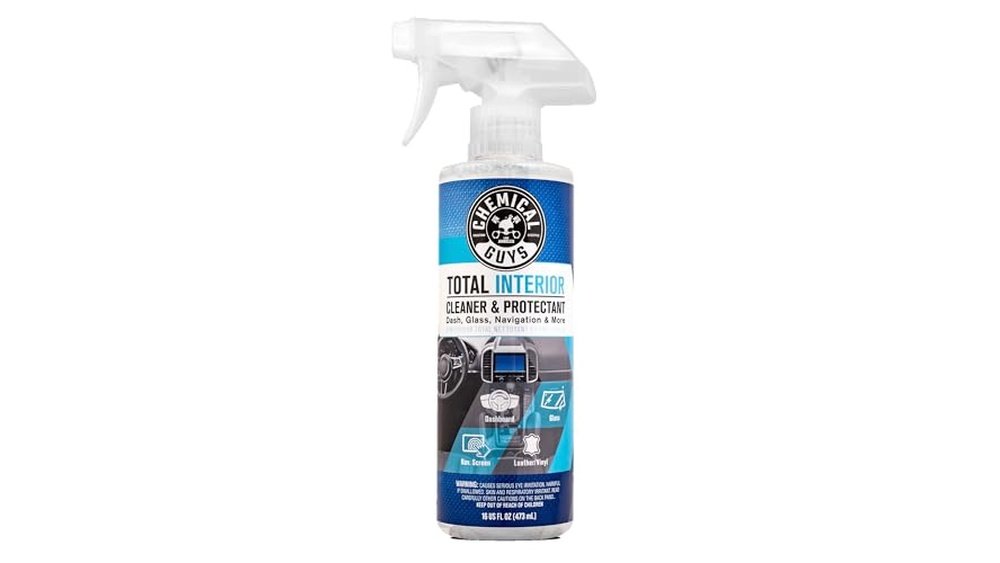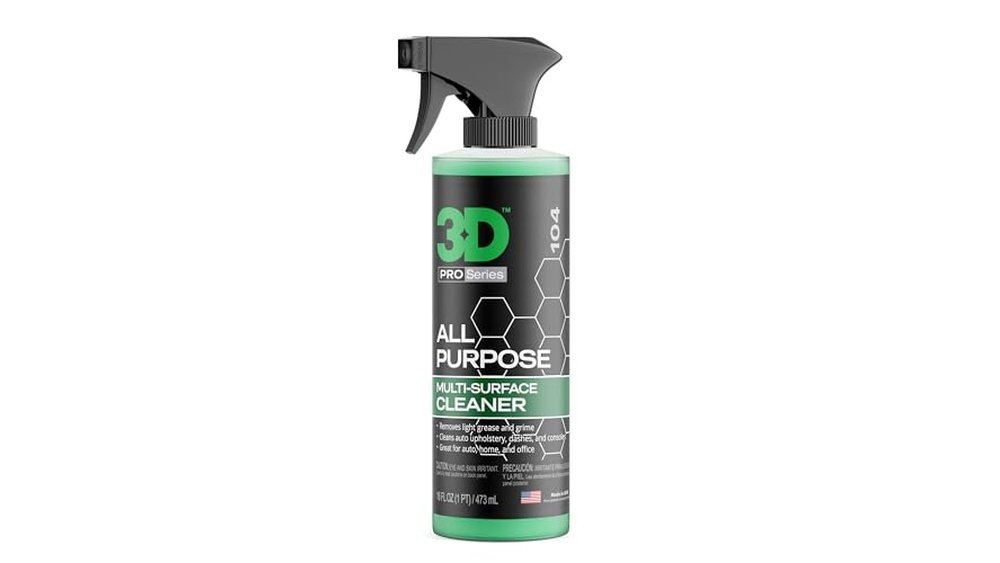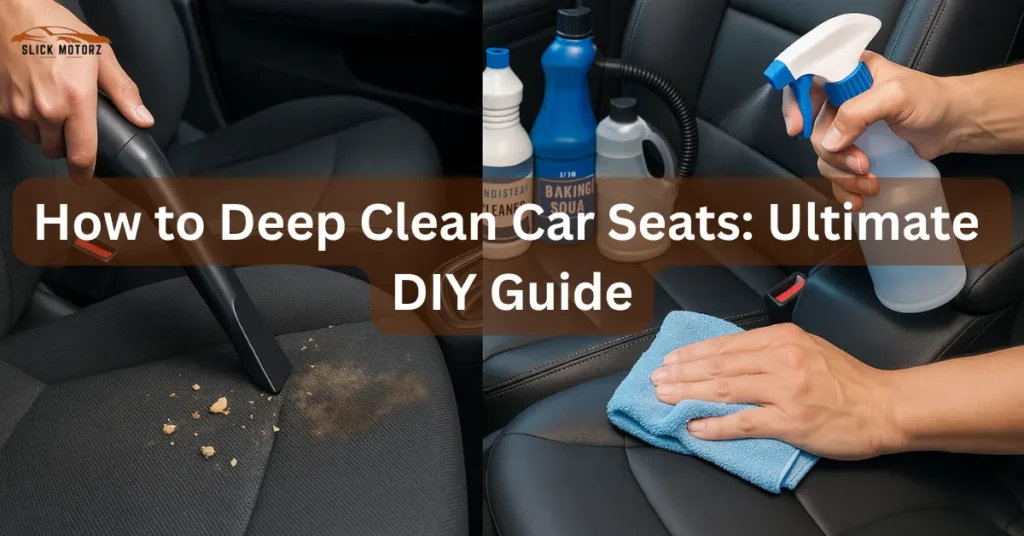

Your car’s door panels face constant wear and tear—from fingerprints and dirt to stubborn stains and scuff marks. If you want to restore their look without harsh scrubbing or expensive treatments, using an All-Purpose Cleaner (APC) is a smart choice.
But how exactly do you clean door panels with APC safely and effectively? In this guide, you’ll discover simple, step-by-step tips that make your door panels look fresh and spotless again. Keep reading to learn how to get professional-level results with just one versatile product—and bring new life to your car’s interior today.
Choosing The Right Apc
Choosing the right All-Purpose Cleaner (APC) is key for cleaning door panels effectively. The wrong product can damage surfaces or leave residues. Select an APC that suits your door panel material and cleaning needs. This ensures a deep clean without harm.
Types of APCs
APCs come in different strengths and formulas. Some are strong and designed for tough grime. Others are gentle for delicate surfaces. Water-based APCs are safe for most plastics and vinyl. Solvent-based APCs work better on oily stains but may be harsh. Pick one made for automotive interiors for the best results.
Safety Considerations
Always check the label before use. Some APCs contain harsh chemicals that can irritate skin or eyes. Wear gloves and work in a well-ventilated area. Test the cleaner on a small hidden spot first. Avoid APCs with bleach or ammonia on colored panels. Follow instructions carefully to prevent damage.
Recommended Brands
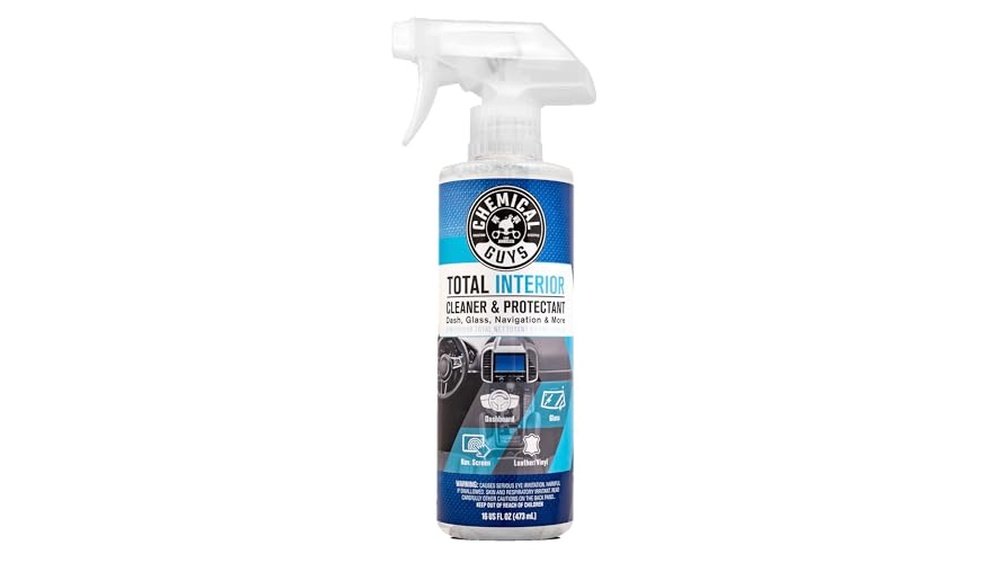
Choose trusted brands known for quality and safety. Meguiar’s, Chemical Guys, and Griot’s Garage offer popular APCs. These brands balance cleaning power with gentle formulas. They also provide detailed usage guides. Using reliable products helps protect door panels and keeps them looking fresh.
Preparing Door Panels
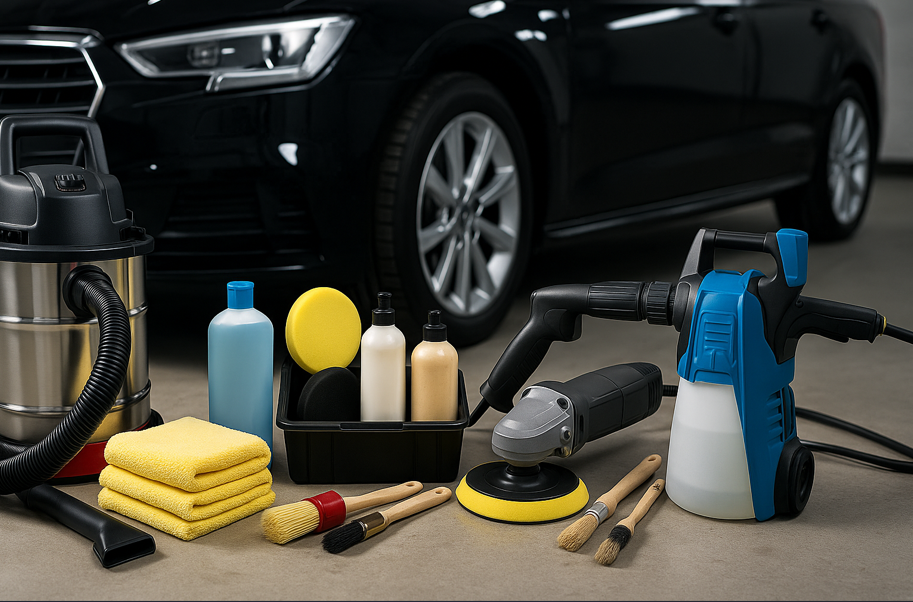
Preparing door panels is the first step in cleaning them effectively with an All-Purpose Cleaner (APC). It sets the stage for a thorough and safe cleaning process. Proper preparation helps remove dirt and protects surfaces from damage. Take your time to prepare the panels carefully for the best results.
Removing Loose Dirt
Start by removing loose dirt and dust from the door panels. Use a soft brush or microfiber cloth to wipe the surface gently. Avoid pressing hard to prevent scratches. Clearing loose dirt first prevents it from spreading during cleaning. It also helps the APC work better on stubborn grime.
Protecting Surrounding Areas
Cover nearby areas, such as seats and carpets, to avoid APC splashes. Use plastic sheets or old towels to shield these parts. This step prevents stains and damage from the cleaning solution. Protecting the surroundings helps keep the car interior safe and clean throughout the process.
Cleaning Tools Needed
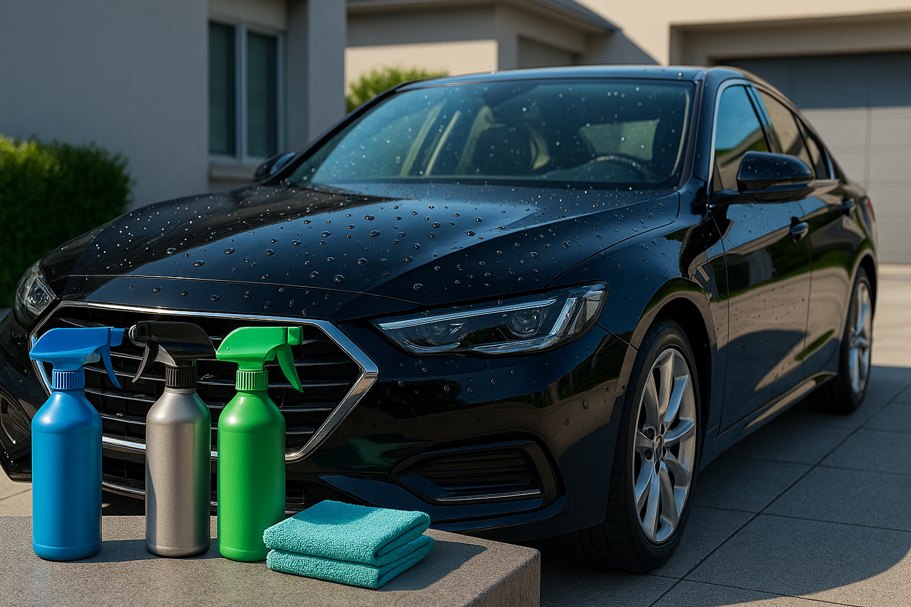
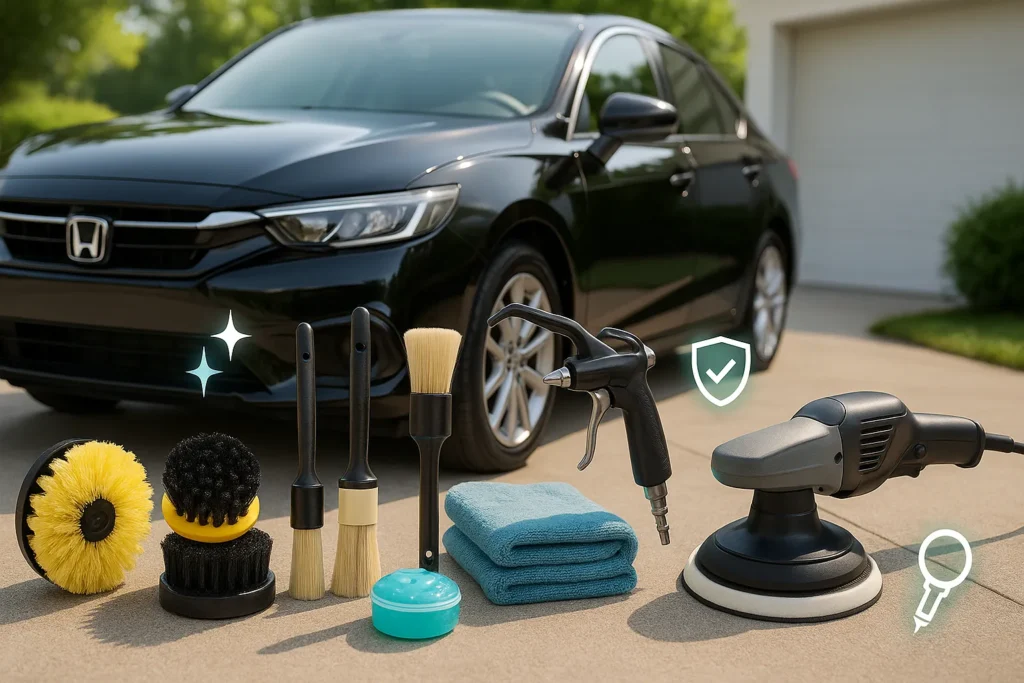
Cleaning door panels with APC requires the right tools. These tools help remove dirt and grime effectively. Using proper tools also protects your door panels from damage. Prepare these items before starting your cleaning process.
Microfiber Towels
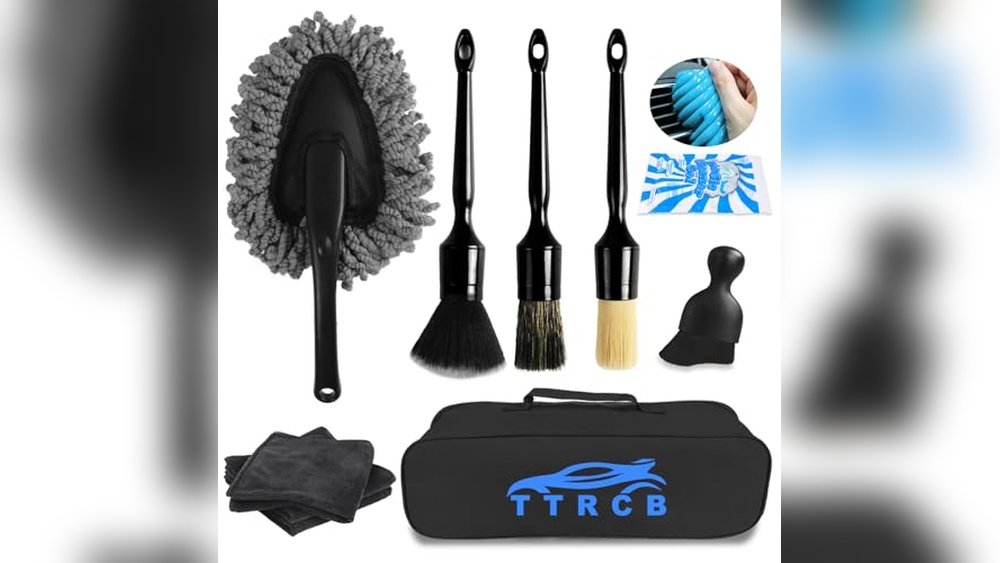
Microfiber towels are soft and gentle on surfaces. They trap dirt and dust without scratching the panels. Use different towels for cleaning and drying. This avoids spreading dirt back onto the surface. Choose towels that are lint-free for the best results.
Detailing Brushes
Detailing brushes reach into small crevices and seams. They help loosen dirt stuck in hard-to-reach spots. Use brushes with soft bristles to avoid damaging the material. Small brushes work well for buttons and edges on door panels. Regular cleaning with brushes keeps the panels looking fresh.
Spray Bottles
Spray bottles allow even application of APC cleaner. Use a clean spray bottle to avoid mixing chemicals. Spray lightly to cover the door panel without soaking it. Control the amount to prevent drips and stains. Spray bottles make cleaning fast and efficient.
Step-by-step Cleaning Process
Cleaning door panels with an All-Purpose Cleaner (APC) is simple and effective. This step-by-step process helps remove dirt, stains, and grime quickly. Follow these steps to refresh your door panels and restore their original look.
Applying Apc Correctly
Start by spraying a small amount of APC onto the door panel. Avoid soaking the surface. Use a microfiber cloth or spray directly on stubborn spots. This prevents damage and ensures even coverage.
Agitating Stains
Use a soft brush or a clean cloth to gently scrub stained areas. Focus on spots with grease, dirt, or marks. Light agitation helps lift the grime without scratching the panel. Work in circular motions for best results.
Wiping And Drying
Wipe the door panel with a dry microfiber cloth to remove loosened dirt and cleaner residue. Make sure no moisture remains on the surface. Drying prevents streaks and protects the panel from water damage.
Handling Tough Stains
Tough stains on door panels can be stubborn and frustrating. Dirt, scuff marks, and sticky residues often resist simple cleaning. Using an All-Purpose Cleaner (APC) helps break down these tough stains safely. The right approach ensures the door panel looks clean without damage.
Follow careful steps to handle each type of stain. Patience and gentle scrubbing make a big difference. This guide focuses on removing scuff marks and treating sticky residues using APC.
Scuff Marks Removal
Scuff marks appear from shoes, bags, or keys brushing the door panel. Spray a small amount of APC on the mark. Let it sit for 30 seconds to loosen dirt. Use a soft microfiber cloth to rub gently in circular motions. Avoid harsh scrubbing to prevent damage. Repeat if necessary until the scuff fades.
For deeper marks, use a soft-bristle brush dipped in APC. Brush lightly to lift the stain from the surface. Wipe away residue with a clean, damp cloth. Dry the area with a microfiber towel to avoid streaks.
Sticky Residue Treatment
Sticky residues come from spilled drinks, tape, or adhesives. Apply APC directly on the sticky spot. Let it sit for 1-2 minutes to soften the residue. Gently rub with a microfiber cloth or sponge. The APC breaks down the adhesive, making removal easier.
For stubborn residue, use a plastic scraper to lift it carefully. Avoid metal tools that may scratch the panel. After removing the residue, wipe the area with a damp cloth. Finish by drying the panel to keep it clean and smooth.
Post-cleaning Care
After cleaning door panels with an APC, proper post-cleaning care keeps them looking fresh and lasting longer. This step protects the surface from damage and maintains its original look. Following a simple routine helps avoid fading, cracking, and drying out. The key tasks include conditioning and shielding the panels from UV rays. Both are essential for well-maintained door panels.
Conditioning Door Panels
Conditioning restores moisture and flexibility to door panels. Use a conditioner made for the panel material, such as vinyl or leather. Apply a small amount with a soft cloth and spread evenly. Let it absorb for a few minutes, then wipe off any extra. Conditioning prevents drying and cracking after cleaning with APC. It also adds a subtle shine that looks natural and clean. Regular conditioning keeps panels soft and durable.
UV Protection Tips
UV rays cause fading and damage to door panels over time. Use a UV protectant spray or wipe designed for interior surfaces. Apply it lightly after conditioning to form a protective barrier. Avoid products with harsh chemicals that may harm the material. Park in shaded areas or use sunshades to reduce direct sunlight exposure. Reapply UV protection every few weeks to maintain effectiveness. These steps extend the life and appearance of your door panels.
Common Mistakes To Avoid
Cleaning door panels with an All-Purpose Cleaner (APC) requires care and attention. Avoiding common mistakes helps protect your car’s interior and achieve better results. Follow simple rules to keep your door panels looking fresh without damage.
Overusing Apc
Applying too much APC can harm door panels. The chemicals may break down the material or cause discoloration. Use a small amount of cleaner and dilute it if needed. Test on a hidden spot before full cleaning. Less is more when using APC on delicate surfaces.
Using Harsh Tools
Avoid using rough brushes or abrasive cloths. These tools can scratch or damage the panel surface. Opt for soft microfiber towels or gentle sponges. Lightly wipe and do not scrub hard. Protect the finish by using tools designed for car interiors.
Ignoring Product Instructions
Every APC product has specific instructions for safe use. Skipping these steps can lead to poor cleaning or damage. Read the label carefully before starting. Follow mixing ratios, application methods, and contact times. Proper use ensures effective cleaning and panel safety.
Maintaining Spotless Door Panels
Maintaining spotless door panels keeps your car’s interior fresh and inviting. Door panels collect dust, dirt, and stains from daily use. Using an All-Purpose Cleaner (APC) helps remove grime effectively without damage. Regular care ensures your door panels look clean and new longer. Follow simple habits and quick tips for the best results.
Regular Cleaning Schedule
Set a cleaning routine for your door panels every two weeks. Lightly spray APC on a microfiber cloth, not directly on the panel. Wipe the surface gently to lift dirt and stains. Pay attention to handles and armrests where grime builds up fast. Avoid harsh scrubbing to protect the panel’s finish. Regular cleaning prevents tough stains and sticky residue.
Quick Touch-up Tips
Use a small spray bottle of diluted APC for quick spot cleaning. Keep a microfiber cloth handy in your car for spills or marks. Dab the cleaner on the cloth and gently wipe the affected area. For stubborn spots, let the cleaner sit for a minute before wiping. Avoid oversaturating the panel to prevent moisture damage. These quick touch-ups maintain a neat look between full cleanings.
Frequently Asked Questions
What To Clean Door Panels With?
Clean door panels with a mild all-purpose cleaner or interior car cleaner. Use a soft microfiber cloth to wipe gently. Avoid harsh chemicals to prevent damage. For stubborn stains, lightly agitate with a soft brush and wipe clean. Finish by drying thoroughly for best results.
Is Interior Cleaner The Same as APC?
Interior cleaner and APC (All-Purpose Cleaner) are similar but not identical. APCs clean heavy grime; interior cleaners are often milder for delicate surfaces.
How To Get Scuff Marks Off Car Door Panels?
Use a mild all-purpose cleaner or interior cleaner on a microfiber cloth. Gently rub scuff marks until they fade. Avoid harsh chemicals to protect the panel finish. Finish by wiping with a clean, damp cloth and drying thoroughly.
What Do Car Detailers Use To Clean The Interior?
Car detailers use all-purpose cleaners, leather conditioners, carpet cleaners, glass cleaners, and interior quick detailers. They also use microfiber towels, soft brushes, and vacuum cleaners for thorough cleaning.
Conclusion
Cleaning door panels with APC is simple and effective. Use a soft cloth and gentle scrubbing to avoid damage. Repeat cleaning in tough spots for the best result. APC removes dirt, grime, and stains well. Regular cleaning keeps panels looking fresh and new.
Always test APC on a small area first. Your car’s interior will feel cleaner and more inviting. A clean door panel adds to overall car care. Try this easy method for a noticeable difference today.