
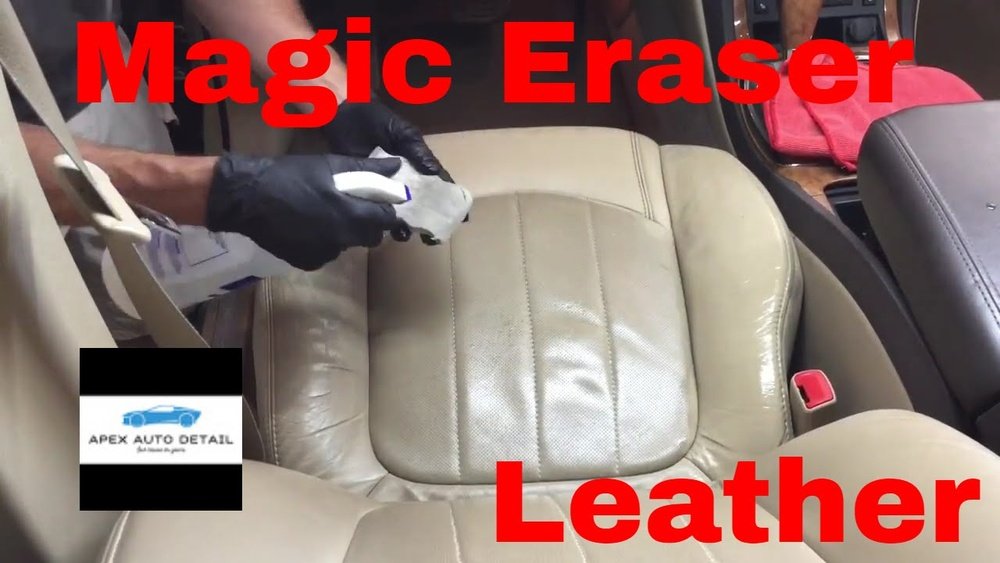
Your leather car seats add a touch of luxury and comfort to every drive, but keeping them clean can feel tricky. If you want to protect your investment and maintain that fresh, sleek look, knowing the right way to clean leather car seats is key.
You don’t need expensive products or complicated methods—just the right techniques that lift dirt without damaging the leather. In this guide, you’ll discover simple, effective steps you can follow to clean your leather seats safely and keep them looking like new.
Ready to transform your car’s interior? Let’s dive in and make your leather seats shine again!
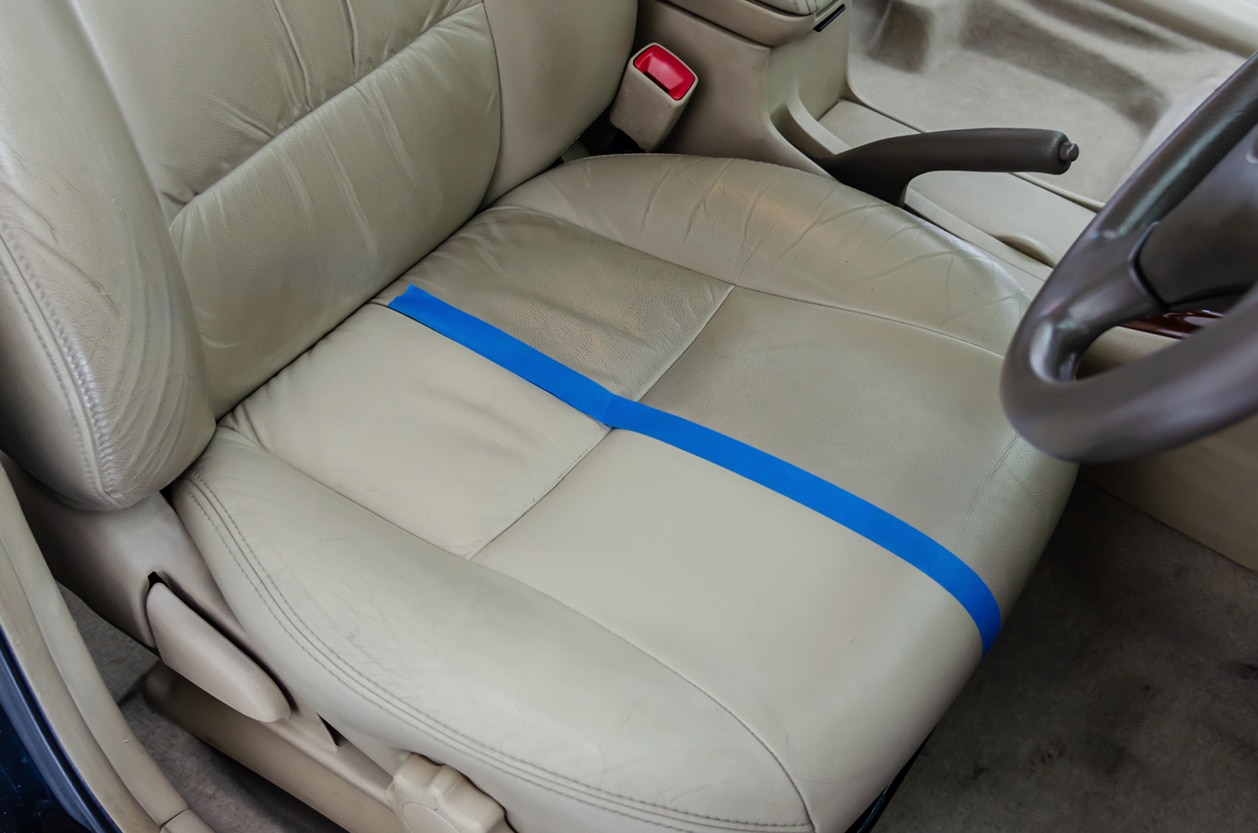
Credit: www.everydaycheapskate.com
Leather Seat Materials
Understanding the materials used in leather car seats is key to cleaning them properly. Different types of leather and finishes require specific care. Knowing these details helps keep your seats looking fresh and lasting longer.
Types Of Leather
Car seats mostly use three types of leather: full-grain, top-grain, and corrected grain. Full-grain is the strongest and most natural leather. It has the original texture and is very durable. Top-grain leather is sanded and treated to remove imperfections. It looks smooth and feels soft. Corrected grain leather is heavily processed. It often has a painted surface to hide flaws. This type is less expensive but may wear faster. Each leather type needs gentle cleaning to avoid damage.
Common Finishes
Leather seats come with various finishes to protect and enhance their look. Aniline finish uses transparent dyes that keep the leather soft and natural. It can stain easily, so careful cleaning is essential. Semi-aniline finish adds a light protective coating. It resists stains better but still feels soft. Pigmented finish has a thick layer of paint or plastic. This finish is very durable and easy to clean. It hides scratches well but feels less natural. Knowing your leather’s finish helps choose the right cleaning method.

Credit: www.thespruce.com
Tools And Supplies
Proper preparation is the first step to clean leather car seats effectively. Taking time to prepare helps protect the leather and ensures better cleaning results.
Start by removing any loose dirt and dust from the seat surface. This prevents scratching the leather during cleaning. Also, testing cleaning solutions on a small hidden area helps avoid damage or discoloration.
Vacuuming Loose Dirt
Use a vacuum cleaner with a soft brush attachment. Gently vacuum the entire seat surface. Focus on seams and crevices where dirt gathers. Avoid pressing too hard to protect the leather texture.
This step removes dust, crumbs, and debris. It prepares the surface for a more thorough cleaning later.
Testing Cleaning Solutions
Choose a mild leather cleaner or make a simple soap solution with water. Apply a small amount to a hidden seat area. Wait a few minutes to check for color change or damage.
If the leather looks the same, the cleaner is safe to use. If you see discoloration or rough texture, try a gentler product. Always use soft cloths to apply and wipe the cleaner.
Preparation Steps
Keeping leather car seats clean helps preserve their look and feel. Dirt and spills can cause stains and damage over time. Regular care keeps the leather soft and prevents cracks. Follow simple steps to maintain your leather seats and enjoy a fresh interior every day.
Regular Cleaning Schedule
Clean your leather seats once every two weeks. Use a soft microfiber cloth and a gentle leather cleaner. Wipe down the surface carefully to remove dust and dirt. Avoid soaking the leather. Dry the seats with a clean towel after cleaning. This routine prevents dirt buildup and keeps the leather smooth.
Avoiding Damage
Do not use harsh chemicals or household cleaners on leather. Avoid scrubbing too hard; it can scratch the surface. Keep sharp objects away from the seats to prevent tears. Protect the seats from direct sunlight to stop fading. Use a leather conditioner every few months to keep the material flexible. Small actions help your leather last longer and look better.

Credit: www.thespruce.com
Frequently Asked Questions
What Is The Best Thing To Clean Leather Car Seats?
Use a mild, pH-balanced leather cleaner with a soft brush or microfiber cloth. Avoid harsh chemicals to protect the leather’s finish.
Can I Use Dawn And Water To Clean My Leather Seats?
Avoid using Dawn and water on leather seats. It can strip natural oils and damage leather. Use a mild, pH-balanced leather cleaner instead. Always test cleaners on a hidden spot first. Clean gently with a damp microfiber cloth and condition afterward to maintain softness and durability.
What Household Products Can You Use To Clean Leather?
Use mild liquid soap mixed with water, vinegar diluted with water, or baking soda for stains. Condition with olive or coconut oil. Always test on a hidden spot and use a soft microfiber cloth. Avoid soaking leather to prevent damage.
What Not To Use On Leather Car Seats?
Avoid harsh chemicals, ammonia-based cleaners, bleach, vinegar undiluted, and household detergents on leather car seats. They damage leather and strip its protective coating. Use only pH-balanced, mild leather cleaners to maintain softness and prevent cracking. Never soak leather; apply cleaners with a damp microfiber cloth.
Conclusion
Cleaning leather car seats takes care and gentle products. Use mild soap and soft cloths to avoid damage. Regular cleaning keeps seats looking fresh and lasts longer. Treat stains quickly with simple home remedies like baking soda. Don’t forget to condition leather to keep it soft and prevent cracks.
A little effort goes a long way in protecting your car’s interior. Follow these easy steps for clean, healthy leather seats every time. Your car will feel more comfortable and look well cared for.














