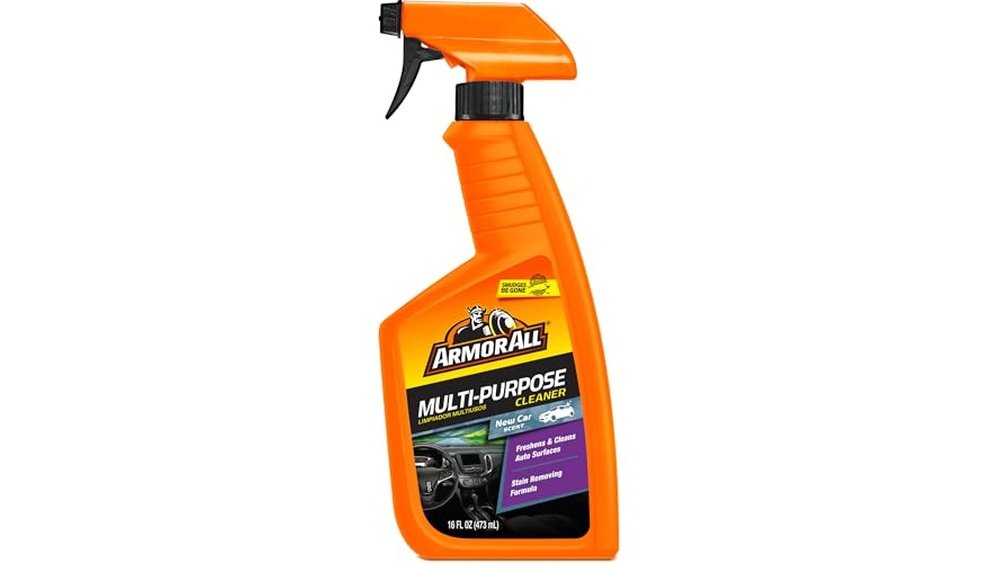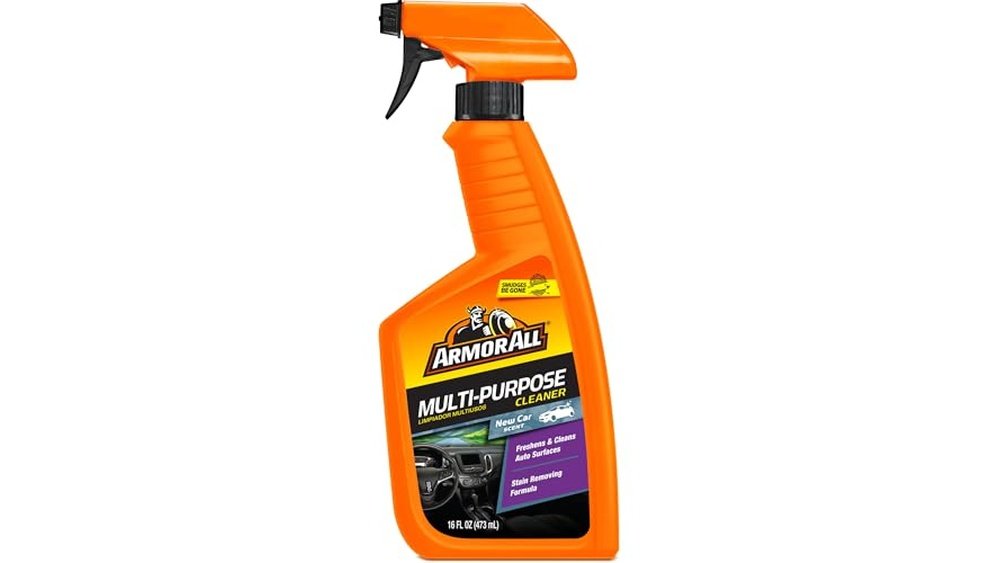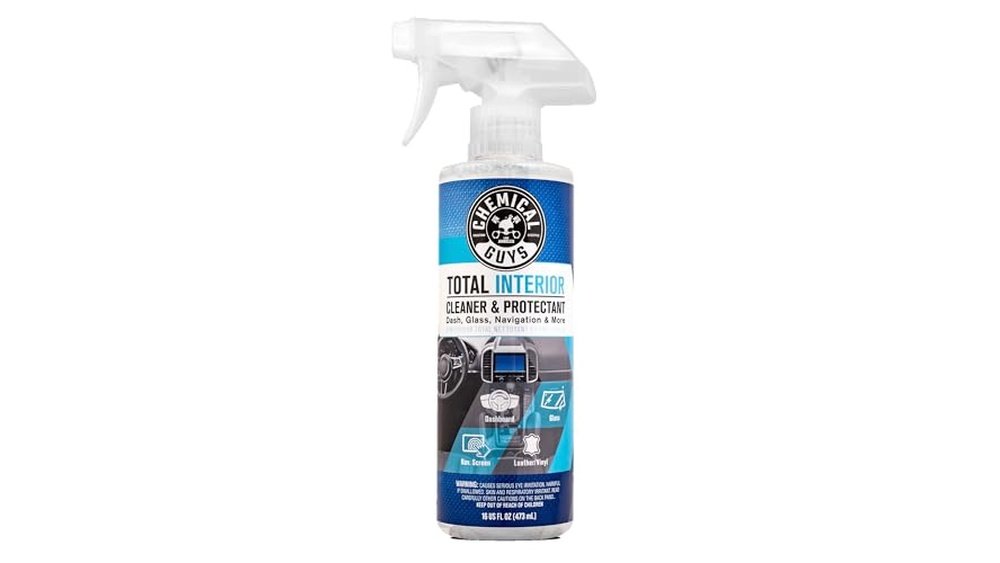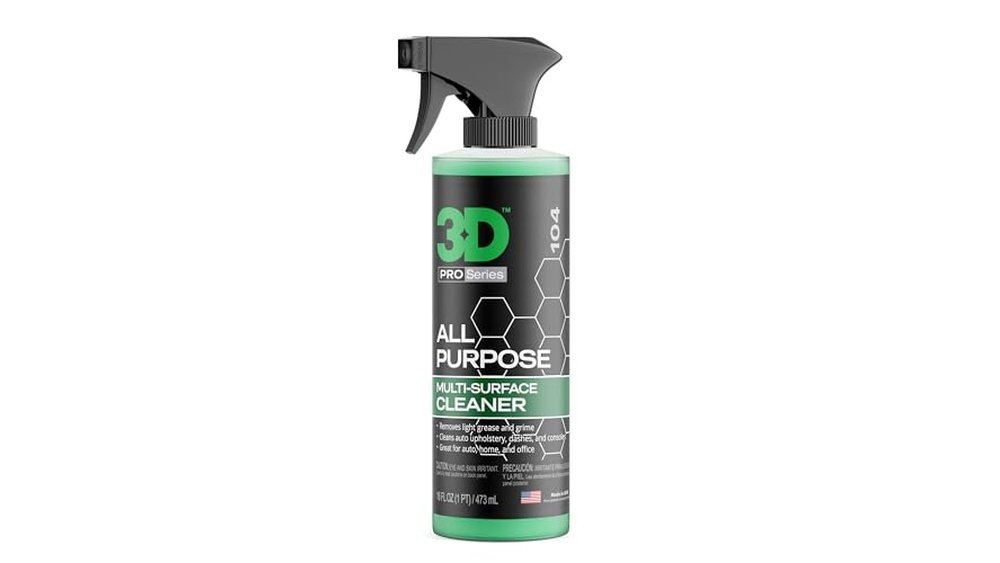

Keeping white leather car seats clean is a challenge for many car owners. The elegant look of white leather can quickly fade if not cared for properly. Everyday use, spills, dust, and even blue jeans can stain or dull the brightness of your seats. Still, with the right approach, you can keep your white leather looking fresh for years. This guide shows you how to clean white leather car seats, avoid common mistakes, and make your car interior shine—without expensive products or professional detailers.
Why White Leather Car Seats Need Special Care
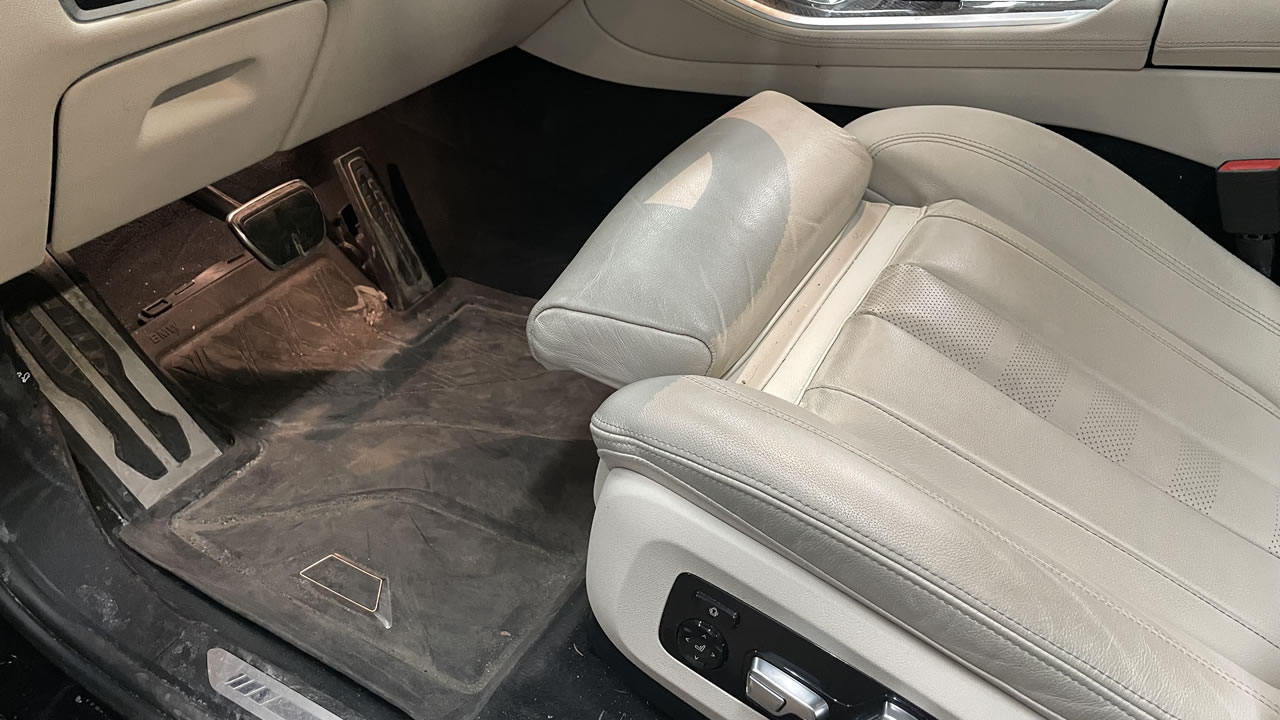
White leather seats are a symbol of luxury. They give your car a premium, stylish feel that’s hard to match. However, they also show dirt and stains much faster than black or tan leather. Sweat, skin oils, food, and even sunlight can leave marks.
Over time, these build up and can damage the leather.
Unlike fabric, leather is porous. That means it soaks up spills and oils, making stains harder to remove if ignored. White leather also reacts to dyes from clothes or seat covers, causing discoloration. Regular, gentle cleaning is essential—not just for appearance, but to maintain the leather’s strength and softness.
What You Need Before You Start
To clean white leather car seats safely, you’ll need the right tools and products. Using harsh cleaners or rough brushes can ruin the finish and dry out the material. Here’s what you should gather:
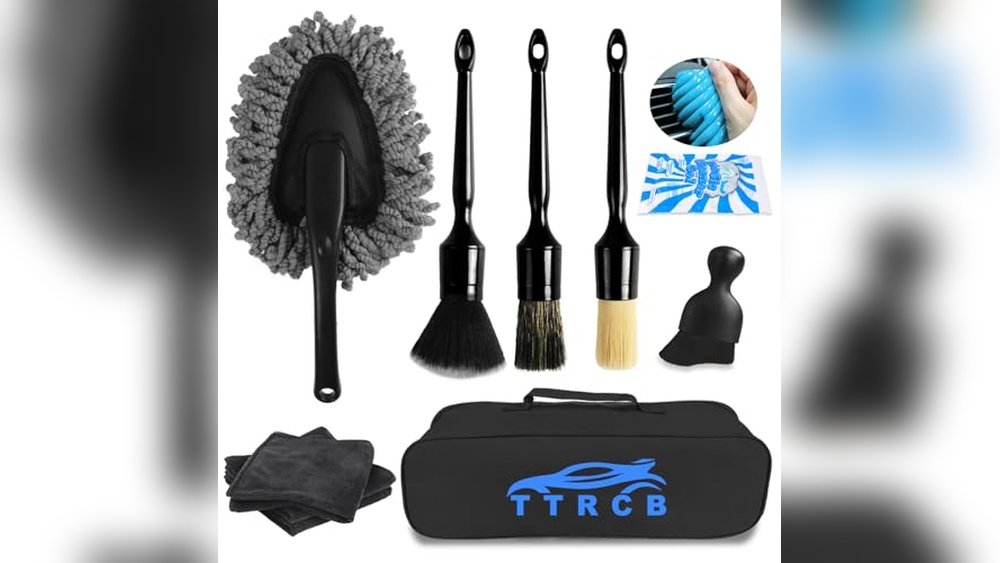
- Vacuum cleaner with a soft brush attachment
- Microfiber cloths (at least 3–4)
- Soft-bristle brush (a toothbrush can work)
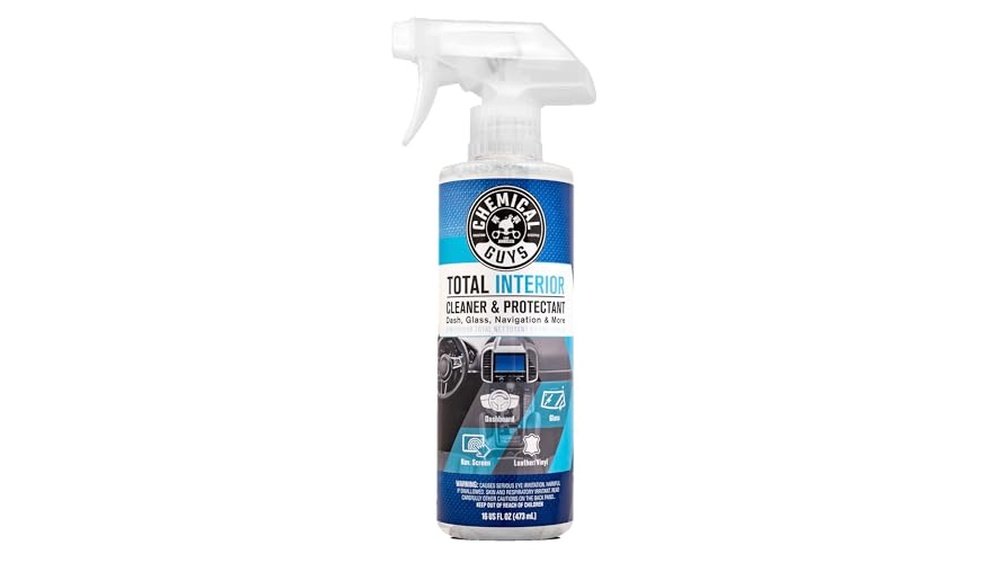
- Mild leather cleaner (pH-balanced, designed for car interiors)
- Distilled water (tap water can leave spots)
- Leather conditioner
- Spray bottle (optional, for mixing solutions)
- Plastic bucket
- Cotton swabs (for tight spots)
- Disposable gloves (to keep your hands clean)
Products To Avoid
Never use bleach, ammonia, or alcohol-based cleaners on leather. Household cleaners, baby wipes, or furniture polish can strip the protective coating. Avoid colored towels that might bleed dye onto the leather.
Step-by-step Guide: Cleaning White Leather Car Seats
1. Prepare The Seats
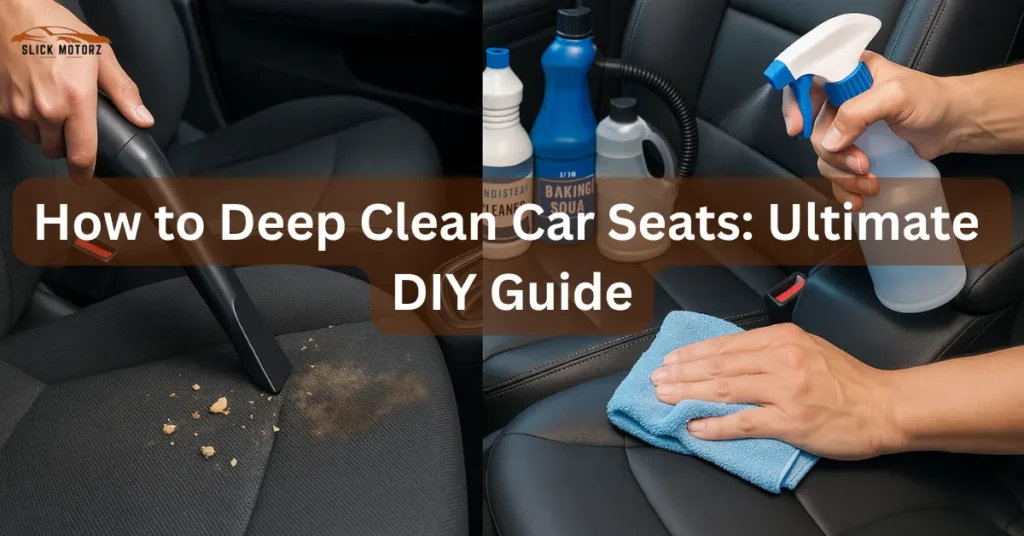
Start by removing loose dirt and crumbs. Use a vacuum with a brush attachment to gently go over the seats. Get into the creases and seams, where debris collects. This prevents grit from scratching the leather during cleaning.
2. Wipe Down The Surface
Dampen a microfiber cloth with distilled water. Wipe the seats to lift surface dust and oils. Don’t soak the leather—just damp, not wet. This step helps you see areas that need deeper cleaning.
3. Apply Leather Cleaner
Put a small amount of leather cleaner on a clean cloth or soft brush. Test in a hidden spot first to check for color changes. If safe, gently work the cleaner into the leather using circular motions. Focus on stained or high-contact areas, like seat edges and headrests.
4. Scrub Gently
For stubborn spots, use a soft-bristle brush or old toothbrush. Be gentle—don’t scrub hard. Let the cleaner do the work. Work in small sections, and never let the cleaner dry on the seat.
5. Wipe And Rinse
Take another clean, damp cloth and wipe away the cleaner and loosened dirt. Always use distilled water. Change cloths if one gets too dirty. Repeat until the seat is clean.
6. Dry The Leather
Use a dry microfiber towel to gently blot the seats. Don’t rub hard. Air drying is fine, but avoid direct sunlight or heat guns, which can crack the leather.
7. Condition The Leather
Once dry, apply a leather conditioner. Use a small amount, spreading evenly with a clean cloth. This step restores oils, keeps leather soft, and creates a barrier against future stains. Wait 1–2 hours before sitting on the seats, so the conditioner absorbs fully.
How Often Should You Clean White Leather Seats?
Frequency matters as much as technique. For daily drivers, wipe down seats weekly and deep clean monthly. For less-used cars, a monthly wipe and seasonal deep clean may be enough.
Here’s a quick overview:
| Cleaning Task | Recommended Frequency | Why It Matters |
|---|---|---|
| Light wipe-down | Once a week | Removes dust, sweat, and surface dirt |
| Deep cleaning | Once a month | Prevents stains, keeps leather bright |
| Conditioning | Every 2–3 months | Maintains softness and prevents cracking |
One insight many owners miss: spot clean stains immediately. The longer a spill sits, the deeper it soaks in, making removal much harder.
Dealing With Stubborn Stains
Not all stains come out with regular cleaning. Ink, dye transfer, grease, and food can require special methods.
Ink Or Dye Transfer
For pen marks or blue jean stains, try a leather-specific stain remover. Never use nail polish remover or alcohol—they can bleach the leather. Dab, don’t rub. If the stain remains, consult a professional.
Grease Or Oil
Sprinkle a little cornstarch or talcum powder on the spot. Let it sit overnight to absorb the oil, then brush off gently. Repeat if needed before normal cleaning.
Food And Drink
Blot up spills right away with a paper towel. Use your cleaner as soon as possible. Avoid hot water, which can set stains.
Mold Or Mildew
Mix a solution of equal parts distilled water and white vinegar. Lightly wipe the area, then clean again with your regular leather cleaner. Dry well.
Comparing Leather Cleaners For White Seats
Choosing the right cleaner makes a big difference. Here’s a quick comparison of popular types:
| Cleaner Type | Main Benefit | Best For | Notes |
|---|---|---|---|
| pH-balanced spray | Gentle, safe for frequent use | All leather types | Won’t strip natural oils |
| Foaming cleaner | Good for deep stains | Older or heavily soiled seats | Rinse thoroughly |
| Cream/lotion | Conditions while cleaning | Dull or dry leather | Buff well after use |
| DIY mild soap solution | Cheap and easy | Light cleaning only | Don’t use dish soap or detergents |
Always read labels and avoid all-purpose cleaners or anything with ammonia.
Common Mistakes To Avoid
Many car owners try to clean white leather seats with good intentions but end up causing damage. Here are mistakes to avoid:
- Scrubbing too hard: Leather is tough, but not immune to scratches or scuffs.
- Using household cleaners: Most are too harsh and will dry out or discolor leather.
- Skipping conditioning: Clean seats can still crack if not conditioned regularly.
- Letting seats air dry in sun: Direct sunlight speeds up drying but can fade and stiffen leather.
- Not testing new products: Always test in a hidden spot before full use.
- Over-wetting the seats: Too much water can seep into seams and padding, leading to mold or odor.
- Ignoring small stains: Early treatment is always easier than removing set stains.
A surprising tip: even “natural” products like vinegar or baking soda can be risky for white leather. Always follow your car manufacturer’s recommendations.
Protecting White Leather After Cleaning
Prevention is just as important as cleaning. Protecting your white leather will keep your seats looking new longer and reduce how often you need deep cleaning.
Use Seat Covers For High-risk Days
If you’re wearing new jeans, have pets, or expect spills, use temporary seat covers or towels. These act as a barrier against dye transfer and mess.
Park In The Shade
UV rays fade and dry out leather. Park in garages or shaded spots when possible. Window tints or sunshades help block damaging rays.
Clean Clothes And Skin
Oils, lotions, and hair products transfer to seats every time you drive. Wearing clean clothes and wiping exposed skin (like legs or arms) before sitting can make a real difference.
Regular Conditioning
Leather conditioner adds a protective layer. Use every 2–3 months, or more often in hot/dry climates.
Quick Response To Spills
Keep a small cleaning kit in your car—microfiber cloth, leather wipes, and a mini bottle of cleaner. Fast response prevents stains from setting.

Credit: www.kellymitsubishiemmaus.com
When To Call A Professional
Sometimes, DIY cleaning isn’t enough. If you have:
- Deep, set-in stains that don’t lift after two tries
- Cracked, peeling, or flaking leather
- Strong odors from mold or spills
- Leather that feels sticky after cleaning
…it’s best to see a professional detailer. They have the right tools and products, and can often restore even badly stained seats. Remember, over-cleaning or using the wrong products can void your car’s warranty on interior materials.
The Science Behind Leather Cleaning
White leather is usually coated with a protective finish—a thin, clear layer that guards against spills and UV rays. This finish makes cleaning safer, but it wears away over time, especially if cleaned with strong chemicals or rough tools.
Most leather used in cars is “top-grain” or “corrected-grain. ” It’s durable and designed to last, but still needs regular care. The pores in leather can trap oils and dyes, making it hard for cleaning products to reach deep stains.
One insight: conditioners don’t just keep leather soft. They also replace lost oils, which help the leather “self-heal” small scratches. Skipping conditioning leads to brittle leather that cracks easily.
Credit: www.rsautospa.ca
Eco-friendly Cleaning Options
If you prefer natural or eco-friendly products, you still need to be careful. Not all “green” cleaners are safe for white leather. Here are some options that work:
- Castile soap: A very mild, vegetable-based soap. Mix a few drops with distilled water.
- White vinegar (diluted): Good for mold, but must be followed by conditioning.
- Steam cleaning: Some detailers use low-moisture steam. Never use a home steam cleaner—it can damage the seat.
Always spot-test, and never soak the leather.
Diy Leather Cleaner Recipe (for Emergencies)
If you’re caught without a store-bought cleaner, mix this gentle solution:
- 1 cup distilled water
- 1 teaspoon castile soap (or unscented baby soap)
- (Optional) 2–3 drops olive oil for conditioning
Mix in a spray bottle. Spray lightly on a microfiber cloth, not directly on the seat. Wipe gently, then rinse with another damp cloth. Dry and condition as usual. Never use dish soap—it’s too harsh for white leather.
How To Maintain White Leather’s Brightness
Over time, even the cleanest seats can yellow or dull. Here’s how to keep them bright:
- Wipe seats after every trip if you sweat or eat in the car.
- Rotate conditioners—switch between brands to avoid buildup.
- Polish with a soft cloth after conditioning to boost shine.
- Don’t use colored seat cushions—they can bleed dyes.
- Keep windows closed during pollen season to avoid dust buildup.
A trick many miss: after cleaning, buff the seats with a dry, white cotton T-shirt. It lifts any extra moisture and leaves a soft, natural sheen.
Comparing White Leather To Other Interior Materials
Wondering how white leather compares to other popular car seat materials? Here’s a quick look:
| Material | Stain Resistance | Maintenance | Comfort | Typical Lifespan |
|---|---|---|---|---|
| White Leather | Low | High | High | 10–15 years |
| Black Leather | Medium | Medium | High | 10–15 years |
| Cloth | Medium | Low | Medium | 5–10 years |
| Vinyl | High | Low | Low | 8–12 years |
White leather needs the most care, but nothing matches its luxurious look and comfort.

Credit: www.youtube.com
Expert Tips For Long-lasting White Leather Seats
- Set a reminder for monthly cleaning and conditioning.
- Avoid eating or drinking in the car if possible.
- Carry a lint roller—it’s great for quick cleanup of pet hair or crumbs.
- Check seams and stitching regularly for dirt buildup.
- Open windows to air out the car after cleaning, but not in direct sunlight.
One advanced tip: invest in a small UV-protectant spray made for leather. This adds extra defense against fading, especially if you live in a sunny climate.
Frequently Asked Questions
How Do I Remove Blue Jean Stains From White Leather Car Seats?
Blue jean stains are a common problem. Use a pH-balanced leather cleaner and a soft-bristle brush. Gently scrub the stained area, then wipe with a clean, damp microfiber cloth. If the stain is stubborn, try a leather-specific stain remover (never use bleach or alcohol).
Prevent future stains by wiping seats regularly and using seat covers when wearing new or dark jeans.
Can I Use Household Wipes Or Cleaning Sprays On White Leather Seats?
No. Most household wipes and sprays contain chemicals that are too harsh for leather. They can strip the protective coating, cause drying, or discolor the leather. Always use products labeled safe for automotive leather, or a mild DIY solution with distilled water and castile soap.
What Should I Do If My White Leather Seats Start To Crack?
Cracking usually means the leather is too dry. Stop cleaning for a while and focus on conditioning. Apply a high-quality leather conditioner every week for a month to restore lost oils. If the cracks are deep or spreading, consult a professional detailer—they may be able to fill or repair the damage.
How Can I Protect White Leather Seats From Sunlight?
Use sunshades or window tints to block UV rays. Park in the shade or garage whenever possible. Regular conditioning also adds a small amount of UV protection. For extra defense, use a UV-blocking leather protectant spray. Clean and condition more often in hot, sunny climates.
Is It Safe To Use Vinegar Or Baking Soda On White Leather Car Seats?
Only in limited cases. Diluted white vinegar can help remove mold or mildew, but it must be followed by conditioning to restore oils. Baking soda can scratch the leather or leave residue, so it’s not recommended. Always test any new product in a hidden spot first and follow up with a leather conditioner.
Keeping white leather car seats clean takes commitment, but the results are worth it. With the right tools, gentle techniques, and regular attention, your car interior will stay bright, soft, and beautiful for years. For more details on leather care, visit Consumer Reports. Treat your white leather well, and it will reward you with comfort and style every time you drive.