You want your car to look its absolute best, right? Polishing your car is one of the simplest and most effective ways to bring out that fresh, showroom shine.
But maybe you’re wondering how to do it without spending a fortune or making mistakes that could harm your paint. This guide will walk you through easy steps to polish your car like a pro, whether it’s your first time or you want to improve your technique.
By the end, you’ll know exactly what tools to use, how to apply polish safely, and how to protect your car’s finish so it turns heads every time you drive. Ready to give your car that stunning glow? Let’s get started!

Credit: www.jdpower.com
Preparing Your Car
Preparing your car is the first step to a smooth polish. Clean surfaces help the polish work better. Dirt and grime can cause scratches if not removed properly. Take time to ready your car carefully for the best shine.
This preparation also protects your paint and saves effort later. Follow the steps below to get your car ready for polishing.
Washing And Drying
Start by washing your car with a gentle car shampoo. Use a soft sponge or mitt to avoid scratching the paint. Rinse well to remove all soap and dirt.
Dry your car completely using a microfiber towel. Avoid air drying to prevent water spots. Pat dry instead of rubbing to protect the finish.
Removing Contaminants
Use a clay bar to remove embedded contaminants. This step clears away tar, tree sap, and industrial fallout. Lubricate the surface with a clay lubricant to avoid damage.
Work in small sections, gently rubbing the clay over the paint. Wipe off residue with a clean microfiber cloth. Your paint will feel smooth and ready for polishing.
Inspecting Paint Condition
Check your paint under bright light or sunlight. Look for scratches, swirls, or oxidation. Notice any dull or rough spots that need extra attention.
This inspection guides your polishing process. Knowing paint condition helps choose the right polish and technique. It also shows areas that may need more care.
Choosing Polishing Products
Choosing the right polishing products is key to a shiny, smooth car surface. The right polish and tools help remove scratches, swirls, and dullness. Picking suitable products protects your paint and makes polishing easier. Understanding types of polish, applicators, and buffers guides you to the best results.
Types Of Car Polish
Car polishes come in many forms. Cutting polish removes deep scratches and oxidation. It is more abrasive and best for heavy damage. Finishing polish is gentle and adds shine after cutting polish. All-in-one polish combines cutting and finishing steps for light correction. Choose polish based on your car’s paint condition and desired results.
Selecting Applicators And Tools
Applicators affect how polish spreads and works. Foam pads suit most polishes and offer good control. Microfiber cloths work well for finishing polish and light jobs. Wool pads provide strong cutting power but need skill to avoid damage. Choose tools that match your polish type and skill level for best results.
When To Use A Buffer
A buffer speeds up polishing and gives even results. Use it for large areas or heavy correction jobs. Buffers come as rotary or dual-action types. Dual-action buffers are safer for beginners and reduce risk of paint damage. Avoid buffers on thin or worn paint layers. Use a buffer only if comfortable with the tool and product.
Polishing Techniques
Polishing your car restores its shine and removes small scratches. Proper polishing techniques improve your vehicle’s look and protect the paint. This section explains effective methods to polish your car by hand or with a tool. Follow simple steps to get great results and keep your paint safe.
Hand Polishing Steps
Start with a clean, dry car surface. Apply a small amount of polish to a soft foam or microfiber applicator pad. Work on one small section at a time. Use gentle, circular motions to spread the polish evenly. Keep polishing until the product starts to dry or haze. Wipe off the residue with a clean microfiber cloth. Repeat on other sections until the entire car is polished.
Hand polishing is slower but offers full control. It suits smaller areas and light imperfections. Always use gentle pressure to avoid damaging paint.
Using A Dual-action Polisher
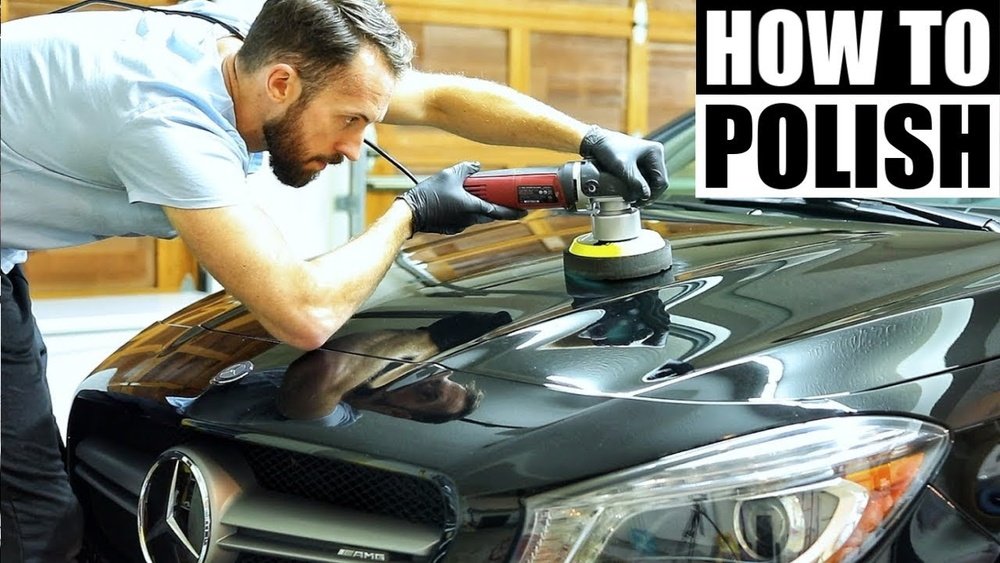
A dual-action polisher makes polishing faster and easier. Attach a polishing pad to the machine. Spread polish on the pad or car surface. Turn the polisher on at low speed and move it in slow, overlapping passes. Keep the pad flat and avoid staying in one spot too long. Increase speed slightly if needed, but stay cautious. After polishing, wipe off any haze with a microfiber cloth.
This tool reduces fatigue and gives a more even finish. It is ideal for larger surfaces and moderate paint correction.
Avoiding Common Mistakes
Do not polish a dirty or wet car. Dirt can cause scratches. Avoid pressing too hard with polish or polisher. Excessive pressure damages paint layers. Do not rush polishing steps. Take time to work carefully on each area. Avoid polishing in direct sunlight or very hot conditions. Heat causes polish to dry too fast and leaves streaks. Always test polish on a small area first. This prevents unexpected damage or color changes.

Credit: www.wikihow.com
Correcting Paint Imperfections
Correcting paint imperfections is key to restoring your car’s shine. Small scratches, swirls, and oxidation dull the paint’s surface. Removing these flaws improves the car’s look and protects the paint. Polishing is the best way to fix these issues. It smooths the surface and brings back the glossy finish.
Careful correction makes the paint look new again. This process takes time but shows clear results. Use the right tools and polish to avoid damage. Let’s explore how to remove swirls, deal with oxidation, and use multi-stage polishing.
Removing Swirls And Scratches
Swirls and scratches happen from washing or road debris. Use a fine polish with a soft pad. Apply polish in small sections with circular motions. This lifts scratches and smooths the paint. Wipe off residue with a clean microfiber cloth. Repeat if needed for deeper scratches. Always test polish on a small area first.
Dealing With Oxidation
Oxidation makes paint look faded and chalky. Use a polishing compound designed for oxidation removal. Apply it with a machine polisher or by hand. Work the product evenly over the affected areas. This removes the oxidized layer and restores color. Finish with a light polish to add shine. Protect the paint after polishing with wax or sealant.
Multi-stage Polishing Process
Some paint defects need more than one step. Start with a heavy-cut compound to remove deep scratches. Follow with a medium polish to smooth the surface. Finish with a fine polish to boost gloss and clarity. Use different pads for each stage. Clean pads between steps to avoid cross-contamination. This process delivers a flawless, mirror-like finish.
Protecting The Polished Surface
After polishing your car, the surface looks smooth and shiny. This fresh finish needs protection. Polishing removes minor scratches and imperfections but also strips some protective layers. Protecting the polished surface keeps your car looking new longer. It prevents dirt, water spots, and UV rays from damaging the paint. Applying a protective layer is a key step to preserve your work.
Applying Wax Or Sealant
Wax and sealants create a barrier on your car’s paint. Wax is natural and gives a deep shine. Sealants are synthetic and last longer. Both protect the polished surface from contaminants and fading. Use a clean applicator pad to spread wax or sealant evenly. Let it dry to a haze, then buff with a soft cloth. This step locks in the shine and adds a smooth finish.
Benefits Of Waxing After Polishing
Waxing enhances the car’s gloss and depth. It fills tiny imperfections left by polishing. Wax also repels water and dirt, making cleaning easier. It reduces the chance of swirl marks and scratches. Wax adds a layer that guards against UV rays and oxidation. The polished surface stays vibrant and protected for weeks.
Maintaining Shine Over Time
Regular maintenance keeps the shine strong. Wash your car gently using pH-neutral soap. Avoid harsh chemicals that break down wax or sealant. Apply a fresh coat of wax every few months. Use quick detailers to remove light dust and fingerprints. Park in shaded areas to reduce sun damage. These habits extend the life of your polished surface.

Credit: www.youtube.com
Cost Factors For Polishing
Polishing your car improves its look and protects the paint. The cost of polishing depends on several factors. Knowing these factors helps you plan your budget better. Costs vary widely based on method, materials, and car condition.
Diy Vs Professional Services
DIY polishing kits cost less upfront. They include polish, pads, and sometimes a small buffer. You save money but spend more time and effort. Results may not be perfect without experience.
Professional services charge more. Experts use high-quality tools and products. They fix deeper scratches and swirls effectively. The price includes labor, skill, and better results. You pay for convenience and quality.
Price Influencers
Car size impacts polishing cost. Larger cars need more polish and time. Paint condition matters too. Deep scratches or oxidation require extra steps.
Additional services raise the price. Ceramic coatings, engine cleaning, or interior detail add cost. Location affects prices as well. Some cities charge more due to demand or labor costs.
Estimating Time And Effort
Polishing a small car may take a few hours. Bigger vehicles need more time and polish layers. Complex paint damage requires multiple polishing stages.
DIY polishing takes longer for beginners. Professionals work faster with experience and tools. Plan your schedule to match the effort needed. Time influences the overall cost and results.
Tips For Best Results
Achieving a flawless car polish requires more than just applying the product. Small details and careful planning make a big difference in the final shine. The following tips help you get the best results quickly and safely.
Working In The Shade
Direct sunlight can dry polish too fast. This causes streaks and uneven shine. Find a shaded area or garage to work comfortably. Shade keeps the polish wet longer. It allows you to work at a steady pace. Cooler surfaces also prevent heat damage to your car’s paint.
Using Quality Materials
Choose polish products made by trusted brands. Cheap polish can harm your paint or leave scratches. Use soft microfiber cloths or foam pads for application. These materials spread polish evenly without scratching. Replace cloths often to avoid dirt buildup. Quality tools protect your car and improve results.
Regular Maintenance
Polishing is not a one-time job. Clean and wax your car regularly to keep the shine. Dirt and grime build-up dulls the paint fast. Regular polishing removes small scratches and restores gloss. It also protects paint from fading and oxidation. Set a schedule every few months for best care.
Frequently Asked Questions
How Much Does A Full Car Polish Cost?
A full car polish typically costs between $150 and $300, depending on vehicle size and paint condition. Add-ons or multi-stage corrections increase the price. Professional services charge more for expertise and time, while DIY kits offer a budget-friendly option.
What Can I Use To Polish My Car At Home?
Use a quality car polish, microfiber towels, and an applicator pad. A buffer helps but isn’t essential. Wash your car first, then apply polish in small sections. Finish with wax or sealant to protect the shine.
Is It Better To Wax Or Polish A Car?
Polishing removes imperfections and smooths paint, while waxing protects and adds shine. Use polish first, then wax for best results.
Is Polishing Good For Your Car?
Polishing removes minor scratches and oxidation, restoring your car’s shine and smoothness. It enhances paint appearance but should be done carefully to avoid damage.
Conclusion
Polishing your car keeps its paint shiny and smooth. Use the right products and tools carefully. Take your time and work in small sections. Regular polishing protects your car from damage and fading. Clean your car before polishing for the best results.
Finish with wax or sealant to lock in shine. With practice, polishing becomes easier and more effective. Your car will look fresh and well cared for every time. Try polishing today and enjoy a brighter, cleaner ride.