
If you’ve ever noticed a stubborn, cloudy film on your car’s glass, especially after exposure to smoke, you know how frustrating it can be. This smoke film doesn’t just block your view—it can make driving unsafe and ruin your car’s interior feel.
But here’s the good news: you don’t have to live with it. You’ll discover simple, effective ways to remove that annoying smoke film from your car glass. Whether it’s from cigarettes, wildfires, or road pollution, you’ll learn how to get crystal-clear windows again—quickly and without expensive trips to the detailer.
Keep reading, and take back your clear view today!
Credit: prvaudio.com
Causes Of Smoke Film
Smoke film on car glass forms from tiny particles and oils in the air. These residues settle on the glass surface over time. The film looks cloudy and dull, reducing visibility and safety. Understanding what causes smoke film helps in effective removal and prevention.
Sources Of Smoke Residue
Smoke residue comes from many sources inside and outside the car. Cigarette smoke is the most common cause. It releases tar and oils that stick to glass. Other sources include burning incense, cigars, and wood fires near the vehicle. Even cooking smoke can contribute to the buildup.
Inside the car, plastics and dashboard materials release gases. These gases mix with smoke particles and form a sticky layer. Poor ventilation inside the vehicle makes the residue worse. Over time, the film becomes thick and harder to clean.
How Smoke Affects Car Glass
Smoke film creates a hazy layer on the glass surface. This layer blocks light and reduces clarity. Drivers may notice glare from headlights or sunlight. The film also traps dust and dirt, making windows look dirty faster. This buildup can cause streaks and spots that are tough to remove.
Besides reducing visibility, smoke film damages the glass over time. The oils and chemicals can etch the surface. This damage makes cleaning less effective and may require professional care. Removing the film regularly keeps glass clear and safe for driving.
Preparation Steps
Removing smoke film from car glass needs careful preparation. Proper steps make cleaning easier and more effective. Preparing your workspace and tools saves time and avoids mistakes. This section covers key preparation steps before you start cleaning.
Gathering Cleaning Supplies
Collect all needed supplies before cleaning your car glass. Get a good glass cleaner that removes smoke residue. Use microfiber cloths to avoid scratches on glass surfaces. Prepare a soft sponge or non-abrasive scrubber for stubborn film. Have a spray bottle with water or vinegar solution ready. Keep a bucket for rinsing your cloth or sponge. Having all supplies at hand helps work smoothly.
Safety Precautions
Work in a well-ventilated area to avoid inhaling fumes. Wear gloves to protect your skin from cleaning chemicals. Use eye protection if splashes might occur. Avoid mixing chemicals, as this can cause harmful reactions. Keep cleaning products away from children and pets. Take breaks if you feel dizzy or uncomfortable. Safety first keeps the cleaning process safe and healthy.
Cleaning Techniques
Removing smoke film from car glass requires effective cleaning techniques. The film forms a stubborn layer that dulls visibility. Simple household items and commercial products can restore clarity. Choose a method that suits your needs and materials available. Consistent cleaning keeps your glass clear and safe for driving.
Using Vinegar And Water Solution
Mix equal parts of white vinegar and water in a spray bottle. Spray the solution onto the glass surface. Wipe gently with a clean microfiber cloth in circular motions. Vinegar cuts through smoke film and grease effectively. Repeat the process until the glass looks clear and shiny.
Applying Baking Soda Paste
Make a paste by mixing baking soda with a small amount of water. Apply the paste to the smoky glass using a soft cloth. Rub gently in small circles to lift the film. Baking soda acts as a mild abrasive to remove residue. Rinse the glass with clean water and dry it well.
Commercial Cleaners For Smoke Film
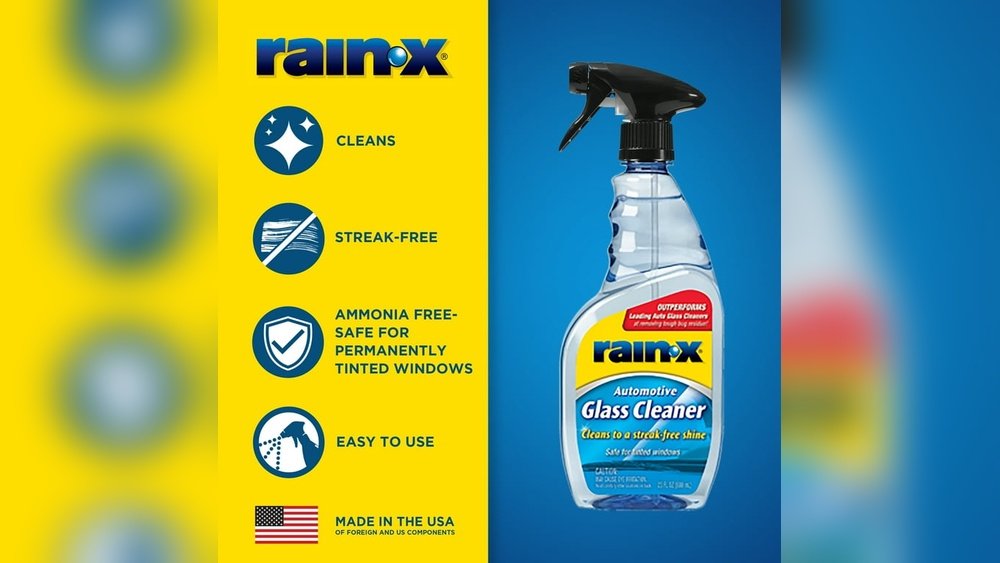
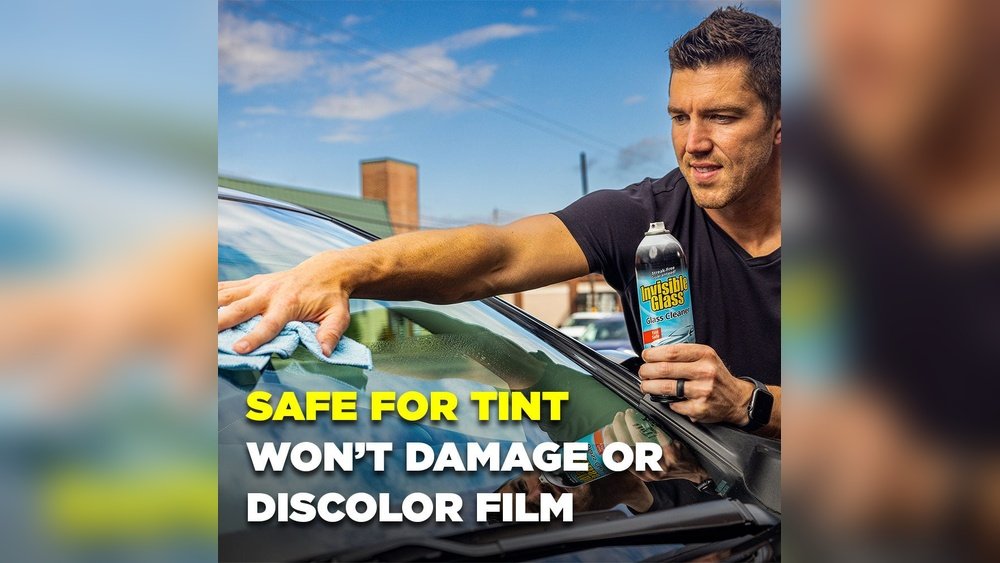
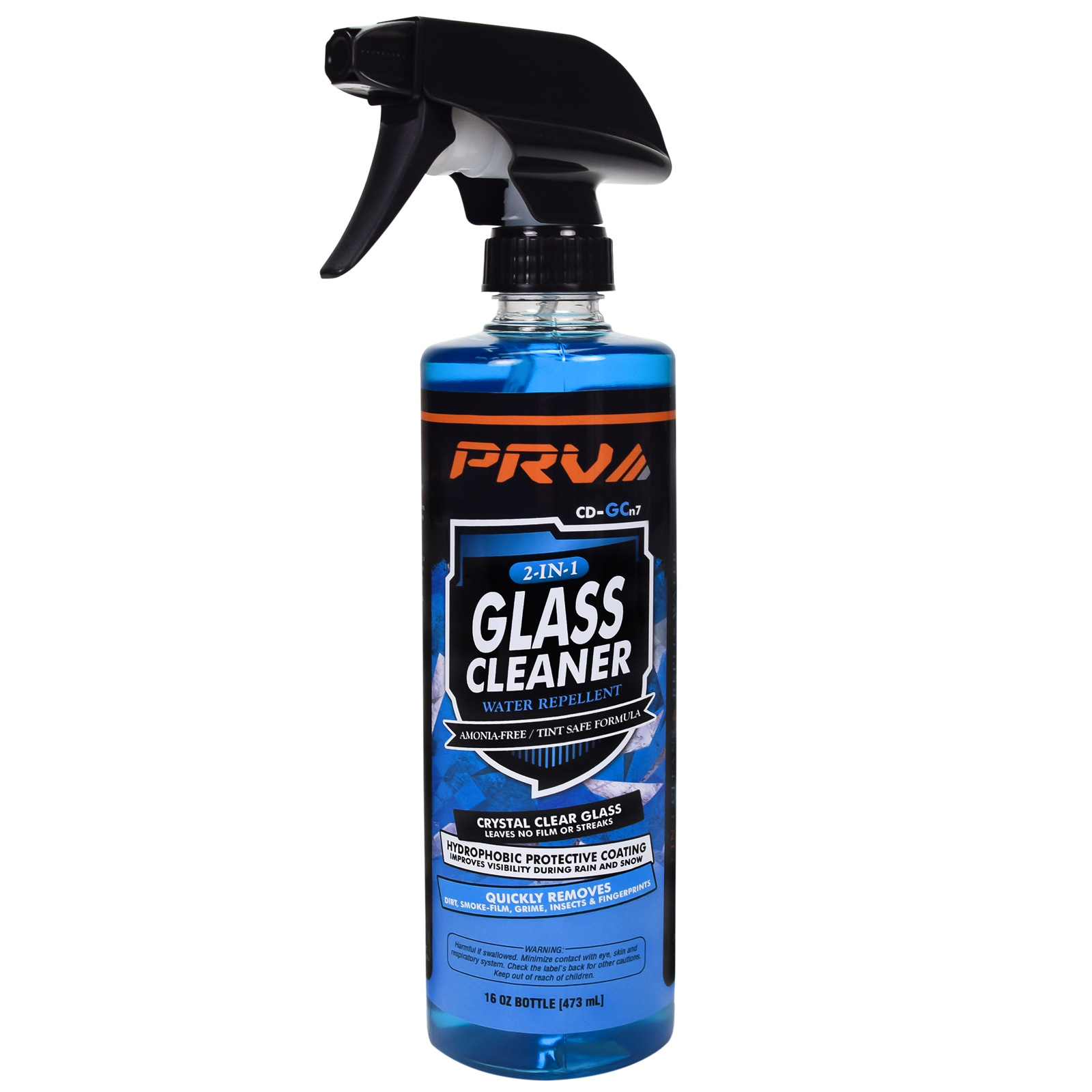
Choose a glass cleaner made for smoke or film removal. Follow the product instructions carefully for best results. Spray the cleaner on the affected glass areas. Use a lint-free cloth to wipe the surface thoroughly. These cleaners are formulated to dissolve tough smoke deposits quickly.
Tools For Effective Cleaning
Cleaning smoke film from car glass requires the right tools. Using proper equipment makes the job easier and more effective. Choose tools that protect the glass and remove grime thoroughly. The right tools also help avoid scratches and streaks. Below are key tools to help you clean smoke film efficiently.
Microfiber Cloths And Sponges
Microfiber cloths are soft and gentle on glass surfaces. They trap dirt and oils without leaving lint behind. Use a clean, damp microfiber cloth to wipe the glass after applying cleaner. Sponges with a smooth surface work well for spreading cleaning solutions evenly. Avoid rough sponges that might scratch the glass. Both cloths and sponges dry quickly and are easy to rinse out.
Scrapers And Brushes
Scrapers help remove stubborn smoke residue stuck on the glass. Use plastic or rubber scrapers to avoid damaging the surface. Metal scrapers can cause scratches and should be avoided. Brushes with soft bristles can clean edges and corners where film builds up. Choose brushes designed for glass cleaning to ensure gentle but thorough action. These tools reach spots cloths and sponges cannot.
Removing Stubborn Smoke Residue
Removing stubborn smoke residue from car glass requires patience and the right products. Smoke film can cling tightly to the glass surface, making regular cleaning ineffective. This residue dulls visibility and can cause eye strain while driving. Effective cleaning methods break down the oily layer left by smoke. Two common and practical solutions include using rubbing alcohol and ammonia-based cleaners. Both help dissolve the sticky film and restore clear glass quickly.
Using Rubbing Alcohol
Rubbing alcohol is a powerful solvent that cuts through smoke residue. Apply it to a clean cloth or spray bottle for easy use. Wipe the glass surface in circular motions to lift the film. Avoid using too much liquid to prevent drips inside the car. After rubbing, use a dry microfiber cloth to remove any streaks. Repeat the process if some residue remains. Rubbing alcohol evaporates fast, leaving the glass clear and clean.
Employing Ammonia-based Products
Ammonia-based cleaners are effective for tough smoke stains. They break down the oils and dirt left behind by smoke particles. Spray the cleaner directly on the glass or on a cloth. Wipe the surface carefully, focusing on areas with heavy buildup. Always use these products in a well-ventilated area. Ammonia has a strong smell and can irritate the eyes or throat. After cleaning, buff the glass with a soft towel for a streak-free finish.
Credit: www.lvtint.com
Preventing Smoke Film Build-up
Preventing smoke film build-up on car glass keeps your windows clear and safe. Smoke film appears as a thin, sticky layer on the inside of glass surfaces. It reduces visibility and can be hard to remove if left for long. Taking steps to stop this film from forming helps maintain a clean car interior. Simple habits and care can greatly reduce smoke residue on your windows.
Regular Cleaning Schedule
Clean your car windows often to stop smoke film from settling. Use a good glass cleaner and a microfiber cloth for best results. Wipe both inside and outside surfaces regularly. This removes fresh smoke particles before they stick and form a film. Set a cleaning routine, such as every week or biweekly. Consistent cleaning keeps your windows clear and streak-free.
Improving Car Ventilation
Good airflow prevents smoke from lingering inside the car. Open windows or use the car’s ventilation system while smoking. Turn on the air conditioner or heater fan to circulate fresh air. This reduces smoke particles that settle on glass surfaces. Avoid recirculating air mode, as it traps smoke inside. Ventilation helps keep the cabin air fresh and glass cleaner longer.
Dealing With Smoke Odor
Smoke odor inside a car can be tough to eliminate. The smell clings to fabrics, vents, and surfaces. Removing the smoke film from car glass is only part of the solution. Addressing the odor fully requires cleaning beyond the windows. This section explains practical steps to reduce and remove smoke smell from your vehicle.
Vacuuming And Upholstery Cleaning
Start by vacuuming all seats, carpets, and floor mats. Use a vacuum with a brush attachment for better dirt removal. Pay attention to crevices and under seats where ash and dust gather. Clean upholstery with a fabric-safe cleaner. Choose one designed to break down smoke residues. Spray lightly and scrub gently with a soft brush. Let the fabric dry completely before closing the doors.
Using Odor Neutralizers
Odor neutralizers help reduce smoke smell trapped in the car. Use products labeled as odor absorbers, not just air fresheners. Spray or place odor neutralizer packets inside the vehicle. Allow them to work for several hours or overnight. Natural options like baking soda or activated charcoal can absorb smells. Sprinkle baking soda on carpets and seats, leave it for hours, then vacuum thoroughly.
Replacing Cabin Air Filters
Smoke odor often lingers in the car’s ventilation system. Replacing the cabin air filter removes trapped smoke particles and dust. Locate the filter based on your car model, usually behind the glove box or under the hood. Purchase a new filter that fits your vehicle. Swap out the old filter for a fresh one. This step improves air quality and helps stop smoke smell from returning.

Credit: www.amazon.com
Professional Detailing Options
Professional detailing offers strong solutions to remove smoke film from car glass. These services use advanced tools and methods. They clean deeper than regular home attempts. Choosing a professional can save time and effort. It can also protect your car’s interior surfaces.
Ozone Treatments
Ozone treatments remove smoke odors and films at the molecular level. The process uses ozone gas to break down smoke particles inside the car. This treatment reaches places that regular cleaning misses. Ozone neutralizes the odor instead of just masking it. It also helps clear the film from glass surfaces. A typical session lasts a few hours. It leaves the car smelling fresh and clean.
Steam Cleaning Services
Steam cleaning uses high-temperature steam to loosen smoke residue on glass. The heat and moisture help dissolve the sticky film. Professionals carefully clean all glass surfaces inside the car. Steam cleaning is safe for sensitive materials around the glass. It also removes dirt and other contaminants effectively. The process dries quickly and reduces streaks on glass. Steam cleaning often improves visibility and overall glass clarity.
Frequently Asked Questions
What Takes Smoke Film Off Car Windows?
Use a vinegar-water solution or a commercial glass cleaner to remove smoke film from car windows. Wipe with a microfiber cloth. Repeat if needed.
How To Remove Smoke Haze From Windshield?
Use a glass cleaner with vinegar or ammonia-based solution. Wipe with a microfiber cloth in circular motions. Repeat if needed. Ventilate the car to prevent haze buildup.
What Do Car Dealers Use To Get Rid Of Smoke Smell?
Car dealers remove smoke smell using deep cleaning, enzyme cleaners, steam, cabin filter replacement, and ozone or chlorine dioxide generators. They also deodorize AC vents and air out the car thoroughly.
How Do I Get The Foggy Film Off The Inside Of My Windshield?
Use a vinegar-water mix or a dedicated glass cleaner with a microfiber cloth. Wipe the inside thoroughly. Ensure proper ventilation to prevent fog. For stubborn film, try a baking soda paste or rubbing alcohol on a cloth. Repeat as needed for clarity.
Conclusion
Removing smoke film from car glass restores clear visibility and safety. Use gentle cleaners and soft cloths for best results. Regular cleaning prevents buildup and keeps glass spotless. Avoid harsh chemicals that can damage surfaces or leave streaks. A clean windshield improves driving comfort and appearance.
Take time and care during the process for lasting effects. Your car will feel fresher and look well maintained. Clear glass means safer drives every day.