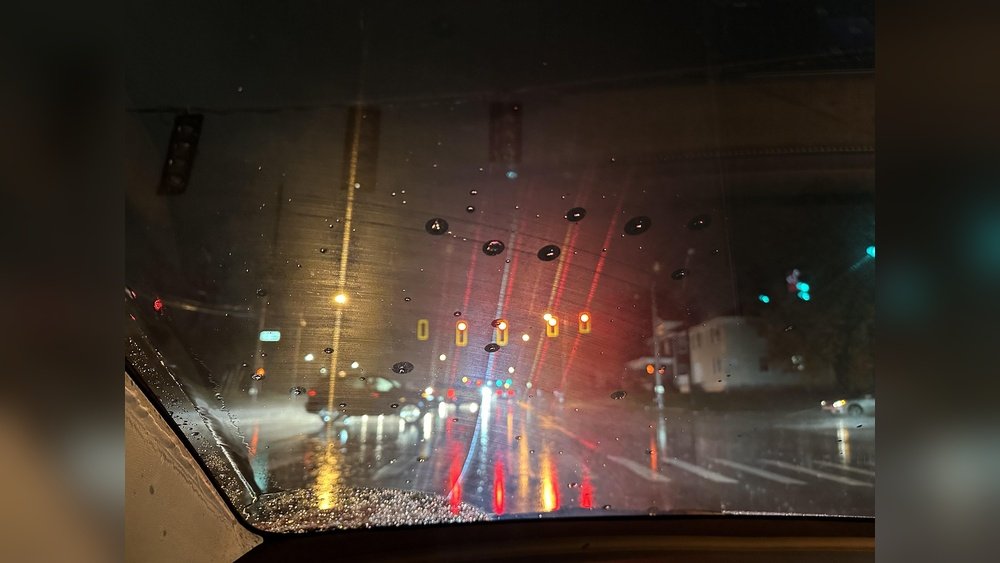
You’ve just cleaned your car windows, expecting a clear view, but instead, you’re left with annoying smears and streaks. It’s frustrating, isn’t it?
You might wonder why your effort doesn’t pay off with spotless glass. The truth is, smearing happens for a few simple reasons that most people don’t realize. You’ll discover exactly why your car windows smear instead of getting clean—and how you can fix it easily.
Keep reading, and you’ll learn the secrets to crystal-clear windows that make driving safer and more enjoyable.
Common Causes Of Smearing
Smearing on car windows often frustrates drivers trying to keep their glass clear. Several common causes lead to streaks and smudges instead of a clean, shiny finish. Understanding these reasons helps prevent smearing and improves window cleaning results. Below are the main factors that cause smears on car windows.
Insufficient Cleaner Usage
Using too little cleaner is a key reason for smearing. A small amount of liquid cannot dissolve dirt and grease completely. This leaves residue behind, causing streaks when wiped. Applying enough cleaner ensures dirt breaks down and wipes away easily. Spray a light but even layer over the surface for best results.
Wrong Cleaning Products
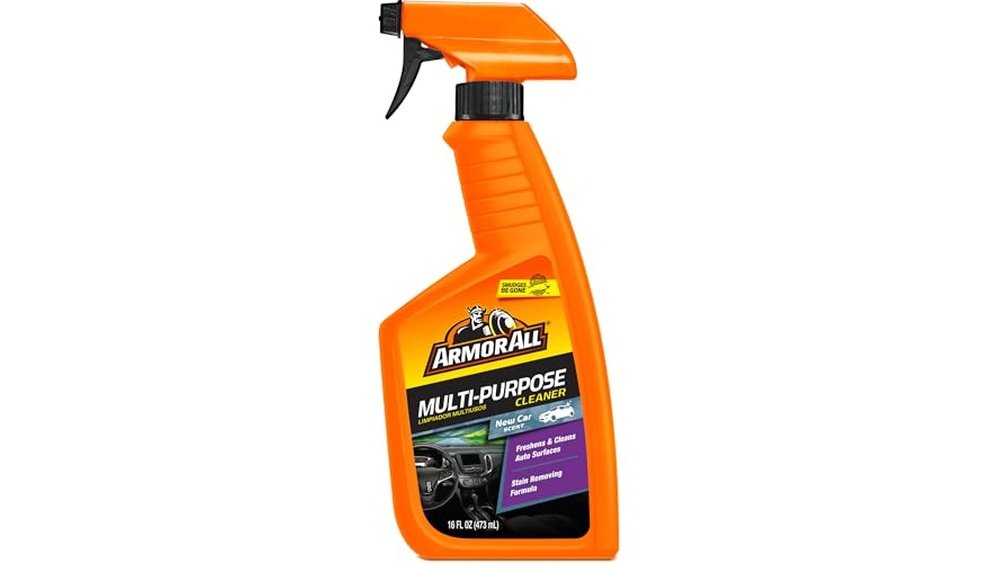
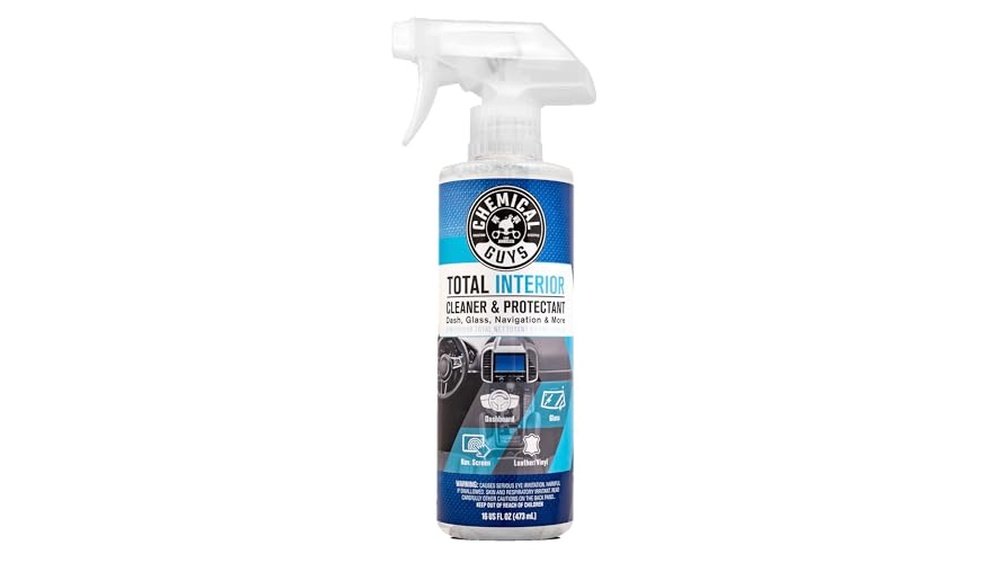
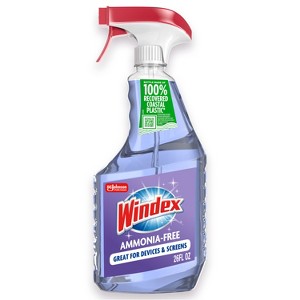
Some cleaners are not made for car glass. Household glass cleaners often contain ammonia, which can leave streaks or damage tint films. Using products designed for automotive windows improves cleaning without smears. Avoid harsh chemicals that leave films or react with road grime. Car-specific cleaners break down dirt safely and rinse cleanly.
Dirty Or Inappropriate Cloths
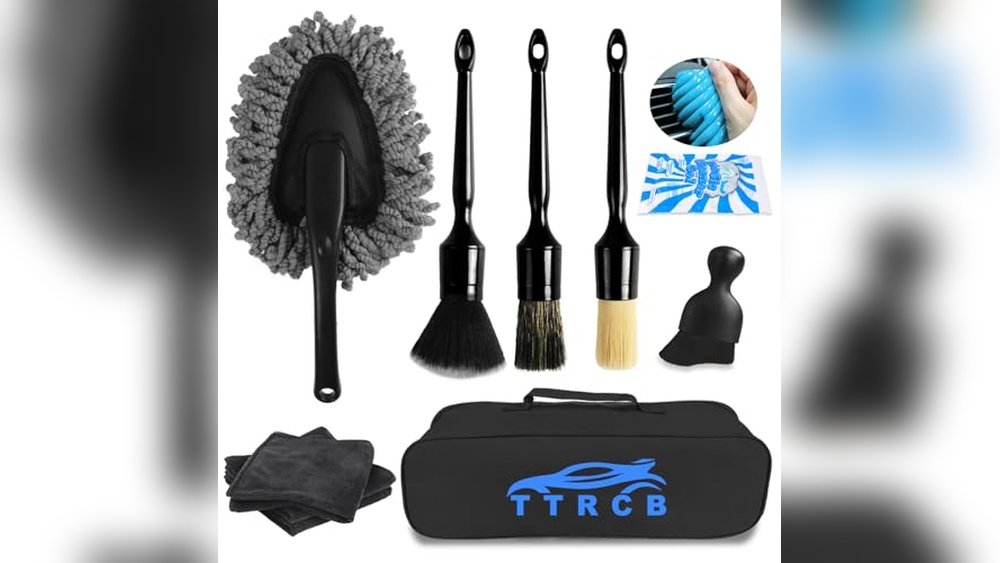
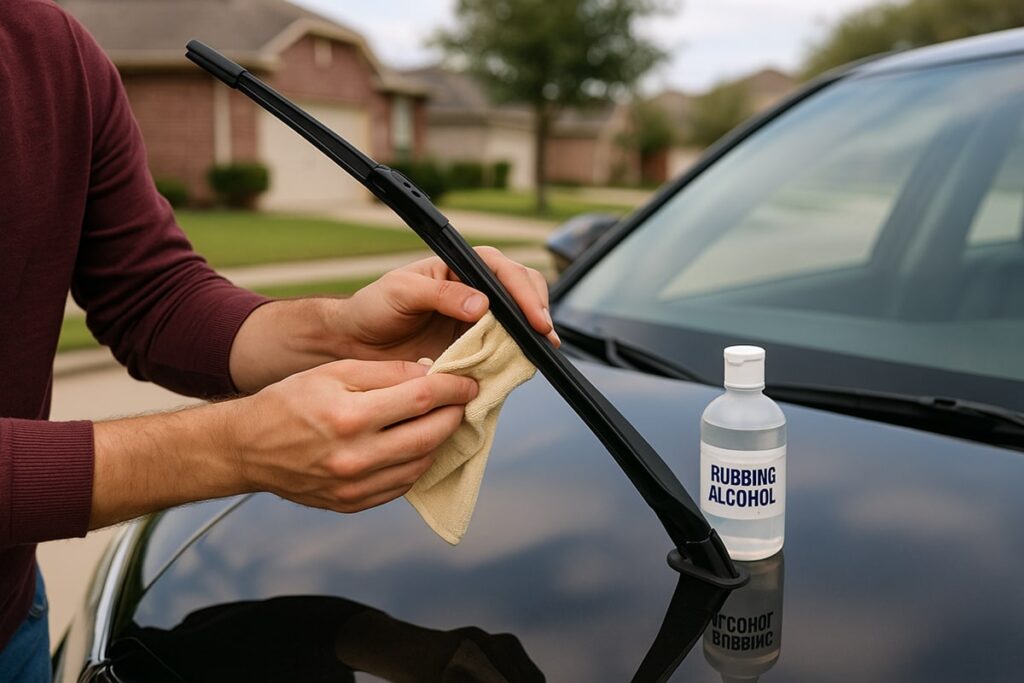
Cloths play a big role in window cleaning. Dirty cloths spread dirt and oils rather than remove them. Using old rags or paper towels can scratch glass or leave lint behind. Microfiber cloths are best as they trap dirt and absorb moisture well. Always use a clean, soft cloth and replace it often during cleaning.
Types Of Cleaners And Their Effects
Choosing the right cleaner affects how well your car windows get clean. Different cleaners leave different results on glass surfaces. Some cause smears and streaks. Others leave windows bright and clear. Understanding types of cleaners helps prevent smearing and keeps windows spotless.
Glass Cleaners Vs. Household Cleaners
Glass cleaners are made specifically for windows and glass surfaces. They contain ingredients that dissolve dirt and grime without leaving residue. Household cleaners like kitchen sprays or soaps can leave oily films. These films cause smears and attract dust. Avoid using harsh household cleaners on car windows.
Impact Of Residue On Windows
Residue from cleaners builds up on the glass surface. This layer traps dirt and makes wiping harder. Smears happen when residue mixes with moisture and dirt. It reduces visibility and makes windows look dirty quickly. Proper cleaning removes residue and keeps glass clear for longer.
Choosing The Right Cleaner For Car Windows
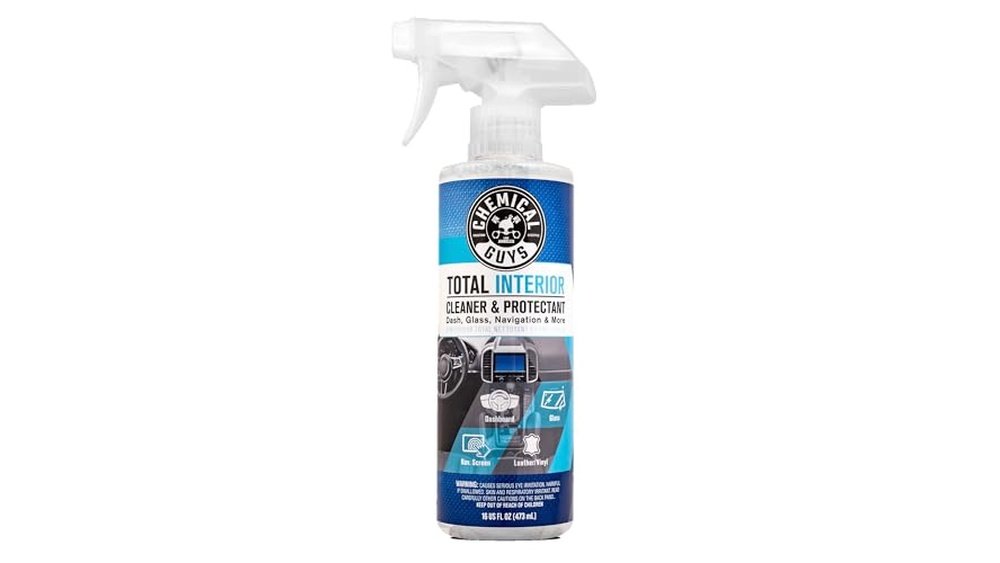
Pick a cleaner made for automotive glass or window surfaces. Look for ammonia-free formulas to protect window tint. Use a small amount to avoid excess residue. Pair the cleaner with a clean microfiber cloth. This combo removes dirt without causing smears or streaks.
Best Cloths For Streak-free Cleaning
Choosing the right cloth plays a big role in cleaning car windows without smears. The cloth must pick up dirt and moisture without leaving fibers or streaks behind. Using poor-quality cloths often causes smearing and frustration. Proper cloth selection helps achieve a crystal-clear finish every time.
Quality cloths also save time and effort. They reduce the need for repeated wiping and prevent damage to the glass surface. Let’s explore the best cloth types and how to use them for streak-free windows.
Microfiber Cloth Grades
Microfiber cloths come in different grades, designed for various cleaning tasks. A thicker, plush microfiber is excellent for lifting dirt and grime from windows. It traps particles inside its fibers instead of spreading them around.
For polishing, use a finer, smoother microfiber cloth. This grade removes any leftover streaks and gives a shiny finish. Using two grades in sequence provides the best results—clean first, then polish.
Avoiding Paper Towels And Dirty Rags
Paper towels often leave lint and tiny particles on glass. These bits create streaks and smears that are hard to remove. Dirty rags carry old dirt and oils, smearing more than cleaning.
Always avoid these materials for window cleaning. They do more harm than good. Stick to clean, soft microfiber cloths for a spotless, streak-free shine.
Proper Cloth Usage Techniques
Use a gentle, circular motion when wiping windows. Press lightly to avoid pushing dirt into the glass. Start cleaning with a damp microfiber cloth to lift grime effectively.
Dry the glass with a separate, dry microfiber cloth to prevent water spots. Change cloths if they get too dirty during the process. Clean cloths make all the difference in achieving streak-free windows.
Credit: soldierglass.com
Step-by-step Cleaning Process
Cleaning car windows without smears needs a careful process. Each step matters to avoid streaks and marks. Follow this step-by-step cleaning process for clear, spotless windows.
Applying Cleaner Correctly
Start with a good glass cleaner. Spray a small amount evenly on the window surface. Avoid soaking the glass; too much cleaner causes smears. Use a clean microfiber cloth for application. Wipe in one direction to lift dirt and grime. This method prevents spreading dirt around the glass.
Removing Stubborn Marks
Some spots need extra attention. Use a bit more cleaner on these marks. Gently rub the area with a soft cloth or sponge. Avoid harsh scrubbing to protect the glass. Repeat if needed until the marks fade. This step ensures all dirt is removed before polishing.
Polishing For A Clear Finish
Use a dry, clean microfiber cloth to polish the window. Move the cloth in horizontal and vertical strokes. This technique removes remaining streaks and smudges. Polish until the glass looks clear and shiny. Proper polishing gives your windows a perfect finish.
Interior Window Smearing Factors
Smearing on car windows often starts from the inside. Dirt, oils, and residues build up on interior glass surfaces. These unseen layers cause streaks and haze after cleaning. Understanding interior window smearing helps improve cleaning results and visibility. Let’s explore key factors that affect the inside of car windows.
Effects Of Interior Dirt And Oils
Inside windows collect dirt from hands, dust, and airborne particles. Natural oils from skin leave greasy films. These films trap dirt and create a sticky surface. When cleaning, these residues spread, causing smears instead of a clear finish. Even smoke or cooking fumes inside the car add to the oily buildup. Regular cleaning removes these layers and prevents smears.
Preventing Haze And Fog Build-up
Humidity inside the car causes fog and haze on windows. Moisture mixes with dirt and oils, creating a cloudy layer. This haze blocks clear vision and can worsen smearing. Using air conditioning and defoggers helps reduce moisture. Cracking a window slightly improves air flow and dries the glass faster. Keeping the interior dry stops haze and keeps windows clearer longer.
Cleaning Inside Vs. Outside Windows
Interior windows need gentle cleaning with proper tools. Outside glass faces dirt, rain, and road grime, requiring stronger cleaners. Using harsh chemicals inside can leave residues that cause smears. Microfiber cloths work best inside because they pick up dirt without scratching. Light sprays and careful wiping avoid spreading oils. Cleaning inside first improves overall window clarity and reduces smearing.
Credit: www.target.com
Defogging Tips For Clear Visibility
Clear visibility is essential for safe driving, especially on cold or humid days. Fogged windows reduce your view and cause smears instead of clarity. Using proper defogging methods helps keep your windows clean and clear. Here are practical tips to prevent smearing and improve visibility inside your car.
Using Defroster And Air Conditioning
The defroster directs warm air to your windshield and front windows. This warm air helps evaporate moisture on the glass. Turning on the air conditioning removes humidity from the air inside your car. Combine the defroster with the A/C for faster drying and clearer windows.
Managing Air Recirculation
Turn off the air recirculation setting. Fresh air from outside is usually less humid than the air inside your car. Bringing in outside air helps reduce moisture levels inside. This lowers fog buildup and prevents window smears.
Fan Speed And Temperature Settings
Set your fan speed to high for quick air movement. Use warm air to absorb moisture effectively. In hot and humid conditions, cool air with the A/C can also help. Adjust the temperature to balance comfort and defogging power.
Cracking Windows For Air Exchange
Opening your windows slightly lets humid air escape. It also allows drier air to enter your car. This exchange reduces moisture buildup on your glass surfaces. Even a small gap can improve defogging speed and reduce smears.
Preventive Measures To Avoid Smears
Preventing smears on car windows starts with good habits and simple checks. Clean windows improve visibility and safety. Smears often come from dirt, moisture, and residue left inside the car. Taking steps to stop these factors helps keep windows clear and spotless. Small changes in cleaning and care make a big difference.
Regular Cleaning Routines
Clean windows frequently to avoid buildup of dirt and oils. Use a microfiber cloth designed for glass cleaning. Avoid paper towels or rough cloths that leave lint behind. Spray a glass cleaner evenly and wipe in circular motions. Finish by wiping horizontally and vertically to remove streaks. Regular cleaning stops residue from becoming hard to remove.
Reducing Interior Moisture
Moisture inside the car causes fog and smears on windows. Use the car’s air conditioner or heater to dry the air. Avoid leaving wet items inside the car, like umbrellas or wet clothes. Crack a window slightly on humid days to let fresh air in. Keeping the interior dry reduces fog and prevents smearing when cleaning.
Diy Anti-fog Solutions
Simple homemade solutions help stop fog and smears on windows. Mix equal parts water and white vinegar in a spray bottle. Spray lightly on the glass and wipe with a clean cloth. Another option is using a small amount of shaving cream. Spread it on, then wipe it off to leave a thin protective film. These tricks reduce fog and keep windows clear longer.
Checking Cabin Air Filters
Dirty cabin air filters reduce air quality inside the car. They allow dust and pollutants to enter, causing smears on windows. Replace filters regularly based on the car’s manual. Clean filters improve airflow and reduce contaminants. Better air quality inside the car helps keep windows cleaner and clearer.

Credit: www.reddit.com
Common Mistakes To Avoid
Car windows often smear instead of getting clean due to simple errors during cleaning. Avoiding these mistakes can keep your windows clear and spotless. Understanding what not to do saves time and effort. Below are common mistakes to avoid for cleaner car windows.
Wiping With Hands
Using your hands to wipe windows leaves oils and dirt behind. These residues cause smears and streaks. Hands also lack the smoothness needed for a clean finish. Use a clean microfiber cloth instead for better results.
Overusing Air Recirculation
Keeping air recirculation on traps moisture inside the car. Moist air sticks to windows, causing fog and smears. Turn off air recirculation while driving to reduce inside moisture. Fresh air helps windows dry faster and stay clean longer.
Using Excessive Cleaner
Applying too much cleaner creates a slippery film on glass. This film smears easily and attracts dust quickly. Spray a small amount of cleaner on the cloth, not directly on the window. This method prevents streaks and leaves glass clear.
Ignoring Cloth Cleanliness
Dirty or old cloths spread dirt and oils instead of removing them. Using a clean, dry microfiber cloth is essential. Wash cloths regularly to keep them free of grime. Clean cloths help achieve a streak-free shine every time.
Frequently Asked Questions
Why Do My Car Windows Always Streaky When I Clean Them?
Car windows streak because of using too little cleaner, the wrong cleaner, or dirty/low-quality microfiber cloths. Use a clean, thick microfiber and proper glass cleaner for streak-free results. Wiping in multiple directions also helps remove residue and smudges effectively.
How To Get Rid Of Smears On Car Windows?
Use a microfiber cloth with a quality glass cleaner. Spray lightly, wipe stubborn spots first, then polish with a dry cloth using horizontal and vertical strokes.
How To Get Rid Of Haze On Car Windows?
Use the defroster with A/C on, turn off air recirculation, maximize fan speed and heat, and crack windows for air exchange. Keep windows clean and dry inside to prevent future haze.
How To Remove Cloudiness From Glass Windows?
Clean glass windows by wiping with a microfiber cloth and a vinegar-water solution. Rinse, dry with a lint-free cloth to remove cloudiness.
Conclusion
Car windows smear because of wrong cleaners or dirty cloths. Using the right microfiber cloth helps avoid streaks. Apply cleaner evenly and wipe in different directions. Clean windows improve visibility and safety while driving. Regular care prevents smears and keeps glass clear.
Simple steps make your windows look spotless every time. Keep your car windows clean for a safer ride.