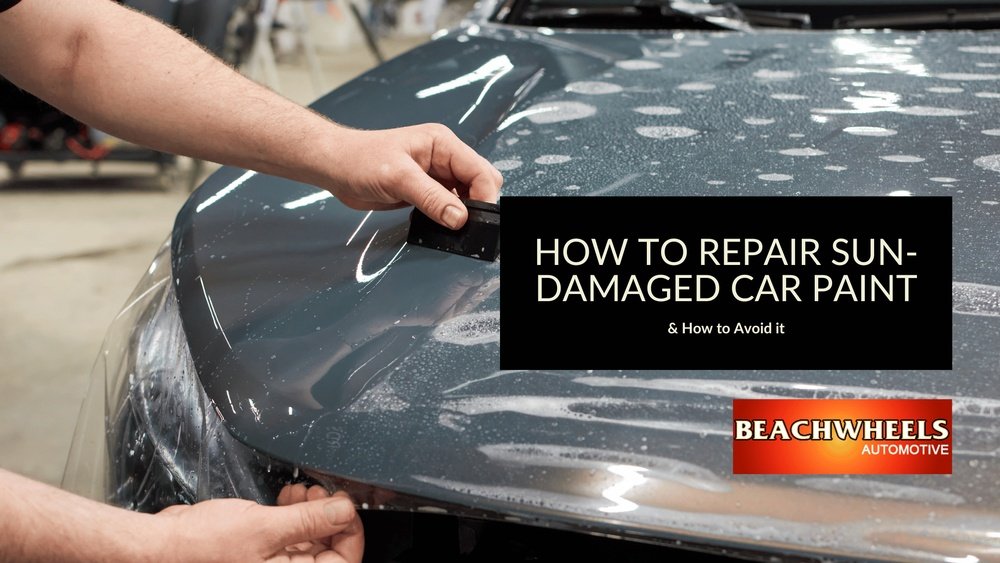
Your car’s paint is more than just a color—it’s your vehicle’s first line of defense against the harsh sun. But over time, relentless UV rays can leave your paint faded, oxidized, and peeling, making your car look older and worn out.
If you’re noticing dull spots, chalky surfaces, or clear coat failure, you might be wondering: can sun-damaged car paint really be fixed? The good news is yes, it can. Whether the damage is light or severe, you have options to restore your car’s shine and protect it from further harm.
In this guide, you’ll discover simple, step-by-step methods to repair sun-damaged paint yourself, plus tips on when it’s best to call in the pros. Keep reading to bring back that showroom glow and keep your car looking fresh for years to come.
Assessing Sun Damage
Assessing sun damage is the first step to restoring your car’s paint. It helps you understand how deep the damage is. This guides you on what tools and products to use. Proper assessment saves time and money. It ensures you do the right repair work.
Checking Paint Fading And Oxidation
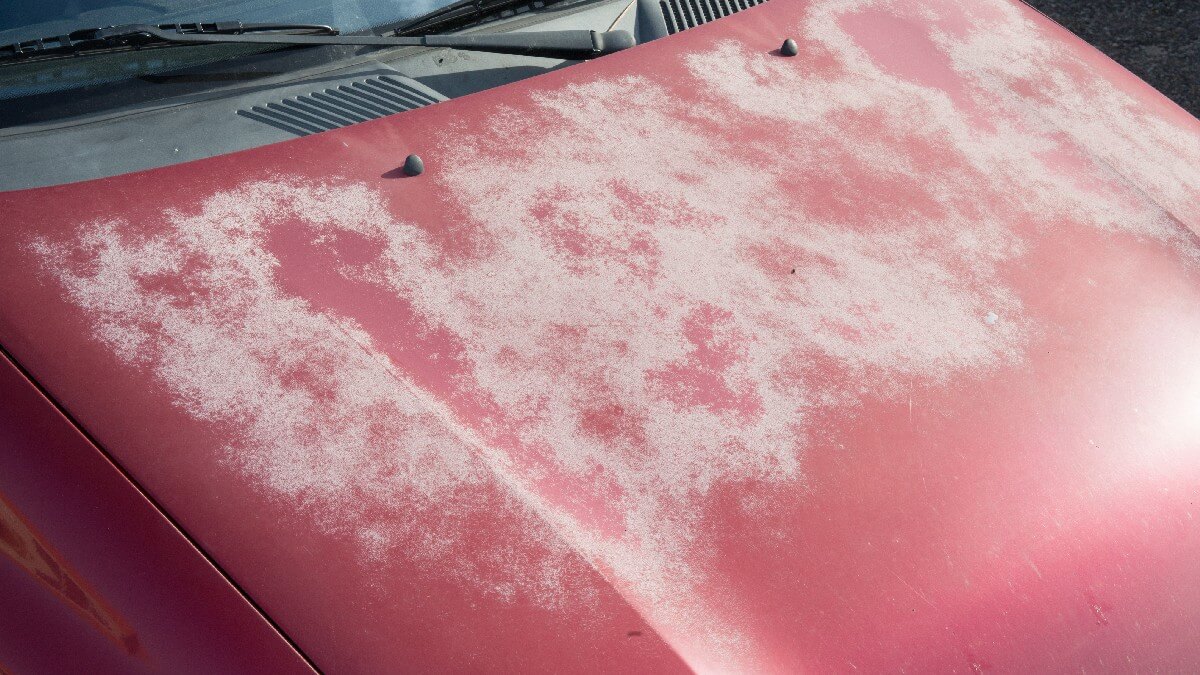
Look closely at your car’s surface under bright light. Fading shows as dull or chalky paint. Oxidation makes the paint look rough and powdery. Run your fingers across the paint. If it feels rough, oxidation is likely present. Small scratches and dull spots also hint at sun damage. Mild fading can often be fixed with polishing and waxing.
Identifying Clear Coat Peeling
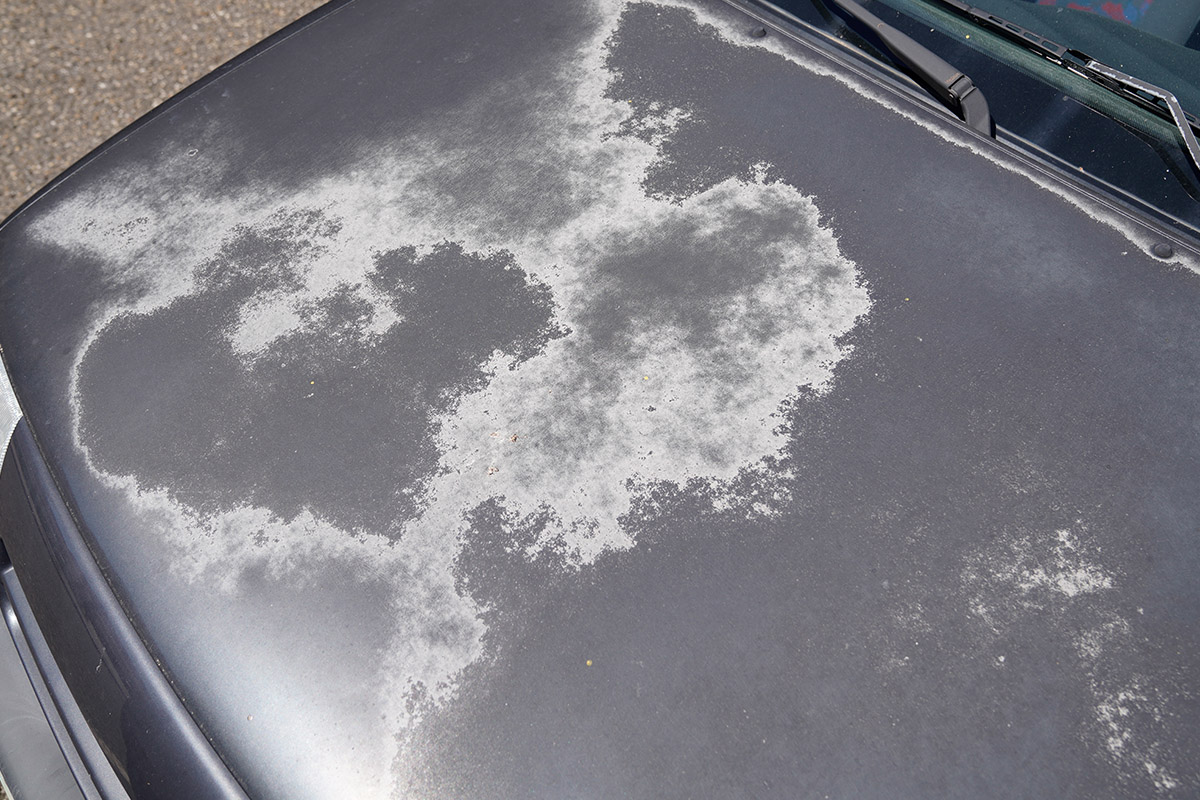
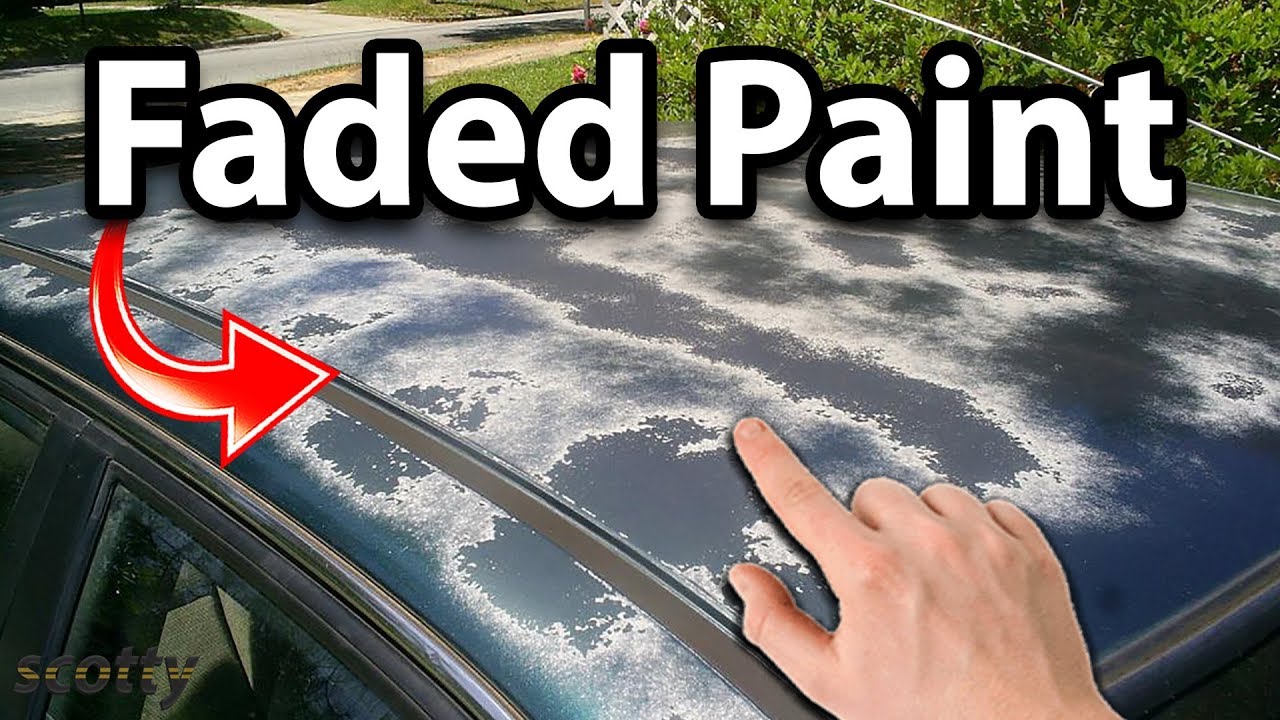
Clear coat peeling looks like small flakes or bubbles on the paint. It usually happens after long sun exposure. Tap the area gently with your fingernail. If the top layer lifts, the clear coat is peeling. Peeling means the paint is exposed to further damage. This requires sanding and repainting to protect the surface again.
Determining Repair Scope
Check how widespread the damage is across your car. Small faded spots need light polishing. Large patches with peeling clear coat need more work. Deep cracks or bare paint require sanding and new layers. Understanding the repair scope helps you plan and budget. It also decides if you can do it yourself or hire a pro.
Preparing The Surface
Preparing the surface is the first key step in fixing sun-damaged car paint. The paint must be clean and smooth before applying any treatments. Dirt and grime hide the true condition of the paint. Removing all contaminants helps the repair products work better and last longer.
Each stage of surface preparation builds on the last. Skipping any step can reduce the quality of the repair. Follow the process carefully to get the best results and make your car look fresh again.
Thorough Washing And Cleaning
Start with a deep wash using car shampoo and water. Use a soft sponge to avoid scratches. Rinse well to remove all soap and dirt. Pay special attention to areas with heavy grime or bird droppings. Clean surfaces allow repair products to bond correctly.
Using A Clay Bar To Remove Contaminants
After washing, use a clay bar to remove embedded particles. These particles do not come off with normal washing. Glide the clay bar gently over the wet paint surface. This step removes pollution, tree sap, and other stubborn residues. It leaves the paint very smooth and ready for polishing.
Drying And Inspecting The Paint
Dry the car thoroughly with a microfiber towel. Check the paint surface under good lighting. Look for any remaining dirt, scratches, or faded spots. Identifying problem areas helps decide the next repair steps. A clean, dry surface ensures repair products apply evenly.
Fixing Light To Moderate Damage
Fixing light to moderate sun damage on car paint can bring back its original shine. This level of damage usually means the paint is faded or slightly oxidized but not deeply cracked or peeling. You can restore your car’s look with some careful steps and basic tools. Here’s how to handle the process effectively.
Applying Polishing Compounds
Start with a polishing compound designed for car paint. It helps remove the top layer of oxidation and smooths out minor scratches. Use a soft cloth or foam applicator to apply the compound evenly. Rub gently in small circular motions to avoid damaging the paint. This step brightens dull areas and restores color depth.
Using An Orbital Buffer
An orbital buffer speeds up the polishing process and gives a professional finish. Attach a polishing pad and set the buffer to a low speed. Move the buffer slowly over the surface, keeping it flat against the paint. Avoid staying too long in one spot to prevent heat buildup. The buffer evenly spreads the polish and enhances shine.
Removing Oxidation Effectively
Oxidation makes paint look chalky and faded. To remove it, use a dedicated oxidation remover or a compound with mild abrasives. Apply it carefully and work in sections. After removing oxidation, wipe the area clean with a microfiber cloth. This step reveals fresher paint underneath and improves overall appearance.
Credit: www.vehiclecrashrepairs.co.uk
Repairing Severe Damage
Severe sun damage on car paint needs careful repair to restore its look. The paint may peel, crack, or lose its shine deeply. Fixing such damage involves removing the damaged layers and applying new protective coatings. This process can bring back the smooth, glossy finish your car once had. Follow the steps below to handle severe damage properly.
Sanding Down Damaged Areas
Start by sanding the damaged paint to remove peeling and rough spots. Use fine-grit sandpaper to avoid scratching the metal. Sand until the surface feels smooth and the old paint edges blend well. Clean the area with a damp cloth to remove dust before moving forward. This step ensures good adhesion for new paint layers.
Reapplying Clear Coat
After sanding, apply a fresh clear coat to protect the paint. The clear coat seals the surface and adds shine. Use thin, even sprays for best results. Allow each layer to dry before adding the next. Clear coat rebuilds the protective barrier that sun damage has broken down.
Wet Sanding And Blending Edges
Once the clear coat is dry, wet sand the area with very fine sandpaper. This removes imperfections and smooths transitions between old and new paint. Keep the sandpaper wet to avoid scratches. After wet sanding, polish the area gently to restore a glossy finish. Blending edges well helps the repair look natural and seamless.
Protecting The Repaired Paint
Protecting the repaired paint is crucial to keep your car looking fresh and vibrant. After fixing sun damage, the paint remains vulnerable to UV rays, dirt, and moisture. Taking proper steps to shield the surface extends the life of your repair. Simple care routines can prevent fading and peeling from returning. This section covers effective ways to protect your car’s paint after repair.
Applying Wax Or Sealant
Wax adds a protective layer over the paint. It blocks harmful UV rays and reduces oxidation. Sealants work similarly but last longer than wax. Both help maintain shine and color depth. Apply wax or sealant after the paint has fully cured. Use a soft cloth to spread evenly in circular motions. Reapply every few months for ongoing protection.
Using Ceramic Coating For Longevity
Ceramic coating bonds with the paint surface. This creates a hard, durable shield against sun damage and scratches. It repels water and dirt, making cleaning easier. Ceramic coatings last much longer than wax or sealants. Professional application is recommended for best results. This coating keeps your car looking new for years.
Regular Maintenance Tips
Keep your car clean by washing it regularly. Use gentle car shampoo and avoid harsh chemicals. Dry the surface with a soft towel to prevent water spots. Park in shaded or covered areas to reduce sun exposure. Check the paint for chips or scratches and repair quickly. These habits help preserve the repaired paint’s condition.
Credit: onpointmobilespraysolutions.com.au
Tools And Materials Needed
Repairing sun-damaged car paint requires the right tools and materials. Choosing quality supplies helps restore your car’s shine and protects it from future damage. Prepare all essentials before starting your repair work.
Essential Polishing And Sanding Tools
Polishing pads or foam applicators smooth out the paint surface. A dual-action polisher makes the job easier and faster. Fine grit sandpaper, such as 1500 to 3000 grit, removes oxidation and minor scratches. Microfiber towels help wipe off compounds without scratching the paint.
Recommended Compounds And Coatings
Use rubbing compound to remove heavy oxidation and restore paint clarity. A polishing compound helps refine the surface after rubbing. Finish with a quality car wax or ceramic coating to protect the paint. These coatings add shine and guard against UV rays and dirt.
Safety Gear And Supplies
Wear gloves to protect your hands from chemicals. Safety glasses shield your eyes from dust and splashes. Use a respirator mask if sanding or applying strong compounds indoors. Keep clean water and cloths nearby to rinse and clean surfaces during work.
Cost Estimates And Professional Help
Repairing sun-damaged car paint can vary widely in cost. The price depends on damage severity and repair method. Deciding between DIY and professional repair affects your budget and results. Understanding cost estimates helps you plan effectively. Knowing when to seek expert help protects your car’s finish. Finding a reliable auto paint specialist ensures quality and durability.
Diy Vs Professional Repair Costs
DIY repair kits cost between $20 and $100. They include polishers, compounds, and waxes. These are good for mild sun damage like light fading or oxidation. Professional repairs range from $150 to over $1,000. Costs rise with the size and depth of damage. Full repainting is the most expensive option. Professionals use advanced tools and quality paint. Their work lasts longer and looks better.
When To Seek Expert Services
Seek expert help for deep peeling or large faded areas. Professionals handle sanding, priming, and repainting safely. They fix color mismatches and paint texture issues. DIY methods may worsen damage if not done properly. Experts also provide warranty on their work. This protects you against paint failure. If unsure about damage extent, consult a professional.
Choosing A Reliable Auto Paint Specialist
Look for certified auto paint specialists with good reviews. Check for experience in sun damage repairs. Ask for before-and-after photos of previous work. Get multiple quotes to compare prices and services. Confirm they use high-quality paint and materials. A reliable specialist explains the repair process clearly. Choose one who offers guarantees on their work.
Credit: pec-clutches.com
Preventing Future Sun Damage
Preventing future sun damage is key to keeping your car’s paint looking fresh. Sunlight causes fading, oxidation, and peeling over time. Protecting your car daily helps avoid costly repairs later. Simple habits and products can shield your paint from harmful UV rays. Here are practical ways to prevent sun damage and maintain your car’s shine.
Parking And Covering Strategies
Park your car in shaded areas whenever possible. Shade reduces direct sunlight exposure on your paint. Use a car cover if shade is not available. Covers block UV rays and dust, protecting your paint surface. Avoid parking under trees to prevent sap and bird droppings. Regularly move your car to prevent uneven sun exposure on one side.
Regular Waxing Schedule
Wax your car every few months to add a protective layer. Wax seals paint and reflects sunlight, reducing heat damage. Use a high-quality car wax suited for your paint type. Clean the car before waxing to remove dirt and contaminants. Regular waxing keeps your paint smooth and glossy. It also helps prevent fading and oxidation caused by the sun.
Using Uv Protective Products
Apply UV protectant sprays designed for automotive paint. These products create a shield against sun rays. Choose sprays that are easy to apply and safe for all paint finishes. Use UV protectants after washing and drying your car. Reapply every few weeks for continuous protection. Combining UV sprays with waxing improves overall defense against sun damage.
Frequently Asked Questions
Can Sun Damaged Car Paint Be Repaired?
Sun-damaged car paint can be repaired depending on severity. Light damage improves with polishing and waxing. Severe damage requires sanding and repainting. Proper cleaning, compounding, and sealing restore shine and protect paint. Professional help ensures best results for extensive sun damage.
Can Sun Damage Be Reversed On Car Paint?
Sun damage on car paint can be partially reversed. Light oxidation improves with polishing and waxing. Severe damage needs sanding and clear coat reapplication. Proper cleaning, compounding, and sealing restore shine and protect paint from future UV harm. Professional help ensures best results for extensive damage.
How Much Does It Cost To Fix Sun Damaged Car Paint?
Fixing sun-damaged car paint costs $150 to $1,000, depending on damage severity and repair type. Minor polishing costs less; full repainting costs more.
How To Fix Sun Faded Paint On A Car?
Fix sun-faded car paint by washing, using a clay bar, then polishing with a mild compound. Finish with wax or ceramic coating for protection. Severe damage requires sanding and clear coat reapplication by a professional. Regular maintenance prevents future fading.
Conclusion
Sun-damaged car paint needs timely care to look its best again. Start with cleaning and removing surface dirt for a smooth base. Use polishing to fix light fading and oxidation. For severe damage, sanding and repainting may be necessary. Always finish by sealing the paint with wax or a ceramic coating.
Regular maintenance helps protect your car from future sun damage. Small efforts keep your paint shiny and fresh for longer. Taking care of your car paint improves its appearance and value.