
Have you ever noticed stubborn bug splatters on your car’s shiny surface and wondered if using a bug remover might harm your clear coat? You’re not alone.
Your car’s clear coat is its protective shield, keeping the paint beneath vibrant and safe from damage. But when bugs hit your windshield and hood, they can be tough to clean off—and using the wrong product might cause more harm than good.
So, is bug remover really safe for your clear coat? Stick with me, and I’ll help you understand how to protect your car’s finish while getting rid of those pesky bug stains quickly and safely.

Credit: www.scuolatorredibabele.it
Bug Remover And Clear Coat
Bug remover plays an important role in car care. It helps clean away stubborn bug stains on your vehicle’s surface. The clear coat, a protective layer on your car’s paint, needs special care. Using the right bug remover keeps this clear coat safe and intact. Understanding how these removers work can help you choose the best product for your car.
How Bug Removers Work
Bug removers soften the dried bug residue on your car’s surface. They break down the bug’s body and stains without hard scrubbing. This makes it easier to wipe bugs away gently. Most bug removers act quickly to prevent damage from bug acids. These acids can harm the clear coat if left too long. Using bug remover reduces the risk of scratches and paint damage.
Common Ingredients In Bug Removers
Bug removers contain gentle solvents that dissolve bug remains safely. Ingredients like citrus extracts and mild detergents are common. These ingredients help clean without harming the clear coat. Some removers use water-based formulas to protect sensitive surfaces. Avoid removers with harsh chemicals like acetone or strong acids. These can eat through the clear coat and damage paint. Always check product labels for safe, clear coat-friendly ingredients.
Safety For Clear Coat
Using bug remover products on your car’s clear coat raises an important question about safety. Clear coat protects your car’s paint and keeps it shiny. It also acts as a barrier against dirt, UV rays, and minor scratches. Choosing the right bug remover helps maintain this protective layer without causing harm.
Clear Coat Composition
Clear coat is a transparent, thin layer applied over car paint. It consists of polyurethane or acrylic compounds. These materials provide gloss and shield the paint underneath. Clear coats are designed to resist weather and chemicals. However, they are sensitive to harsh substances and abrasives.
Potential Risks To Clear Coat
Some bug removers contain strong solvents that can damage clear coat. Leaving these products on too long may cause fading or dull spots. Abrasive scrubbing while removing bugs can scratch the surface. Using the wrong product risks weakening the clear coat’s protection. Always choose bug removers labeled safe for clear coat. Follow instructions carefully and rinse thoroughly after use.
Choosing The Right Bug Remover
Choosing the right bug remover is important to protect your car’s clear coat. The clear coat acts as a shield for your paint. Using the wrong product can cause damage and dullness. This section guides you on how to pick a safe bug remover.
Clear Coat Safe Labels
Check the product label for clear coat safety. Many bug removers mention if they are safe for clear coats. This information helps you avoid products that harm your car’s finish. Look for terms like “paint safe,” “clear coat safe,” or “non-abrasive.”
Products with clear coat safe labels are tested to protect your car’s surface. They clean bugs without stripping or scratching the clear coat. Always read the label before buying or using any bug remover.
Avoiding Harsh Chemicals
Harsh chemicals can damage your clear coat quickly. Avoid products with acetone, ammonia, or strong solvents. These substances may remove bugs but harm the clear coat layer.
Choose mild formulas made for automotive use. These are gentle on the paint and clear coat. Using gentle bug removers reduces the risk of scratches and fading.

Credit: www.professionaldetailingproducts.com
Proper Bug Removal Techniques
Proper bug removal protects your car’s clear coat and keeps paint shiny. Bugs contain acids that can harm paint if left too long. Using the right method removes bugs gently and avoids scratches. Follow careful steps to keep your vehicle looking new.
Choosing proper tools and timing helps prevent damage. Bug removers designed for cars can be safe, but technique matters most. Clean bugs carefully without harsh rubbing or rough materials.
Using Soft Pads And Cloths
Use soft microfiber cloths or foam pads for bug removal. These materials clean without scratching the clear coat. Soft cloths hold cleaners well and lift bugs gently off the surface. Avoid rough fabrics that can leave marks on paint.
Avoiding Abrasive Scrubbers
Never use abrasive scrubbers like steel wool or kitchen sponges. These can cause tiny scratches or remove the clear coat. Harsh scrubbers damage paint by rubbing too hard. Stick to products made for automotive use to keep your paint safe.
Timing And Application Tips
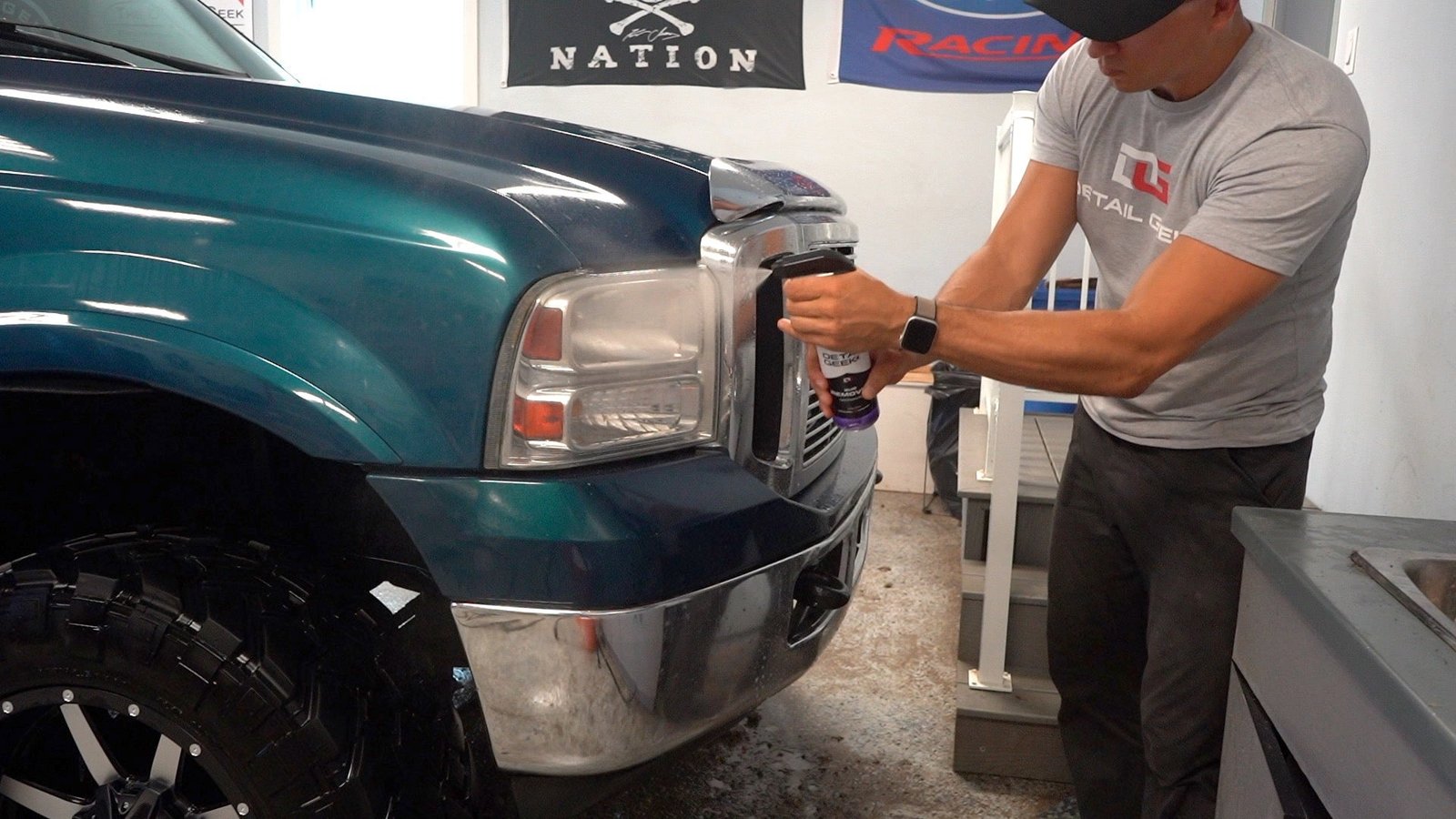
Remove bugs as soon as possible before acids eat into the paint. Apply bug remover on a cool surface, away from direct sunlight. Let the remover sit briefly, usually less than a minute. Rinse the area well after cleaning to avoid residue buildup.
Common Mistakes To Avoid
Using bug remover on your car’s clear coat can be safe if done correctly. Many people make simple mistakes that harm their car’s finish. Avoiding these errors protects the clear coat and keeps your car looking great. Here are common mistakes to watch out for.
Leaving Remover On Too Long
Bug removers work fast. Leaving them on the clear coat for too long may cause damage. Always follow the product instructions carefully. Rinse off the remover soon after application to prevent harm.
Using Strong Solvents Like Acetone
Acetone and other strong solvents can strip the clear coat. They are too harsh for car paint. Use only bug removers made for automotive finishes. Avoid household cleaners that contain strong chemicals.
Scrubbing With Wrong Tools
Scrubbing with rough sponges or brushes can scratch the clear coat. Use soft microfiber cloths or paint-safe pads. These tools gently remove bugs without damaging the paint. Be gentle and avoid hard scrubbing motions.
Aftercare For Clear Coat
After using bug remover on your car’s clear coat, proper aftercare is essential. It helps keep the surface smooth and prevents damage. Clear coat protects the paint and needs gentle care to last long. Following simple steps will maintain your car’s shine and protect the finish.
Washing And Rinsing Thoroughly
Wash the area with mild soap and water after using bug remover. This removes any leftover chemicals that might harm the clear coat. Rinse the car well to avoid soap residue. Use a soft cloth or sponge to prevent scratches. Dry the surface gently with a clean microfiber towel.
Applying Protective Waxes
Apply a quality wax to the clear coat after cleaning. Wax forms a barrier against dirt, bugs, and UV rays. It helps keep the paint looking fresh and shiny. Use a soft applicator pad and follow the wax product’s instructions. Buff the wax off with a clean cloth for a smooth finish.
Regular Maintenance Tips
Check the clear coat regularly for any signs of damage. Clean bugs and dirt quickly to avoid acid damage. Avoid harsh chemicals or abrasive tools on the paint. Park in shaded areas to reduce sun exposure. Routine washing and waxing will keep your clear coat healthy.
Expert Recommendations
Expert advice guides safe use of bug removers on clear coats. Clear coats protect car paint but can be delicate. Choosing the right product matters for preserving shine and finish. Experts suggest gentle formulas and proper application to avoid damage.
Follow instructions carefully and avoid leaving remover on too long. Soft cloths or sponges help clean without scratching. Testing products on a small area first ensures safety. Let’s explore top recommendations and real user feedback.
Top Bug Remover Products
Turtle Wax Bug & Tar Remover is popular for clear coat safety. It breaks down bugs fast without harsh chemicals. Meguiar’s Bug & Tar Remover also receives high marks for gentle cleaning.
Griot’s Garage Bug Remover works well without damaging paint or clear coat. Chemical Guys Bug & Tar Remover offers quick action and easy rinse-off. These products balance power and care for car finishes.
User Experiences And Reviews
Many users praise bug removers that clean effectively with no clear coat harm. Some warn about leaving remover on too long, which can dull paint. Most agree rinsing quickly after application is key.
Soft cloth use is common advice in reviews to avoid scratches. Several users recommend testing on a hidden spot before full use. Positive feedback highlights smooth bug removal and restored shine.
Negative reviews often mention misuse rather than product faults. Following expert tips helps protect clear coats while removing tough bug residue. Real experiences confirm safe and effective products exist.
Credit: detailgeekautocare.com
Frequently Asked Questions
Does Bug And Tar Remover Damage Clear Coat?
Bug and tar removers designed for cars are safe for clear coats if used as directed. Avoid prolonged contact and always rinse thoroughly to prevent damage. Use products labeled “clear coat safe” to protect your vehicle’s finish while effectively removing bugs and tar.
How To Remove Bugs From Clear Coat?
Use a clear coat-safe bug remover and a soft microfiber cloth. Gently apply remover, wait a few minutes, then wipe bugs away. Avoid abrasive scrubbers to prevent scratches. Rinse thoroughly and dry the area to protect the clear coat finish.
Is Bug Remover Safe For Car Paint?
Bug remover is safe for car paint if labeled “clear coat safe. ” Apply briefly, avoid prolonged contact, and rinse thoroughly to prevent damage.
Will Acetone Damage Clear Coat?
Acetone can severely damage clear coat due to its strong solvent properties. Avoid using acetone on clear-coated surfaces to prevent paint damage.
Conclusion
Bug removers can be safe for clear coats if used correctly. Always choose products made for car paint protection. Avoid leaving remover on too long to prevent damage. Use soft cloths or pads to gently clean bug residue. Rinse your car well after applying any remover.
Taking these steps helps keep your clear coat shiny and intact. Regular care protects your car’s finish from bug acids and dirt. Stay cautious and follow instructions to maintain your vehicle’s look.














