
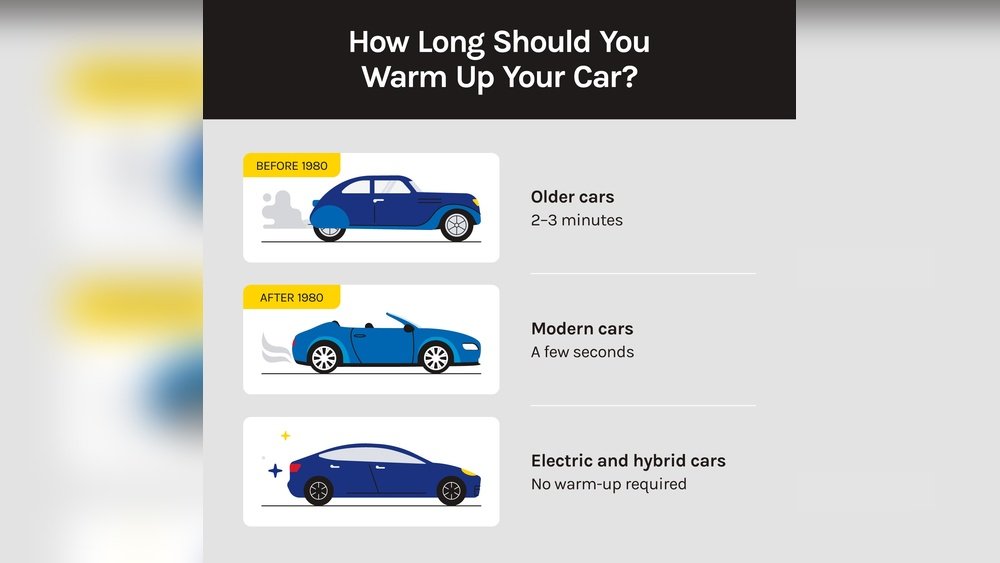
Have you ever wondered if you really need to warm up your car’s engine before hitting the road? Maybe you’ve been told it’s essential, or maybe you think it’s just an old habit with no real benefit.
The truth might surprise you. What if warming up your engine the wrong way wastes fuel and even harms your car over time? Whether you live in chilly Austin, Texas, or anywhere else, understanding the best way to prepare your car for driving can save you money and keep your engine running smoothly.
Keep reading to discover the facts behind engine warm-up myths and learn exactly what you should do before you drive.
Engine Warm-up Myths
Many people believe that warming up a car’s engine is essential before driving. This idea comes from older vehicles and cold climates. Today, modern cars do not need the same long warm-up times. Misunderstandings about engine warm-up can lead to wasted time and fuel.
Let’s explore common engine warm-up myths. Knowing the facts helps save money and protects your car’s engine.
Myth 1: Your Car Needs Several Minutes Of Idling To Warm Up
This myth comes from older carbureted engines. Those needed time to mix fuel and air properly. Modern fuel-injected engines adjust instantly. Idling for long wastes fuel and causes pollution. Driving gently warms the engine faster and better.
Myth 2: Cold Weather Means Long Engine Warm-up
Cold temperatures do affect engine performance. But long idling is still not needed. A short idle of 30 seconds is enough. Then, drive slowly to warm the engine and transmission. This method is better for the engine and the environment.
Myth 3: Warming Up Protects Engine Life
Driving gently after starting the car protects engine parts. But long idling does not improve engine life. In fact, excessive idling can cause buildup inside the engine. Proper oil circulation happens better during driving, not idling.
Myth 4: Electric And Hybrid Cars Need Warm-up Too
Electric and hybrid cars work differently. Their engines or motors do not need traditional warm-up. These vehicles are ready to drive almost immediately. The focus should be on smooth, gentle driving at first.

Credit: www.youtube.com
Modern Cars And Warm-up
Modern cars have changed how engines warm up before driving. Advances in engine technology mean older warm-up habits no longer apply. Cars today need less idling time. The engine warms faster through driving than sitting still. Understanding these changes helps save fuel and protects your car’s engine.
Fuel-injected Engines
Fuel-injected engines manage fuel better than older carbureted ones. Sensors adjust fuel delivery instantly for optimal performance. This system reduces the need for long idling. Modern engines reach the right temperature quickly. They are designed to run smoothly soon after starting. Fuel injection improves efficiency and lowers emissions. Your car’s computer controls fuel flow to match engine needs. This means warming up by idling is less necessary.
Gentle Driving Benefits
Driving gently right after starting your car helps warm the engine evenly. Avoid fast acceleration and high RPMs in the first few minutes. This practice reduces engine wear and improves fuel economy. Moving the car warms the transmission and other parts better than idling. Gentle driving also clears moisture from the exhaust system. It supports overall engine health and can extend your car’s lifespan. Let the engine reach normal temperature during your drive, not before.
Older Cars And Warm-up
Older cars often require more attention before driving. Their engines and components are less advanced than modern vehicles. This means warming up the engine can be important. Proper warm-up helps the engine run smoothly and prevents damage. It also improves fuel efficiency and reduces emissions in these older models.
Carbureted Engines
Many older cars have carbureted engines. These engines mix air and fuel mechanically. They need time to adjust this mixture when cold. Warming up allows the carburetor to deliver the right fuel balance. Without warming up, the engine may run rough or stall. It also causes more wear and tear on parts.
Longer Warm-up Needs
Older engines often need longer warm-up times than modern cars. Metal parts take time to expand and fit properly. Oil thickens when cold and flows slowly at first. Warming the engine helps oil reach all parts quickly. This reduces friction and engine wear. In cold weather, warm-up times can be even longer. Taking extra minutes before driving helps protect the engine and improve performance.
Credit: www.indyautoman.com
Cold Weather Effects
Cold weather affects your car in many ways. Low temperatures cause parts to contract and fluids to thicken. These changes make your engine work harder at startup. Understanding cold weather effects helps you care for your vehicle better during winter months.
Thickened Oil Challenges
In cold weather, engine oil becomes thicker. Thick oil moves slowly through the engine. This slow movement reduces lubrication. Poor lubrication increases engine wear and tear. The engine must work harder to pump thick oil. Warming the engine helps oil flow better and protect engine parts.
Battery Strain Issues
Cold temperatures reduce battery power. Batteries provide less current in cold weather. This strain makes starting the engine more difficult. A weak battery can fail in freezing conditions. Warming the car slightly eases battery strain. It increases the chance of a successful start.
Recommended Warm-up Practices
Start your car and wait about 30 seconds before driving. This short warm-up lets oil circulate through the engine. Avoid long idling, which wastes fuel and causes pollution. Drive gently at first to help the engine reach normal temperature. Slow acceleration reduces stress on cold engine parts. Following these steps improves engine life and performance in cold weather.
Best Warm-up Practices
Warming up your car’s engine properly helps protect its parts and improves performance. Following the best warm-up practices ensures your engine reaches its ideal temperature safely. This prevents damage and saves fuel. Here are simple tips for warming up your engine the right way.
Short Idle Periods
Start your car and let it idle for about 30 seconds. This allows the oil to circulate fully. Avoid long idling as it wastes fuel and causes pollution. Short idling is enough to prepare your engine for driving.
Avoid Hard Acceleration
Do not press the gas pedal hard immediately after starting. Hard acceleration stresses a cold engine. It can cause wear and tear. Instead, increase speed gently to help the engine warm up smoothly.
Drive Gently At Start
Begin driving slowly and avoid heavy loads or high speeds. Gentle driving warms the engine and transmission efficiently. It also improves fuel economy. Keep RPMs low until the engine reaches normal temperature.
Fuel Efficiency And Engine Health
Fuel efficiency and engine health are closely linked to how a car is warmed up before driving. Proper warming helps the engine reach its ideal operating temperature quickly. This improves fuel combustion and reduces harmful emissions. It also prevents damage that can occur if the engine runs cold for too long. Understanding the best way to warm up the engine can save fuel and extend the life of your car.
Idling Vs Driving Warm-up
Idling wastes fuel without warming the engine efficiently. During idle, the engine temperature rises slowly. This can cause incomplete fuel combustion, lowering fuel efficiency. Driving gently warms the engine faster and more evenly. Moving the car increases oil circulation and heats other parts like the transmission. Short idling is fine in very cold weather, but driving slowly soon after starting is better for fuel use.
Preventing Engine Wear
Cold engines face more wear and tear. Oil is thicker and takes time to flow properly. Without enough lubrication, engine parts rub harder and wear out faster. Warming the engine through gentle driving helps oil reach all parts quickly. This reduces friction and engine damage. Avoiding hard acceleration at the start also protects engine components. Proper warm-up keeps your engine healthy and running longer.
Common Cold Start Mistakes
Starting a car on a cold morning can be tricky. Many drivers make mistakes during cold starts that harm the engine. These errors reduce engine life and increase fuel use. Understanding common cold start mistakes helps protect your vehicle.
Cold start mistakes often come from old habits or misunderstandings. Some drivers let the engine idle too long. Others accelerate hard right after starting. Both actions can damage engine parts. Avoiding these mistakes improves performance and saves money.
Many believe idling warms the engine faster. In reality, long idling wastes fuel and causes engine wear. Modern engines warm up faster by driving gently. Idling for more than 30 seconds is usually unnecessary.
Pressing the gas pedal hard damages engine parts when cold. Oil is thicker and does not lubricate well at low temperatures. This causes more friction and wear. A gentle start extends engine life.
Many drivers ignore the engine temperature gauge after starting. Driving aggressively before the engine warms up can cause damage. Watch the gauge and avoid high speeds until it reaches normal temperature.
Using the wrong oil thickness makes cold starts harder on the engine. Thicker oil flows poorly at low temperatures. This increases engine wear during startup. Use oil recommended by the car manufacturer.
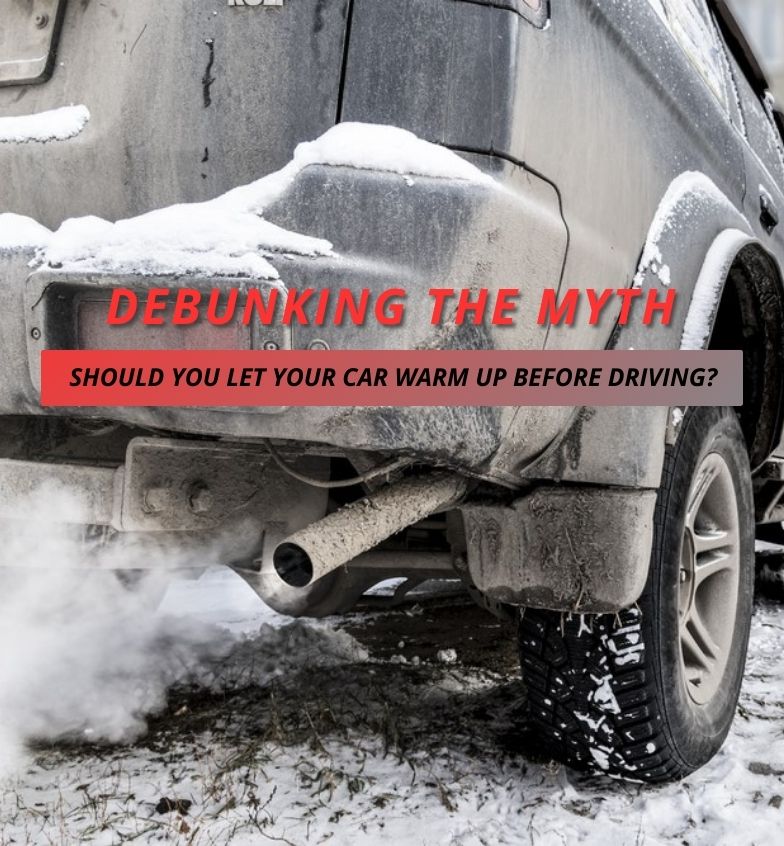
Credit: www.autocareplus.com
How Long To Warm Up
Knowing how long to warm up your car’s engine helps protect it and saves fuel. Warming up allows the oil to circulate fully. This reduces wear on engine parts. The warming-up time changes with weather and car type. Modern cars need less idling than older models.
In Normal Conditions
In regular weather, a short warm-up is enough. About 30 seconds to 1 minute of idling works well. After that, start driving slowly and gently. Keep the engine RPMs low for the first few miles. This helps the engine reach its ideal temperature safely.
Idling longer wastes fuel and causes pollution. The engine warms faster while driving than sitting still. Avoid hard acceleration until the engine is warm. This protects the engine and improves fuel efficiency.
During Winter Weather
Cold weather needs more care. Let the engine idle for 1 to 3 minutes before driving. This time lets the oil thicken and flow properly. Cold oil does not protect engine parts well.
Drive slowly at first to warm the engine and transmission. Avoid fast speeds or sudden stops until the engine temperature rises. In very cold climates, longer warm-up times may be needed. Still, avoid idling for too long to prevent fuel waste.
Conclusion
Warming up your car’s engine before driving is less important for modern vehicles. Driving gently warms the engine faster and saves fuel. Idling for long periods wastes fuel and may cause buildup. In very cold weather, a short idle helps, but avoid high revs until the engine is warm.
Older cars need a bit more care to protect engine parts. Overall, start driving slowly and carefully to keep your car running well. This simple habit extends engine life and improves performance.














