
Have you ever wondered if switching to synthetic oil after your car hits 100,000 miles is safe? You’re not alone.
Many drivers face this question and worry about whether it could harm their engine or improve performance. The truth is, making the switch could actually protect your engine and extend its life—if you know what to look for. You’ll discover the real benefits and potential risks of switching to synthetic oil at this stage.
By the end, you’ll feel confident about the best choice for your vehicle’s health and your peace of mind. Keep reading to unlock the facts that every driver with a high-mileage car needs to know.
Switching Timing
Choosing the right time to switch to synthetic oil matters for your engine’s health. Timing affects how well synthetic oil protects and improves your car’s performance. Understanding when to make the switch helps avoid risks and get the best benefits. This section breaks down the ideal switching time after 100,000 miles and compares early versus late switching advantages.
Is 100k Miles Too Late?
Switching to synthetic oil after 100,000 miles is not too late. Many cars run fine on conventional oil before this point. Synthetic oil can still protect your engine at high mileage. It cleans engine parts better and reduces wear even in older engines. The key is to use the right synthetic formula for high-mileage vehicles. This helps reduce leaks and oil burn-off common in older engines. So, 100,000 miles is safe for switching, not harmful.
Early Vs Late Switch Benefits
Early switching to synthetic oil offers better engine cleanliness and smoother performance. It reduces friction and protects parts from the start. This can extend engine life and improve fuel efficiency. On the other hand, switching late still protects your engine. It prevents further wear and helps maintain engine health after many miles. Late switching may not reverse old damage but slows down new wear. Both timings have benefits; early switch improves longevity, late switch offers continued protection.

Credit: www.walmart.com
Synthetic Oil Benefits
Synthetic oil offers many benefits for engines, especially after 100,000 miles. It helps keep your engine running smoothly and can improve your car’s performance. Understanding these benefits can help you decide if switching to synthetic oil is the right choice for your vehicle.
Many drivers choose synthetic oil to protect their engine better and save money over time. It also helps your engine run cleaner and more efficiently.
Enhanced Engine Protection
Synthetic oil is made to resist breakdown under high heat. This means it protects engine parts better than conventional oils. It reduces wear and tear on engine components. This is important for older engines with higher mileage. Synthetic oil also keeps engine parts cleaner by reducing sludge buildup. Cleaner engines last longer and need fewer repairs.
Improved Fuel Efficiency
Synthetic oil flows more easily than regular oil. This lowers friction inside the engine. Less friction means the engine uses less fuel. Many drivers notice better gas mileage after switching to synthetic oil. This can save money on fuel over time. Improved efficiency also means less pollution from your car.
Extended Oil Change Intervals
Synthetic oil lasts longer than conventional oil. It holds up well under tough driving conditions. You can go more miles before needing an oil change. This means fewer oil changes and less waste. Extended intervals save you time and money. It also reduces the chance of forgetting an oil change.
High Mileage Engine Needs
Engines with over 100,000 miles have special needs. Over time, parts wear down and seals may dry out. The right oil helps protect these aging components. Synthetic oil often offers better protection for older engines. It can keep the engine running smoother and longer. Understanding these needs helps decide if switching to synthetic oil is safe and beneficial.
Seal Conditioners Role
High mileage oils often contain seal conditioners. These help keep engine seals soft and flexible. Soft seals prevent leaks and maintain pressure. Synthetic oils with seal conditioners can reduce seal shrinkage. This protects against cracks that cause oil leaks. Seal conditioners support engine longevity in older cars.
Leak Prevention
Older engines are more prone to leaks. Worn seals and gaskets may let oil escape. Synthetic oil flows better at low temperatures. It reaches tight spaces quickly to protect parts. This helps reduce wear and stops leaks from worsening. Using synthetic oil can lower the chance of costly oil leaks.
Wear And Tear Considerations
High mileage engines face more wear and tear. Synthetic oil provides stronger protection against friction. It creates a stable film between moving parts. This reduces metal-on-metal contact and engine damage. Synthetic oil also resists breakdown under heat. It keeps the engine cleaner and working well longer.

Credit: www.machinerylubrication.com
Common Concerns
Switching to synthetic oil after 100,000 miles raises several common concerns among car owners. These worries often stem from how older engines behave and the costs involved. Understanding these issues helps in making an informed decision about oil changes. Let’s explore the main concerns people have about switching to synthetic oil at high mileage.
Potential Leakage Issues
One common fear is that synthetic oil may cause leaks. Older engines have worn seals that could shrink or harden over time. Synthetic oil flows better and cleans deposits, which might reveal existing leaks. This does not mean synthetic oil causes leaks but can expose pre-existing problems. Regular checks can catch leaks early and prevent damage.
Compatibility With Older Engines
Older engines often have different wear patterns and deposits. Some drivers worry synthetic oil might not protect these engines well. Synthetic oils offer better lubrication and resist breakdown longer than conventional oils. Many synthetic oils are designed for high-mileage vehicles and include additives to protect seals and engine parts. It is safe to switch but choose oils made for older engines.
Cost Implications
Synthetic oil costs more than conventional oil. This higher price concerns budget-conscious drivers. Synthetic oil lasts longer and improves engine protection, which can save money on repairs. The longer oil change intervals reduce maintenance frequency. Over time, the extra cost may balance out with better engine health and fewer repairs.
Expert Recommendations
Experts often recommend synthetic oil for vehicles that have reached 100,000 miles. Synthetic oil provides better protection and performance for older engines. It helps reduce wear and tear on engine parts. Choosing the right type of synthetic oil is crucial for maintaining engine health at high mileage.
Following expert advice can keep your engine running smoothly and extend its life. Understanding when and how to switch to synthetic oil is key for high-mileage vehicles.
When To Choose Synthetic
Experts suggest switching to synthetic oil after 100,000 miles is safe. If your engine is in good condition, synthetic oil can improve lubrication. It works well in extreme temperatures and reduces engine deposits. Switching during regular oil changes is a good time to start using synthetic oil. Always check your owner’s manual and consult a trusted mechanic.
High Mileage Synthetic Options
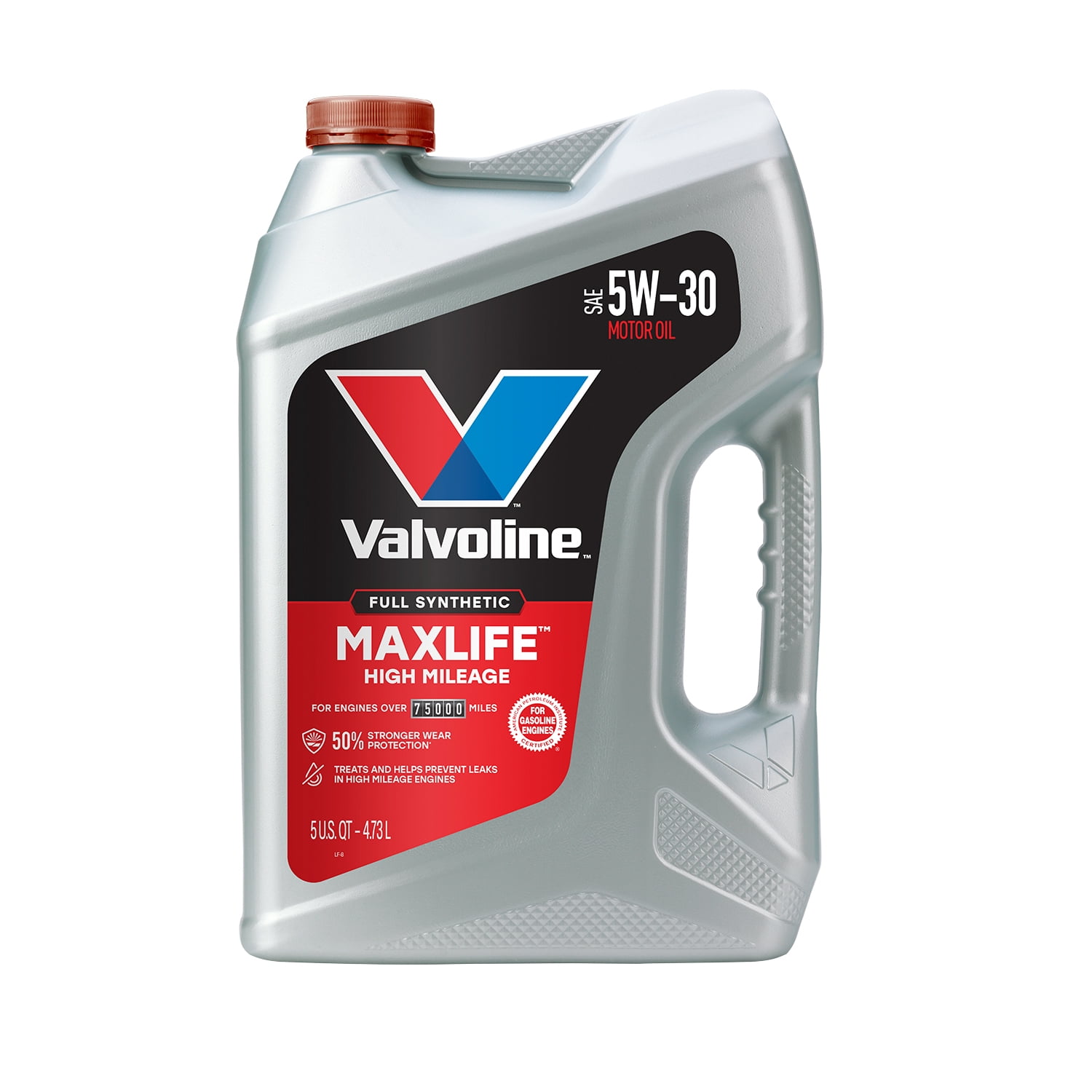
High mileage synthetic oils contain special additives. These additives help protect seals and reduce oil leaks in older engines. They also help prevent sludge buildup and improve engine cleanliness. Experts recommend choosing a high mileage synthetic oil designed for engines over 75,000 miles. These oils support engine parts that may have worn over time.
Maintaining Engine Health
Regular oil changes with synthetic oil help maintain engine health. Experts advise sticking to the oil change schedule specific to your vehicle. Using synthetic oil can improve fuel efficiency and reduce engine wear. Monitor oil levels and watch for leaks or unusual engine noises. Proper maintenance ensures your engine stays healthy well beyond 100,000 miles.
Oil Change Intervals
Understanding oil change intervals is key after your vehicle hits 100,000 miles. Proper timing keeps your engine running smoothly and extends its life. Oil breaks down over time and loses its ability to protect engine parts. Choosing the right interval ensures maximum protection and efficiency.
Factors Affecting Frequency
Several factors influence how often you should change your oil. Driving habits play a big role. Frequent short trips, stop-and-go traffic, and heavy loads can wear oil faster. Climate matters too. Hot weather causes oil to degrade quicker. Cold weather can cause moisture buildup in the engine. The age and condition of your vehicle also affect oil life. Older engines might need more frequent changes due to wear and tear.
Synthetic Vs Conventional Intervals
Synthetic oil lasts longer than conventional oil. It resists breaking down under heat and pressure. Most synthetic oils allow longer intervals between changes, often 7,500 to 10,000 miles. Conventional oil usually requires changes every 3,000 to 5,000 miles. Switching to synthetic after 100K miles can extend your oil change intervals safely. Always check your vehicle’s manual and oil recommendations. Synthetic oil can provide better protection for high-mileage engines.
User Experiences
Many drivers wonder about switching to synthetic oil after reaching 100,000 miles. User experiences offer valuable insights into this common concern. Real stories from car owners help understand the effects and safety of this change. Reading about their journeys gives practical knowledge beyond technical advice.
Real-world Switching Stories
Several drivers shared their stories online after switching to synthetic oil past 100K miles. Most reported smoother engine performance within a few oil changes. Some noticed quieter engines and better fuel efficiency. A few users experienced no change at all but felt confident in the switch.
Some older vehicles with minor leaks saw no increase in oil consumption. Others appreciated synthetic oil’s stability in extreme temperatures. Many praised the longer intervals between oil changes. These real-world examples show that switching can be safe and beneficial.
Common Outcomes After Switch
Users commonly report cleaner engine parts and less sludge buildup. Synthetic oil’s strong protection helps maintain engine health over time. Many drivers found their engines running cooler and more efficiently. Some noted improved oil pressure and less wear on engine components.
A small number of users mentioned initial leaks or burning oil, but these cases are rare. Most experts agree these issues often relate to existing engine wear, not the oil itself. Overall, the majority of drivers found switching to synthetic oil after 100K miles safe and effective.
Credit: www.walmart.com
Conclusion
Switching to synthetic oil after 100,000 miles is generally safe. Many drivers see better engine protection and smoother performance. Synthetic oil resists heat and breaks down less over time. It can help reduce engine wear and extend oil change intervals.
Choose the right synthetic oil designed for high-mileage engines. Always follow your vehicle manufacturer’s recommendations for oil type and change frequency. Regular maintenance remains important to keep your engine healthy. Switching oils can be a smart move for older cars.
Just watch for any leaks or unusual engine behavior after the switch.