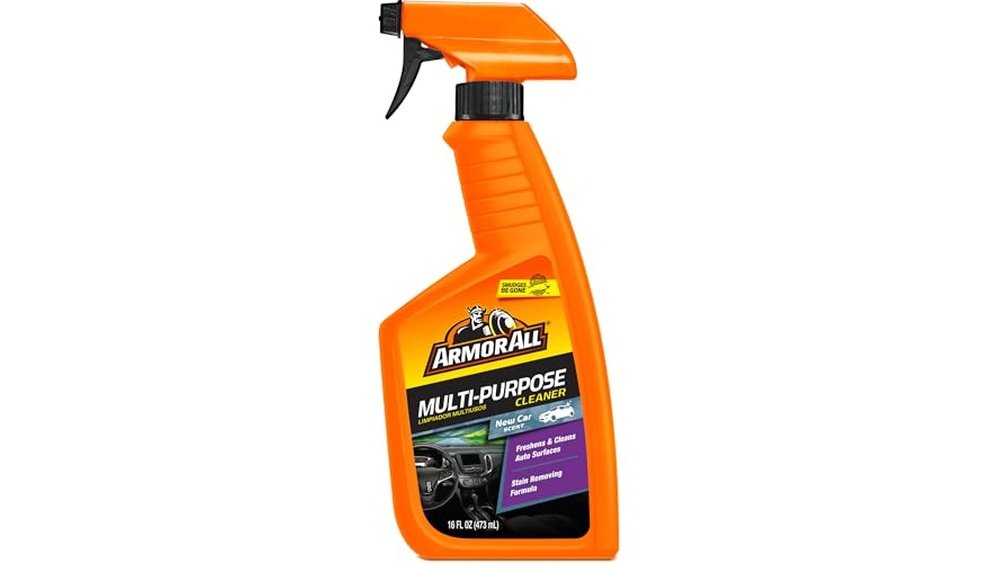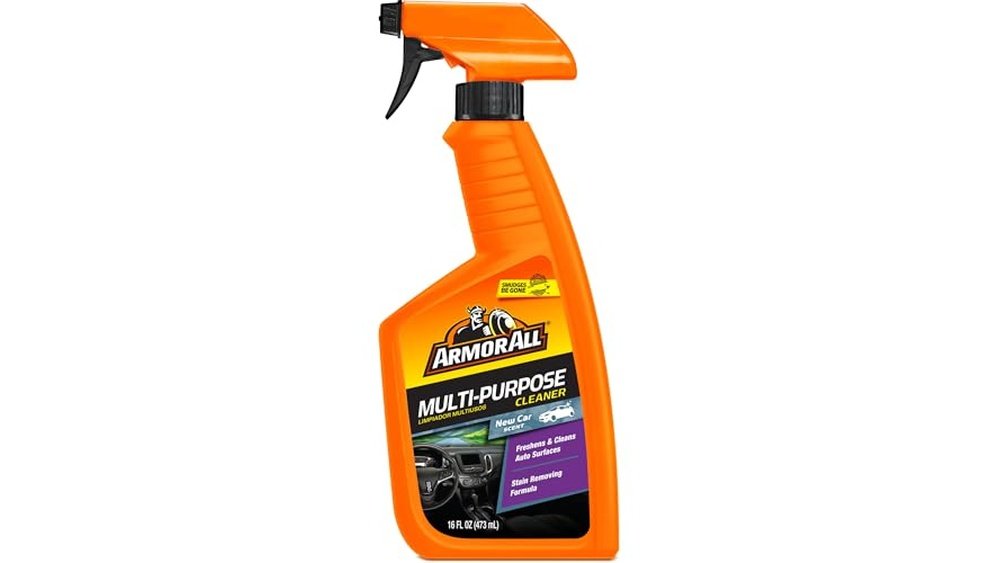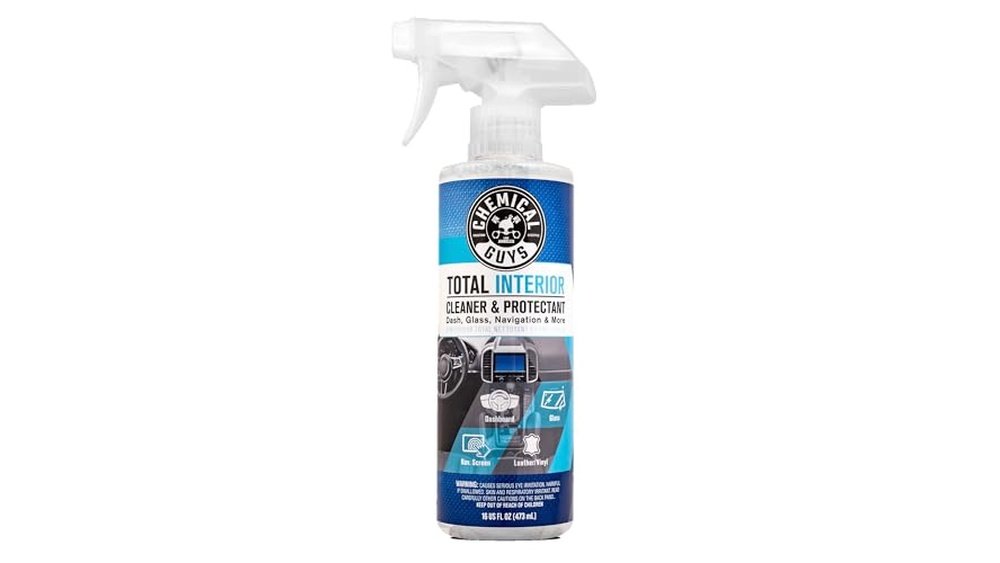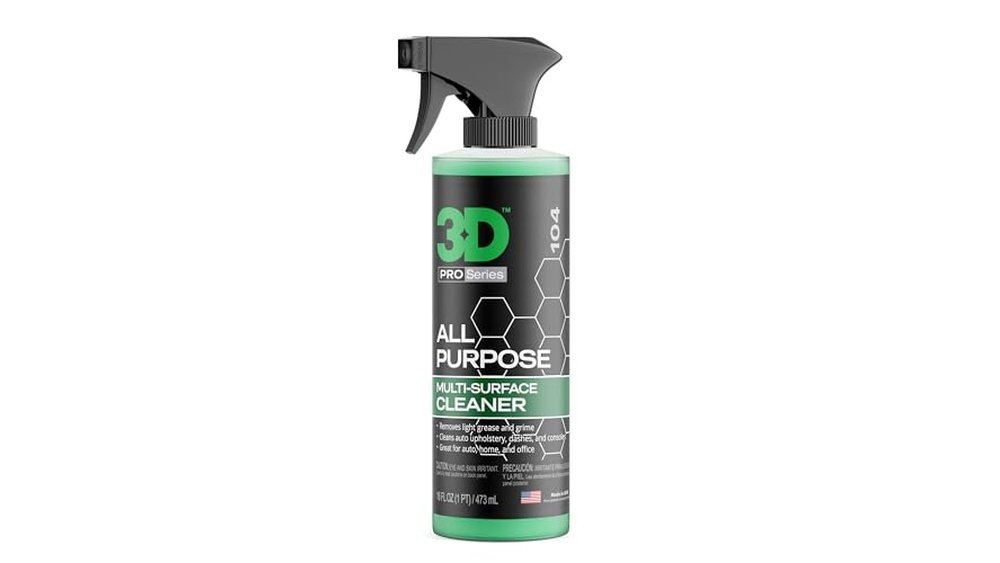
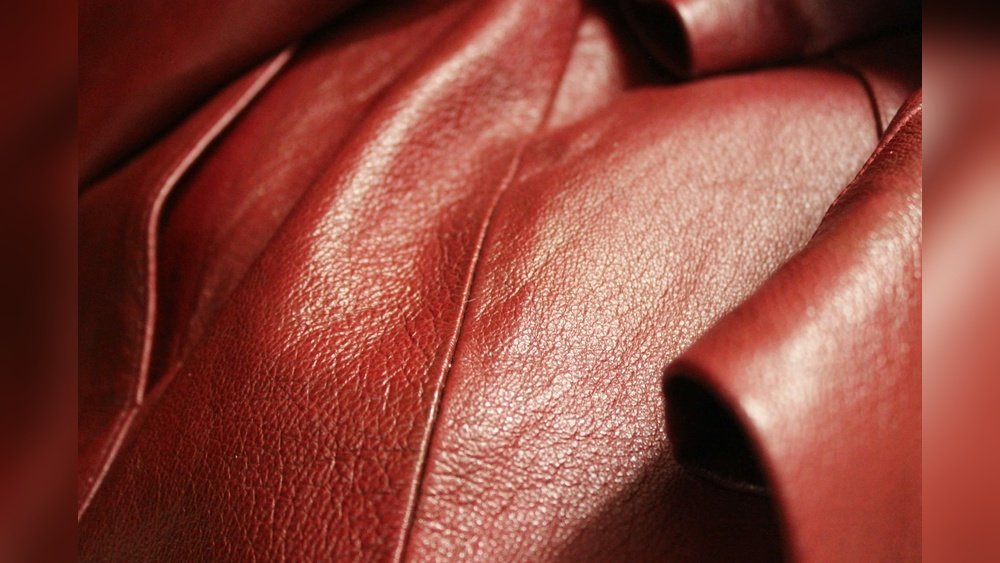
Leather is one of the most admired materials in the world. It looks luxurious, feels smooth, and lasts for years if cared for properly. But leather isn’t invincible. Over time, it can get dirty, dry out, or even crack. That’s where leather cleaners and leather conditioners come in. Many people confuse these two products, but they have very different jobs. If you want your leather to look great and stay strong, understanding the difference is essential. Let’s explore what separates leather cleaner from leather conditioner, how each works, and how to use them for best results.
What Is Leather Cleaner?
Leather cleaner is a product made to remove dirt, stains, oils, and grime from leather surfaces. It’s like soap for your leather, but it’s much gentler. Regular household cleaners can damage leather, so a dedicated leather cleaner uses special formulas that clean without harming or drying out the material.
Most leather cleaners come in liquid, spray, or foam form. They are designed for use on furniture, car seats, jackets, bags, shoes, and other leather items. Some cleaners work only for smooth leather, while others are safe for suede or nubuck.
How Leather Cleaner Works
When you use a leather cleaner, it breaks down the oils and dirt sitting on the surface. These are things that build up from skin contact, spills, pollution, or everyday use. Leather is porous, so dirt can sink in if not removed regularly.
Good leather cleaners work in three main steps:
- Loosen dirt: The cleaner softens and lifts grime from the leather surface.
- Remove oils: It dissolves body oils, sweat, and food residues that can stain or weaken leather.
- Protect material: It avoids stripping natural oils, keeping leather supple.
Types Of Leather Cleaners
There are several types of leather cleaners, each suited for different needs:
- Mild liquid cleaners: Great for routine cleaning of light dirt.
- Heavy-duty cleaners: Used for tough stains or older, neglected leather.
- Foam cleaners: Easy to spread, often less likely to soak into the leather.
- Wipes: Convenient for quick clean-ups, especially in cars or for shoes.
When And Why To Use Leather Cleaner
You should use a leather cleaner when you notice your leather looking dull, dirty, or sticky. Most experts recommend cleaning leather every 2-3 months, depending on use. For heavily used items like car seats or couches, monthly cleaning is ideal.
Cleaning is especially important before conditioning. If you apply conditioner to dirty leather, you trap dirt and oils, which can cause odors or discoloration. Neglecting regular cleaning leads to permanent stains and weakens the leather.
What Is Leather Conditioner?
Leather conditioner is a product designed to restore and maintain the moisture and flexibility of leather. Think of it as lotion for your leather. While leather cleaner removes dirt, conditioner puts back the oils that keep leather soft and strong.
Most conditioners use natural oils (like lanolin or mink oil) or synthetic formulas. They’re applied after cleaning, and they soak into the leather to prevent drying, cracking, and fading.
How Leather Conditioner Works
Leather dries out over time due to sunlight, heat, and age. Conditioner helps by:
- Replacing lost oils: It feeds leather with essential oils, keeping it soft.
- Restoring flexibility: Conditioner prevents leather from becoming stiff and brittle.
- Protecting against cracks: Regular conditioning stops leather from splitting or flaking.
Some conditioners also add a protective layer, making leather more resistant to water and stains.
Types Of Leather Conditioners
The market offers several conditioner types, each with unique benefits:
- Creams: Easy to apply, good for furniture and car seats.
- Balms: Thicker, often used on shoes and bags.
- Sprays: Quick for large surfaces, but sometimes less nourishing.
- Oils: Deeply penetrate leather, best for older or very dry items.
When And Why To Use Leather Conditioner
Condition your leather every 3-6 months, depending on climate and usage. If you live in a dry area or use your leather items often, condition more frequently. After cleaning is the best time to condition, so the oils can penetrate deeply.
Conditioner helps maintain the color, stops fading, and keeps leather feeling comfortable. Ignoring this step leads to dryness and cracking, which is hard to fix.
Key Differences Between Leather Cleaner And Leather Conditioner
These two products are often sold together, but their roles are not the same. Let’s break down the main differences:
| Feature | Leather Cleaner | Leather Conditioner |
|---|---|---|
| Purpose | Removes dirt and stains | Restores moisture and flexibility |
| Main Ingredients | Mild detergents, solvents | Oils, waxes, emollients |
| Frequency of Use | Every 1-3 months | Every 3-6 months |
| Effect on Leather | Cleans surface, removes grime | Softens, prevents cracks |
| When to Use | When leather looks dirty | After cleaning, or when dry |
Non-obvious Insights
- Using a cleaner without conditioning can leave leather dry and dull, even if it looks clean.
- Over-conditioning (too often or too much) can make leather sticky or attract dust.
How To Use Leather Cleaner And Conditioner Together
For best results, you should use both products, but in the right order and frequency. Here’s a practical guide:
- Dust first: Remove loose dust and debris with a soft cloth or brush.
- Apply cleaner: Use a small amount on a cloth, rub gently in circles. Don’t soak the leather.
- Wipe off residue: After cleaning, wipe with a damp (not wet) cloth to remove cleaner and dirt.
- Let dry: Wait until the leather is completely dry (usually 1-2 hours).
- Apply conditioner: Use a clean cloth, spread conditioner evenly. Don’t over-apply.
- Buff gently: After a few minutes, buff with a dry cloth for a soft finish.
Practical Example
Imagine you have a leather sofa that’s used daily. Every month, dust and clean it with a leather cleaner. Every three months, condition it. If the sofa is in a sunny room, condition more often to avoid fading.
Common Mistakes When Caring For Leather
Many people make errors when cleaning or conditioning leather. Avoid these to keep your items in top shape:
- Using harsh chemicals: Avoid regular soap, bleach, or alcohol—these damage leather.
- Skipping cleaning before conditioning: Conditioning dirty leather traps grime and odors.
- Over-wetting the leather: Excess water can cause stains and stiffness.
- Ignoring manufacturer advice: Always check if your leather is finished, unfinished, or specialty (like suede).
- Applying too much conditioner: This leads to sticky surfaces and attracts dirt.
- Not testing first: Always test new products on a hidden area for color changes.
Leather Cleaner Vs Leather Conditioner: Which Should You Choose?
It’s not about choosing one over the other. Both are essential for proper leather care. However, your priorities may shift depending on your needs:
- If your leather is dirty or stained, use a cleaner first.
- If your leather is dry, cracked, or faded, focus on conditioner.
- For maintenance, use both in a regular routine.
Different Scenarios
Car Interiors
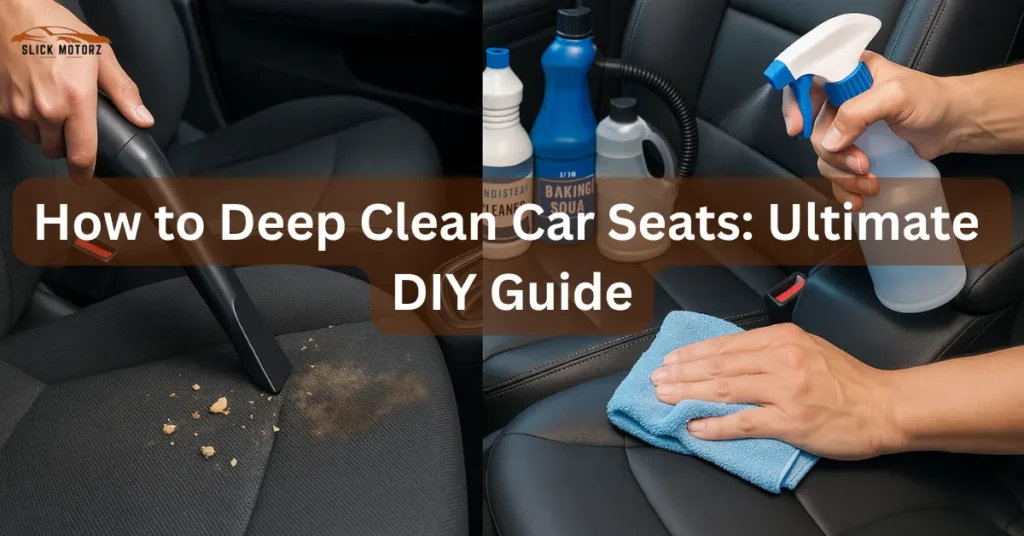
Car seats get dirty quickly from sweat, food, and outdoor air. Clean monthly, condition every 3-4 months. Avoid products with silicone, which can harm leather.
Leather Bags And Shoes
These items face rain, dust, and friction. Clean as needed, condition every 2-3 months, especially before storing for a long period.
Furniture
Couches and chairs need cleaning every 1-2 months, conditioning every 4-6 months. If you have pets, increase frequency.
Jackets
Leather jackets are exposed to weather and body oils. Clean after heavy use, condition seasonally.

Credit: yukonbags.com
Comparing Popular Leather Cleaners And Conditioners
Many brands offer leather care products. Let’s compare a few top options:
| Product | Type | Best For | Features |
|---|---|---|---|
| Lexol Cleaner | Cleaner | Car seats, furniture | pH-balanced, gentle |
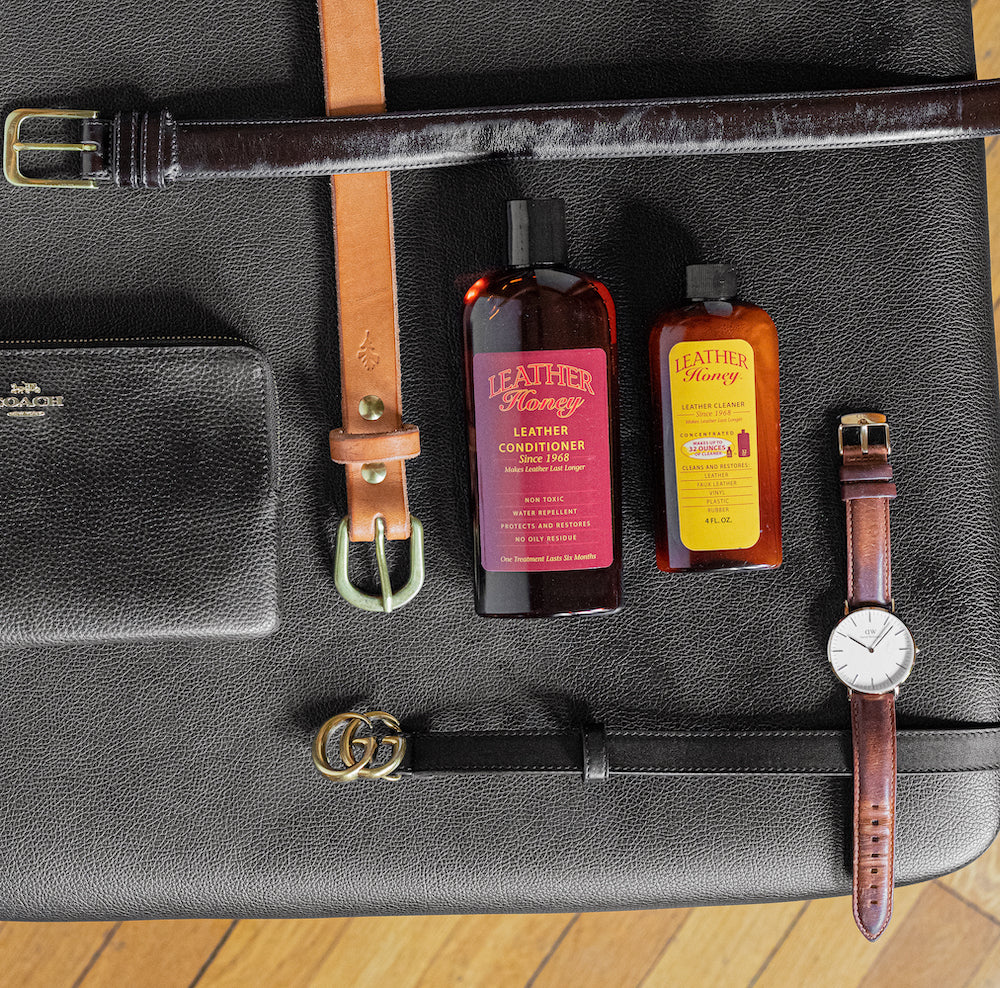
| Leather Honey Conditioner | Conditioner | Jackets, shoes | Deep conditioning, non-toxic |
| Meguiar’s Gold Class Cleaner/Conditioner | Combined | Quick maintenance | 2-in-1 formula, easy to use |
| Chamberlain’s Leather Milk | Conditioner | Furniture, bags | Natural oils, pleasant scent |
Combined products can be convenient, but pure cleaners and conditioners often deliver better results for deep care.
Data: How Often Should You Clean And Condition Leather?
Leather’s lifespan depends on care. Studies show well-maintained leather can last over 20 years, while neglected leather cracks and fades within 5-7 years.
| Leather Item | Recommended Cleaning Frequency | Recommended Conditioning Frequency |
|---|---|---|
| Car Seats | Monthly | Every 3 months |
| Furniture | Every 2 months | Every 4-6 months |
| Shoes | As needed | Every 2 months |
| Jackets | After heavy use | Seasonally |
Pro tip: Climate matters. In humid areas, clean more often; in dry areas, condition more often.
Credit: angelusdirect.com
Scientific Insight: Leather’s Structure And Care
Leather is made from animal hide, mostly cowhide. Its structure includes fibers and natural oils. When dirt settles, it can block the pores and weaken fibers. Cleaning removes these blockages. Conditioning restores oils lost through evaporation or sunlight.
A 2018 study by the International Leather Chemists Society found that regular cleaning and conditioning reduce cracking by 60% compared to untreated leather.
Are All Leather Cleaners And Conditioners Safe?
Not every product is good for all leather types. Some cheaper cleaners use harsh chemicals or alcohol, which strip color and weaken the hide. Some conditioners use silicone or petroleum, which can clog pores and cause stickiness.
Always choose products labeled pH-balanced, non-toxic, and free from solvents. If you have exotic leather (like ostrich or alligator), use specialty products.
For more on leather chemistry, visit the Wikipedia Leather page.
Credit: www.leatherhoney.com
Frequently Asked Questions
What Happens If I Use Only Leather Cleaner?
If you clean leather without conditioning, it will become dry and lose its softness. Over time, this leads to cracks and fading. Always follow cleaning with conditioning.
Can I Use Household Soap Or Vinegar On Leather?
No. Household soap and vinegar are too harsh for leather. They can strip natural oils, cause discoloration, and weaken the fibers. Use dedicated leather care products only.
How Do I Know If My Leather Needs Conditioner?
Check for signs like dryness, stiffness, or dull color. Press gently—if leather feels rough instead of smooth, it needs conditioner. If it cracks when folded, conditioning is urgent.
Are Combined Cleaner/conditioner Products Effective?
Combined products can be useful for quick maintenance, but they don’t clean as deeply or condition as thoroughly as separate products. For deep care, use a dedicated cleaner and then a conditioner.
Can I Use Leather Conditioner On Suede Or Nubuck?
No. Suede and nubuck are more delicate and need special products. Regular conditioner can darken or ruin them. Always check product labels and use the right formula for your leather type.
Taking care of leather is not difficult, but it needs attention and the right products. Knowing the difference between leather cleaner and leather conditioner helps you protect your investment. Clean to remove dirt; condition to keep leather soft and strong. Use both regularly, avoid common mistakes, and your leather will stay beautiful for years.