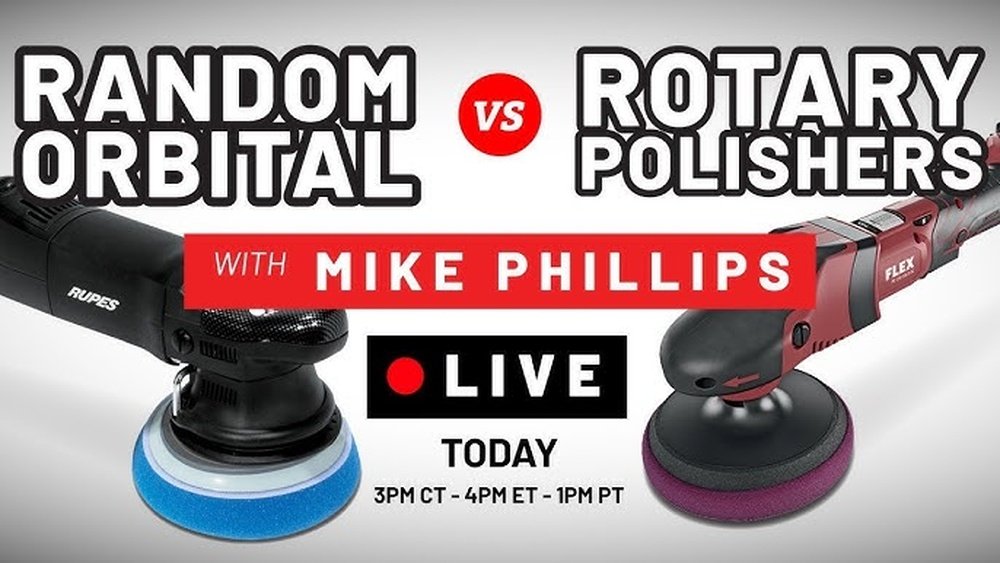
When it comes to polishing your car, choosing the right tool can make all the difference in achieving that flawless finish. You might have heard about orbital polishers and dual action polishers, but which one is truly the best fit for your needs?
Understanding how each works and what results you can expect will save you time, effort, and frustration. You’ll discover the key differences between orbital polishers and dual action polishers, helping you decide which is right for your car care routine and skill level.
Ready to unlock the secrets to a showroom shine? Let’s dive in.
Polisher Types
Choosing the right polisher affects the quality of your car’s finish and ease of work. Polishers come in different types, each with unique movements and benefits. Understanding these types helps you pick the best tool for your needs. Two popular polishers are the Orbital Polisher and the Dual Action Polisher. Both offer safe and effective polishing but work in different ways.
Orbital Polisher
The Orbital Polisher moves the pad in small circles, similar to hand polishing. This motion reduces the risk of damaging the paint surface. It is easy to control, making it ideal for beginners and light polishing tasks. This type of polisher works well on clear coat finishes and delicate surfaces.
Orbital polishers help remove minor scratches, swirl marks, and oxidation. They produce smooth, even results without aggressive cutting. This tool is perfect for regular maintenance and improving the paint’s shine.
Dual Action Polisher
The Dual Action Polisher combines two movements. The pad spins in a circle while also moving in an elliptical orbit. This dual motion mimics hand polishing but adds power and speed. It reduces heat buildup and lowers the risk of paint damage.
Dual Action Polishers offer stronger cutting ability than orbital types. They can handle moderate defects, such as light scratches and oxidation. Many professionals prefer this type for its balance of safety and effectiveness.
This polisher works well on various paint types and finishes. It delivers fast, high-quality results with less effort than hand polishing.
Motion Mechanics
The motion mechanics of polishers play a key role in their performance and safety. Understanding how each tool moves helps choose the right one for your polishing needs. Both orbital and dual action polishers use different motion patterns to achieve smooth finishes and reduce paint damage risks.
Orbital Movement
Orbital polishers move in small circles or orbits. The pad spins around a fixed point without rotating fully. This movement creates gentle agitation on the surface. It mimics hand polishing but with more consistency and speed. Orbital polishers are ideal for beginners and light polishing tasks. They reduce the chance of swirl marks or paint burns. The random movement ensures no single spot gets too much friction.
Dual Action Movement
Dual action polishers combine two motions simultaneously. The pad spins in a circle while also oscillating in an elliptical path. This dual movement allows better polishing action and more cutting power. It moves like a combination of rotary and orbital polishers. Dual action polishers offer more control and safety. They reduce heat buildup and minimize paint damage risks. This makes them suitable for both beginners and professionals. The motion covers more surface area quickly and evenly.
Cutting Power
Cutting power is a key factor in choosing the right polisher. It determines how well a machine can remove scratches, swirls, and imperfections. Both orbital and dual action polishers offer different levels of cutting power. Understanding their strengths helps to pick the best tool for your needs.
Orbital Polisher Strength
Orbital polishers move in small, circular motions. This action is gentle on paint surfaces. They provide moderate cutting power, enough for light scratches and minor imperfections. The risk of paint damage is low with orbital polishers. They suit beginners and those who want safer polishing. Orbital polishers work well on delicate finishes and clear coats.
Dual Action Polisher Strength
Dual action polishers combine spinning and oscillating movements. This dual motion increases cutting power significantly. They remove deeper scratches and heavier defects effectively. Despite stronger cutting ability, they reduce the chance of paint burning. Dual action polishers offer a balance of power and safety. Professionals and enthusiasts often prefer them for thorough polishing jobs.
Surface Safety
Protecting your vehicle’s paint is key during polishing. The right tool helps avoid scratches and burns. Both orbital and dual action polishers offer surface safety but differ in how they protect the paint.
Understanding these differences can help you choose the safer option for your car’s finish. Let’s explore the risks and safety features of each polisher type.
Risk Of Paint Damage With Orbital
Orbital polishers move in a random orbit, which reduces heat buildup. This lowers the chance of burning the paint. However, they have less cutting power and may require more passes.
If used incorrectly, orbital polishers can still cause swirl marks. Applying too much pressure or using the wrong pad increases this risk. Beginners should be cautious and follow instructions carefully.
Dual Action Safety Features
Dual action polishers combine spinning and oscillating motions. This mimics hand polishing and reduces heat and friction on the paint. The dual movement makes it harder to damage the surface.
These polishers have built-in safety features like speed control. This allows smooth starts and prevents sudden jerks. Many models also include pads that stay cool during use.
Overall, dual action polishers are safer for beginners and delicate surfaces. They balance power and protection effectively.
User Skill Levels
User skill level plays a crucial role in choosing the right polisher. Different machines suit different experience levels. Understanding this helps prevent mistakes and damage. Polishing requires control and technique. Beginners often need tools that offer forgiveness and ease. Professionals demand machines with power and precision. Below, we explore how orbital and dual action polishers fit these needs.
Orbital Polisher For Pros
Orbital polishers deliver strong, consistent power. They spin in one direction, offering aggressive cutting ability. This makes them ideal for deep scratches and heavy defects. Professionals use orbitals for precise correction work. The machine requires steady hands and good knowledge. Mistakes can cause paint damage or swirls. Experts appreciate the control and speed that orbitals provide. They also allow faster completion of complex jobs.
Dual Action Polisher For Beginners
Dual action polishers move in two ways at once. The pad spins and oscillates randomly. This motion mimics hand polishing and reduces heat buildup. Beginners find them easier to control and safer on paint. They lower the risk of burning or creating swirls. Dual action polishers are forgiving for new users. They help achieve smooth, even finishes with less skill. These machines build confidence while learning polishing techniques.

Credit: www.slimsdetailing.co.uk
Application Scenarios
Understanding where to use an orbital polisher or a dual action polisher helps you get the best results. Each tool suits different tasks depending on the paint condition and desired finish.
Choosing the right polisher improves efficiency and protects your vehicle’s surface. The following sections explain ideal scenarios for both types.
Heavy Defect Correction
Dual action polishers handle heavy defects well. They combine spinning and oscillating motions to remove deep scratches and oxidation.
This motion reduces the risk of burning the paint. It allows users to correct serious paint damage safely.
Orbital polishers are less aggressive. They work slower on tough defects and may need multiple passes.
Light Defect Finishing
Orbital polishers excel at light defect finishing. They gently smooth minor swirl marks and haze without removing too much paint.
These polishers are ideal for beginners and quick touch-ups. They leave a clean, polished surface with minimal effort.
Dual action polishers also work for light finishing but may be more powerful than needed in some cases.
Heat Generation
Heat generation is a key factor when choosing between an orbital polisher and a dual action polisher. Excess heat can damage paint and clear coats. Understanding how each tool handles heat helps protect your vehicle’s surface. Both tools generate heat during use, but their designs affect how much and how quickly heat builds up.
Orbital Heat Risks
Orbital polishers move in small, circular motions. This motion creates friction that produces heat on the paint surface. The heat can build up quickly if the polisher stays in one spot too long. High heat risks burning or hazing the paint. Users must keep the polisher moving steadily. Slow or uneven movement increases the chance of heat damage. Orbital polishers usually generate more heat under heavy pressure. This makes them less ideal for delicate surfaces.
Dual Action Heat Control
Dual action polishers combine spinning and oscillating motions. This dual movement spreads heat more evenly across the surface. It reduces heat concentration in one spot. The design helps control and limit heat buildup. This lowers the risk of paint damage. Dual action polishers often allow variable speed control. Users can adjust speed to manage heat levels effectively. This makes dual action polishers safer for beginners and sensitive paints. The heat control feature extends working time without risking damage.
Speed And Efficiency
Speed and efficiency play a major role in choosing the right polisher for your work. Both orbital and dual action polishers offer unique advantages. Understanding their speed and efficiency helps in selecting the best tool for your needs.
Orbital Polisher Speed
Orbital polishers move in a circular motion without spinning rapidly. This motion is slower but safer for delicate surfaces. The speed of an orbital polisher is steady and consistent. It reduces the chance of heat build-up on the paint. This makes it ideal for beginners and fine polishing jobs. It covers large areas evenly but may take more time on tough defects.
Dual Action Polisher Efficiency
Dual action polishers use two movements: spinning and oscillating. This dual motion increases the polishing action. It removes swirls and scratches faster than orbital polishers. The efficiency of dual action polishers shines on moderate to heavy paint correction. It balances speed with safety by reducing heat and swirl marks. This tool suits users who want quicker results without risking paint damage.
Cost And Availability
Understanding the cost and availability of orbital polishers versus dual action polishers helps you make a smart buying choice. Both tools serve different needs and budgets. Knowing their price ranges and market options guides you to the best fit for your polishing projects.
Price Range
Orbital polishers usually cost less than dual action polishers. Entry-level orbital polishers can start as low as $50. Professional models may go up to $150. Dual action polishers often start around $100. High-quality dual action polishers can reach $300 or more. The price difference reflects the technology and performance each tool offers.
Orbital polishers suit hobbyists and light users. Dual action polishers fit those who want more control and better results. Both types offer options across budgets.
Market Options
Orbital polishers are widely available online and in stores. Many brands offer a variety of models for beginners and casual users. Accessories like pads and polishers are also easy to find.
Dual action polishers have a larger selection for professionals and enthusiasts. You can find them in automotive shops and on specialized websites. Some brands bundle kits with pads and compounds for convenience.
Both polishers come with different power settings and features. Availability depends on your location and retailer. Choosing a reputable brand ensures good support and spare parts access.

Credit: www.youtube.com
Maintenance Needs
Maintenance needs vary between orbital polishers and dual action polishers. Proper care extends the life of both tools. It also ensures consistent polishing results. Understanding specific maintenance tasks helps users keep their polishers in top shape.
Orbital Polisher Care
Clean the polishing pad after each use. Remove debris to avoid surface scratches. Check the pad for wear and replace when needed. Wipe the polisher body with a soft cloth to remove dust. Avoid water exposure to protect the motor. Store the polisher in a dry, cool place. Regularly inspect the power cord for damage. Lubricate moving parts according to the manufacturer’s instructions. This keeps the mechanism smooth and prevents breakdowns.
Dual Action Polisher Care
After polishing, detach and clean the pad thoroughly. Ensure no polish residue remains. Inspect the backing plate for cracks or damage. Clean air vents to prevent overheating. Avoid using excessive pressure during use to reduce motor strain. Check the oscillating mechanism for smooth operation. Lubricate if recommended by the manufacturer. Store the polisher away from moisture and heat. Regular maintenance prevents costly repairs and keeps performance steady.
Choosing The Right Polisher
Choosing the right polisher is key to achieving the best results. Both orbital and dual action polishers have unique features. Understanding these will help you pick the right tool for your needs. This choice affects the ease and quality of your polishing work.
Based On Skill
Orbital polishers suit beginners well. Their motion is safer and less likely to cause damage. They mimic hand polishing, making control easier. Dual action polishers need some experience. The dual motion requires steady handling. Skilled users get better finishes with this tool. Beginners may find it harder but can learn quickly.
Based On Task
Orbital polishers work well for light polishing and removing minor scratches. They are gentle on paint and clear coats. Dual action polishers handle more demanding tasks. They remove deeper scratches and oxidation better. For heavy correction, dual action polishers perform best. For regular maintenance, orbital polishers are enough. Match the polisher to the task for best results.

Credit: www.drbeasleys.com
Frequently Asked Questions
Is A Dual Action Polisher The Same As An Orbital Polisher?
A dual action polisher, also called a random orbital polisher, moves in two ways: it spins and oscillates. This dual motion makes it safer and reduces the risk of paint damage compared to other polishers. Orbital polishers often refer to the same tool as dual action polishers.
Is An Orbital Polisher Better?
An orbital polisher offers safer, beginner-friendly polishing with less risk of paint damage. It delivers good results on light defects but lacks the aggressive cutting power of rotary polishers. Ideal for general use, it reduces effort and protects clear-coat finishes effectively.
What Is Better, Dual Action Or Rotary Polisher?
A rotary polisher offers fast, aggressive correction but risks paint damage and needs skill. Dual action polishers work safer, preventing heat buildup, ideal for beginners and light defects. Choose dual action for general use; pick rotary for expert-level heavy correction.
What Is The Best Type Of Polisher?
The best polisher depends on skill and needs. Dual Action polishers suit beginners and safe use. Rotary polishers offer aggressive cutting for pros but risk paint damage. Dual Action polishers balance safety and efficiency, making them ideal for general car polishing.
Conclusion
Choosing between an orbital polisher and a dual action polisher depends on your needs. Orbital polishers work well for light polishing and beginners. Dual action polishers offer safer, more versatile use and reduce paint damage risk. Both tools improve car shine effectively with less effort than hand polishing.
Consider your skill level and the paint condition before deciding. Either polisher can help maintain your car’s finish nicely. Simple care with the right tool makes all the difference.